





Professional alcohol tolerance testing evaluates how your body processes and responds to alcohol through three primary methods. You’ll undergo blood sample analysis using gas chromatography for precise BAC measurement, metabolic rate testing to assess your liver’s processing efficiency, and real-time impairment assessments using transdermal sensors and behavioral monitoring. Your individual genetic markers and enzyme functions are also analyzed to determine specific tolerance patterns. Understanding these thorough testing protocols reveals critical insights about your body’s unique relationship with alcohol.
Understanding Blood Alcohol Content (BAC) Fundamentals
While many people are familiar with the term “blood alcohol content,” understanding its scientific foundations is essential for both medical and legal contexts. BAC measures the mass of alcohol per volume of blood, providing the most accurate assessment of alcohol’s effects on your brain. In Western European countries, BAC of 0.05% determines legal intoxication. Food consumption can significantly decrease the absorption rate of alcohol into your bloodstream. Gas chromatography testing of blood samples remains the most accurate method for determining BAC levels.
Your BAC level rises when alcohol consumption exceeds your liver’s processing capacity, with individual alcohol metabolism differences creating varying responses to identical amounts of alcohol. Gender-based BAC variations play a significant role, as body composition affects how alcohol distributes throughout your system. The measurement is typically expressed as a percentage, with 0.08% representing 0.8 grams of alcohol per liter of blood. This standardized measurement allows medical professionals and law enforcement to objectively assess intoxication levels across different individuals.
Scientific Methods for Measuring Alcohol Tolerance
Professional alcohol tolerance measurement relies on three primary scientific methods: blood sample analysis to evaluate enzyme levels, metabolic rate testing to assess alcohol processing efficiency, and real-time impairment assessments using standardized scales like BAES. You’ll encounter laboratory protocols that control for blood alcohol concentration while examining behavioral changes during both rising and falling phases of intoxication. Health professionals can obtain accurate measurements through blood sample collection from a vein in the arm, typically completing the process in under five minutes. The Mellanby effect demonstrates that behavioral impairment at a given blood alcohol level is more pronounced during the ascending phase compared to the descending phase. Through systematic testing of genetic markers, enzymatic function, and behavioral responses, clinicians can precisely determine your individual tolerance levels and metabolic patterns. Research shows that individuals with family history risk are four times more likely to develop alcohol dependency, making tolerance testing particularly crucial for this demographic.
Blood Sample Analysis Methods
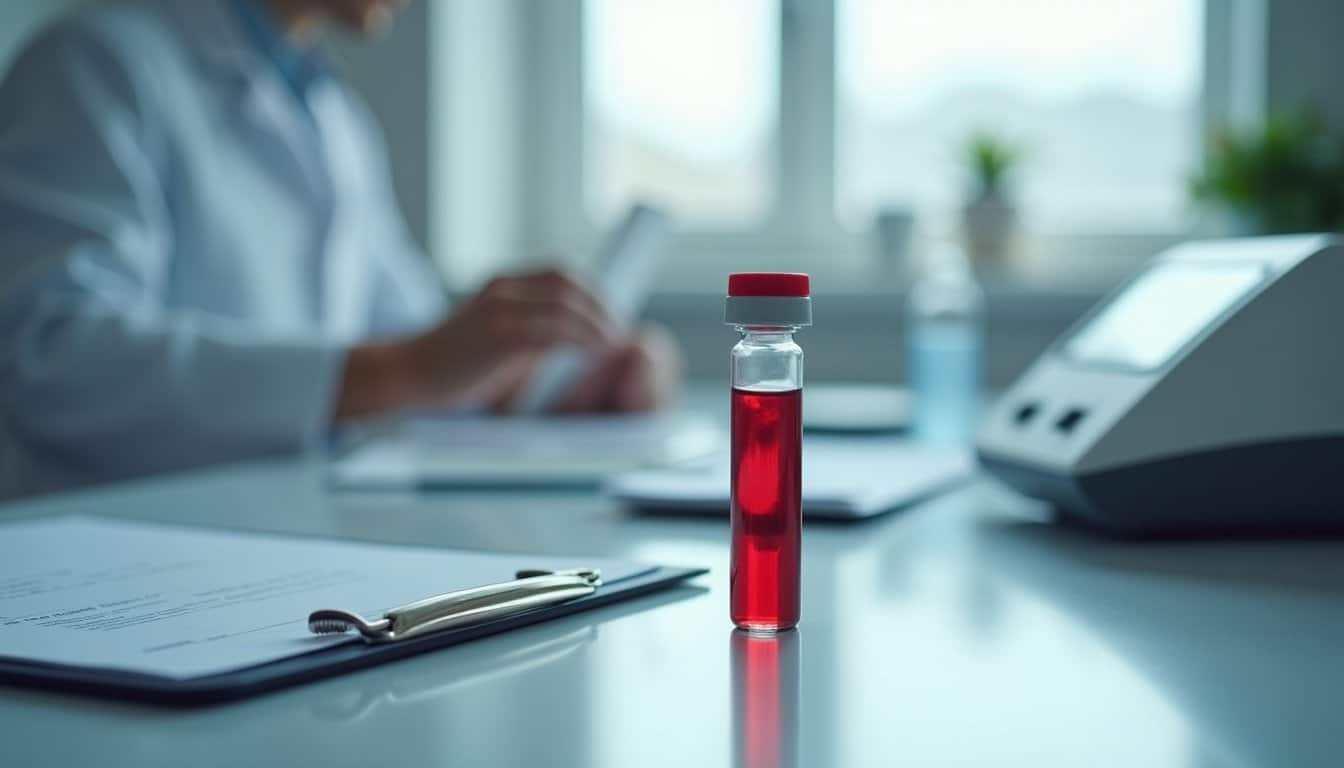
Blood sample analysis remains the most definitive method for measuring alcohol tolerance and blood alcohol concentration (BAC) in clinical settings. Gas chromatography stands as the gold standard, offering the highest precision for forensic and medical documentation, though it requires specialized laboratory equipment and trained personnel. The method effectively converts ethanol into acetaldehyde and acetic acid through enzymatic breakdown for accurate measurement. For optimal quality control, technicians must achieve density measurements with 0.02% accuracy to meet regulatory standards. At concentrations exceeding 250 mg/dL, severe impairment and potential respiratory depression can occur.
When you’re submitting blood samples, proper sample handling techniques and storage considerations are pivotal. The process demands thorough attention to chain of custody procedures and adequate sample volumes to guarantee accurate results. You’ll find that rapid testing devices like Albio can deliver results in 25 seconds using just 0.6 μL of blood, while laboratory analysis may take hours or days.
For chronic alcohol use assessment, PEth testing offers a unique advantage with its 3-4 week detection window and high specificity, making it particularly valuable for substance abuse monitoring and pre-transplant evaluations.
Metabolic Rate Testing Protocols
Multiple scientific protocols exist for measuring metabolic rates and alcohol tolerance, with genetic testing serving as a cornerstone of modern assessment methods. Your ADH1C gene variants reveal vital information about metabolic efficiency evaluation, determining whether you’re a fast (AA variant) or slow (GG variant) metabolizer. DNA samples are collected through buccal swabs, making the testing process simple and non-invasive.
Oxidative capacity analysis involves measuring enzyme activities, particularly ADH, CYP2E1, and ALDH2, to assess your body’s alcohol processing capabilities. The presence of increased cytokine levels can significantly impact how the body processes and develops tolerance to alcohol. Studies show that women demonstrate faster elimination rates when adjusted for lean body mass compared to men. You’ll undergo tests that examine your mitochondrial function and hepatic enzyme profiles, which determine how efficiently your liver metabolizes alcohol. The standard elimination rate of 0.5-0.6 oz per hour serves as a baseline, though chronic users often show amplified rates. Your NADH reoxidation capacity and shuttle mechanism efficiency are also evaluated through specialized biochemical marker analysis protocols. Oxidative capacity analysis involves measuring enzyme activity, particularly ADH, CYP2E1, and ALDH2, to evaluate your body’s ability to process alcohol. Elevated cytokine levels can further influence metabolic pathways and help explain how does the body develop alcohol tolerance, as chronic exposure drives enzymatic upregulation and inflammatory adaptation. Research shows that women demonstrate faster alcohol elimination rates when adjusted for lean body mass compared to men. Clinical assessments may also examine mitochondrial function and hepatic enzyme profiles, which determine how efficiently the liver metabolizes alcohol. While a standard elimination rate of 0.5, 0.6 oz per hour serves as a baseline, chronic users often exhibit higher rates due to metabolic adaptation. Additional evaluations of NADH reoxidation capacity and shuttle mechanism efficiency provide deeper insight into tolerance development through specialized biochemical marker analyses.
Real-Time Impairment Assessments
Modern real-time impairment assessment employs five distinct technological approaches to measure alcohol tolerance with unprecedented precision. You’ll encounter transdermal alcohol sensing through devices like WrisTAS™ 7, which measures ethanol vapor from your skin every 5-30 minutes while worn like a watch. Mobile-based momentary assessments utilize smartphone applications to collect real-time data through timed text messages and sensor integration.
Interactive voice response systems provide quick, daily assessments through touch-tone navigation, while breath analysis systems can perform up to 120 contactless tests per hour. Biomarker testing directly measures blood alcohol content for up to 12 hours post-consumption. These methods allow researchers to track your tolerance levels continuously, capturing behavioral patterns and physiological responses throughout drinking events with clinical accuracy. The integration of just-in-time adaptive interventions enables researchers to provide immediate support when signs of potential alcohol misuse are detected.
Professional Testing Equipment and Technology
Professional alcohol testing relies on sophisticated equipment designed with precision measurement capabilities and regulatory compliance features. You’ll find leading devices utilize either fuel cell sensors with platinum electrochemical cells or infrared spectrometry technology for precise detection. Modern instruments offer exhaustive data logging options and automated testing capabilities, allowing up to 12 tests per minute. Industry-leading EBTs feature secure wireless printing for maximum testing mobility. Many labs also utilize glass test jars for additional measurement accuracy.
Today’s professional breathalyzers incorporate advanced security measures, including password protection and lockout features. They’re equipped with USB-C connectivity for efficient data transfer and compliance reporting. The equipment meets strict DOT regulations and maintains accuracy through NIST-traceable calibration standards. You’ll notice these devices feature full character displays, LED indicators, and acoustic signals to guarantee proper testing procedures. Most units can store up to 500 test results while providing both direct BAC measurements and passive screening capabilities.
Field Testing Vs Laboratory Analysis
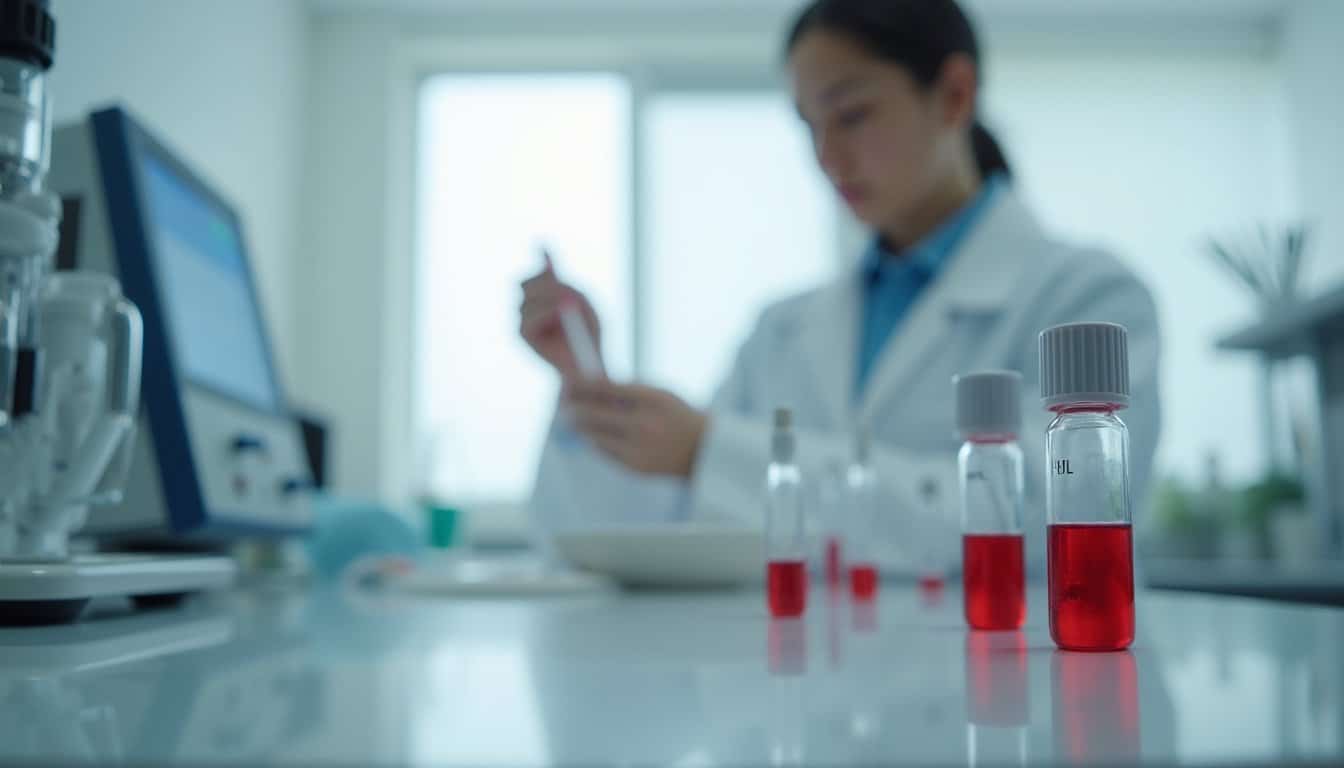
Two distinct approaches define alcohol testing methodologies: field testing for immediate results and laboratory analysis for thorough evaluation. You’ll find field testing provides instant BAC readings through breathalyzers and saliva tests, while laboratory analysis reveals historical data patterns through biomarkers like GGT and CDT.
| Aspect | Field Testing | Laboratory Analysis |
|---|---|---|
| Speed | Immediate results | Days for processing |
| Accuracy | Good for screening | Highest precision |
| Privacy concerns | Minimal invasion | Requires blood/urine |
| Detection window | Current state only | Days to weeks |
| Usage setting | Law enforcement/workplace | Medical/legal proceedings |
While field tests serve as vital screening tools for immediate assessment, laboratory analysis offers extensive evaluation of drinking patterns and metabolite presence. You’ll need lab confirmation for legal proceedings, making both methods essential components of professional alcohol testing protocols.
Biomarkers and Metabolite Detection Systems
Sophisticated biomarker detection systems utilize both direct and indirect metabolite measurements to assess alcohol consumption patterns and exposure levels. Advanced biomarker profiling employs predictive analytics for disease risk assessment through multiple detection pathways.
Key metabolite detection methods include:
- EtG and EtS testing for recent alcohol consumption through direct metabolite identification
- PEth and FAEE analysis for specific ethanol product measurement
- CDT monitoring as an FDA-approved marker for moderate to heavy drinking
- RNA-based transcriptome analysis identifying unique peripheral signatures
These biomarkers provide precise, objective measurements of alcohol use patterns, with varying detection windows and sensitivity levels. You’ll find that modern testing combines multiple markers to create exhaustive profiles, enhancing diagnostic accuracy and enabling detailed consumption pattern analysis through clinical laboratory assessment.
Legal Standards and Regulatory Guidelines
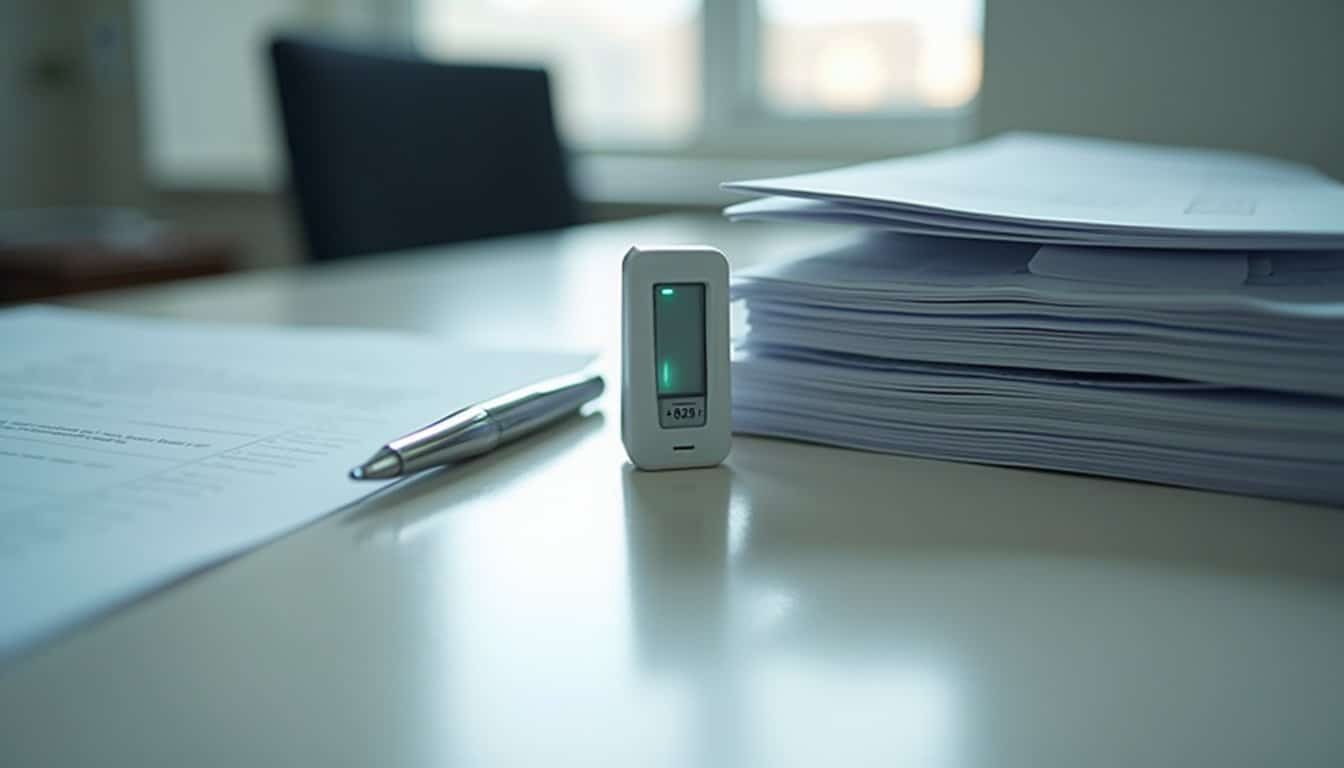
Legal standards governing alcohol testing involve multiple tiers of regulatory oversight, from federal transportation guidelines to state-specific DUI enforcement protocols. You’ll find that BAC limits vary by driver category, with commercial operators facing stricter 0.04% thresholds compared to the general public’s 0.08%. During evidentiary hearings, testing procedures must meet rigorous certification requirements, including NHTSA-approved devices and proper consent procedures.
For commercial drivers, the Federal Motor Carrier Safety Administration mandates specific testing protocols, requiring confirmation tests within 30 minutes of screening. You must use evidential breath testing devices that can distinguish alcohol from acetone at 0.02 concentration levels. All results require documentation in triplicate with sequential numbering, while blood testing remains the gold standard for legal proceedings.
Advanced Testing Protocols in Medical Settings
Modern medical settings employ five distinct categories of alcohol testing protocols: biomarker analysis, enzyme-based detection, continuous monitoring, multi-modal approaches, and laboratory specifications. These integrated testing approaches deliver exhaustive assessment capabilities for medical professionals.
Key clinical testing protocols include:
- Biomarker analysis using PEth and EtG, providing detection windows from hours to days
- Multi-modal testing combining blood, saliva, and urine samples for heightened accuracy
- Fingernail and toenail testing for extended historical consumption patterns
- Continuous monitoring through SCRAM devices for real-time transdermal measurements
These advanced protocols enable medical professionals to detect diverse types of alcohol consumption, from acute intoxication to chronic use patterns. The combination of multiple testing modalities guarantees higher accuracy and more reliable results for treatment planning and monitoring purposes.
Long-Term Alcohol Consumption Assessment
Long-term alcohol consumption assessment relies on a multi-faceted approach combining standardized questionnaires, laboratory biomarkers, and clinical evaluations. You’ll encounter different screening questionnaires that measure alcohol consumption patterns with varying levels of efficacy. Long-term alcohol consumption assessment relies on a multifaceted approach that combines standardized questionnaires, laboratory biomarkers, and clinical evaluations. These tools are designed to capture patterns of use, physiological adaptation, and alcohol tolerance change over time, allowing clinicians to distinguish between occasional use, escalating consumption, and dependence with greater accuracy. Long-term alcohol consumption assessment relies on a multifaceted approach that combines standardized questionnaires, laboratory biomarkers, and clinical evaluations. You’ll encounter screening tools that measure drinking patterns with varying levels of sensitivity, alongside biomarkers that reflect physiological adaptation and alcohol tolerance change over time. This comprehensive evaluation is especially relevant when considering the alcohol tolerance level for driving, as clinical tolerance does not equate to legal or functional safety, and helps clinicians distinguish between occasional use, escalating consumption, and dependence with greater accuracy.
| Tool | Questions | Assessment Focus |
|---|---|---|
| AUDIT | 10 | Thorough evaluation |
| AUDIT-C | 3 | Consumption frequency |
| MAST | 25 | Lifetime patterns |
| CAGE | 4 | Dependence detection |
| SASQ | 1 | Heavy drinking days |
Your healthcare provider will supplement these questionnaires with laboratory biomarkers like GGT and MCV, which provide objective measures of heavy drinking over weeks to months. These tests’ half-lives allow tracking of abstinence progress, though they’re most effective when combined with clinical history and standardized assessments to create a complete picture of your long-term consumption patterns.
Workplace Safety and Compliance Testing
Workplace alcohol testing employs multiple methods, including breath, saliva, and blood analysis, with breath testing being the most widely used due to its immediate results and non-invasive nature. You’ll find that random screening protocols typically utilize breathalyzers for routine safety checks, while post-incident testing requires immediate breath analysis to determine potential impairment. Professional testing standards mandate specific BAC thresholds, with most workplace policies adopting the 0.04% limit established by the Canadian Model, requiring certified technicians and calibrated equipment to verify accurate impairment assessment.
Testing Methods And Standards
Professional alcohol testing in workplace environments relies on several standardized methods, each offering distinct advantages for different testing scenarios. From portable test kits to sophisticated consumer testing devices, modern technology enables accurate measurement of alcohol levels across multiple biological matrices.
Testing protocols typically follow these established standards:
- Breath alcohol testing provides immediate BAC results through DOT-approved devices requiring regular calibration
- Blood testing delivers the highest accuracy for current impairment assessment with a 24-hour detection window
- Urine-based EtG testing extends detection capabilities up to 5 days post-consumption
- Saliva testing offers non-invasive screening with results closely corresponding to blood levels
Each method meets specific regulatory requirements while maintaining chain of custody procedures essential for workplace compliance and legal proceedings.
Random Screening Best Practices
While standardized testing methods form the foundation of alcohol screening programs, implementing effective random testing protocols requires painstaking planning and precise execution. You’ll need to establish unpredictable testing patterns throughout the year while considering specific timing considerations for safety-sensitive positions.
Effective documentation is indispensable for your random screening program. You must record all observable signs of intoxication, including physical indicators and behavioral patterns. When receiving reports of potential substance use, document co-worker statements and identify possible witnesses. You’ll also need to maintain detailed records of testing procedures and results while ensuring strict confidentiality.
You should partner with qualified laboratories and clearly define violation thresholds in your policies. Remember to outline specific testing protocols in employee handbooks and consistently apply them across your organization.
Impairment Risk Assessment Protocols
Four essential components form the foundation of impairment risk assessment protocols: fitness-for-duty criteria, quantitative measurement tools, testing implementation procedures, and reasonable suspicion documentation.
Early warning signs of impairment require systematic evaluation through standardized protocols that protect both employer and employee interests. You’ll need to implement these key assessment measures:
- BOAS protocol monitoring (Behavior, Odor, Appearance, Speech)
- Computer-based testing systems detecting blood alcohol levels as low as 0.05%
- Documentation of observable physical indicators, including coordination and speech patterns
- Analysis of workplace attendance patterns and healthcare utilization trends
When assessment results indicate potential impairment, employee assistance programs offer intervention pathways while maintaining compliance with state-specific testing requirements. This methodical approach guarantees consistent evaluation standards across different workplace settings while supporting both safety and rehabilitation objectives.
Most people never imagine a day where their relationship with alcohol would need to be professionally tested and measured, but arriving at that moment often means something inside you already knows that what started casually has grown into something much harder to control. At outpatient drug rehab tampa, we understand how vulnerable and eye opening it can feel to have your alcohol tolerance evaluated by a professional, and how that process can finally put words and clarity to something you have been quietly living with for far too long. We connect you with experienced alcohol treatment centers and recovery resources, because understanding where your tolerance truly stands is not a judgment it is the beginning of finally getting the right kind of help your body and mind deserve. The right help is already out there waiting for you. Call 740-562-7398 today and let us help you take that first step toward healing.
Frequently Asked Questions
Does Genetic Inheritance Affect Individual Alcohol Tolerance Levels?
Yes, your genetic inheritance considerably impacts how you process and tolerate alcohol through metabolic rate differences. You’ll inherit specific genes like ADH1B and ALDH2 that control alcohol breakdown in your body. While your genes account for 40-60% of your alcohol tolerance, they don’t tell the whole story. Environmental exposures, including your drinking patterns and general health, work alongside your genetic predisposition to determine how you’ll respond to alcohol consumption.
Can Medications or Health Conditions Influence Alcohol Tolerance Test Results?
Yes, both medication interactions and underlying health conditions can substantially impact your alcohol tolerance test results. You’ll find that certain medications like antidepressants, anxiety drugs, and ulcer treatments can alter how your body processes alcohol. Moreover, conditions like GERD, liver disease, and diabetes can skew test readings. Your medications might increase blood alcohol content or impair your performance on sobriety tests, even without drinking alcohol.
How Often Should Professional Alcohol Tolerance Testing Be Repeated?
You’ll need 3 daily tests when starting an outpatient monitoring program, which can decrease to 2 tests daily after consistent favorable results. Testing procedures should continue for a minimum of 12 months, with frequency adjustments based on your weekly drinking patterns and risk factors. If you’re in a DOT-regulated position, you’ll require at least 6 random tests throughout the year. Testing frequency may increase to 4 daily tests if you face high-risk environmental triggers.
Do Different Types of Alcoholic Beverages Affect Tolerance Measurements Differently?
Yes, different alcoholic beverages can affect your tolerance measurements due to varying beverage alcohol content and beverage congener levels. You’ll show different physiological responses when consuming spirits versus beer or wine, even at equivalent pure alcohol amounts. Higher congener beverages like whiskey and red wine can intensify intoxication effects compared to lower congener drinks like vodka or gin, potentially impacting your measured tolerance levels during professional testing.
Can Psychological Factors Impact Measured Alcohol Tolerance During Testing?
Yes, psychological factors substantially affect your measured alcohol tolerance during testing. Your personal experiences, emotional state, and social biases can alter how you respond to and report alcohol effects. When you’re anxious or depressed during assessment, it’ll influence your baseline measurements and tolerance evaluation. Your coping mechanisms, self-reporting tendencies, and desire for social approval can skew test results, making it essential for clinicians to account for these psychological variables.