







Track marks are visible puncture wounds, scarring, and skin discoloration that develop when you repeatedly inject drugs into the same veins. They form because repeated trauma doesn’t allow adequate healing time, leading to chronic inflammation, collapsed veins, and scar tissue. Early marks resemble small punctures with minor bruising, while advanced stages show raised scars, open sores, and widespread discoloration. Understanding their progression and associated health risks can help you recognize when someone needs support. As individuals begin to heal and seek treatment, many may wonder do needle marks go away over time. Factors such as skin type, healing practices, and overall health can influence the duration of these marks. Professional medical advice can provide guidance on effective treatment options to minimize their appearance and improve skin health.
What Are Track Marks From Drug Use?
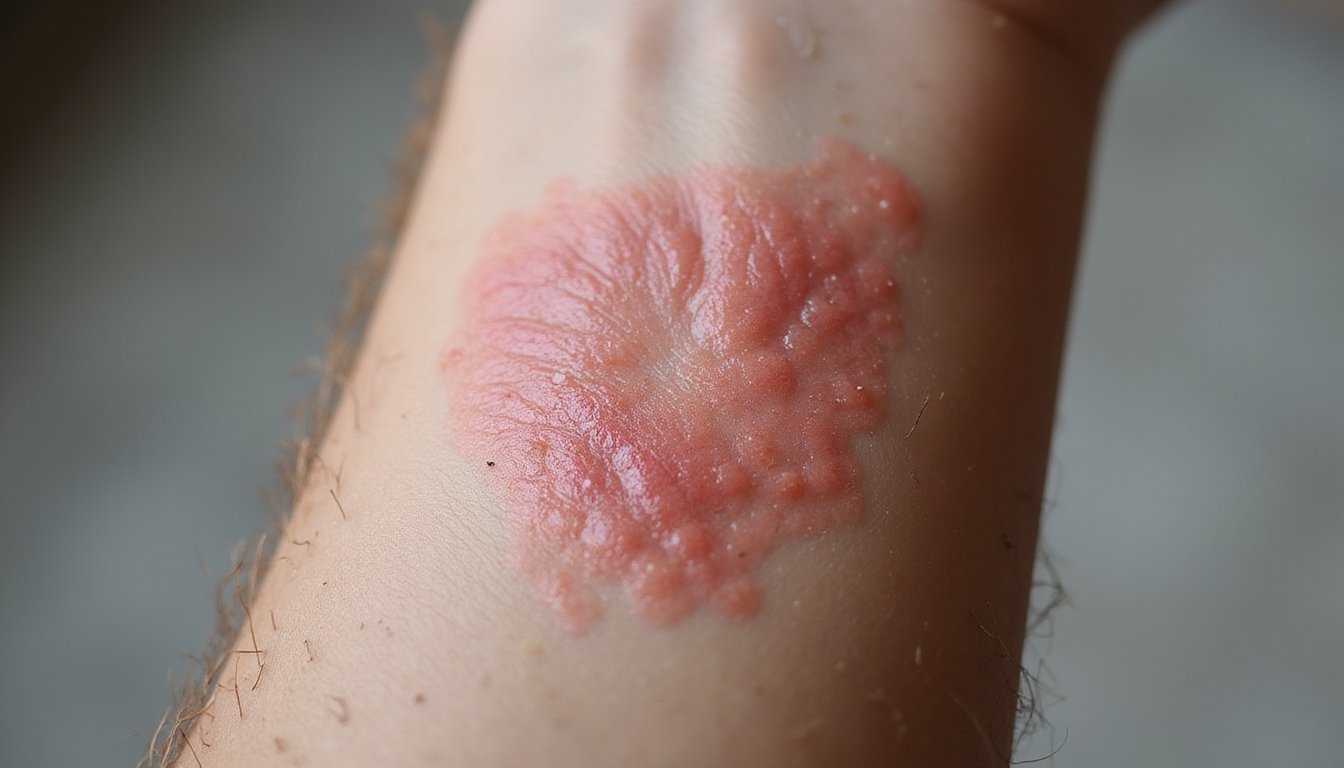
Track marks are visible puncture wounds and skin changes that develop from repeated intravenous drug injection. When you inject substances directly into your veins, you create needle marks that accumulate over time. These injection marks, medically termed venipuncture marks, indicate ongoing IV drug use.
With continued intravenous drug use, your body can’t heal properly between injections. The repeated trauma causes progressive vein damage, leading to scarring and permanent skin damage. Initially, you’ll notice small puncture points, but these evolve into pronounced scars as tissue breaks down. Common substances administered this way include opioids, amphetamines, and cocaine.
Track marks serve as physical evidence of substance abuse and signal serious health risks. Using old or shared needles significantly increases the risk of contracting hepatitis B, hepatitis C, and skin infections. Recognizing these signs early can help reduce complications and connect individuals to appropriate care. If you recognize these signs on yourself or someone you care about, seeking medical evaluation and addiction treatment is essential.
Why Track Marks Form From Repeated Injection
Understanding what track marks are leads naturally to examining why they develop in the first place. When you inject substances, each skin puncture creates immediate tissue trauma that your body attempts to repair. With repeated injections into the same sites, you don’t allow adequate healing time between uses.
This cycle of ongoing vein and tissue damage triggers chronic inflammation, causing redness, swelling, and tenderness. Your body responds by forming scar tissue around damaged areas. Over time, collapsed veins develop as vessels can no longer withstand the trauma. These damaged veins result in restricted blood flow and painful circulatory complications throughout the affected areas.
Poor injection technique and contaminant introduction compound these effects. Non-sterile needles allow bacteria entry, leading to skin infections like cellulitis and abscesses. These infections can progress to serious complications including bacteremia and endocarditis if left untreated. When crushed prescription tablets are injected, filler agents like cellulose, talc, and cornstarch become trapped in tissues and blood vessels, worsening inflammation. Each factor, puncture trauma, repetitive use, scarring, and infection, contributes to the distinctive track marks pattern.
What Track Marks Look Like at Each Stage
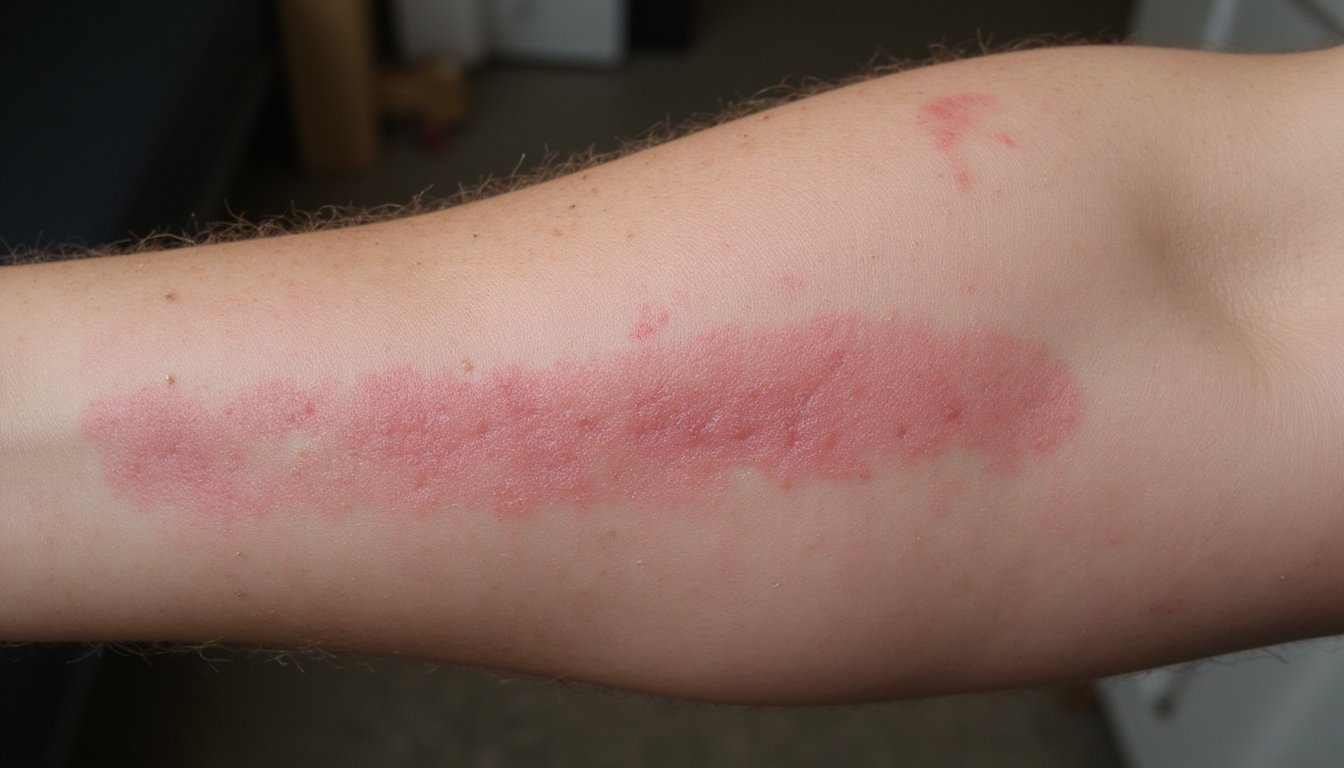
When you first begin injecting, you’ll notice small red dots or pinprick marks at injection sites, accompanied by minor bruising in shades of blue, purple, or yellow and slight swelling or tenderness around the area. As drug use continues into advanced stages, these marks transform dramatically into raised scar tissue, collapsed veins that feel ropelike under your skin, and potentially ulcerous lesions or open abscesses requiring medical attention. Once arm veins become too damaged, many individuals turn to injecting in their legs, resulting in clusters of bruises and prominent scarring in those areas. Some people attempt to hide these visible signs by switching to less noticeable injection sites like between their fingers or on their feet. Over time, older track marks heal into small, puckered white scars that may fade but never completely disappear. Understanding how track marks progress helps you recognize the severity of physical damage and the urgency for seeking treatment.
Early Stage Appearance
During the earliest stages of intravenous drug use, track marks often bear a striking resemblance to routine medical injection sites, small red dots or puncture wounds that don’t immediately signal substance abuse. You’ll notice minimal redness and swelling surrounding the injection site, with marks typically ranging from pinhead to dime-sized in diameter.
At this stage, discoloration remains subtle or absent entirely. However, if you detect warmth at the puncture site, infection may be developing. Minor bruising can appear around wounds due to compromised blood flow and vascular trauma from needle insertion.
These early marks are easily dismissed as minor skin injuries or confused with skin popping attempts. Common injection sites include the inner arms, hands, and feet, where veins are most accessible. Without intervention, continued use transforms these seemingly innocuous puncture wounds into progressively severe tissue damage.
Advanced Stage Characteristics
Advanced stage track marks display five distinct characteristics that signal prolonged intravenous drug use and severe tissue damage.
You’ll notice raised scar tissue forming thickened, hardened areas along veins, creating permanent chronic skin damage that persists even after cessation. Collapsed veins appear as dark, ropelike lines beneath your skin, causing pain and compromising future venous access for medical treatments. These damaged veins often show indentation or weakness at previous injection sites.
Widespread discoloration develops as hyperpigmentation creates brown, purple, or bluish hues along vein paths. Open sores and abscesses indicate severe infection risk, presenting with pus, blistering, and crusted areas requiring immediate medical attention. Studies show that skin and soft tissue infections occur in approximately 74% of cases involving advanced track marks.
Track marks form clustered patterns from multiple injection attempts or sequential patterns following linear vein paths. These concentrated puncture sites, particularly in elbow creases, worsen progressively with continued use.
Where Track Marks Appear on the Body
Track marks can appear virtually anywhere on the body where accessible veins exist, though certain locations remain far more common than others. The inner arm, particularly the antecubital vein near the elbow, serves as the primary injection site due to visible veins close to the skin’s surface. You’ll notice track marks here as scabs, puncture wounds, bruising, and skin discoloration along vein pathways.
When arm veins collapse, users move to hands, legs, and feet. The back of hands shows inflammation and lesions that heal slowly due to constant movement. Legs display marks along the femur, calf, or upper thigh, while feet, especially between toes, offer concealment. Rotating injection sites doesn’t prevent damage; it simply spreads it across multiple locations as vein deterioration progresses.
Track Marks vs. Medical Injection Sites
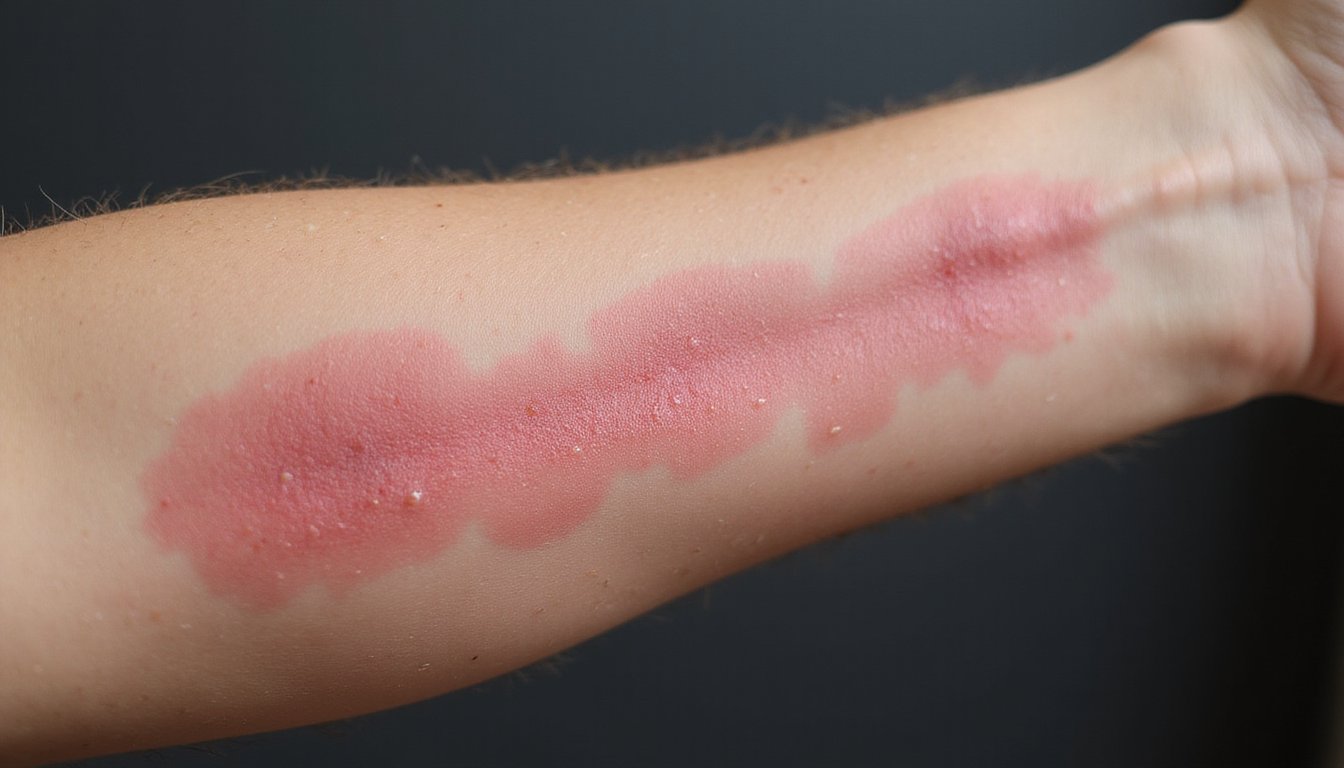
When you’re trying to distinguish track marks from medical injection sites, you’ll notice key differences in pattern, healing, and puncture frequency. Medical injections occur at standardized locations with single, clean punctures that heal quickly and leave minimal scarring, while track marks form clustered, linear patterns along vein paths with repeated trauma that creates permanent scarring. Track marks are most commonly found on forearms and inner elbow creases where veins are easily accessible. Understanding these distinctions can help you recognize signs of IV drug use in yourself or someone you care about.
Pattern and Location Differences
Distinguishing between track marks and medical injection sites requires understanding their characteristic patterns and typical locations. Track marks follow linear arrangements along vein paths, with clusters forming from repeated puncture wounds at the same vein access points. You’ll notice irregular spacing, darkened raised lines, and accompanying bruising, scabs, or abscesses.
Medical venipuncture creates isolated single punctures without linear repetition. These injection sites show minimal discoloration due to sterile technique and fade rapidly with proper care.
Track marks typically appear on inner forearms initially, then shift to hands, legs, feet, groin, or neck as concealment becomes necessary and veins collapse. Medical injection sites remain in standard clinical areas, primarily the antecubital fossa. These visible signs differ vastly in permanence, with track marks darkening from impurities and repeated trauma.
Healing and Scarring Variations
Beyond recognizing where these marks appear, understanding how they heal reveals equally telling differences between drug-related injuries and medical punctures. Track marks progress through distinct stages: fresh wounds show redness and swelling, then develop bruising and scabbing, eventually forming raised scar tissue with persistent skin discoloration. This prolonged healing process results from repeated trauma, poor hygiene, and infection risk.
Medical injections follow a dramatically different path when sterile technique guides the procedure:
- Small punctures close within hours without significant bruising
- Redness fades within days, requiring no scabbing
- Complete healing occurs in one to two weeks with proper aftercare
- Resulting scars remain flat, pale, and isolated
The scarring variations between these two scenarios reflect vein damage severity and infection exposure that drug use inevitably creates.
Frequency of Puncture Wounds
How frequently puncture wounds appear offers one of the clearest distinctions between track marks and medical injection sites. When you examine sequential track marks, you’ll notice linear patterns along veins from repeated punctures in the same area. Cluster track marks develop when multiple attempts miss the vein, often caused by poor technique or dull needles.
Track marks vs medical sites show striking differences in puncture density. Medical injections produce single, clean punctures that heal evenly, while injection site rotation from drug use creates numerous localized punctures with frequent trauma. Vein damage accumulates rapidly with daily use, forcing rotation to new sites every few weeks. Medical sites remain isolated without the bruising, discoloration, and scarring that characterize repeated punctures from intravenous drug use. When veins become collapsed or damaged, individuals may begin injecting in less visible areas such as the thighs, calves, or feet to conceal their drug use.
Signs Someone May Be Hiding Track Marks
When someone struggles with IV drug addiction, they often develop elaborate strategies to conceal the physical evidence from family, friends, and healthcare providers. You’ll notice persistent clothing choices, long sleeves and gloves worn regardless of temperature, or bandages claiming minor injuries. Some apply makeup to mask discoloration on their arms and legs.
Watch for these behavioral warning signs:
- Secretive lifestyle patterns, including frequent isolation or locked doors
- Declining workplace performance or academic performance without explanation
- Neglected personal hygiene despite previous attention to appearance
- Resistance to physical contact or situations requiring exposed skin
These concealment tactics often intensify as addiction progresses. As veins in the arms become damaged, users often move to less obvious injection sites such as between the toes, on the legs, or other hidden areas to avoid detection. The effort required to hide track marks typically creates additional stress, compounding existing struggles. When left untreated, track marks can lead to severe complications requiring medical attention, making early intervention even more critical. Recognizing these patterns early provides opportunities for compassionate intervention and connection to treatment resources.
Health Dangers Linked to Track Marks
The physical signs of IV drug use signal far more than visible damage, they represent serious medical emergencies developing beneath the skin. Track marks indicate your body’s fighting skin infections, with staph aureus causing 80% of these cases. Without treatment, injection site reactions progress to sepsis, a life-threatening bloodstream infection.
You’re also risking permanent vein damage. Repeated punctures cause veins to collapse, harden, and become unusable. Blood clots form at damaged sites and can travel to your lungs, proving fatal.
Shared needles transmit hepatitis B, hepatitis C, and HIV directly into your bloodstream. Contaminated equipment introduces bacteria that cause endocarditis, a potentially deadly heart valve infection. Left untreated, these complications lead to organ failure, making immediate medical intervention critical.
Do Track Marks Heal Over Time?
Although track marks may seem permanent, your body possesses remarkable healing capacity once you stop injecting drugs. Your skin continuously repairs itself, with mild puncture wounds healing within days and bruising resolving within one week. However, several factors influence your recovery timeline:
- Needle hygiene directly impacts how quickly your injection site heals
- Injection frequency determines the extent of physical damage requiring repair
- Individual healing capacity varies based on nutrition and overall health
- Ongoing drug use greatly prolongs scarring persistence
Minor track marks typically fade within months, while your skin continues improving for up to two years post-injury. Deep scarring may remain visible indefinitely without treatment. Laser therapy, scar revision, and topical medications can lessen visibility, supporting your recovery journey toward restored skin appearance.
How to Help Someone With Track Marks
Discovering track marks on someone you care about can feel overwhelming, but your response in this moment matters greatly for their path toward recovery. Approach the conversation without judgment, as accusations often trigger defensiveness and withdrawal.
| Recognition Signs | Health Risks | Support Actions |
|---|---|---|
| Track marks at injection sites | Skin infections, vein damage | Connect to addiction treatment |
| Behavioral changes, secrecy | Bloodborne diseases (HIV, hepatitis) | Offer harm reduction resources |
| Withdrawal symptoms | Sepsis, endocarditis | Provide ongoing recovery support |
You’ll want to express concern from a place of care while highlighting serious medical risks. Suggest professional evaluation for infections or vein damage immediately. Encourage harm reduction strategies if they’re not ready for treatment, and remain a consistent source of recovery support throughout their journey.
We Are Here to Help You Heal
Track marks are more than a physical sign, they are a signal that the body needs care and support. At Tampa Outpatient Detox, we connect you with licensed detox centers in Tampa offering Outpatient Detox Programs to help you address substance use and take the first step toward better health. Call (740) 562-7398 today and start your journey toward a healthier life.
Frequently Asked Questions
Can Track Marks Be Mistaken for Self-Harm Scars or Other Skin Conditions?
Yes, you can mistake track marks for self-harm scars or other skin conditions. Track marks follow vein paths with circular puncture wounds and surrounding bruising, while self-harm scars typically show parallel, superficial lines in hidden areas without vein alignment. You might also confuse track marks with bruises, cellulitis, keloids, or hyperpigmentation. Key distinctions include vein collapse, linear clustering over injection sites, and delayed healing patterns unique to intravenous drug use.
How Long After Stopping Drug Use Do Track Marks Take to Fade?
Your track marks’ healing timeline depends on several factors. Mild puncture wounds typically heal within days to a week, while bruising resolves in one to two weeks. Older marks without re-puncturing can fade nearly invisibly over time. However, repeated injections often cause permanent scarring that won’t fully disappear. You can support healing through proper nutrition, wound care with medicated ointments, and topical scar-reduction products. For deeper scars, laser therapy may help reduce visibility.
Are Some People More Prone to Developing Visible Track Marks Than Others?
Yes, you’re more likely to develop visible track marks based on several individual factors. Your skin type, circulation quality, and natural healing ability all influence how prominently marks appear. If you have compromised immunity or poor nutrition, your body struggles to repair tissue damage. Additionally, your injection technique matters, missed shots and repeated punctures in identical sites prevent proper healing. Research shows 74% of injecting drug users develop skin and soft tissue infections, further affecting visibility.
Can Track Marks Reopen or Become Infected Years After They Initially Formed?
Yes, track marks can reopen or become infected years after formation. Scar tissue remains weaker than healthy skin, making it vulnerable to splitting from minor trauma or physical stress. Latent bacteria from non-sterile needles may trigger abscesses long after initial use, while collapsed veins create poor circulation that enables dormant infections to emerge. If you’re experiencing complications from old injection sites, seeking medical evaluation can detect hidden infections requiring treatment.
Do Certain Injected Drugs Cause More Severe Track Marks Than Others?
Yes, certain drugs create more severe track marks than others. Heroin typically produces prominent marks due to repeated shallow vein access, causing dark bruises and linear scarring along injection sites. Thicker, more viscous substances damage veins faster, while high-frequency use accelerates collapse and keloid formation. However, your injection technique, needle sterility, and frequency matter greatly, poor hygiene with any substance dramatically worsens tissue damage, infections, and long-term scarring regardless of the drug you’re using.