







Track marks develop when you repeatedly inject substances into the same veins, causing cumulative trauma that prevents proper healing. They’re most commonly associated with IV drug use, particularly heroin, which accounts for approximately 89% of cases, but can also result from frequent medical blood draws or long-term intravenous treatments. The damage creates visible scarring, discoloration, and bruising along vein pathways. Understanding where these marks typically appear and their associated health risks can help you recognize warning signs. Track marks develop when you repeatedly inject substances into the same veins, causing cumulative trauma that prevents proper healing. They’re most commonly associated with IV drug use, particularly heroin, which accounts for approximately 89% of cases, but can also result from frequent medical blood draws or long-term intravenous treatments. The damage creates visible scarring, discoloration, and bruising along vein pathways.When an infected track mark develops, these visual signs are often accompanied by swelling, warmth, pain, or discharge, indicating a more serious underlying issue that requires prompt medical attention. Understanding where these marks typically appear and their associated health risks can help you recognize warning signs early.
What Are Track Marks and Why Do They Form?
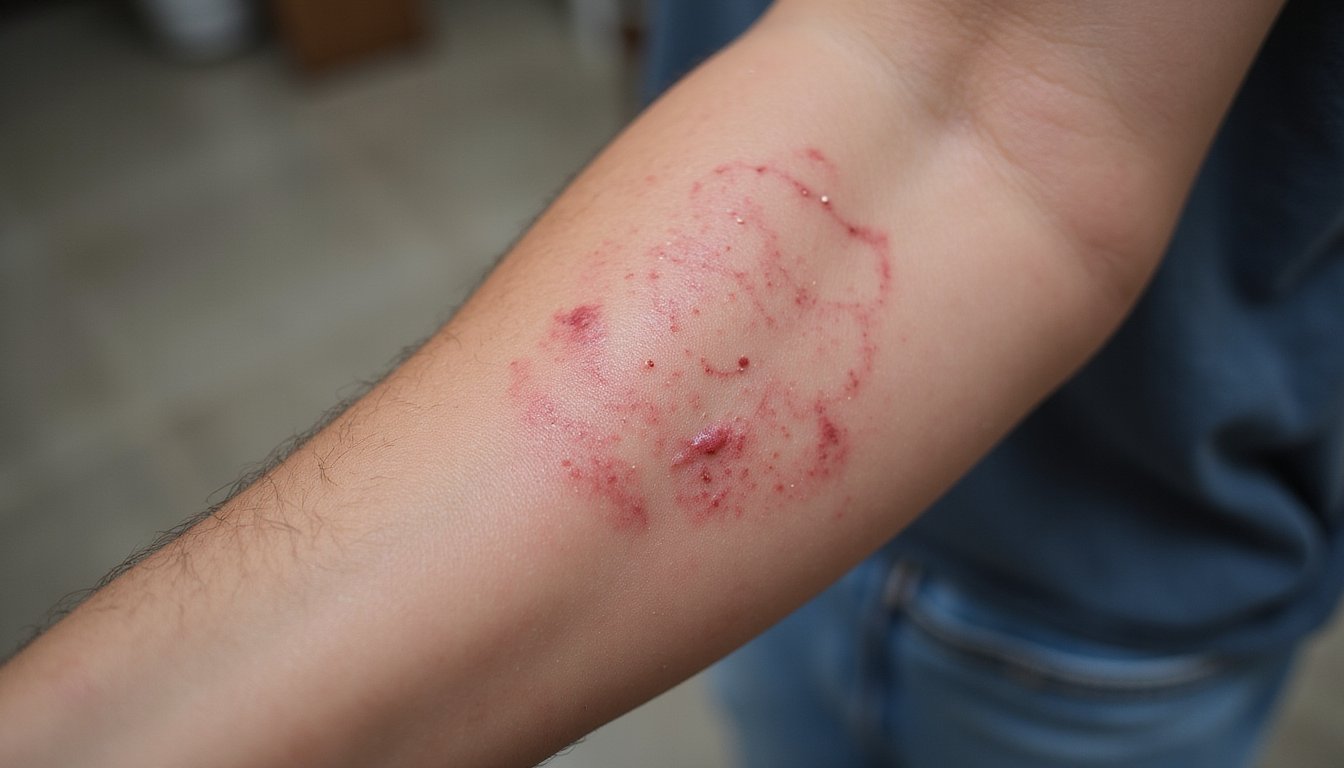
Track marks are visible scars or wounds that develop from repeated intravenous injections into the same veins. You’ll notice these marks appear as linear patterns following vein pathways, often showing discoloration, bruising, or darkened skin. They’re commonly associated with IV drug use, though medical procedures can produce similar markings. Additionally, some people may wonder what is a seed mark in track, which refers to a faint line or mark that can appear on the skin as a result of certain injection practices. These seed marks can often indicate frequent access to particular veins, making them an important consideration for health care providers.
When you repeatedly puncture the same injection sites, your body experiences cumulative trauma. This triggers inflammation, causing redness and swelling around the affected area. Blood vessel damage leads to bruising, while your healing response creates scar tissue buildup over time. Using old or shared needles significantly increases the risk of developing hepatitis B, hepatitis C, and serious skin infections.
As damage progresses, your veins may become hardened or thickened. You might observe raised scars, scabs, or clusters of puncture wounds on common sites like inner arms, hands, or legs. The legs often become a preferred injection site once arm veins become collapsed or too damaged to use effectively. In early stages, these puncture marks may resemble insect bites or minor scratches, making them easy to overlook before more serious damage develops.
How Do Needle Punctures Create Track Marks?
Understanding what track marks are leads naturally to examining the physical process behind their formation. When a needle penetrates your skin and vein wall, it creates a small entry wound that triggers immediate redness, swelling, and tenderness. These initial needle punctures appear as tiny red or purple dots.
If you repeatedly inject in the same location, your body can’t properly heal between punctures. This continuous trauma darkens the skin, produces bruising, and causes blood to leak into surrounding tissues. The vein wall becomes inflamed from ongoing damage. These injuries are unlikely to self-repair due to the low metabolic activity of cells in the affected tissue. Using dull or dirty needles can intensify this damage and make track marks more pronounced. Moving the needle during injection or missing the vein entirely can create multiple puncture wounds from a single attempt.
Over time, repeated needle punctures cause scar tissue to develop along the vein. Track marks evolve from acute wounds into permanent linear scarring patterns. Eventually, pale pink or white scars replace the initial discoloration, marking chronic vascular damage.
Which Drugs Are Most Likely to Cause Track Marks?
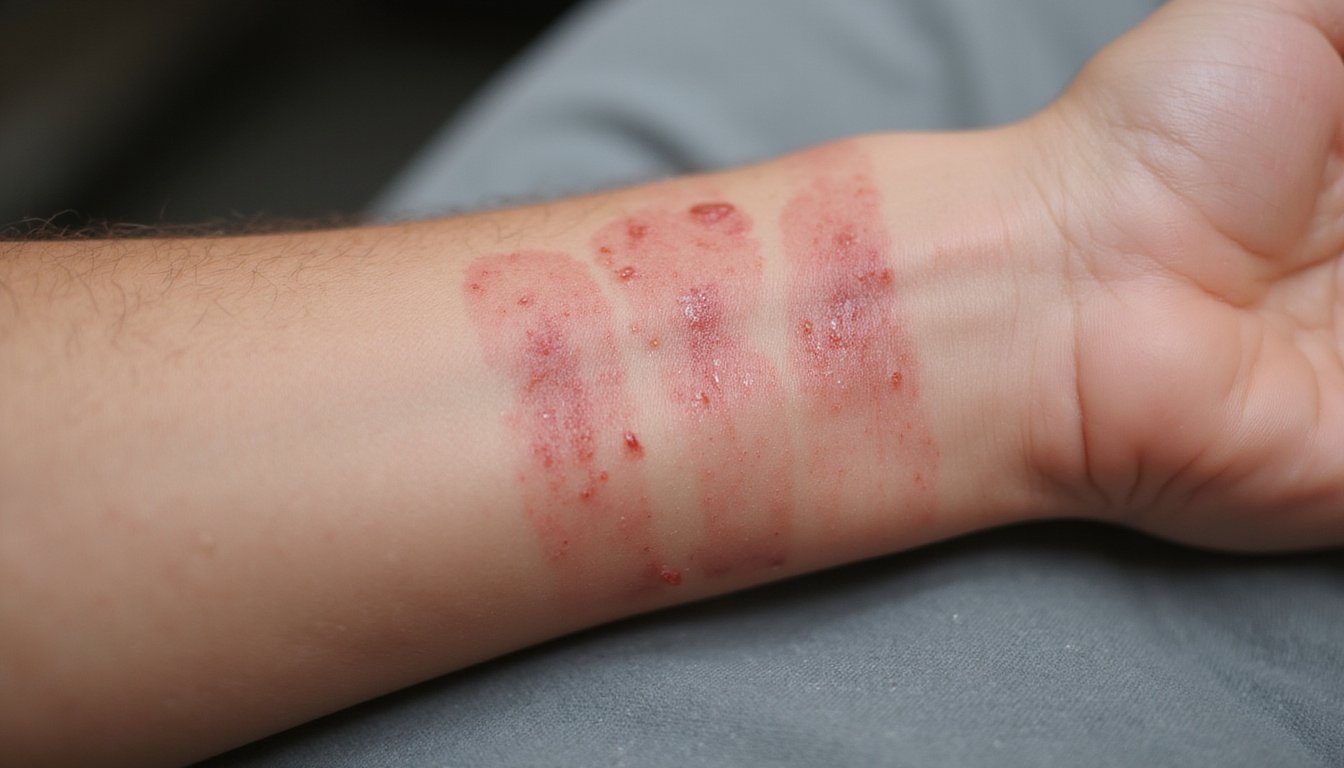
Because injection drug use creates repetitive vein trauma, certain substances appear more frequently in clinical presentations of track marks. Heroin track marks account for approximately 89% of cases among injection drug users, presenting as sclerosed vessels with hyperpigmentation that evolves from puncture marks to darkened linear scars.
Meth track marks develop from repeated tissue trauma, causing discoloration, poor healing, and raised scarring. You’ll notice these commonly on accessible veins like the inner elbow.
Cocaine, often combined with heroin, contributes to 8% of cutaneous lesions, while fentanyl’s rapid onset drives frequent same-site injections that accelerate vein damage. Prescription opioids and amphetamines, when crushed and injected, produce similar patterns. Chronic users with over 10,000 injections represent 62% of severe cases, demonstrating how frequency intensifies scarring. When unsterile injection practices are used, these track marks often become complicated by localized infections that manifest as redness, warmth, swelling, and pus at injection sites. Beyond the physical damage, the visible nature of track marks often creates profound shame and isolation that can become a significant barrier to seeking treatment.
Where Do Track Marks Usually Appear on the Body?
When individuals inject substances repeatedly, specific anatomical locations become predictable targets based on vein accessibility and concealment needs. IV drug use track marks typically appear first in the inner elbow where the antecubital vein offers easy access. As these sites become damaged, you’ll observe injection track marks progressing to forearms, hands, and eventually lower extremities.
| Primary Sites | Secondary Sites |
|---|---|
| Inner elbow | Back of hands |
| Forearms | Upper thighs |
| Lower arms | Feet and toes |
| Wrist area | Groin region |
| Visible arm veins | Neck veins |
Concealed locations like thighs and groin become preferred when avoiding detection matters. Feet present healing challenges due to friction and bacterial exposure, increasing infection rates substantially. Cluster track marks often develop in these secondary sites when veins are missed or become increasingly difficult to access due to prior damage. The marks typically follow a line down the limb, tracking the path of a vein as users repeatedly target the same blood vessel for injection access. These visible wounds create elevated risk of bloodstream infections, making medical attention essential when signs of redness, swelling, or warmth appear at injection locations.
How Do Track Marks Change Over Time?
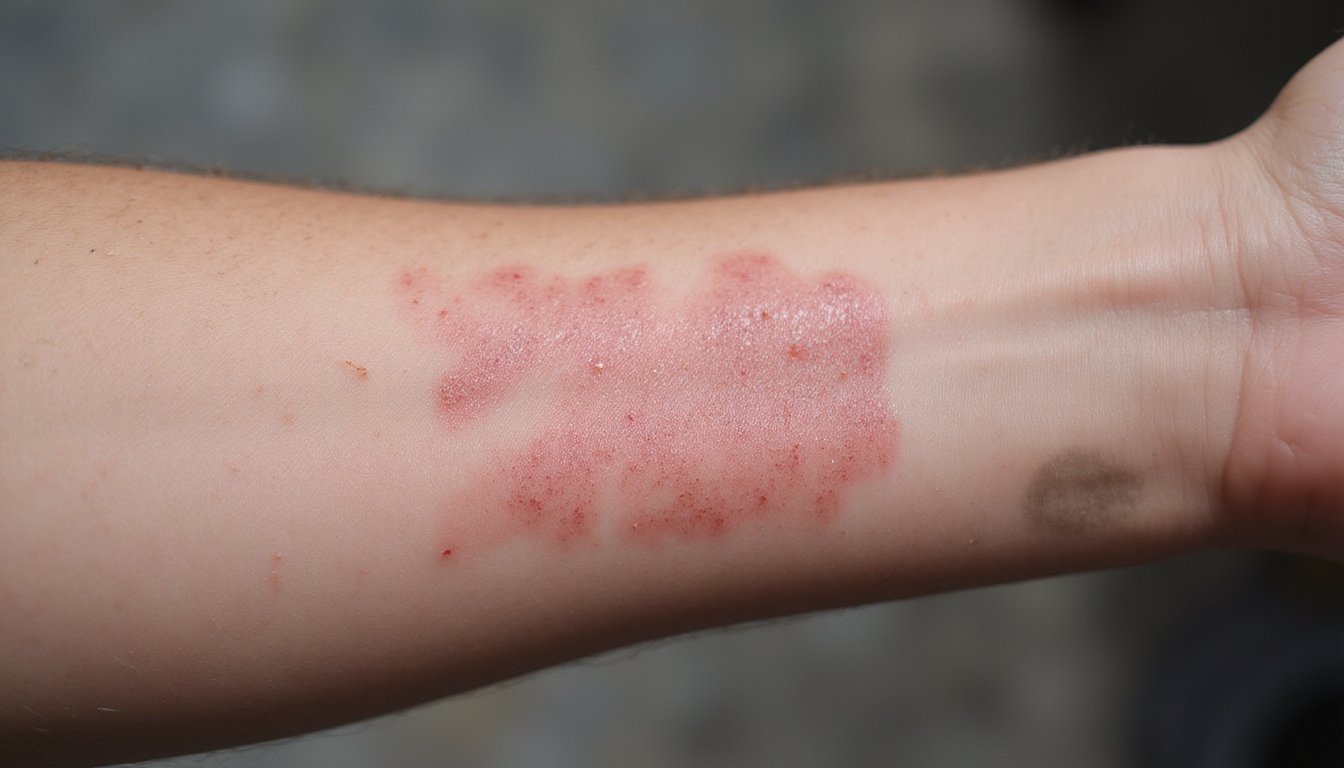
Track marks progress through distinct phases that reflect cumulative tissue damage and the body’s healing response.
In early stages, you’ll notice small red dots resembling routine medical injections, accompanied by minor bruising and tenderness. These fresh needle marks from drugs typically fade within weeks if injections stop.
With continued use, track marks enter a moderate stage. You’ll observe darkening pigmentation, linear scars following vein pathways, and clustered puncture sites with bruising at various healing stages. Veins may harden or collapse from repeated trauma.
Advanced track marks present permanent changes, including raised scar tissue, discoloration ranging from dark brown to silvery white, and visible collapsed veins. The skin develops a leathery, rope-like texture.
Your healing timeline depends on injection frequency, substance toxicity, skin health, and whether infections developed. Applying vitamin E oil or silicone gels daily can help fade scars over time during the recovery process.
What Infections and Health Risks Come From Track Marks?
Repeated injections through track marks create direct pathways for bacteria to enter your body, leading to infections that range from localized skin problems to life-threatening systemic conditions.
Skin Infections and Local Complications
Unsterile injection introduces bacteria causing redness, warmth, swelling, and pus at injection sites. Staph aureus accounts for 80% of skin and soft tissue infections in injectors. Untreated infections can progress to painful abscesses requiring surgical drainage.
Unsterile needles introduce bacteria that cause skin infections, with Staph aureus responsible for 80% of cases in injectors.
Bloodborne Diseases
Sharing needles transmits HIV, hepatitis B, and hepatitis C. Hepatitis C rates exceed 50% among people who inject drugs, with over 80% of diagnoses linked to shared or unsterilized needles.
Systemic Health Risks
Bacteria from track marks can enter your bloodstream, causing sepsis or endocarditis. Damaged veins develop thrombophlebitis and blood clots that risk traveling to critical organs.
Do Track Marks Ever Heal or Go Away?
Although track marks can cause lasting changes to your skin, many marks do heal substantially over time, especially if you stop injecting at affected sites. Minor track marks typically heal within days to weeks, while bruising resolves over several weeks. Scars continue fading for months, with skin healing progressing up to two years post-injury. It is common for individuals to wonder do track marks ever go away, as the visibility of these marks can vary significantly from person to person. Factors such as skin type, the frequency of injections, and overall health can influence healing. Maintaining a proper skincare routine and seeking medical advice can further aid in the healing process and minimize the appearance of any remaining marks.
Your healing depends on several factors. Continued injections delay recovery, while clean needle use and proper site hygiene accelerate it. Skin popping often creates deeper scarring that takes longer to improve.
To support healing, protect affected areas from sun exposure and friction. Apply topical creams twice daily for up to six months. For persistent scars, dermatological treatments like laser therapy or steroid injections can reduce visibility. Deep track marks may soften but rarely disappear completely. While treatments can significantly improve appearance, they cannot guarantee complete removal of track marks.
We Are Here to Help You Heal
Track marks are more than a physical sign, they are a signal that the body needs care and support. At Tampa Outpatient Detox, we connect you with licensed detox centers in Tampa offering Outpatient Detox Programs to help you address substance use and take the first step toward better health. Call (740) 562-7398 today and start your journey toward a healthier life.
Frequently Asked Questions
Can Track Marks Be Mistaken for Other Skin Conditions or Injuries?
Yes, you can easily mistake track marks for other conditions. Frequent blood draws, allergies, and bleeding disorders often produce similar puncture marks and bruising along veins. Skin disorders like lichen sclerosus create discoloration that mimics injection sites, while everyday scratches and phytophotodermatitis leave marks resembling needle trauma. The key difference is pattern: track marks cluster repeatedly along vein lines, whereas medical conditions and injuries typically appear randomly or heal predictably.
How Can Medical Professionals Distinguish Drug-Related Track Marks From Medical IV Marks?
Medical professionals distinguish drug-related track marks from medical IV marks by examining specific patterns. You’ll notice drug-related marks form linear sequences along veins with overlapping fresh and healed scars, while medical punctures appear as isolated, randomly placed wounds. Drug injection sites often show bruising, infections, hyperpigmentation, and collapsed veins. Medical marks heal quickly without residual scarring. Location also matters, drug marks concentrate on accessible veins, sometimes progressing to hidden areas like the groin.
Do Certain Skin Types Show Track Marks More Visibly Than Others?
Yes, your skin type markedly affects track mark visibility. If you have lighter skin, you’ll notice marks appear as pink, red, or white scars that stand out more prominently. Darker skin tones often show increased discoloration and darkened scar tissue. Your skin’s elasticity, hydration levels, and sensitivity also play important roles, dry skin tends to scar more severely, while UV exposure can darken existing scars and slow healing.
Can Track Marks Be Removed Through Cosmetic Procedures or Laser Treatment?
Yes, you can reduce track marks through several cosmetic procedures. Q-switched Nd:YAG laser treatment shows positive results for hyperpigmentation after five sessions. Microneedling promotes collagen remodeling and improves scar appearance, especially when combined with PRP or topicals. You might also consider chemical peels, silicone gel sheets, or manual scar therapy. For severe scarring, surgical removal remains an option. Complete fading requires abstinence from IV drug use alongside these treatments.
How Long After Stopping Injections Do Track Marks Typically Take to Fade?
Your track marks typically begin fading within a few weeks to several months after you stop injecting, depending on severity. Mild marks from limited use often heal within days to a week, while moderate marks take weeks to months. Deep scars from repeated injection may never fully disappear, though they’ll continue fading over months and years. Your healing rate depends on tissue damage depth, overall health, nutrition, and consistent wound care.