







Track marks can go away tremendously, but complete disappearance depends on several factors. Fresh punctures typically heal within weeks, while minor scarring improves over 3-6 months with proper care. However, deep tissue damage from repeated injections may leave permanent marks. Your skin type, injection history, and commitment to abstinence all influence healing outcomes. Treatments like silicone gels, laser therapy, and microneedling can reduce visibility by 60% or more, and understanding these options helps you set realistic expectations.
How Long Do Track Marks Take to Heal?
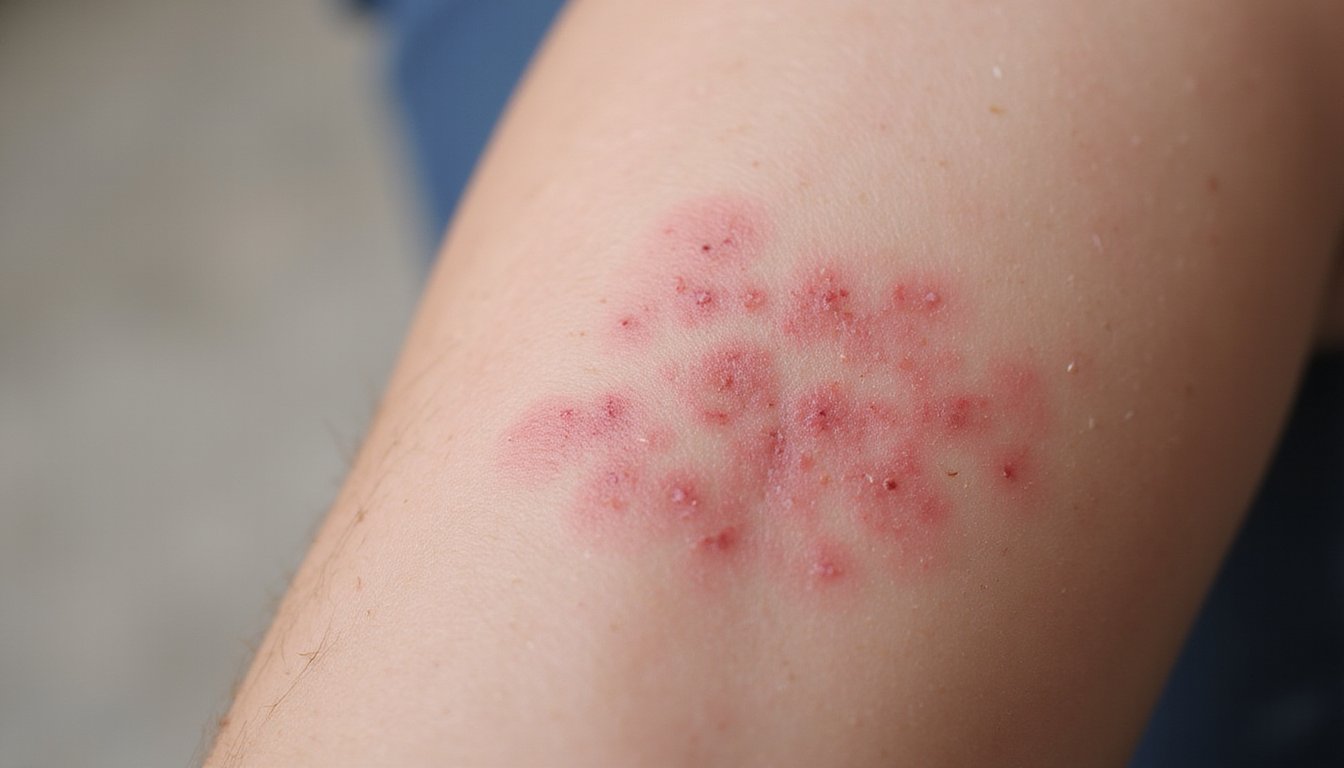
Fresh track marks typically heal within a few days to several weeks, depending on wound depth and your body’s natural recovery capacity. Minor needle pricks from single or infrequent injections usually resolve within 3-7 days, while bruising around injection sites fades within 1-2 weeks.
Healing track marks requires attention to several key factors. Clean, protected wounds heal faster than neglected ones. Infection dramatically delays recovery and increases your risk of permanent scarring. If you continue reinjecting into the same sites, you’ll reopen wounds and prevent healing progression. Skin and soft tissue infections occur in 74% of cases, making proper wound care essential for timely recovery. Using blunt or dirty needles can further damage tissue and significantly slow the healing process. Rotating injection sites allows the skin adequate time to heal between uses and can reduce overall tissue damage.
Blown veins typically require 10-12 days for natural recovery. However, moderate to severe vein damage may take several months to years. In some cases, complete vein healing doesn’t occur, leaving visible dark lines beneath your skin.
Do Track Marks Fade on Their Own?
Your body’s natural healing processes can reduce the visibility of track marks over time, though results vary considerably based on individual factors. Fresh puncture wounds from limited injections typically heal within days to weeks, while older marks involving scar tissue may take months or never fully disappear. Your skin type, the depth of damage, and whether you’ve experienced repeated injections all determine how effectively your marks will fade without intervention. Marks that follow a linear path along a vein from repeated injections in the same location often require more time to heal than isolated puncture wounds. Proper hydration and sun protection play a significant role in accelerating the recovery process and helping marks fade more quickly. Stopping the behavior causing track marks, such as picking or drug use, is crucial for allowing the skin to begin its natural healing process.
Natural Healing Over Time
When you stop injecting into a particular site, your skin’s natural regeneration processes begin working to repair the damage. Your body initiates wound healing within days, closing puncture sites through collagen production and new tissue formation. Fresh marks typically diminish within 1-2 weeks, while skin regeneration continues for months. However, repeated injury disrupts this process, leading to permanent scar formation. The extent of vein damage and the type of drug used significantly impact how quickly and completely the healing process occurs. A medical evaluation is recommended to check for infections and open wounds that may require professional treatment before natural healing can effectively progress. Over time, older track marks transform into small puckered scars that appear white or light pink compared to the surrounding skin.
| Damage Level | Healing Timeline | Expected Outcome |
|---|---|---|
| Fresh punctures | Weeks to months | Near-complete fading |
| Minor scarring | 3-6 months | Significant improvement |
| Moderate damage | Months to years | Visible reduction |
| Deep scarring | Years | Permanent marks |
| Blown veins | 10-12 days | Variable recovery |
Your individual healing capacity and abstinence from reinjection directly determine long-term results.
Factors Affecting Visibility
Beyond healing timelines, multiple biological and behavioral variables determine whether track marks fade considerably or persist as permanent reminders. In some cases, complications such as track marks abscess can arise, causing further distress and complicating the healing process. Addressing these issues promptly is crucial, as they can lead to more significant health concerns if left untreated. Understanding the underlying factors contributing to such complications may aid in developing more effective recovery strategies.
Your skin type profoundly influences visibility, darker tones mask marks through melanin content, while lighter complexions show them prominently. Genetic skin elasticity affects both initial puncture depth and fade rate, with thicker arm skin reducing mark prominence compared to thinner areas.
The injection technique factors matter greatly. Frequent needle reuse causes deeper punctures and increased scarring, while shallow, clean injections minimize tissue damage.
Your wound care practices directly impact outcomes. Immediate cleaning prevents infection-related hyperpigmentation, and silicone gels minimize collagen buildup.
Environmental exposures like sunlight darken scars through melanin stimulation, and clothing friction abrades healing skin. Similar to how luminance contrast between pavement markings and road surfaces determines visibility, the contrast between scarred tissue and surrounding skin determines how noticeable track marks remain. Just as adverse weather conditions reduce the performance of roadway markings, moisture and humidity can similarly affect how well healing skin repairs itself and how visible marks remain.
Health status impacts healing substantially, diabetes, malnutrition, and smoking all impair circulation and collagen synthesis, heightening mark visibility.
5 Factors That Affect How Fast Track Marks Heal
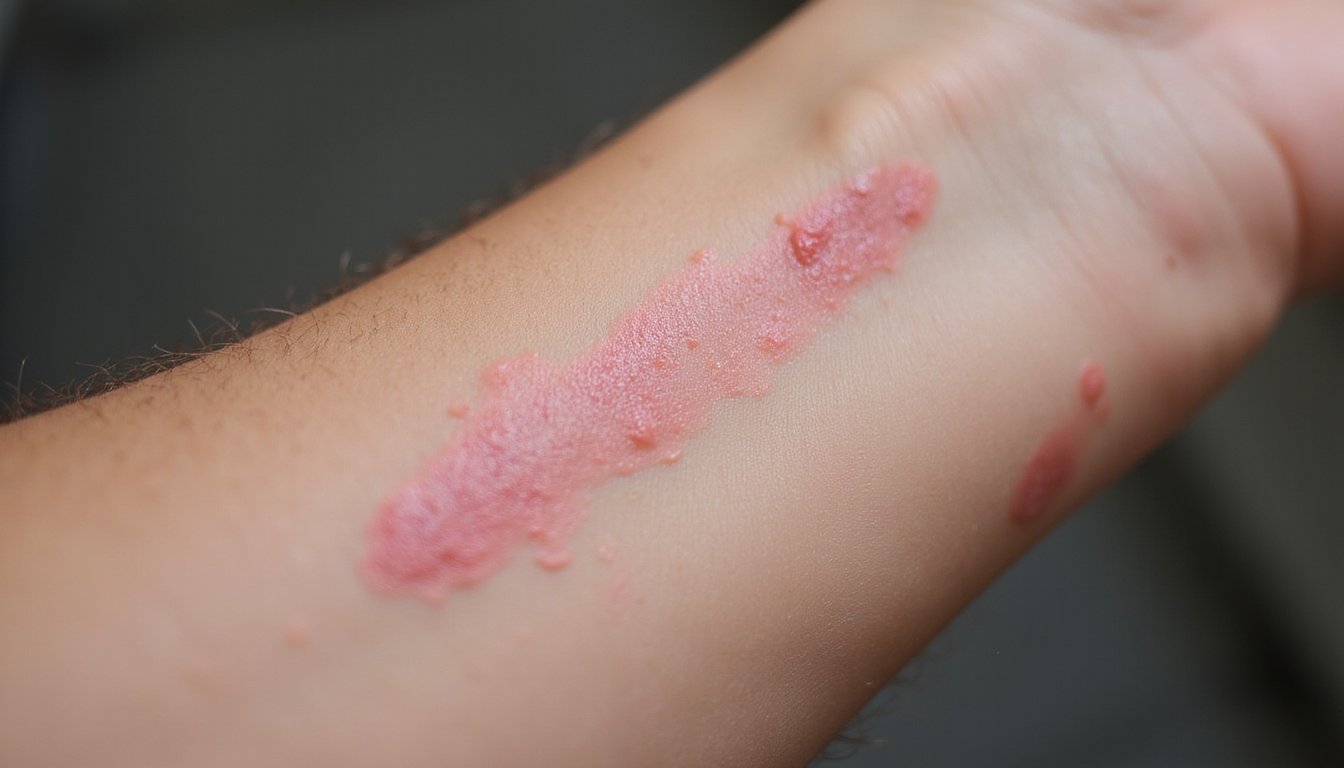
Although track marks affect everyone differently, several key factors determine how quickly your skin heals and whether visible scars remain. what are track marks often associated with the use of intravenous drugs can lead to complications if not treated properly. Understanding the nature of these marks is crucial for managing their appearance and promoting healing.
Your skin’s healing journey is unique, recovery speed and scarring depend on factors specific to you.
Tissue damage depth directly impacts outcomes. Deeper punctures and repeated injections create scar tissue buildup, making old track marks more likely to persist. Your individual healing ability, influenced by age, genetics, and circulation, determines how efficiently healed track marks fade. Factors such as frequency of injection and the use of different substances also contribute significantly to what causes track marks. Understanding these variables can help individuals make informed choices regarding their health and seek appropriate methods for treatment. By addressing the underlying causes, one can work towards minimizing the appearance of these marks over time.
Wound care quality matters greatly. Proper hygiene and topical treatments help track marks heal within weeks rather than months. Infections dramatically extend recovery time and increase the risk of permanent scarring. Complications like cellulitis or abscesses at injection sites can cause additional tissue damage that prolongs the healing process significantly.
Lifestyle factors answer how long track marks last. Continued substance use prevents healing, while abstinence allows fading within 6-12 months. Are track marks permanent? With proper care, many aren’t. However, collapsed veins and deep tissue damage from long-term injection use may never fully recover, even after stopping.
Injection frequency also plays a significant role, as multiple daily injections cause cumulative trauma that overwhelms the body’s natural repair mechanisms.
When Track Marks Become Permanent Scars
Not all track marks respond to the healing factors discussed above, some cross a threshold where permanent scarring becomes inevitable. When you repeatedly inject into the same site, scar tissue from IV use accumulates faster than your skin can repair. Do needles leave scars permanently? Yes, particularly when veins collapse, infections occur, or keloids form.
| Stage | Permanent Outcome |
|---|---|
| Repeated trauma | Irreversible vein hardening |
| Chronic inflammation | Textured IV scar formation |
| Vein collapse | Visible linear scarring |
| Infection damage | Discolored, raised tissue |
| Keloid development | Thick, permanent marks |
Your skin’s regenerative capacity diminishes with each injury. Thin-skinned areas like hands and feet sustain irreversible damage more readily. Once collagen buildup creates raised scar tissue, complete resolution becomes impossible without medical intervention. Unsterile injection practices introduce bacteria that cause infections, compounding tissue damage and accelerating the progression toward permanent scarring.
What Treatments Actually Work on Track Marks?
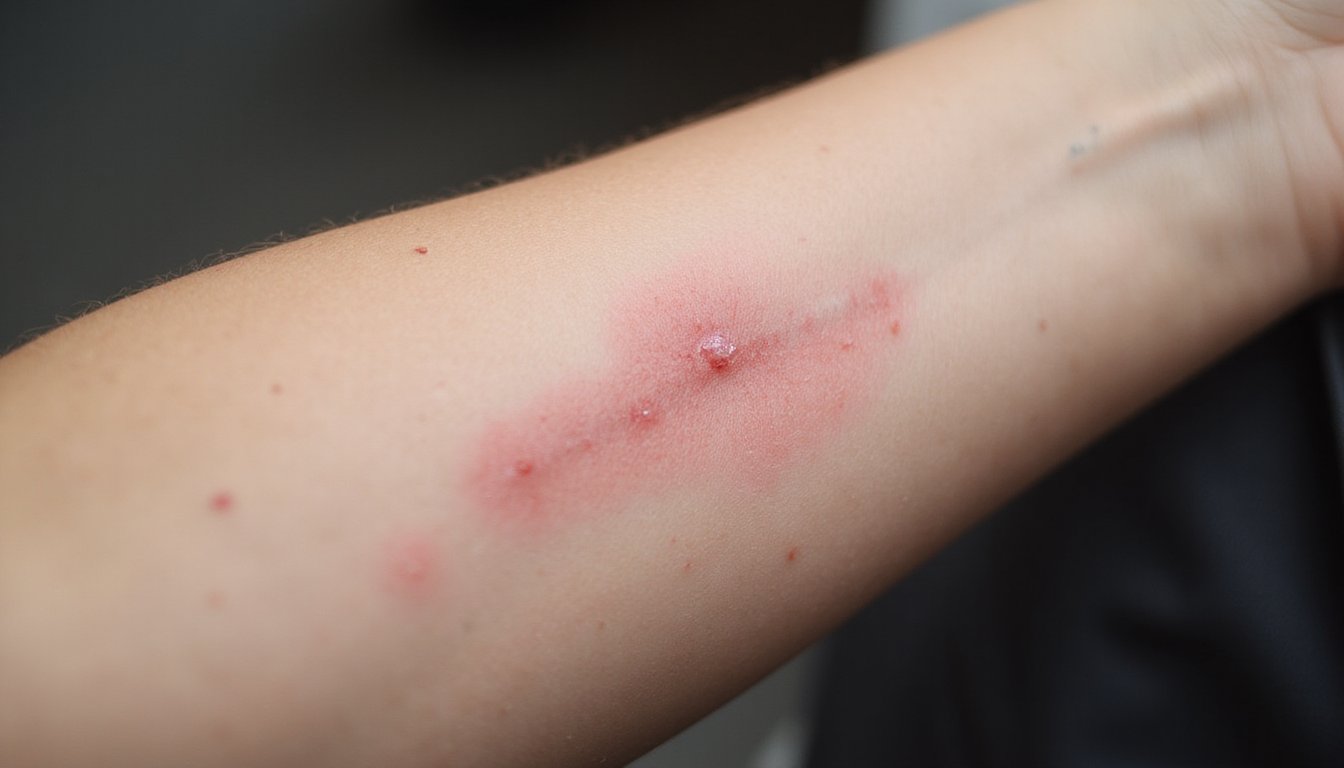
If you’re ready to address visible track marks, you’ll find several effective treatment options ranging from daily topical applications to professional medical procedures. Vitamin E oils, silicone gels, and aloe vera ointments can gradually fade mild scarring when applied consistently over time. For more stubborn or raised scars, laser therapy offers measurable results by reducing scar thickness, improving skin texture, and minimizing discoloration through targeted treatment sessions. Warm compresses can also promote blood flow to the affected areas, supporting the skin’s natural recovery process.
Topical Healing Options
When you’re looking for effective topical treatments for track marks, silicone-based products offer the strongest clinical evidence. Silicone gel sheets and silicone preparations substantially reduce melanin levels and narrow scar appearance. You’ll find these products over-the-counter at pharmacies without a prescription.
Vitamin E and moisturizing treatments support healing by keeping skin hydrated. These work best on fresh track marks rather than deep scars from repeated injection. Apply petroleum jelly after cleaning wounds to promote healing.
Onion extract products improve scar pliability, while asiaticoside-based treatments remarkably reduce scar thickness and vascularity. For basic wound care, wash injection areas with soap and water regularly. Apply sunscreen to scarred areas, UV exposure slows healing and darkens scars. Over-the-counter scar gels remain accessible options during early healing stages.
Medical Scar Treatments
How effectively can medical interventions improve track marks that haven’t responded to topical treatments? When a scar from IV use persists despite home care, clinical procedures offer measurable results.
Proven Medical Treatments for Track Marks:
- Microneedling, Stimulates collagen production and substantially reduces scar severity, especially when combined with glycolic or trichloroacetic acid.
- Platelet-Rich Plasma (PRP), Achieves 33-43% marked improvement when paired with laser or microneedling, promoting tissue regeneration.
- Steroid Injections (Triamcinolone), Flattens raised scars, lightens discoloration, and reduces inflammation in hypertrophic tissue.
- Manual Scar Therapy, Improves elasticity, thickness, and color after 8 weeks, with statistically significant collagen fiber relaxation.
You’ll find that combined treatments outperform single modalities. Professional administration delivers faster, longer-lasting outcomes than self-treatment approaches.
Laser Therapy Results
Laser therapy delivers measurable improvements for track marks that haven’t responded to other interventions. Q-Switched Nd: YAG lasers at 1064 nm effectively target bluish-gray pigmentation common in IV scarring, showing significant improvement after three to five treatments. However, this approach doesn’t address postinflammatory hyperpigmentation.
For textural changes, non-ablative 1470 nm lasers reduce scar depth by 63% and diameter by over 60% through collagen stimulation without epidermal damage. You’ll experience minimal downtime with peak results appearing three to six months post-treatment.
Pulsed dye lasers improve hypertrophic scars by 57-83% in just one to two sessions, addressing vascularity, pliability, and color. Fractional ablative lasers work best for thicker IV scarring and contractures, softening tissue and improving mobility. Complete removal isn’t possible, but visible reduction is achievable.
Why Sobriety Is Essential for Track Marks to Heal
Although your body possesses remarkable regenerative capabilities, continued injection drug use directly undermines every phase of wound healing. The Role of Abstinence in Healing cannot be overstated, your skin requires uninterrupted recovery time to regenerate damaged tissue properly.
When you stop injecting, you’ll notice these measurable improvements:
- Puncture wounds close completely within days, preventing bacterial entry
- Bruising resolves within two to three weeks without new trauma
- Scab formation progresses normally, protecting the underlying tissue
- Chronic inflammation subsides, allowing collagen remodeling to begin
Sobriety eliminates the cycle of repeated injury that keeps wounds perpetually open. Your immune system can finally redirect resources toward tissue repair rather than fighting constant new damage. Without abstinence, even the most advanced dermatological treatments cannot produce lasting results.
We Are Here to Help You Heal
Track marks are more than a physical sign, they are a signal that the body needs care and support. At Tampa Outpatient Detox, we connect you with licensed detox centers in Tampa offering Outpatient Detox Programs to help you address substance use and take the first step toward better health. Call (740) 562-7398 today and start your journey toward a healthier life.
Frequently Asked Questions
Can Makeup or Concealer Safely Cover Track Marks While They Heal?
You can safely cover track marks with makeup, but only after they’ve fully closed and healed. Applying concealer to open or fresh puncture wounds risks infection, as cosmetics introduce bacteria and clog pores during early healing. Once healed, you’ll want non-comedogenic, hypoallergenic concealers that match your skin tone. Use a color corrector like orange to neutralize dark discoloration first, then pat on lightweight foundation, blending gradually for natural coverage.
Do Track Marks Heal Differently on Darker Versus Lighter Skin Tones?
Yes, track marks heal differently depending on your skin tone. If you have darker skin, you’re more likely to experience post-inflammatory hyperpigmentation, causing marks to appear darker than the surrounding tissue. Lighter skin tones may show redness or silvery-white scarring instead. Your skin’s melanin production directly influences how visible healed marks remain. Regardless of tone, you should protect healing areas from UV exposure, as sunlight worsens discoloration and slows recovery.
Will Doctors or Nurses Judge Me if They See My Track Marks?
Some healthcare providers may hold biases when they see track marks. Studies show that providers are surveyed on whether visible injection drug use signs affect their perceptions of patients. However, many medical professionals recognize this stigma and actively work against it. You’re entitled to respectful, judgment-free care regardless of your skin’s appearance. If you experience bias, you can request a different provider or seek facilities specializing in harm reduction and addiction medicine.
Can Tattoos Effectively Cover Old Track Mark Scars?
Yes, tattoos can effectively cover old track mark scars when your skin has fully healed and stabilized, typically at least one year post-injury. You’ll get the best results if your scars are flat and pale rather than raised or discolored. Black and grey designs with flowing curves work better than fine lines on textured skin. Camouflage tattoos using skin-matched pigments can also blend scars seamlessly, though they’ll require periodic touch-ups.
Do Track Marks From Medical IV Treatments Heal Faster Than Drug-Related Ones?
Yes, medical IV track marks typically heal faster than drug-related ones. You’ll notice medical punctures fade within days to weeks because sterile needles reduce infection risk, and single-use sites allow proper skin regeneration. Drug-related marks heal slower due to repeated trauma, unsterile conditions, and nutritional deficiencies that impair your skin’s repair mechanisms. Infections, abscesses, and constant damage at the same site often extend your healing timeline from months to years.