




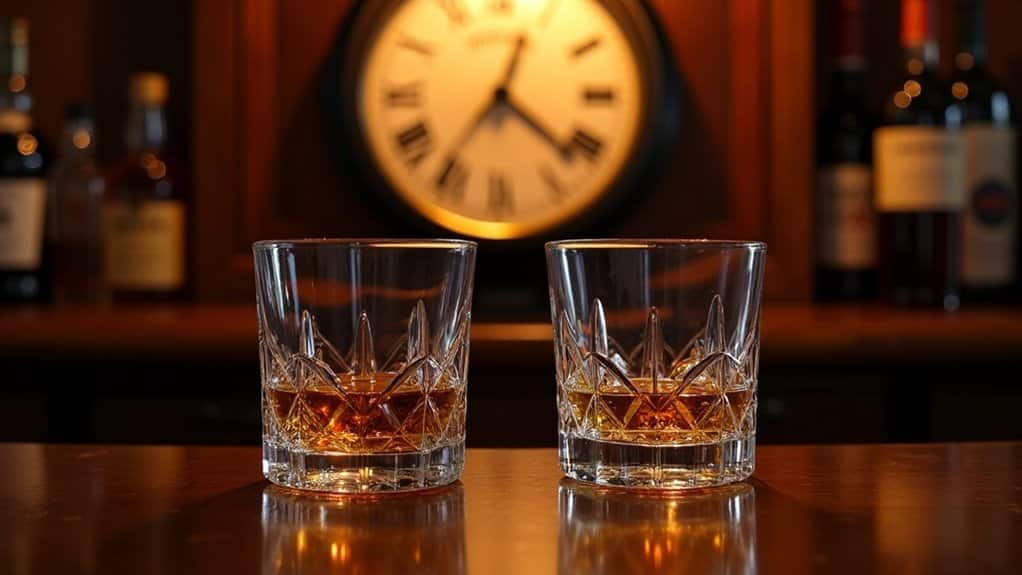
Your alcohol tolerance changes over time due to complex biological adaptations in your body. As you drink regularly, your liver enzymes adjust to process alcohol faster, while your brain cells become less sensitive to its effects. Your maturity, genetics, drinking patterns, and physical changes like muscle mass also influence how you respond to alcohol. Understanding these shifting factors can help you make more informed decisions about your consumption habits. Your alcohol tolerance changes over time due to complex biological adaptations in your body. With regular drinking, liver enzymes become more efficient at metabolizing alcohol, while brain cells gradually reduce their sensitivity to its effects, key reasons why does alcohol tolerance increase. Individual factors such as maturity, genetics, drinking patterns, and physical changes like muscle mass further shape how you respond to alcohol. Understanding these shifting influences can help you make more informed and safer decisions about your consumption habits.
The Science Behind Alcohol Processing in Your Body

How does your body process alcohol after that initial sip? Your liver immediately activates its primary defense system, the alcohol dehydrogenase (ADH) and aldehyde dehydrogenase (ALDH) enzymes. These vital enzymes transform alcohol through a two-step process, initially converting it to acetaldehyde, then to acetate. The first step begins when 25% is absorbed directly through the stomach lining into your bloodstream. The presence of food in your stomach can significantly affect how quickly alcohol enters your system, as meal consumption slows absorption rates.
Your body’s biochemical adaptation responses play a significant role in this process, with your liver handling 90-98% of alcohol metabolism. The remaining amount exits through breath, sweat, and urine. Your liver maintains a steady processing rate of about one standard drink per hour, though individual variations exist due to genetics and gender differences. The oxidative stress effects become more pronounced when secondary pathways activate, particularly when the microsomal ethanol-oxidizing system kicks in at higher blood alcohol levels. Women typically experience stronger effects from alcohol since they have lower enzyme levels than men do.
Age-Related Changes in Alcohol Metabolism
As your body’s alcohol processing mechanisms remain constant throughout youthful maturity, progressing years introduces significant metabolic changes that affect how you handle alcohol. Your liver’s organ detoxification capacity naturally declines, leading to slower elimination of alcohol from your bloodstream and altered alcohol metabolism biomarkers. Restaurant alcohol servings often contain more alcohol than standard drinks, making it harder to gauge consumption accurately. Older adults may notice they feel tipsy more quickly when drinking alcohol. Certain medications like blood pressure drugs can dangerously interact with alcohol consumption.
You’ll experience more pronounced effects from drinking the same amount as your muscle mass decreases and body fat increases. After senior years, reduced blood circulation further impairs your liver’s ability to process alcohol efficiently. For women, menopausal hormonal changes can heighten alcohol sensitivity, as your liver must simultaneously manage both hormone and alcohol metabolism. These age-associated changes make you more susceptible to alcohol’s effects and increase your risk of adverse reactions, particularly when taking medications common in older adulthood.
Early Exposure and Long-Term Effects
Starting alcohol consumption during adolescence greatly increases your risk of developing long-term dependence, with research showing that 47 percent of individuals with alcoholism meet diagnostic criteria by young adulthood. Early exposure to alcohol during critical brain development periods can trigger lasting cognitive function decline and social behavior changes. Research has shown that even moderate prenatal exposure can permanently alter brain reward processing. Each additional year of delayed drinking before age 21 leads to significantly decreased odds of developing alcohol dependence. With approximately 4,000 deaths annually among those under 21 due to excessive drinking, early intervention is crucial.
The long-term impacts of early alcohol use manifest in three key ways:
- Your brain’s development pattern changes, leading to impaired memory and learning capabilities that persist into adulthood
- You’ll face higher risks of multiple dependence episodes throughout life, with each episode typically lasting longer and showing more severe symptoms
- Your decision-making abilities become compromised, resulting in increased risky behaviors, including dangerous driving and substance abuse
If you delay alcohol initiation, you’ll substantially reduce your likelihood of developing regular consumption patterns and alcohol-related problems later in life.
Genetic Factors Influencing Tolerance Levels
Several genetic factors play a pivotal role in determining your alcohol tolerance levels, with variations in ADH1B and ALDH2 genes showing the strongest known effects on alcoholism risk. Your genetic markers, particularly in the CYP2E1 region of chromosome 10, can explain about 4.6% of the variability in how you respond to alcohol. Both environmental and social influences interact with genetics to shape alcohol-related outcomes, as there is no single alcoholism gene.
If you’re of East Asian descent, you’re more likely to experience alcohol intolerance due to ALDH2 gene variations, resulting in physiological changes like facial flushing and rapid heartbeat when drinking. Research conducted at University of North Carolina provides valuable insights into genetic influences on alcohol tolerance. Your family history greatly impacts your risk – having a biological parent with alcohol use disorder increases your chances by 3-4 times. Modern science has identified over 400 genetic locations that contribute to alcohol-related behaviors and responses. While genetic factors account for approximately 50% of alcoholism risk, variations in alcohol dehydrogenases (ADH1C and ADH4) produce smaller effects on tolerance levels.
How Regular Drinking Patterns Shape Tolerance
Your body’s response to alcohol shifts dramatically based on how frequently you drink, with daily consumption accelerating tolerance development far more rapidly than occasional social drinking. When you drink regularly, your system adapts through multiple mechanisms, including augmented metabolic processing and neural changes that require increasingly higher amounts of alcohol to achieve previous effects. Research shows that individuals who develop alcohol use disorder experience heightened pleasurable effects rather than diminished responses over time. Your drinking pattern directly influences how quickly you’ll develop tolerance, with daily or near-daily consumption creating more persistent and harder-to-reverse adaptations than intermittent use. Research shows that patterns like regular-heavy drinking lead to significantly greater tolerance development compared to occasional or social drinking patterns. This adaptation occurs as your liver produces more metabolizing enzymes to process alcohol more efficiently over time.
Consumption Frequency Drives Change
The relationship between drinking frequency and alcohol tolerance follows a complex neurobiological pathway that doesn’t align with common assumptions. Your body’s pacing of consumption directly influences how tolerance develops, with research showing that quantity per session, not frequency alone, drives adaptation.
Three key factors determine gradual tolerance building:
- Blood alcohol concentrations must exceed .05 BAC to trigger tolerance mechanisms
- Low-quantity daily drinking won’t increase tolerance, even with consistent patterns
- Cellular adaptations require exposure to higher alcohol volumes, not just regular timing
You’ll develop stronger resistance to alcohol’s effects primarily through higher-volume drinking sessions, while maintaining low quantities can help prevent tolerance development – even with frequent consumption. This understanding helps explain why moderate daily drinkers don’t necessarily build significant tolerance over time. You’ll develop stronger resistance to alcohol’s effects primarily through higher-volume drinking sessions, as repeated exposure drives neuroadaptation in the brain. In contrast, maintaining lower quantities, even with frequent use, can limit tolerance development, which clarifies what affects alcohol tolerance in practical terms. This distinction helps explain why moderate daily drinkers do not necessarily build significant tolerance over time, whereas episodic heavy drinking accelerates tolerance and associated health risks.
Tolerance Building Through Habits
Regular drinking patterns kick off a cascade of complex biological adaptations that shape how your body processes and responds to alcohol over time. Your brain and liver undergo synchronized changes, with enzyme production increasing while neural receptors become less sensitive to alcohol’s effects.
| Adaptation Type | Impact on Tolerance |
|---|---|
| Enzyme Changes | Faster alcohol processing |
| Neural Adjustments | Decreased sensitivity |
| Social Routines | Learned compensations |
| Emotional Responses | Modified coping patterns |
You’ll notice these changes manifest through both physiological and behavioral adaptations. Your social routines begin incorporating compensatory behaviors, while emotional responses to alcohol shift as your body develops new metabolic set points. This dual adaptation, biological and behavioral, creates a reinforcing cycle that steadily builds tolerance, requiring higher amounts to achieve familiar effects.
The Brain’s Adaptation to Alcohol Over Time
Your brain undergoes profound changes when you drink alcohol regularly, systematically rewiring neural pathways to counteract alcohol’s effects. The process involves decreased GABA receptor sensitivity and increased enzyme production, leading your body to require more alcohol to achieve the same effects. These adaptations occur alongside structural changes in your brain tissue, creating lasting modifications to how your neurotransmitter systems respond to alcohol exposure.
Neural Pathway Rewiring Process
As alcohol repeatedly enters your system, complex neuroplastic changes begin rewiring your brain’s neural pathways to accommodate its persistent presence. These neuroplasticity implications trigger compensatory brain mechanisms that fundamentally alter your neural architecture, leading to lasting changes in how your brain processes alcohol.
Your brain undergoes three critical modifications during this rewiring process:
- Reward circuits in your basal ganglia become increasingly sensitized, strengthening connections between pleasure and environmental drinking cues
- Extended amygdala circuits adapt to require alcohol for normal functioning, while natural reward responses diminish
- Frontal cortical areas transform, compromising your decision-making abilities and reinforcing habitual drinking patterns
This rewiring creates a self-perpetuating cycle where your brain becomes progressively more dependent on alcohol while simultaneously developing increased tolerance to its effects.
Neurotransmitter Response Changes
When chronic alcohol consumption disrupts your brain’s delicate chemical balance, three major neurotransmitter systems, GABA, glutamate, and dopamine, undergo profound adaptations.
Your GABA receptors experience significant chemical receptor changes, with α1-subunits decreasing while α4-subunits increase. Meanwhile, your glutamate system shows dramatic receptor density shifts, particularly in NMDA receptors, leading to excessive neurotransmitter release during both drinking and withdrawal. Your brain’s reward center also adapts as alcohol consistently triggers dopamine release in your nucleus accumbens, though this effect diminishes over time.
These neuroadaptations create a cascade of tolerance effects. Your brain compensates for alcohol’s consistent interference by altering receptor sensitivity and density, leading to cross-tolerance with other substances that act on similar pathways, particularly sedative-hypnotics.
Physical Changes That Impact Alcohol Response
The physical changes occurring in your body over time dramatically influence how you respond to alcohol consumption. Your body composition shifts and organ functions evolve, directly affecting alcohol absorption rates and your response to chronic usage patterns.
Key physical changes that alter your alcohol tolerance include:
- Decreasing muscle mass and increasing fat tissue, which concentrates alcohol more effectively in your bloodstream and leads to faster intoxication
- Reduced liver function that slows alcohol metabolism, leaving higher amounts circulating in your system for longer periods
- Altered brain tissue adaptations that affect how your neural pathways respond to alcohol, requiring protein synthesis for tolerance development
These biological transformations mean that even if you maintain consistent drinking habits, your body’s response to alcohol will continue to change over time.
Understanding Performance and Impairment Shifts
Understanding how alcohol affects your performance requires distinguishing between perceived and actual impairment levels. Your self-reported intoxication may substantially underestimate your true functional deficits, especially if you’re a frequent drinker.
Objective impairment measurements reveal that motor skills and cognitive function deteriorate consistently across all drinkers, regardless of experience level. While you might feel less impaired due to tolerance, standardized tests show your performance remains compromised. Tasks like fine motor coordination and mental processing speed demonstrate measurable deficits even when you perceive minimal impairment.
Higher alcohol doses produce exponentially greater performance deterioration, overwhelming any apparent tolerance benefits. Though experienced drinkers may recover faster from moderate doses, intensive drinking prevents return to baseline function, even after extended periods. Your perceived ability to “hold liquor” primarily reflects reduced awareness rather than maintained performance capacity. Higher alcohol doses produce exponentially greater performance deterioration, quickly overwhelming any apparent tolerance benefits. Even though experienced drinkers may recover more rapidly from moderate doses, intensive drinking prevents a full return to baseline functioning, even after extended periods. What’s often described as high alcohol tolerance largely reflects diminished awareness of impairment rather than preserved cognitive or motor performance capacity.
Risk Factors in Tolerance Development
Multiple interrelated factors contribute to your alcohol tolerance development, with genetic predisposition playing a paramount role. If you have a family history of alcohol use disorder, you’re facing a 50% higher chance of developing similar issues, with over 400 genome locations influencing your tolerance potential.
Your risk factors for developing increased alcohol tolerance include:
- Biological traits – including your gender, ethnicity, and genetic variants affecting alcohol metabolism
- Environmental influences – such as mental health conditions, traumatic experiences, and sustained exposure to external stressors
- Behavioral patterns – particularly regular consumption and binge drinking habits that accelerate tolerance development
Your age also substantially impacts how your body processes alcohol, with tolerance typically increasing as you mature, though early initiation of drinking significantly raises your risk for future alcohol use disorders.
Breaking the Cycle of Increasing Tolerance
Paying attention to warning signs like needing more drinks to feel effects or experiencing increased anxiety when not drinking can help you identify rising alcohol tolerance. You’ll need to consciously establish new patterns by setting firm drinking limits, tracking consumption carefully, and incorporating regular alcohol-free days into your schedule. Building healthier habits requires replacing drinking rituals with alternative activities while maintaining awareness of personal triggers and risk factors that could lead to tolerance escalation.
Recognizing Warning Signs
When your body develops an increasing tolerance to alcohol, several clear warning signs emerge that shouldn’t be ignored. These indicators can signal heightened addiction potential and serve as critical markers for intervention before withdrawal symptoms develop.
Key warning signs include:
- Physical changes like requiring considerably more alcohol to achieve the same effects, maintaining normal function despite heavy consumption, and showing fewer visible signs of intoxication
- Behavioral shifts such as adjusting eating patterns to optimize alcohol’s impact, increasing drinking frequency, and appearing surprisingly sober to others after multiple drinks
- Health deterioration markers, including skin changes, persistent fatigue, and numbness in extremities
Understanding these signs helps you recognize when recreational drinking may be shifting into problematic territory requiring professional attention.
Building Healthier Drinking Habits
Breaking the cycle of escalating alcohol tolerance necessitates a scientifically-grounded approach that combines metabolic recovery with targeted behavioral adjustments. You’ll need to concentrate on structured abstinence periods that allow your ADH and CYP2E1 enzyme systems to normalize while implementing sustainable lifestyle modifications.
| Recovery Focus | Action Steps | Timeline |
|---|---|---|
| Metabolic Health | Scheduled pauses between drinks | 48-72 hours |
| Neural Adaptation | Gradual consumption reduction | 2-4 weeks |
| Receptor Balance | Consistent sleep patterns | Daily |
| Environmental | Lifestyle restructuring | Ongoing |
Your metabolic health focus should include supporting liver function through proper nutrition and hydration. Keep in mind that neuroadaptive changes require time-based approaches; there are no shortcuts. By maintaining structured reduction protocols and implementing anti-inflammatory lifestyle adjustments, you’ll help restore natural receptor function and break the tolerance cycle.
Looking back and realizing how much your relationship with alcohol has silently shifted over the years, needing more to feel less, can be one of the most unsettling moments of honest self-reflection a person can face. At outpatient drug rehab tampa, we understand how confusing it is to watch your alcohol tolerance change over time and not fully understand why your body keeps moving the goalposts in ways that feel increasingly out of your control. We connect you with specialized alcohol treatment centers and recovery resources, because the changes happening in your tolerance over time are not random they are your body sending signals that deserve to be heard and answered with the right care. The right help is already out there waiting for you. Call 740-562-7398 today and let us help you take that first step toward healing.
Frequently Asked Questions
Can Medications Affect How Quickly Alcohol Tolerance Develops or Diminishes?
Yes, medications can greatly impact your alcohol tolerance development. Certain prescription drugs, especially NMDA receptor antagonists like ketamine, can block your body’s ability to develop rapid tolerance to alcohol. You’ll also find that medication interactions with drugs affecting liver enzymes can alter how quickly you metabolize alcohol. When taking prescriptions, you must consider dosage adjustments since some medications can unexpectedly boost or reduce alcohol’s effects in your system.
Does Altitude or Climate Impact How Alcohol Affects Tolerance Levels?
Yes, both altitude and climate can affect your alcohol tolerance. At higher altitudes, lower barometric pressure fluctuations mean your body absorbs alcohol more quickly, potentially reducing your normal tolerance levels. Seasonal temperature changes also play a role; when you’re in hot climates, dehydration can amplify alcohol’s effects, while cold weather can mask some intoxication symptoms. These environmental factors don’t permanently alter your baseline tolerance but can temporarily modify alcohol’s impact.
How Long Does It Take for Alcohol Tolerance to Reset Completely?
You’ll need 2-5 weeks of complete abstinence for a significant tolerance reset, though full neurological recovery takes much longer. If you’ve maintained consistent drinking habits, expect at least 2 weeks minimum for basic tolerance reduction. For heavy drinkers, your brain’s dopamine system requires 12-18 months to fully normalize. You can’t accelerate this process; periodic abstinence periods like weekend breaks aren’t sufficient for meaningful tolerance reduction.
Do Different Types of Alcoholic Beverages Create Different Tolerance Patterns?
Yes, different alcoholic beverages create distinct tolerance patterns based on their drink composition and alcohol concentration. You’ll develop tolerance faster with high-ABV spirits compared to beer or wine due to increased ethanol exposure. Your drinking frequency with specific beverage types matters too; consistently consuming the same type of alcohol leads to more predictable tolerance development as your liver adapts to processing that particular drink composition.
Can Exercise or Fitness Level Influence Alcohol Tolerance Development?
Yes, your fitness level can greatly impact how you develop alcohol tolerance. Regular exercise habits boost your liver function and metabolic processes, potentially accelerating alcohol metabolism. Your comprehensive nutritional status and improved body composition from fitness training can affect how quickly you build tolerance. However, while exercise may help you process alcohol more efficiently, it won’t prevent intoxication or eliminate alcohol’s negative effects on performance and recovery.