


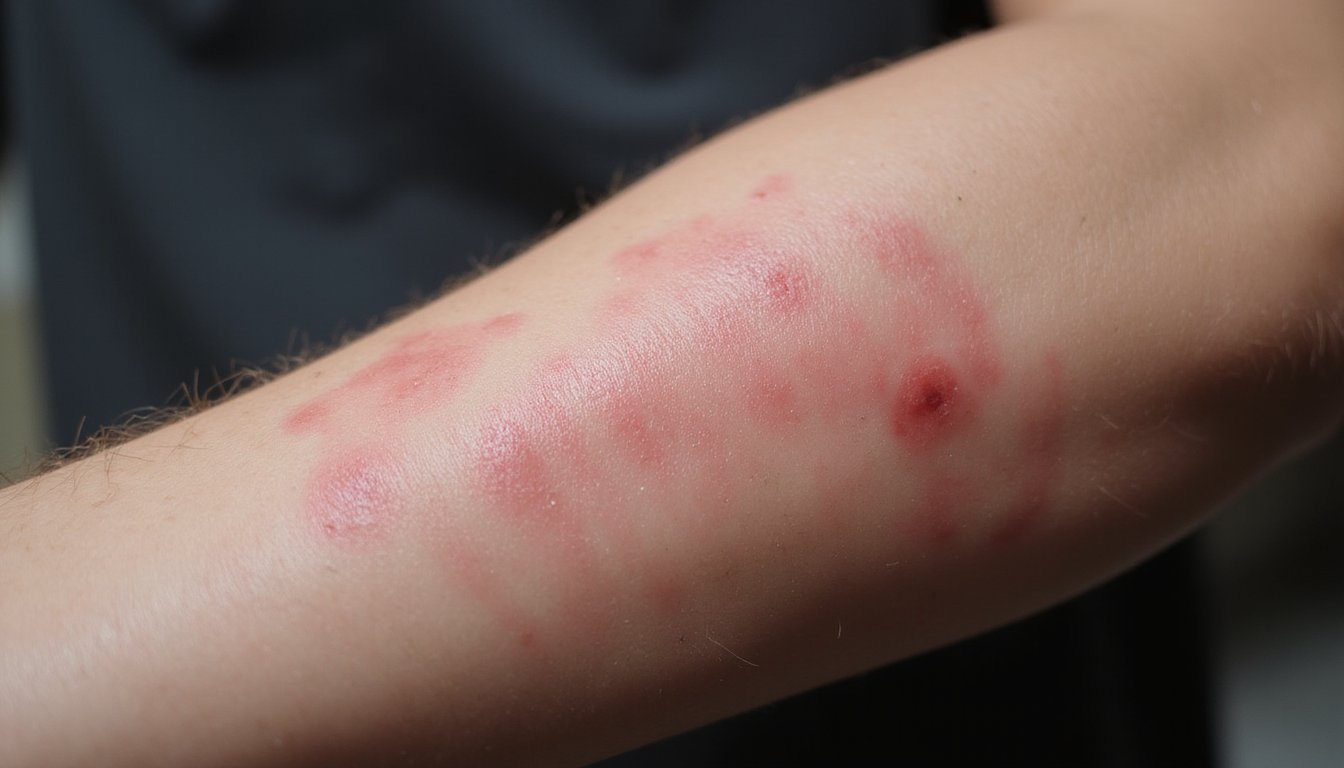
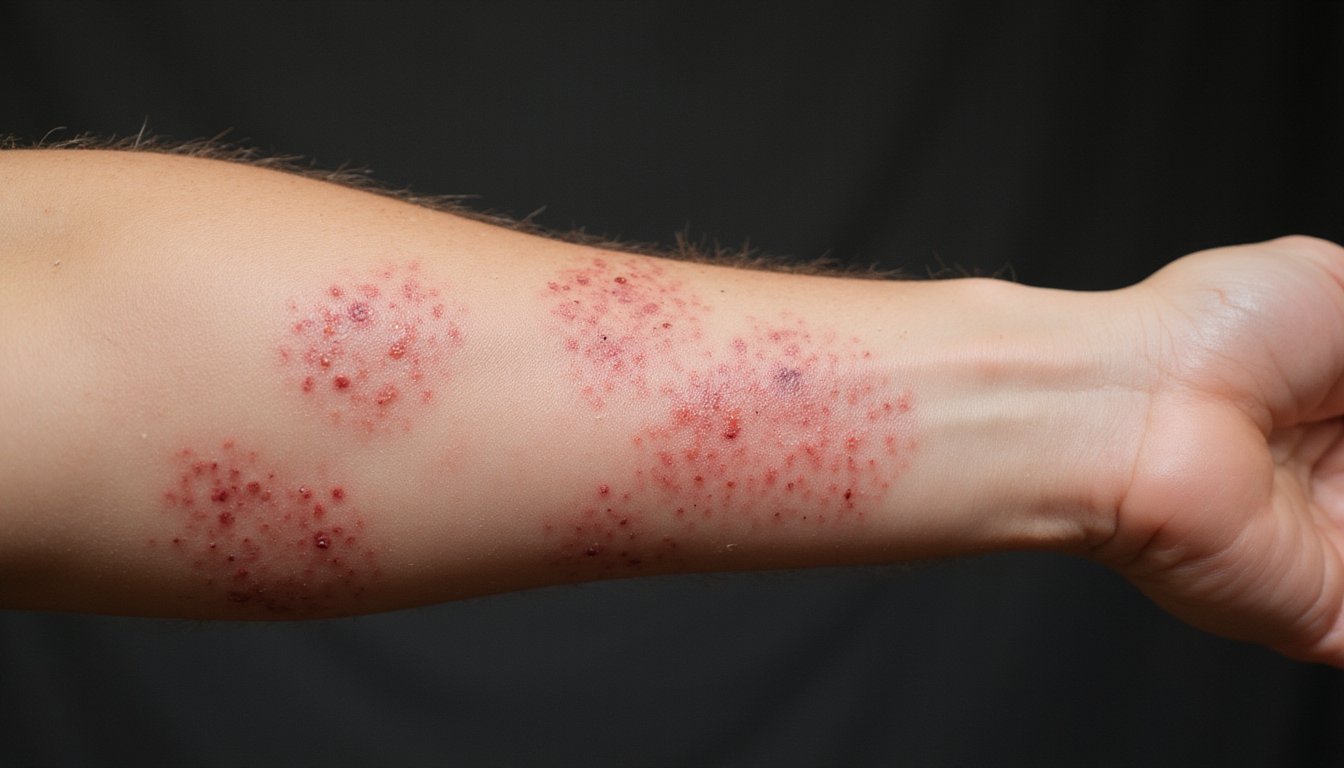
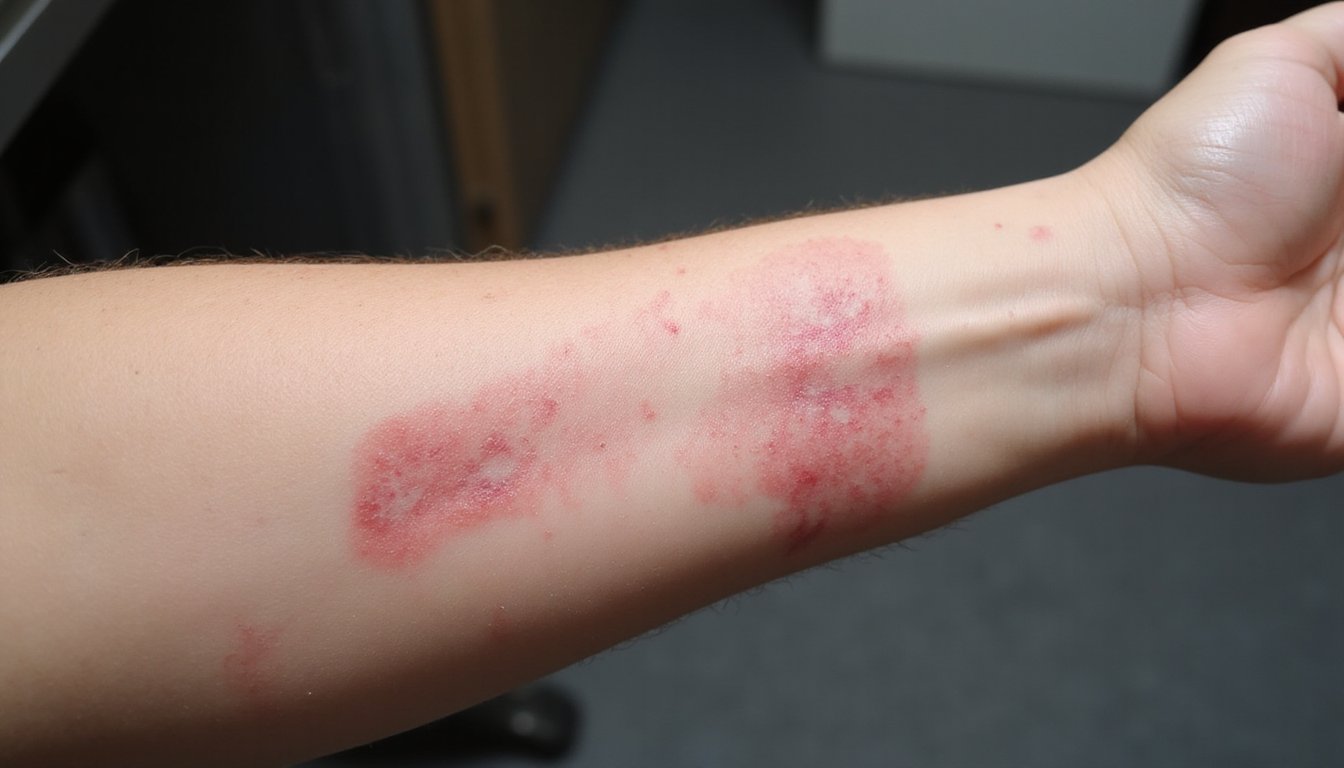
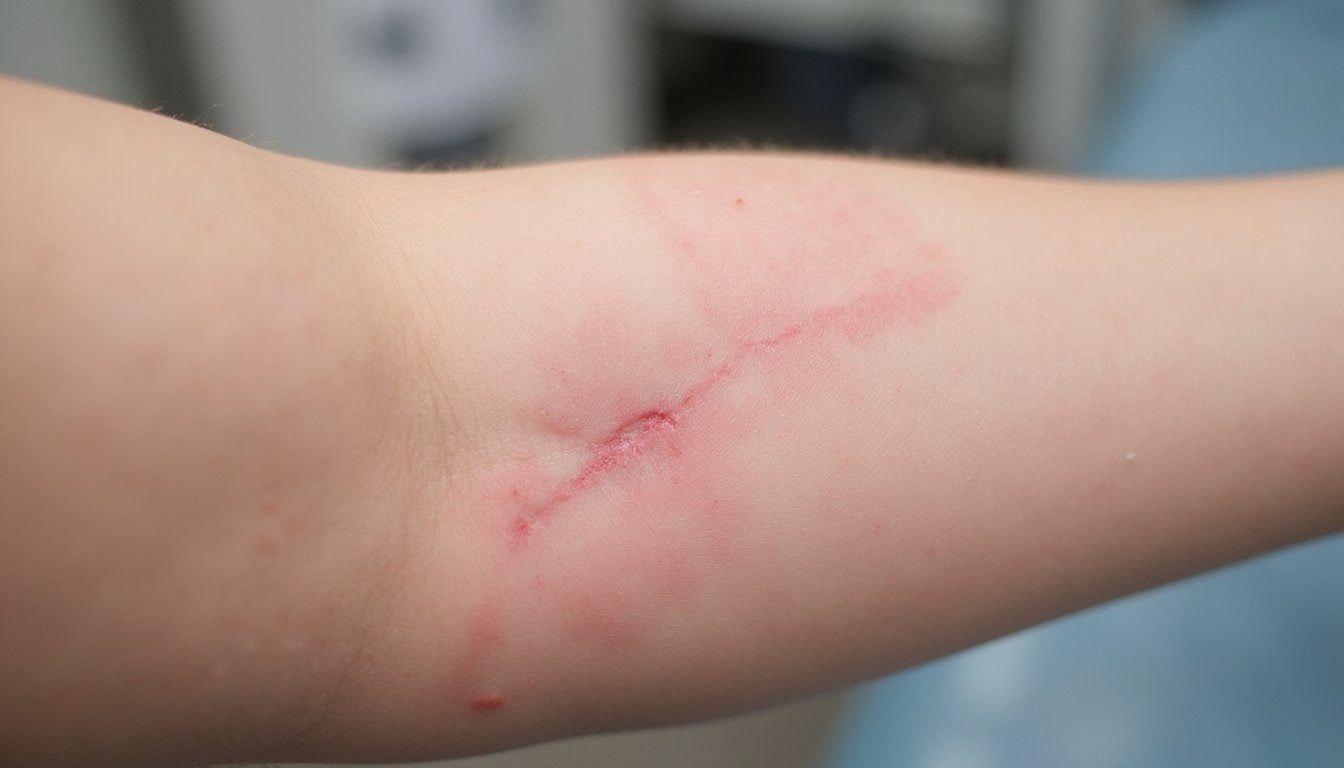

In 2025, you’ll encounter an alcohol allergy that’s precisely diagnosed through molecular profiling and AI-driven tools. Your symptoms will be tracked via smart apps with 98% accuracy, while real-time monitoring systems analyze multiple triggers simultaneously. You’ll have access to targeted treatments, including antihistamines and enzyme supplements, alongside personalized digital health platforms. Modern diagnostic advances now differentiate between true allergies and intolerances with unprecedented accuracy, opening new doors for effective management.
Modern Diagnostic Breakthroughs for Alcohol Allergies

The terrain of alcohol allergy diagnostics has transformed, incorporating multiple testing modalities to achieve more precise diagnoses. You’ll find that molecular profiling diagnostics now combine traditional skin testing with advanced blood analysis to detect specific IgE antibodies. These methods work alongside integrated lab clinical decision tools that help differentiate between true allergies and metabolic intolerances. Due to symptom overlap with other conditions, doctors rely heavily on clinical evaluation for accurate diagnosis. A comprehensive physical examination by a qualified physician serves as a crucial first step in identifying potential alcohol allergies.
When you undergo testing, your healthcare provider will likely implement an extensive approach, including controlled food challenges under clinical supervision. This allows for real-time monitoring of reactions while ensuring your safety. The integration of genetic biomarker analysis, particularly ALDH2 testing, provides essential insights into your body’s ability to metabolize alcohol effectively, leading to more personalized treatment recommendations and prevention strategies. Medical professionals often recommend taking over-the-counter antihistamines to manage minor symptoms while awaiting comprehensive test results.
Latest Treatment Developments and Medications
Building on these advanced diagnostic capabilities, revolutionary treatment options now address both alcohol allergies and intolerances with unprecedented precision. You’ll find targeted pharmacological interventions including antihistamines and enzyme supplements, specifically designed to counteract reactions to fermented beverages. Patients experiencing toxic byproduct buildup often require immediate medical intervention. Epinephrine administration remains the primary life-saving treatment for severe allergic reactions.
This promising research involved eight male primates who demonstrated significant reductions in alcohol consumption after treatment. Comprehensive health screenings now identify underlying conditions requiring specialized protocols, from celiac disease to post-COVID inflammatory responses. The groundbreaking AAV2-hGDNF gene therapy offers a single-dose solution for alcohol use disorder, targeting dopamine pathways with remarkable efficacy. This treatment’s cross-applicability extends to diverse substance-use disorders.
Your healthcare provider might recommend combining treatments with stress reduction techniques and dietary adjustments to optimize outcomes. For severe cases, they’ll monitor hepatic health and potential drug interactions while implementing autoimmune case protocols when necessary.
Digital Health Tools for Alcohol Allergy Management
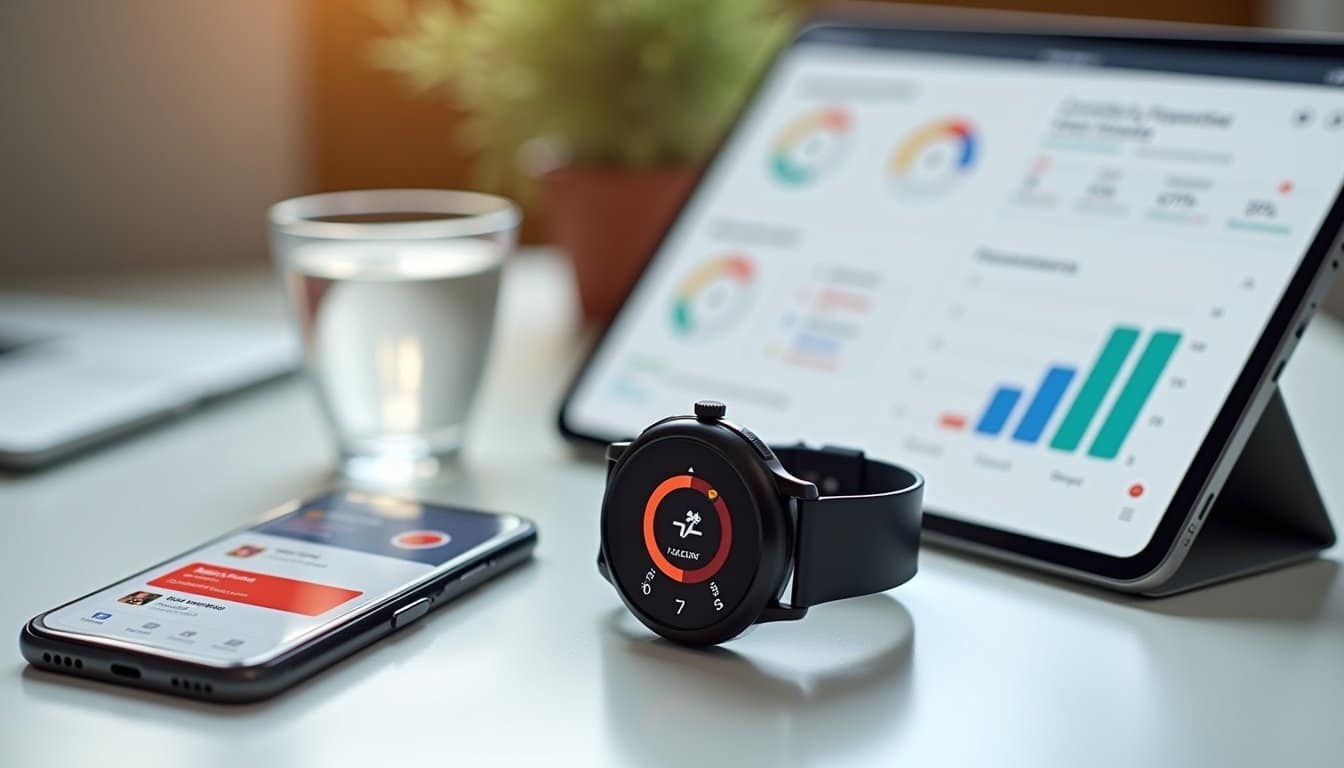
Modern digital health tools have revolutionized alcohol allergy management through smart symptom tracking apps that let you log reactions in real-time and identify specific trigger ingredients. You’ll find virtual allergy alert systems integrated with healthcare platforms to provide immediate notifications to your medical team when severe symptoms occur. These digital solutions bolster the precision of allergy documentation while enabling faster emergency response through automated provider communication and GPS-enabled emergency services. Building on advances like AlcoChange digital therapeutic, these platforms are increasingly incorporating specialized features for patients with alcohol-related health conditions. The latest tools offer user-friendly animation features to help patients accurately track and report their alcohol consumption patterns. Advanced voice analysis technology can detect signs of intoxication with 98% accuracy rate through evaluation of speech patterns and coordination.
Smart Symptom Tracking Apps
While managing alcohol allergies traditionally relied on manual symptom diaries, today’s smart tracking applications offer extensive digital solutions for monitoring and understanding alcohol-related reactions. Modern all-encompassing analytics tools transform raw data into actionable insights, helping you understand your body’s specific responses to different alcoholic beverages. Apps featuring end-to-end encryption ensure your sensitive health data remains secure and private. These apps track multiple variables simultaneously, from specific drinks consumed to physical reactions and environmental factors. Popular options like Cara Care provide comprehensive symptom tracking capabilities. By analyzing patterns in your data, they generate customized lifestyle recommendations to help prevent adverse reactions. Similar to SoundHealth’s technology, these apps can now provide personalized forecasts based on your unique facial structure and airway anatomy. You’ll receive real-time alerts about potential triggers and personalized suggestions for safer alternatives. The integration of AI-driven analytics means you’re not just collecting data, you’re gaining a deeper understanding of your alcohol sensitivity patterns and developing more effective management strategies.
Virtual Allergy Alert Systems
As digital health management evolves, virtual allergy alert systems have revolutionized how individuals monitor and respond to alcohol-related allergies. You’ll find voice activated label scanners that instantly check ingredients against TTB-regulated databases, while advanced cross allergen detection systems analyze multiple triggers simultaneously. Real-time monitoring specifically tracks major food allergens including milk, eggs, fish, shellfish, tree nuts, wheat, peanuts, soybeans, and sesame. These monitoring systems now incorporate facial recognition technology to ensure accurate user identification during allergen testing and tracking.
These tools connect with your personal medical history to provide real-time medication interaction warnings and track environmental factors that could amplify allergic responses. You’re protected by blockchain-verified product authentication and AI-driven label audits that guarantee compliance with current TTB standards. While allergen labeling remains optional for manufacturers, these systems help consumers make informed choices regardless of label content. The systems integrate with your electronic health records to deliver customized alerts based on your specific sensitivities and allergies. When you’re shopping, smart mapping features highlight safe product zones and flag potential risks before consumption.
Emerging Social Support Networks and Resources
If you’re managing an alcohol allergy in 2025, you’ll find an expanded network of both digital and in-person support communities ready to help navigate your condition. Online platforms like Tempest now offer specialized groups for those with alcohol sensitivities, combining CBT techniques with peer support to address the unique challenges of abstaining due to allergies. Local in-person safe spaces have also evolved to accommodate those with alcohol allergies, providing judgment-free zones where you can connect with others who understand your specific health concerns.
Digital Support Communities Growing
Thanks to technological advances, digital support communities have revolutionized alcohol recovery by providing unprecedented access to treatment resources and peer connections. Through telemedical counseling programs and secure data sharing platforms, you’ll find all-encompassing support systems that operate 24/7 across global time zones.
Key digital innovations transforming recovery support include:
- SMART Recovery’s virtual meetings and message boards offering real-time collaboration and structured guidance through their 4-Point Program
- Mobile apps that track sobriety metrics, trigger patterns, and recovery milestones while connecting you with trained facilitators
- Interactive educational resources including webinars and downloadable NIAAA materials for evidence-based recovery strategies
These digital communities provide anonymity while fostering connections with others who share similar experiences, making recovery support more accessible and personalized than ever before.
In-Person Safe Space Networks
While digital platforms continue expanding, in-person safe space networks have emerged as indispensable cornerstones of modern alcohol recovery support. You’ll find specialized recovery centers offering 24/7 access to peer mentor programs, skill-building workshops, and emergency counseling services. These community wellness hubs integrate multiple support models, from casual recovery cafés to structured job training partnerships.
Local organizations now coordinate thorough support through neighborhood-based microgroups, addressing specific cultural needs and co-occurring disorders. You can access safe house networks for short-term housing support, participate in therapeutic art showcases, or join social activities designed to build lasting connections. Cross-functional partnerships between hospitals, treatment centers, and community groups guarantee you’ll receive both clinical expertise and peer-led support, creating a steadfast safety net for your recovery path.
Understanding Genetic Markers and Testing Advances

Recent advances in genetic testing have revolutionized our understanding of alcohol allergies through the identification of key genetic markers, particularly the ADH1B and ALDH2 variants. Molecular epidemiology studies reveal that these genetic markers profoundly influence your alcohol metabolism and risk for adverse reactions.
Your genetic profile can now be analyzed through:
- Direct-to-consumer saliva testing kits that screen for ALDH2/ADH1B variants
- Clinical blood analysis to confirm enzyme deficiencies
- Acetaldehyde breath tests that quantify enzymatic activity
Variant-specific interventions have emerged from this genetic understanding, allowing for personalized recommendations based on your enzyme activity levels. If you’re of East Asian descent, you’re more likely to carry the ALDH2*2 variant, which affects up to 47% of this population and requires targeted intervention strategies.
Innovative Lifestyle Adaptations for Social Settings
Living with an alcohol allergy requires strategic lifestyle modifications, particularly in social settings where alcohol consumption is prevalent. You’ll need to develop clear communication strategies with friends, colleagues, and restaurant staff about your condition to prevent accidental exposure. When dining out, guarantee supportive dining experiences by alerting servers about cross-contact concerns and requesting detailed ingredient information.
Living with an alcohol allergy requires strategic lifestyle modifications, particularly in social settings where alcohol consumption is prevalent, an important distinction when navigating alcohol allergy vs alcohol intolerance. You’ll need to develop clear communication strategies with friends, colleagues, and restaurant staff about your condition to prevent accidental exposure. When dining out, guarantee supportive dining experiences by alerting servers about cross-contact concerns and requesting detailed ingredient information.
Embrace crafted mocktail recipes and non-alcoholic alternatives that allow you to participate fully in social gatherings without compromising your health. You can investigate alcohol-free activities like fitness classes or cultural events to maintain an active social life. When faced with social pressure, maintain firm boundaries using prepared responses like “I have a drink allergy.” These adaptations help you navigate social situations confidently while prioritizing your safety and well-being.
Future Preventive Measures and Research Directions
Preventive measures for alcohol allergies continue evolving through pioneering research and technological advancements. Through targeted policy reforms and enhanced genetic disorder screening, you’ll find more extensive protection and management options by 2025.
Emerging research and genetic screening innovations pave the way for better protection against alcohol allergies in coming years.
Key developments in preventive strategies include:
- Mandatory medical alert systems linked to centralized databases for emergency response optimization
- Advanced genetic testing programs to identify high-risk individuals before exposure
- Enzyme replacement therapies designed to improve alcohol metabolism at the cellular level
These innovations combine with stricter product labeling requirements and AI-driven telemedicine diagnostics to create a more thorough safety net. You’ll benefit from precision medicine protocols that tailor treatments to your specific genetic profile, while expanded national registries help track prevalence patterns for more effective preventive interventions.
Something feels wrong every time you drink and you have been brushing it off for longer than you care to admit, telling yourself it is nothing, until your body finally starts making it impossible to ignore. At Outpatient Detox Tampa, we understand how confusing and unsettling it can be to wonder whether what you are experiencing is an alcohol allergy, especially when the signs in 2026 look different from anything you expected and the answers feel just out of reach. We connect you with credible alcohol treatment centers and recovery resources, because whether it is an allergy or something deeper driving your relationship with alcohol, you deserve clarity and proper support from people who genuinely understand what you are going through. Whether you are noticing these signs for the very first time or you have been quietly living with them and finally feel ready to seek answers, the right help is already out there waiting for you. Call 740-562-7398 today and let us help you take that first step toward healing.
Frequently Asked Questions
Can Alcohol Allergies Develop Suddenly in Adulthood?
Yes, you can develop alcohol allergies suddenly in adulthood, even without a genetic predisposition. Your immune system may become sensitized to specific components in alcoholic beverages due to environmental factors, medication changes, or underlying health conditions. While true alcohol allergies are rare, they can emerge unexpectedly through repeated exposure to triggers like sulfites, histamines, or other ingredients found in alcoholic drinks.
Are Certain Types of Alcohol More Likely to Trigger Allergic Reactions?
Yes, certain alcoholic beverages are more likely to trigger reactions. Red wine is your highest risk due to its heightened histamine content and sulfites. You’ll find that beer and whiskey follow closely behind, particularly if you’re sensitive to ingredients like barley or gluten. If you experience alcohol-related skin flushing, you might have an ALDH2 enzyme deficiency, which is especially common in East Asian populations. Dark spirits generally cause more severe reactions than clear ones.
Does Alcohol Allergy Affect My Ability to Use Alcohol-Based Hand Sanitizers?
If you have an alcohol allergy, you should avoid alcohol-based hand sanitizers as they can trigger allergic reactions through skin contact. Instead, consider alcohol-free sanitizer options containing benzalkonium chloride or other antimicrobial compounds. These hand sanitizer alternatives are just as effective at killing germs while being safe for alcohol-sensitive individuals. Consult your healthcare provider to confirm your specific sensitivities and get personalized recommendations for appropriate sanitizing products.
Can I Safely Consume Alcohol-Free Beer or Wine Alternatives?
While alcohol-free beverages might seem safe, you’ll need to exercise caution. These drinks can contain allergens like sulfites, barley proteins, or yeast residues that could trigger reactions. Before trying non-alcoholic drink options, consult your allergist for specific testing and guidance. Always check labels carefully and consider starting with certified allergy-safe alternatives. For maximum alcohol-free beverage safety, document any symptoms and consider making your own mocktails using verified ingredients.
How Do Prescription Medications Interact With Alcohol Allergy Treatments?
You’ll need to be extremely cautious with prescription medications while on allergy treatments, as they can interact dangerously. Your doctor may need to make prescription dosage adjustments to prevent severe reactions. Common medications like antidepressants, antibiotics, and blood pressure drugs can amplify allergy medication interactions, potentially causing increased drowsiness, dizziness, or dangerous CNS depression. Always consult your healthcare provider about your complete medication list before starting allergy treatments.