


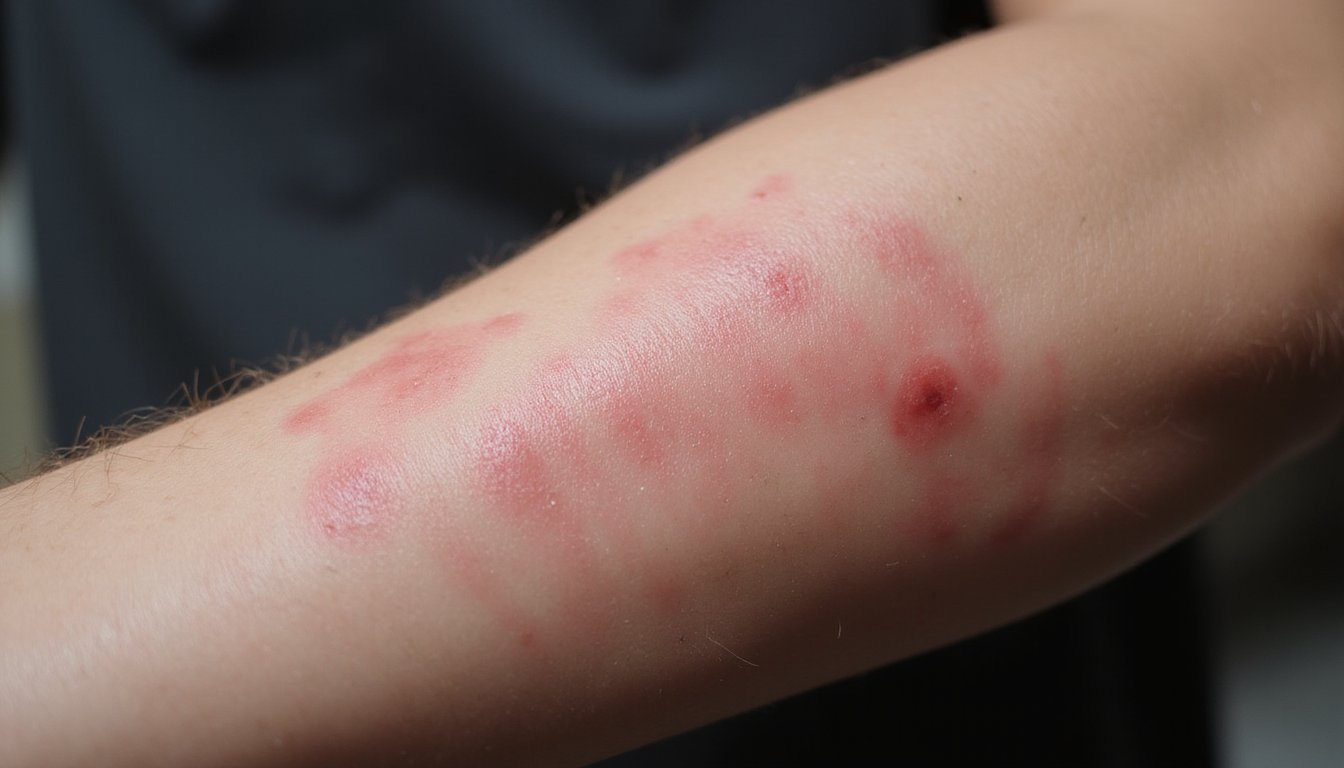
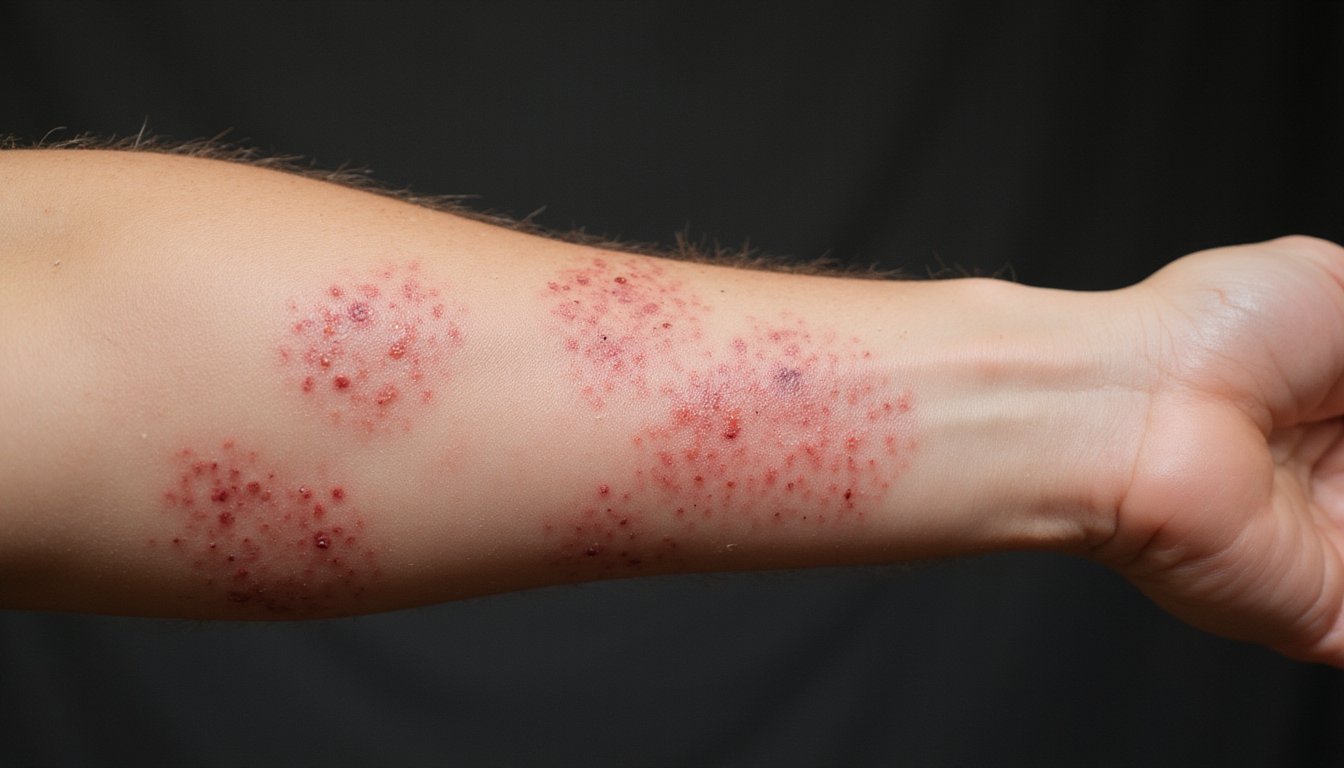
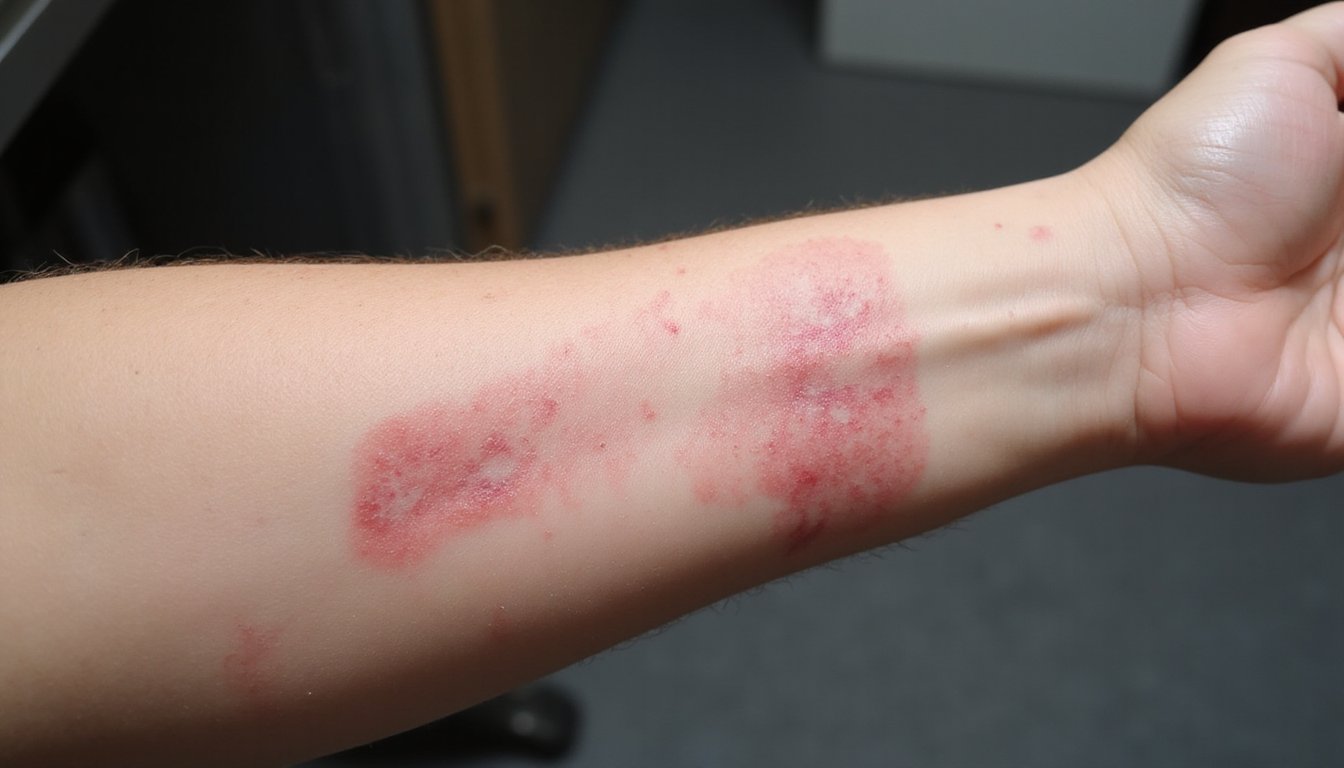
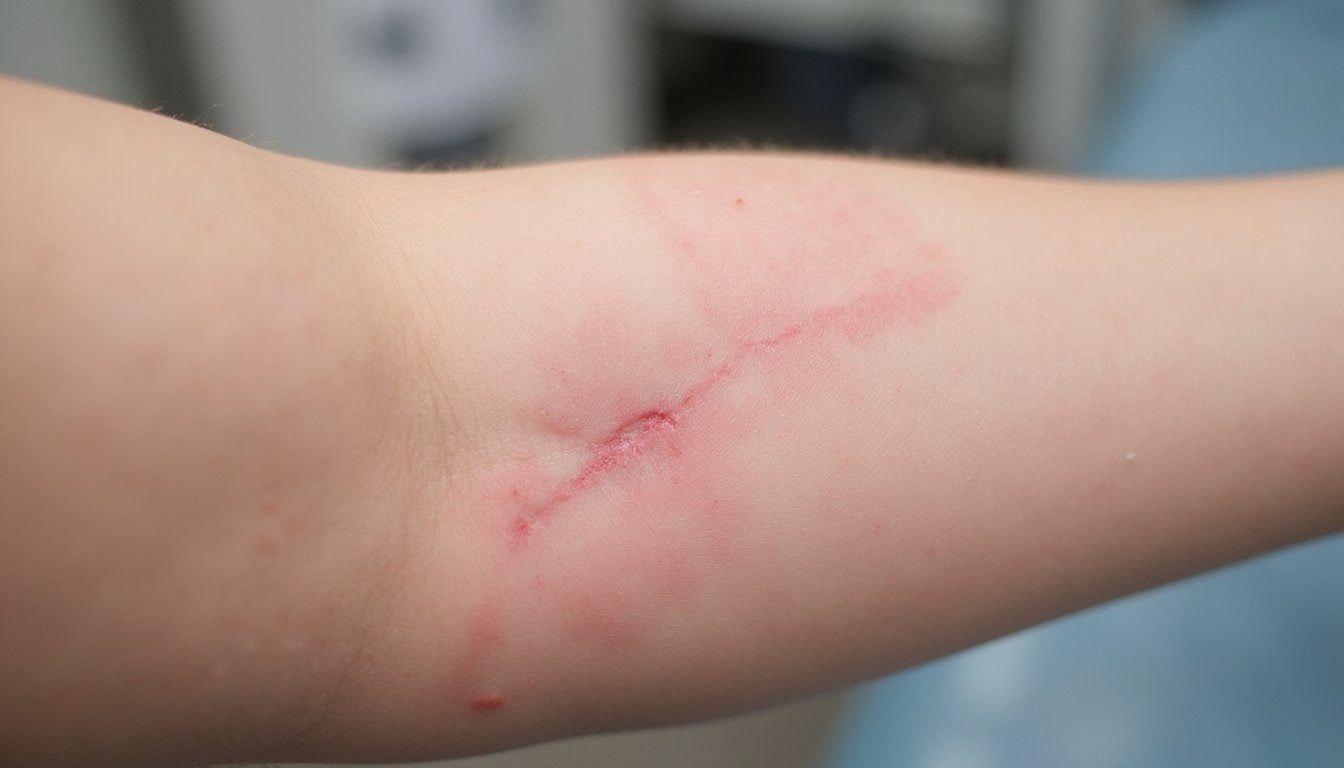

Your alcohol allergy symptoms stem from genetic variations in ADH and ALDH2 genes, which affect how efficiently your body metabolizes alcohol. When these enzymes don’t work properly, they trigger mast cell degranulation and histamine release, causing flushing, hives, and respiratory issues. You can manage reactions by carrying an epinephrine auto-injector, avoiding alcohol completely, and creating an emergency action plan. Understanding your specific genetic risk factors will help you develop the most effective prevention strategy.
The Science Behind Alcohol Reactions
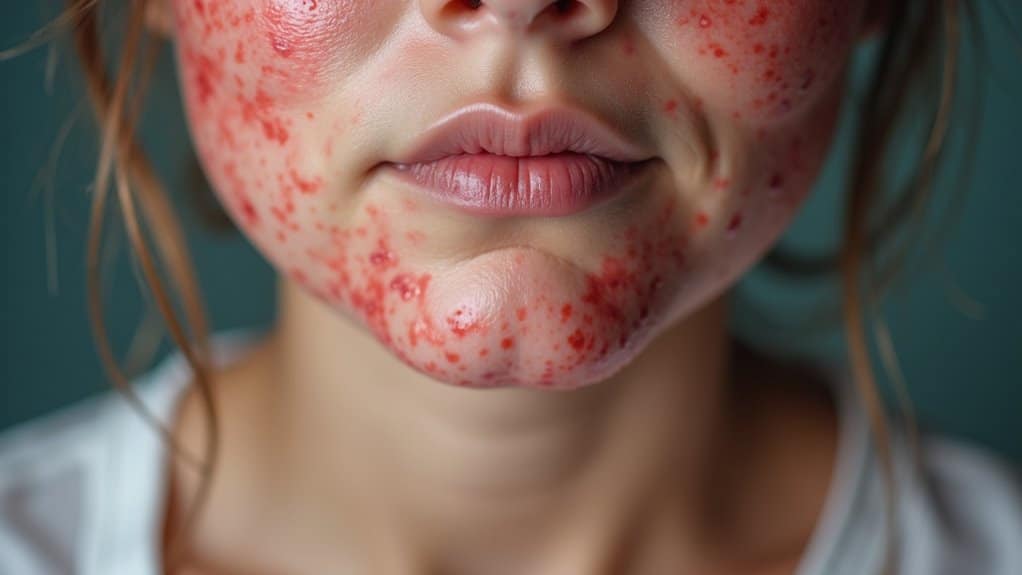
While many people experience adverse reactions to alcohol, the underlying mechanisms stem from specific genetic and enzymatic variations that affect how the body processes ethanol. Your genetic predispositions, particularly variations in ADH and ALDH2 genes, determine how efficiently your body breaks down alcohol and its toxic byproduct, acetaldehyde. Recent research shows that fast ethanol metabolism can increase sensitivity to alcohol, especially in Caucasian populations.
When you have certain genetic variants, especially common in East Asian populations, your metabolic pathways can’t effectively clear acetaldehyde from your system. This buildup triggers mast cell degranulation and histamine release, causing allergic-like symptoms. In addition, epigenetic factors can modify gene expression, potentially making your alcohol sensitivity worse over time. Testing has shown that IgE-mediated reactions can occur despite ethanol’s small molecular size. The combination of these factors explains why you might experience flushing, rapid heartbeat, and other uncomfortable symptoms after drinking alcohol. Having two copies of ALDH22 in your genetic makeup significantly increases your risk of developing severe alcohol intolerance symptoms.
Common Signs and Symptoms to Watch For
Understanding the body’s warning signals during alcohol consumption can mean the difference between discomfort and danger. You’ll notice immediate onset symptoms primarily affecting your skin, with facial flushing and warmth being early indicators. Watch for hives or rashes, as these suggest an allergic response. Unlike alcohol allergies, alcohol intolerance is caused by the body’s inability to properly break down alcohol, yet the symptoms can appear similar. Those of Asian descent are genetically more likely to experience these reactions. Having asthma or hay fever can increase your risk of experiencing alcohol intolerance.
Severe reactions often manifest through multiple systems simultaneously. You might experience gastrointestinal distress like sudden nausea or intense stomach cramps, alongside respiratory issues such as nasal congestion or difficulty breathing. Your cardiovascular system may respond with rapid heartbeat or low blood pressure, while neurological symptoms can include immediate headaches distinct from typical hangovers. If you develop facial swelling, throat tightness, or breathing problems, you’re likely experiencing a severe allergic reaction requiring emergency medical attention.
Why Some People Are More Susceptible Than Others

Why do some individuals experience severe reactions to alcohol while others remain unaffected? The answer lies in a complex interplay of genetic components and physiological factors that influence how your body processes alcohol. Your susceptibility primarily depends on inherited traits, existing health conditions, and metabolic changes that occur throughout your lifetime. Research shows that even moderate alcohol consumption can lead to increased IgE levels in susceptible individuals.
- If you’re of East Asian descent, you’re more likely to experience reactions due to variations in the ALDH2 gene, affecting 30-50% of this population.
- Pre-existing conditions like asthma, hay fever, or Hodgkin’s lymphoma greatly increase your risk of adverse reactions to alcohol.
- Your age plays an essential role, as metabolic efficiency naturally declines over time, potentially leading to new or worsening alcohol sensitivities.
These factors, combined with environmental triggers and medication interactions, determine your body’s unique response to alcohol consumption. People with sensitivity to specific ingredients may react to common allergens like barley, hops, yeast, or sulfites found in alcoholic beverages. Heavy alcohol consumption can trigger or worsen skin conditions like bacterial cellulitis, particularly affecting the lower legs.
Distinguishing Between Allergy and Intolerance
How can you tell if your adverse reaction to alcohol stems from a true allergy or an intolerance? Understanding the physiological nuances between these conditions is imperative, as their medical implications differ markedly. While both can cause discomfort, allergies trigger immune responses that can be life-threatening, whereas intolerance reflects a metabolic inability to process alcohol effectively. Symptoms could be triggered by as little as one sip of alcohol. Alcohol allergy symptoms in adults can manifest as hives, swelling, or even anaphylaxis, making it crucial to identify them promptly. Those experiencing such symptoms should avoid alcohol and seek immediate medical advice to avoid serious complications. Additionally, keeping a detailed record of any reactions can aid healthcare providers in determining the best course of action.
| Characteristic | Allergy | Intolerance |
|---|---|---|
| Mechanism | Immune system response | Enzyme deficiency |
| Onset Speed | Immediate, even with tiny amounts | Usually after drinking |
| Severity | Can be life-threatening | Uncomfortable but not dangerous |
| Key Symptoms | Hives, difficulty breathing, anaphylaxis | Flushing, headaches, nausea |
You’ll notice allergic reactions tend to involve respiratory symptoms and skin reactions, while intolerance typically manifests as digestive issues and flushing. This distinction is paramount for proper medical management. Individuals with alcohol intolerance often have a genetic enzyme deficiency that prevents them from properly metabolizing alcohol’s byproducts. People of East Asian descent are statistically more likely to experience alcohol intolerance due to their genetic makeup.
Effective Management Strategies and Safety Tips

Once you’ve identified whether you’re dealing with an alcohol allergy or intolerance, implementing a thorough management strategy becomes your next priority. Your safety depends on strict avoidance and preparedness for potential exposures. Understanding that alcohol intolerance is more prevalent than true allergies can help guide your approach to management. Those of East Asian descent are particularly susceptible to developing alcohol intolerance due to genetic factors.
- Carry an epinephrine auto-injector if you’re at risk of severe reactions, and wear medical identification jewelry that alerts others to your condition
- Make dietary adjustments by thoroughly checking ingredient lists and choosing alcohol-free alternatives at social events to maintain social acceptance
- Create an emergency action plan that includes symptom recognition, medication protocols, and clear communication strategies for bystanders
Staying hydrated and eating before drinking can help minimize gastrointestinal symptoms if you accidentally consume alcohol. You’ll need to stay vigilant about hidden alcohol in foods and medications. Keep a symptom diary to track triggers, and maintain regular consultations with healthcare providers to update your management strategy as needed.
Understanding Your Risk Factors and Next Steps
Understanding your personal risk for alcohol allergies requires careful consideration of multiple biological and genetic factors. If you’re of East Asian descent, you’ve got a 30-50% chance of carrying the ALDH2 enzyme mutation, significantly impacting your alcohol tolerance. Your gender also plays a pivotal role; women show stronger causal links between alcohol intake and allergy development than men.
| Risk Factor | Impact Level | Key Indicators |
|---|---|---|
| Genetic Predisposition | High | ALDH2 mutation, family history |
| Demographic Influence | Moderate | Gender, ethnicity, stage of life |
| Existing Conditions | High | Food allergies, asthma |
Your risk increases if you have existing allergic conditions, particularly food allergies or asthma. Consider genetic testing if you have a strong family history or ethnic risk factors, and seek comprehensive allergy screening if you experience recurring alcohol-related reactions.
Living with reactions you cannot fully explain every time you drink can leave you feeling confused, scared, and completely alone in trying to figure out what your body is actually telling you. At outpatient drug rehab tampa, we understand how exhausting it is to manage alcohol allergy symptoms without clear answers, constantly wondering whether what you are experiencing is something you can control or something far more serious beneath the surface. We connect you with dependable alcohol treatment centers and recovery resources, because understanding your symptoms and learning how to manage them is a journey that deserves proper guidance and genuine compassion every step of the way. The right support is already out there waiting for you. Call 740-562-7398 today and let us help you take that first step toward healing.
Frequently Asked Questions
Can Alcohol Allergies Develop Suddenly in Long-Time Drinkers?
Yes, you can develop sudden alcohol intolerance even after years of long-term drinking habits. This occurs due to several factors: your immune system may change with maturity, genetic predispositions can activate unexpectedly, or underlying health conditions might emerge. You’ll typically notice symptoms like facial flushing, breathing difficulties, or digestive issues. If you experience these reactions, you should stop drinking immediately and consult your healthcare provider for evaluation.
How Long Do Alcohol Allergy Symptoms Typically Last After Drinking?
If you experience alcohol allergies, you’ll notice symptoms follow two main patterns. Immediate reaction duration typically spans 1-2 hours, with effects like flushing or headaches subsiding as your body metabolizes the alcohol. The delayed reaction timeline can extend up to 24 hours for symptoms like hives or digestive issues. In severe cases, you might experience symptoms for several days. Taking antihistamines can help reduce duration, but you’ll recover fastest by stopping drinking immediately.
Are There Specific Types of Alcohol Less Likely to Trigger Reactions?
Yes, certain alcoholic beverages are less likely to trigger reactions. Your safest options are clear, distilled spirits like vodka and gin, which act as more hypoallergenic alcoholic beverages due to their filtration process. If you’re gluten-sensitive, look for gluten-free alcohol alternatives like potato vodka, rum from sugarcane, or certified gluten-free wines. You’ll also want to choose drinks with minimal additives, preservatives, and histamines. Avoid red wine and dark beers, which typically contain more allergens.
Can Antihistamines Be Taken Before Drinking to Prevent Allergic Responses?
You shouldn’t take antihistamines before drinking to prevent allergic responses. While using over-the-counter antihistamines or taking prescription antihistamines might mask visible symptoms like flushing, they won’t address the underlying metabolic issues or true allergic reactions. This combination can be dangerous; it’ll increase drowsiness, impair coordination, and might prevent you from recognizing serious reactions. If you’re experiencing alcohol-related symptoms, it’s safer to avoid drinking altogether.
Does the Alcohol Content Percentage Affect the Severity of Allergic Reactions?
Yes, higher alcohol content percentages typically intensify allergic reactions. You’ll find that increased alcohol concentration effects can lower your allergy trigger threshold, making you react more easily to allergens. While drinking frequency impacts your comprehensive sensitivity, it’s not just about the alcohol percentage; additives in different beverages matter too. Your body may respond more severely to higher-proof drinks since they can amplify immune responses and speed up symptom onset.