



When you experience alcohol withdrawal, your body undergoes significant chemical changes that trigger unusual symptoms within 6-8 hours after your last drink. You’ll notice tremors, sleep disruptions, and potential hallucinations as your brain chemistry rebalances GABA and glutamate levels. These symptoms aren’t just uncomfortable they’re warning signs of serious physical adaptations that can become dangerous without proper medical supervision. Comprehending these bodily changes is essential for your safety during withdrawal.
Hidden Warning Signs Your Body Sends During Withdrawal

Five distinct categories of warning signs emerge during alcohol withdrawal, often manifesting before an individual recognizes they’re in crisis. Your body will signal distress through tremors and muscle shakiness within 6-8 hours after your last drink, frequently accompanied by severe sleep disruptions and gastrointestinal upheaval. Benzodiazepine medications can help manage these early symptoms when prescribed by a healthcare provider. Medical experts emphasize that experiencing withdrawal symptoms multiple times per week strongly indicates alcohol dependence development.
Watch for mental state disruptions that include cognitive fog and emotional instability, while unpredictable pain patterns may surface throughout your body. You’ll notice autonomic nervous system changes through amplified heart rate, excessive sweating, and dilated pupils. Your psychological state may deteriorate, leading to fixation on alcohol and heightened startle responses. Most concerning are the severe neurological signs, including potential hallucinations within 48 hours and seizure risks peaking between 45-72 hours post-cessation. These symptoms may require inpatient treatment for individuals experiencing moderate-to-severe withdrawal manifestations.
Watch for mental state disruptions that include cognitive fog and emotional instability, patterns often associated with symptoms of a secret alcoholic, while unpredictable pain may surface throughout your body. You’ll notice autonomic nervous system changes through amplified heart rate, excessive sweating, and dilated pupils. Your psychological state may deteriorate, leading to fixation on alcohol and heightened startle responses. Most concerning are the severe neurological signs, including potential hallucinations within 48 hours and seizure risks peaking between 45, 72 hours post-cessation. These symptoms may require inpatient treatment for individuals experiencing moderate-to-severe withdrawal manifestations.
The Science Behind Alcohol’s Effects on Brain Chemistry
The intricate dance between alcohol and brain chemistry involves four major neurotransmitter systems that dramatically alter your neurological function. When you drink, alcohol simultaneously amplifies GABA’s inhibitory effects while suppressing glutamate’s signals, creating a significant excitatory inhibitory imbalance in your brain. Regular consumption leads to brain volume reduction in the frontal lobes, affecting higher cognitive abilities. These neural changes can be so severe that breathing difficulty may occur with continued acute consumption.
Your reward system experiences intense dopamine surges, particularly in the nucleus accumbens, triggering feelings of pleasure that can lead to addictive patterns. This neurotransmitter dysfunction becomes more pronounced with chronic use, as your brain develops compensatory mechanisms to counter alcohol’s effects. You’ll need increasingly higher doses to achieve the same results as your GABA receptors downregulate and glutamate activity adapts, potentially leading to structural changes in critical brain regions like the amygdala and prefrontal cortex. During periods of protracted abstinence, which can last up to 18 months after quitting alcohol, individuals are particularly vulnerable to relapse due to these altered brain mechanisms.
Physical Symptoms That Signal Dangerous Changes

When chronic alcohol consumption reaches dangerous levels, multiple organ systems begin displaying distinct warning signals that demand immediate medical attention. You’ll notice your body exhibiting clear signs of metabolic process disruptions, from yellowed skin and swollen abdomen indicating liver dysfunction to persistent digestive issues like gastritis and ulcers. Excessive drinking also leads to unsteady walking patterns that increase injury risks. These symptoms reflect mounting organ failure risks across crucial systems. The weakening of your bones from sustained alcohol use leads to increased fracture risks. The development of brain reward system changes from repeated alcohol exposure reinforces compulsive drinking behaviors.
Your cardiovascular system may signal distress through irregular heartbeats and blood pressure spikes, while your nervous system might manifest numbness in extremities or severe withdrawal effects. Don’t ignore these red flags, as they often precede more serious complications. The development of certain cancers, particularly in the liver, mouth, and digestive tract, represents the culmination of alcohol’s destructive effects on your body’s cellular integrity.
Breaking the Cycle: Your Body’s Recovery Timeline
Breaking free from alcohol dependency triggers a complex cascade of physiological changes that follow a predictable timeline across distinct phases. Your body progresses through five key stages, each marked by specific symptoms and challenges. The initial 6-12 hours bring mild discomfort with nausea and tremors, while the 12-48 hour period sees an escalation in symptom intensity. The essential 24-72 hour window demands careful monitoring as seizure risks peak and delirium tremens may emerge. Managing post-withdrawal fatigue and emotional instability becomes vital beyond the 72-hour mark. While these changes can feel overwhelming, you’ll experience gradual improvement with proper medical supervision. Your body’s natural healing mechanisms activate during this period, working to restore balance and function, though individual recovery timelines may vary. For online support resources, be aware that some addiction websites may temporarily restrict access due to their security measures. Withdrawal symptoms typically continue for 5 to 14 days after stopping alcohol consumption. Medical professionals strongly advise seeking guidance before attempting to quit alcohol use to ensure a safe withdrawal process.
Creating a Safe Path Through Withdrawal
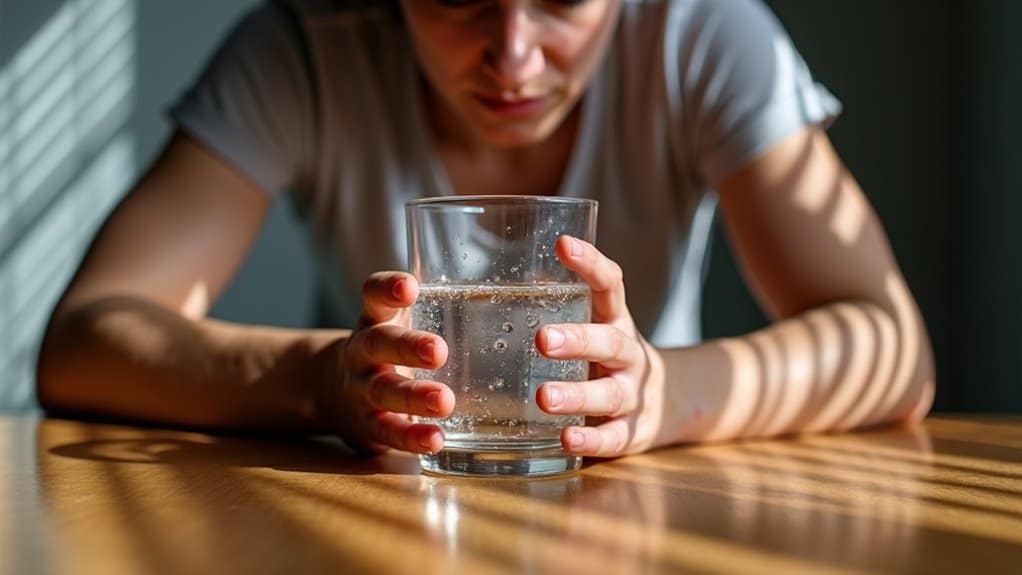
Successfully traversing alcohol withdrawal demands meticulous medical oversight and a meticulously planned treatment strategy. You’ll need comprehensive medical supervision to navigate the potentially life-threatening complications like delirium tremens and seizures that can emerge within 48-72 hours of cessation. Heavy daily drinking puts you at higher risk for severe withdrawal symptoms.
During withdrawal, you’ll receive consistent patient monitoring of vital signs, particularly for cardiac irregularities and electrolyte imbalances. Your medical team will administer benzodiazepines to prevent seizures while providing IV fluids and essential nutrients. Seeking help is critical since alcohol withdrawal symptoms can begin as early as 6 hours after your last drink. They’ll watch for warning signs like confusion, hallucinations, or severe tremors that could indicate dangerous complications. A dedicated healthcare team provides personalized care throughout every stage of the withdrawal process.
Your treatment plan will include measures to minimize sensory stimulation, maintain hydration, and address nutritional needs. This structured approach guarantees you’re safely guided through withdrawal’s critical phases while laying groundwork for long-term recovery.
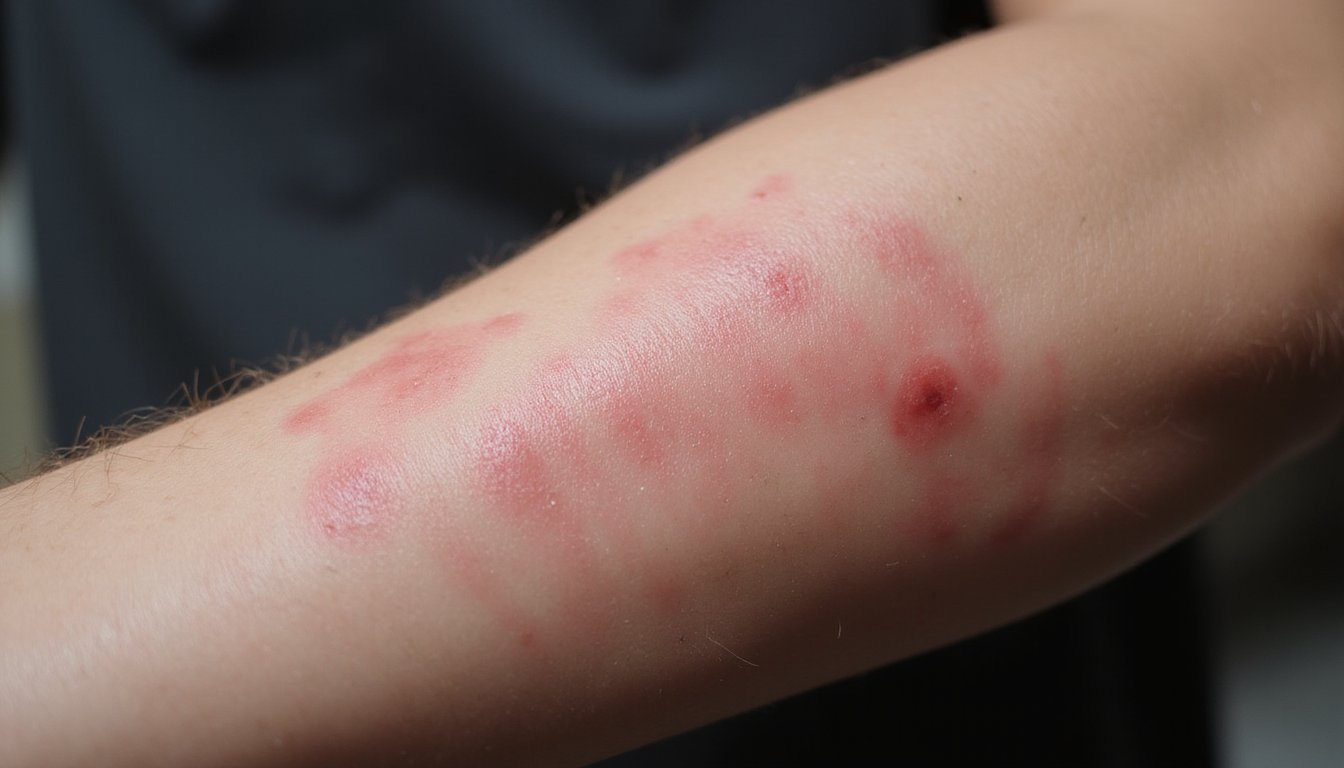
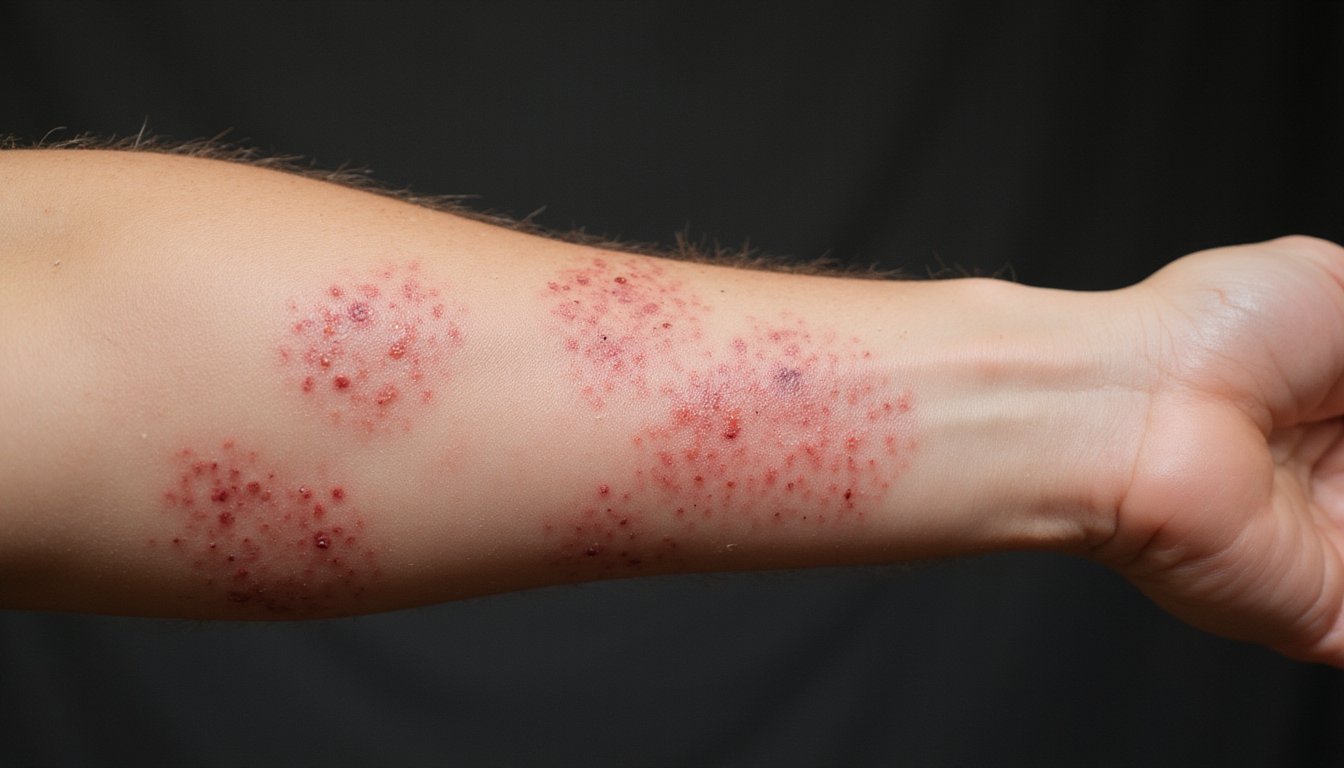
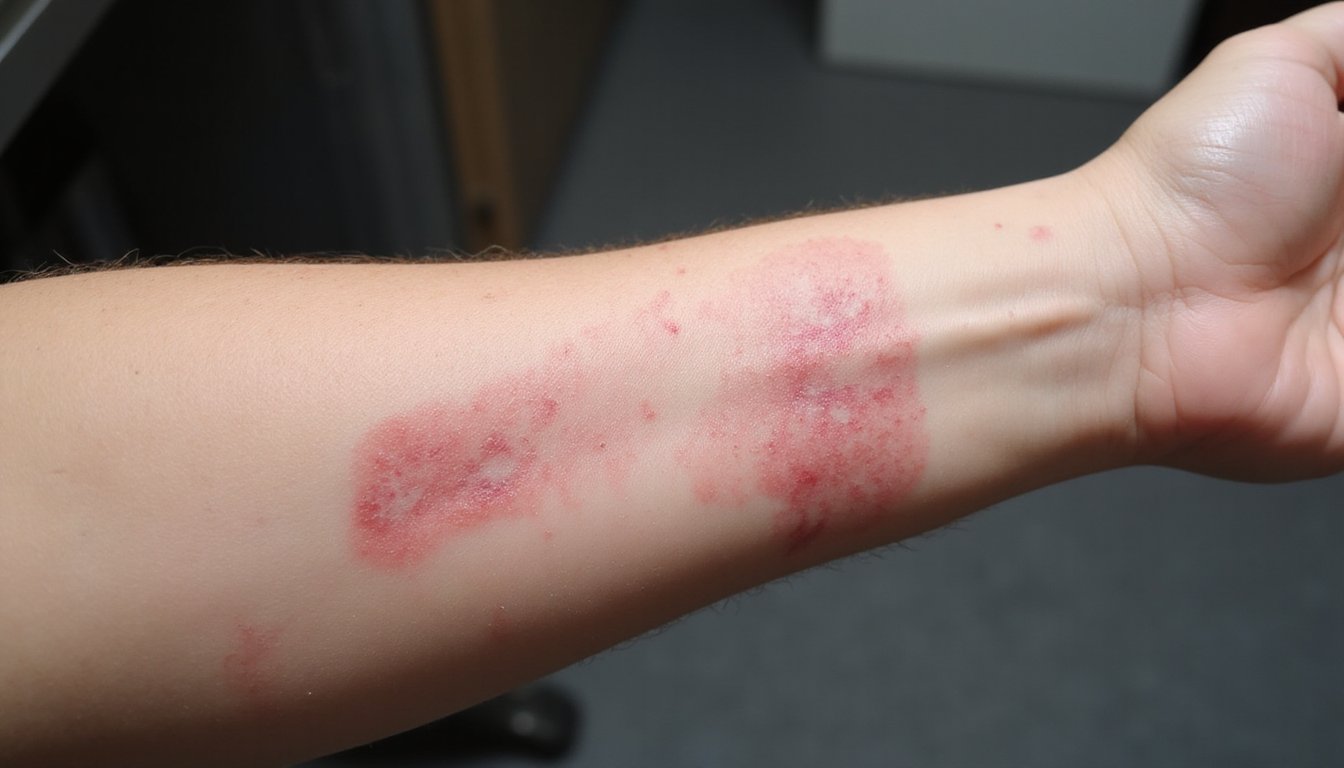
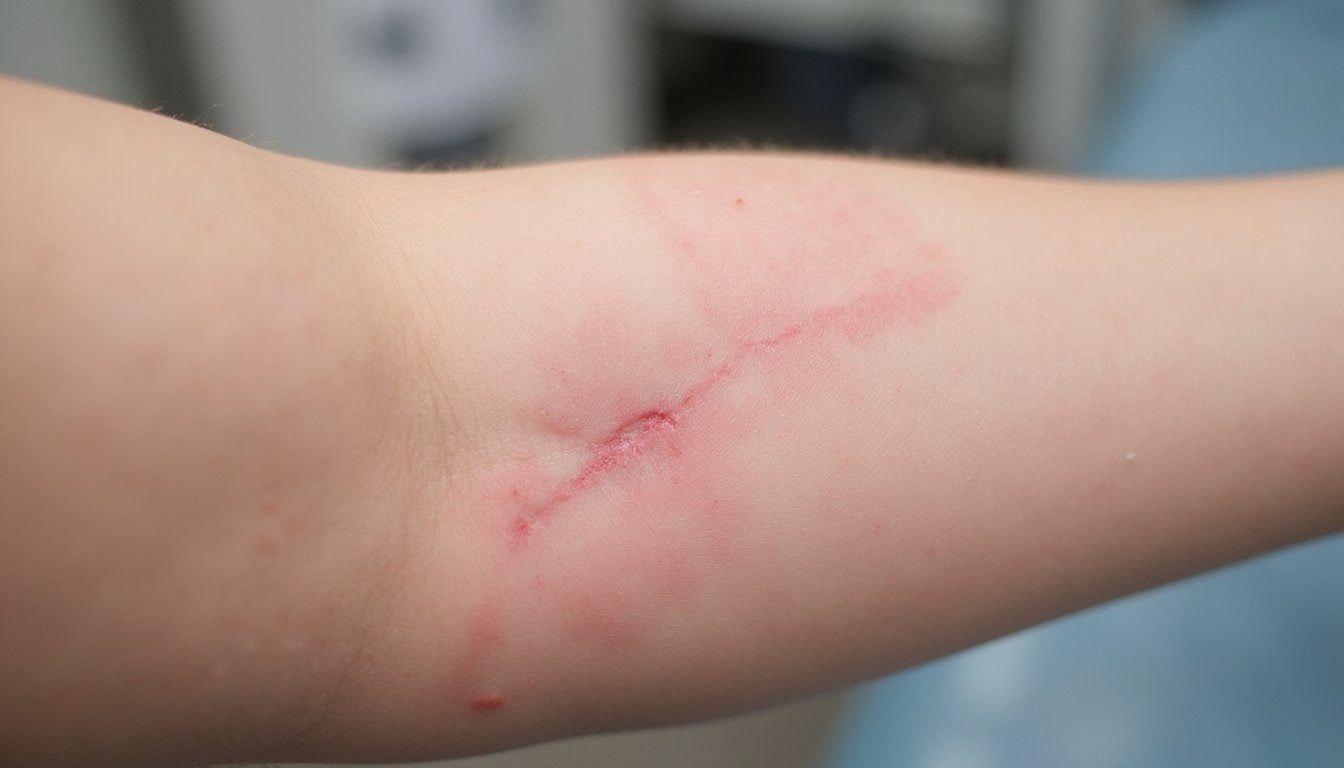
When your body starts changing in ways you never expected after drinking, it can feel frightening and isolating, like something is wrong but you cannot put it into words. At Outpatient Detox Tampa, we know how deeply those strange symptoms can shake you, from unexpected skin reactions to heart palpitations to feeling like your body is no longer your own. We connect you with trusted alcohol treatment centers and recovery resources, so you do not have to face these unsettling body changes alone. Whether you are just beginning to notice the signs or you are ready to make a change for good, the right support is closer than you think. Call 740-562-7398 today and let us help you take that first step toward healing.
Frequently Asked Questions
Can Alcohol Withdrawal Symptoms Vary Based on Your Genetic Makeup?
Yes, your genetic makeup markedly influences how you experience alcohol withdrawal. Genetic variation influences both the severity and types of symptoms you’ll face during detox. Your ethnic background, particularly through genes like SORCS2 and DAT1, can affect your withdrawal intensity. These genetic differences explain why you might experience more severe symptoms than others, highlighting the importance of personalized withdrawal treatment approaches customized to your genetic profile.
Do Women Experience Different Withdrawal Symptoms Compared to Men?
Yes, you’ll notice distinct gender-specific patterns in alcohol withdrawal symptoms between men and women. Women generally experience symptoms with less alcohol consumption and after shorter periods of heavy drinking. You’ll find that men report more tremors and anxiety-related withdrawal symptoms, while women maintain better psychological functioning during withdrawal. Hormonal fluctuations may contribute to women’s heightened sensitivity to withdrawal effects, though they typically require lower doses of medication for treatment.
How Does Altitude Affect Alcohol Withdrawal Severity?
At higher altitudes, you’ll experience more severe alcohol withdrawal symptoms due to decreased oxygen levels affecting your brain function. The combination of altitude-induced dehydration and withdrawal can intensify your headaches, confusion, and fatigue. You’re also at greater risk for dehydration since your body loses fluids more rapidly at elevation. It’s pivotal to maintain careful medical supervision during withdrawal at altitude, as symptoms can escalate quickly and unpredictably.
Can Certain Foods Help Reduce Withdrawal Symptoms Naturally?
Yes, you can reduce withdrawal symptoms through strategic food choices. Focus on B-complex abundant foods like eggs, leafy greens, and whole grains to support your nervous system. While nutritional supplements can help, it’s best to get nutrients from whole foods initially. Herbal remedies may offer supplementary support, but consult your healthcare provider before using them. Prioritize protein-rich foods, complex carbohydrates, and omega-3 sources to stabilize mood and support your body’s healing process.
Do Withdrawal Symptoms Change With Age or Drinking History Length?
Your withdrawal symptoms will vary extensively based on both your maturity and drinking history length. As you get advanced, individual metabolism factors can heighten symptoms due to slower processing and potential health complications. Your drinking pattern changes over time also play a pivotal role longer-term, heavy use typically leads to more severe withdrawal due to extensive neurochemical adaptations. However, withdrawal severity isn’t solely age-dependent but rather combines multiple physiological factors unique to you.