



Chronic alcohol consumption triggers multiple physiological changes to your facial structure through established mechanisms. You’ll experience vasodilation leading to persistent redness, collagen degradation causing premature aging, and hepatic dysfunction resulting in facial edema. The breakdown of dermal integrity manifests as telangiectasia, while acetaldehyde accumulation disrupts normal tissue maintenance. These visible markers typically include periorbital swelling, spider veins, and deepened nasolabial folds. Understanding the full scope of alcohol’s impact reveals critical insights for prevention and recovery.
Understanding Alcohol’s Impact on Facial Features
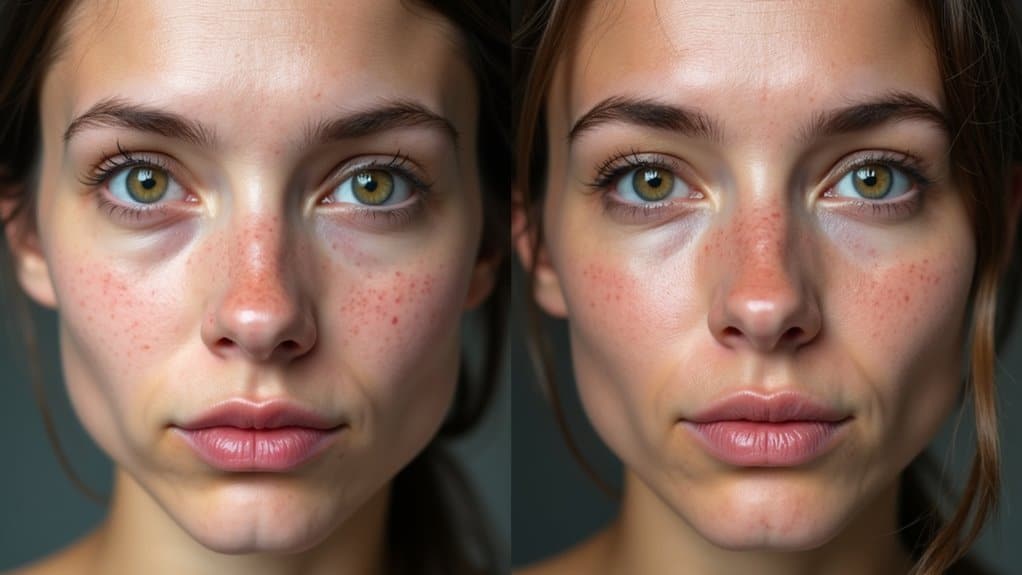
The systematic effects of alcohol on facial features manifest through multiple physiological mechanisms that progressively alter one’s appearance. You’ll notice your facial blood vessels dilate immediately after drinking, leading to pronounced flushing and diminished facial symmetry. This vascular response becomes more severe if you have enzyme deficiencies like ALDH2. For safety and support during recovery, many individuals seek treatment through security-protected websites. Chronic consumption disrupts facial musculature and causes persistent redness around your cheeks, nose, and forehead. You’ll develop telangiectasia, visible spider veins that create web-like patterns across your skin. The continuous cycle of drinking severely affects the skin’s moisture levels, leading to dry, wrinkled skin. Your capillaries weaken from repeated blood pressure fluctuations, leading to permanent breakage and red blotches. Furthermore, fluid imbalances from alcohol’s diuretic effects cause facial puffiness and under-eye swelling, while liver dysfunction can trigger jaundice, marking advanced stages of alcohol-related facial deterioration. The accumulation of acetaldehyde buildup in your system intensifies these facial changes while increasing your risk of liver disease and pancreatitis.
The Science Behind Alcohol-Induced Facial Changes
Beneath the visible manifestations of alcohol-induced facial changes lies a complex interplay of biochemical cascades and physiological disruptions. At the molecular level, alcohol triggers extensive damage to your epidermal layer effects through multiple pathways. Sugary mixers significantly amplify alcohol’s dehydrating effects on facial tissue. Recent studies reveal that even low alcohol exposure during pregnancy can cause distinctive facial changes in children. Studies show that facial recognition impairment commonly occurs in individuals with alcohol dependence, particularly affecting their ability to identify expressions of disgust and sadness.
| Mechanism | Primary Impact | Secondary Effects |
|---|---|---|
| Oxidative Stress | ROS Generation | Collagen Breakdown |
| Vascular Response | Capillary Dilation | Telangiectasia |
| Hepatic Dysfunction | Toxin Accumulation | Tissue Inflammation |
Your skin’s deterioration accelerates through acetaldehyde buildup, which compromises dermal integrity while disrupting essential collagen synthesis. This toxic metabolite simultaneously triggers vasodilation, leading to characteristic facial flushing and eventual telangiectasia formation. The cascade extends deeper as hepatic impairment reduces detoxification capacity, allowing inflammatory mediators to accumulate. These molecular disruptions manifest in your facial tissues through compromised barrier function, persistent erythema, and accelerated aging processes.
Common Signs of Alcohol Abuse on the Face
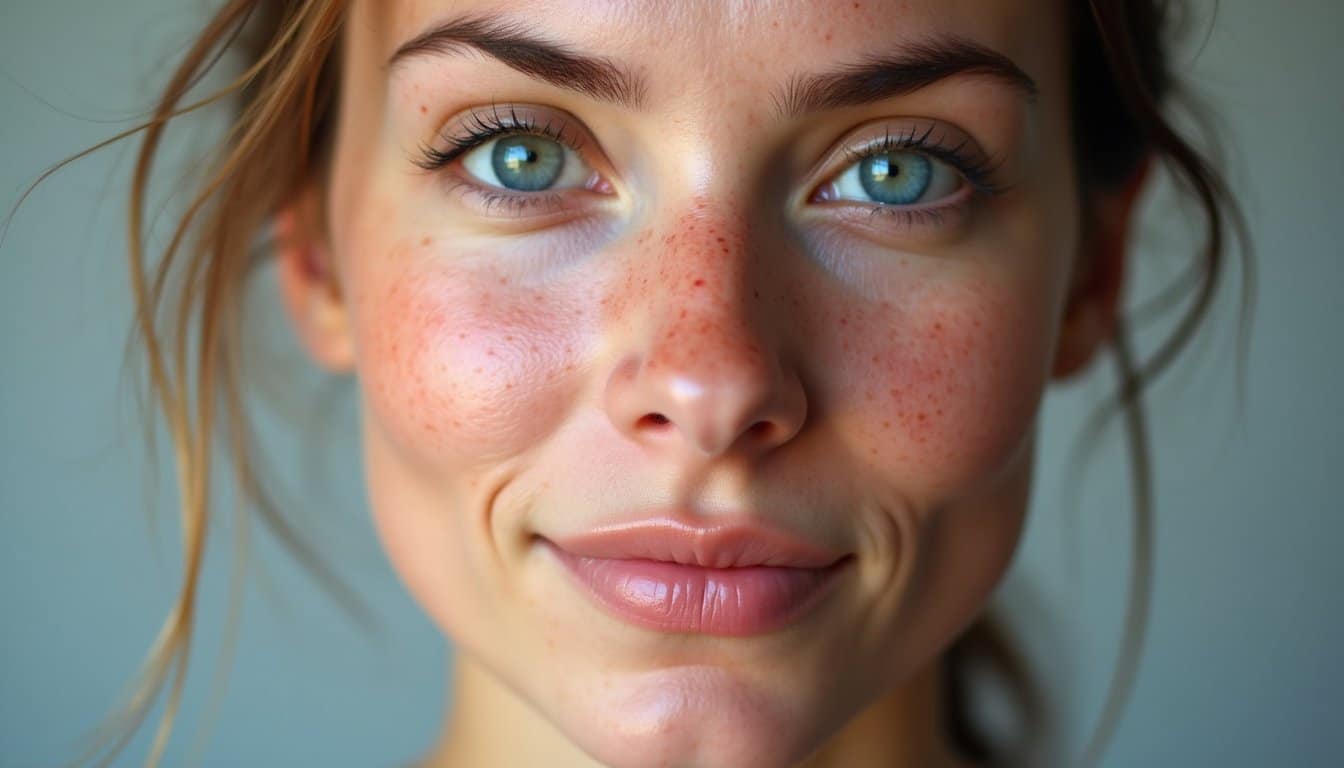
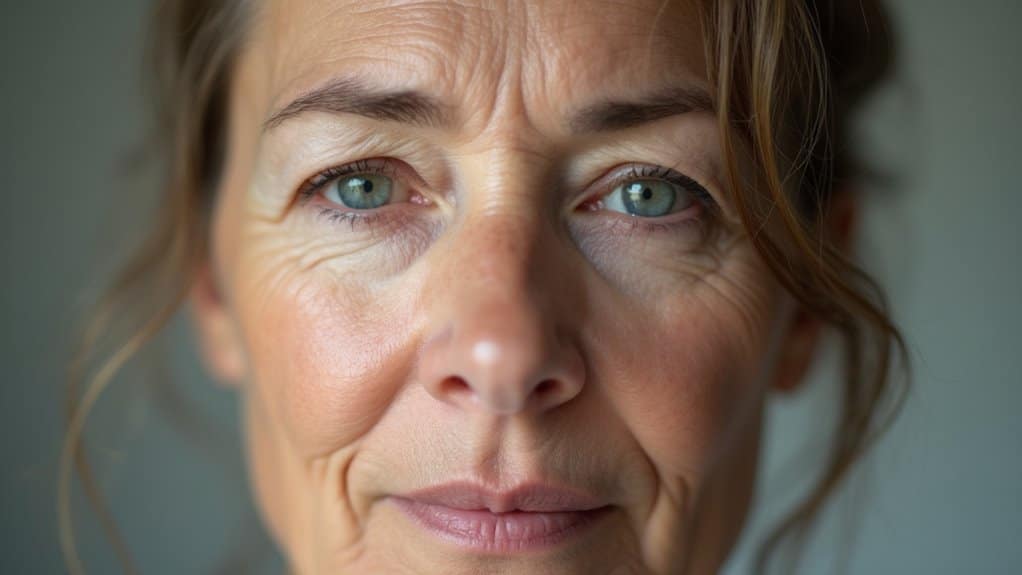
Visible manifestations of alcohol abuse frequently present through distinctive facial alterations that serve as diagnostic indicators for healthcare providers. You’ll notice a persistently flushed complexion, particularly across the cheeks and nose, resulting from chronic vasodilation. Vascular abnormalities manifest as spider veins and broken capillaries, creating web-like patterns beneath the skin’s surface. Poor personal grooming habits often result in a dishevelled appearance. Characteristic signs include periorbital edema with accompanying dark circles, facial puffiness from fluid retention, and premature aging markers such as deepened nasolabial folds. The disrupted sleep patterns from alcohol consumption often intensify the appearance of under-eye darkness. Excessive drinking leads to unhealthy liver function, causing toxins to accumulate and contribute to facial swelling. You’ll observe textural changes including enlarged pores, dehydration-induced fine lines, and loss of dermal elasticity. In advanced cases, you may develop jaundice, indicating hepatic dysfunction, while chronic inflammation can lead to persistent facial bloating and structural changes in soft tissue composition.
Short-Term Vs Long-Term Effects on Facial Appearance
While acute alcohol consumption triggers immediate facial alterations, chronic abuse manifests through progressive anatomical deterioration that fundamentally reshapes facial architecture. In the short term, you’ll notice facial bloating, vasodilation-induced redness, and periorbital edema within hours of drinking. Your skin becomes dehydrated, leading to temporary texture changes and amplified pore visibility. Consistent drinking causes vitamin A deficiency, resulting in a grayish complexion and uneven skin tone. Heavy drinking patterns can significantly increase your risk of developing alcohol use disorder. As your body begins to adjust, you may experience symptoms after quitting alcohol such as anxiety, irritability, and sleep disturbances, all of which can further impact your skin’s appearance. These withdrawal effects can exacerbate existing skin issues, making it crucial to adopt a supportive skincare routine. Staying hydrated and incorporating nourishing ingredients can help mitigate some of the negative effects on your skin during this transition period.
Long-term abuse initiates glycation-induced changes, permanently compromising your facial structure through collagen degradation. You’ll develop persistent telangiectasia, chronic erythema, and irreversible elastin damage. Your liver dysfunction may manifest as jaundice and pallor, while nutrient deficiencies accelerate premature maturing. The cumulative impact includes deep nasolabial folds, permanent vessel dilation, and treatment-resistant skin conditions like rosacea. These changes create a characteristic matured appearance that persists even during periods of sobriety.
Medical Complications Affecting Facial Structure

Chronic alcohol abuse systematically disrupts facial architecture through multiple pathophysiological mechanisms. You’ll experience vascular changes as blood vessels weaken, creating spider veins and persistent facial flushing. Alcohol-induced edema manifests as periorbital swelling and facial bloating, while hepatic dysfunction leads to jaundice and uneven skin pigmentation. Heavy consumption can add up to five large glasses of wine weekly, significantly impacting facial appearance. In addition to these physical changes, the strange alcohol effects on health can extend to mental and emotional well-being, often exacerbating anxiety and depression. Social interactions may also shift, as alcohol can alter judgment and decrease inhibitions, leading to behaviors that might not align with one’s true self. Over time, these compounded effects create a complex web of issues that transcend mere physical appearance.
The condition can progress to rhinophymatic discoloration, characterized by an inflamed, bumpy nose with distinctive red-purple hues. You’ll notice compromised skin integrity from nutrient deficiencies, particularly vitamins B and C, resulting in accelerated aging and reduced elasticity. Ocular manifestations include chronic vessel dilation in the eyes and corneal sensitivity. The cumulative effect creates a characteristic constellation of symptoms: facial swelling, vascular abnormalities, and structural alterations that become increasingly pronounced with continued alcohol abuse.
Prevention and Recovery Options
Implementing targeted interventions can effectively mitigate and reverse alcohol-induced facial alterations. Your recovery protocol should encompass dermatological therapies, nutritional supplementation, and emotional wellbeing considerations. Begin with medical-grade skincare products containing retinoids and antioxidants to address vascular damage and collagen degradation. Incorporate professional treatments like IPL or sclerotherapy to target telangiectasias and facial erythema.
Holistic recovery approaches must include strict UV protection, hydration monitoring, and dietary modifications emphasizing anti-inflammatory nutrients. You’ll need to maintain ideal protein intake for dermal matrix regeneration while supplementing with vitamins A, C, and E. Regular dermatological assessments can track vascular improvements and skin barrier restoration. Consider mindfulness practices and therapeutic support to address psychological triggers, as stress management directly impacts facial inflammation and vascular response patterns.
Lifestyle Changes to Restore Facial Health
Your facial tissue regeneration begins with proper cellular hydration through increased water intake and electrolyte balance, which helps restore dermal elasticity and reduce inflammation caused by chronic alcohol exposure. You’ll need to implement a consistent skincare regimen that includes gentle cleansers, barrier-repairing moisturizers, and broad-spectrum UV protection to support epidermal healing and prevent further photodamage. Your nutritional focus should prioritize antioxidant-rich foods, B-complex vitamins, and omega-3 fatty acids to repair compromised skin structures and support hepatic function during recovery. Since alcohol significantly impacts sleep patterns, establishing healthy sleep habits can help reduce dark under-eye circles and improve overall facial appearance. Behavioral interventions like mindfulness techniques can help manage stress-induced skin inflammation by strengthening neural circuits associated with emotional regulation and reducing alcohol cravings.
Hydration and Skincare Basics
When restoring facial health after alcohol abuse, proper hydration serves as the cornerstone of skin rehabilitation. Your stratum corneum requires ideal moisture levels to maintain barrier function and facilitate cellular repair. Implementing skin hydration essentials helps restore elasticity while complexion radiance enhancers improve circulation and toxin removal. The skin actively works to combat fine lines through adequate moisture retention.
| Hydration Action | Clinical Benefit |
|---|---|
| Water Intake (8+ glasses) | Amplifies dermal matrix density |
| Barrier Protection | Reduces trans-epidermal water loss |
| Microbiome Support | Strengthens antimicrobial defense |
| Collagen Synthesis | Improves structural integrity |
| Toxin Elimination | Accelerates cellular detoxification |
You’ll notice improved skin texture as proper hydration helps minimize pore size, reduce inflammation, and support your skin’s natural repair mechanisms. This restoration process optimizes sebum production while strengthening your skin’s protective barrier against environmental stressors and pathogens.
Balanced Nutrition Repairs Damage
Beyond proper hydration, targeted nutritional interventions play a direct role in repairing alcohol-induced facial damage. You’ll need to prioritize nutrients that combat oxidative stress and support collagen synthesis. Start by improving gut microbiome health through probiotic-rich fermented foods, which boost absorption of skin-critical nutrients.
Focus on restoring antioxidant status with flavonoid-rich berries and polyphenol-containing foods like dark chocolate and tomatoes. These compounds neutralize the free radicals generated by alcohol consumption. Supplement with B-complex vitamins, particularly thiamine and B12, to support cellular regeneration. Include zinc-rich proteins and bone broth to rebuild compromised collagen networks. The amino acids in gelatin help reconstruct dermal matrix proteins, while omega-3 fatty acids reduce inflammatory markers that accelerate facial aging.
Treatment Options for Alcohol-Related Facial Damage
Treatment of alcohol-induced facial damage requires an extensive, multimodal approach that addresses both superficial and systemic manifestations. You’ll need targeted dermatological procedures combined with thorough liver support to effectively reverse the damage.
Begin with gentle cleansing protocols using pH-balanced products while incorporating hyaluronic acid and ceramide-rich moisturizers. You’ll require specialized interventions like chemical exfoliants for texture improvement and targeted treatments for conditions like rhinophyma or alcoholic nose. Professional medical support should include vitamin B12 and folate supplementation, alongside topical medications for specific conditions.
Your treatment plan must also encompass lifestyle modifications, maintain proper hydration, increase omega-3 intake, and prioritize 7-9 hours of sleep. For ideal results, you’ll need consistent UV protection and regular dermatologist consultations to monitor progress and adjust protocols accordingly.
There is a moment that stays with you, when you look at an old photo and barely recognize the face looking back, and somewhere deep down you already know why. At Outpatient Detox Tampa, we understand how emotionally devastating it can be to watch alcohol slowly reshape the face you once knew, whether it is your own reflection or someone you love more than words can say. We connect you with established alcohol treatment centers and recovery resources, because the changes alcohol leaves on your face are not just skin deep and healing deserves to start from a place of real compassion and proper care. Whether you are confronting what you see in the mirror for the first time or you have been carrying this pain quietly for far too long, the right support is already out there waiting for you. Call 740-562-7398 today and let us help you take that first step toward healing.
Frequently Asked Questions
Can Facial Changes From Alcohol Abuse Be Completely Reversed After Stopping Drinking?
You’ll experience partial facial recovery after cessation, but complete reversal isn’t guaranteed. While alcohol’s impact on skin elasticity and dehydration’s effect on facial features can improve with sobriety, some changes remain permanent. You can restore hydration levels and reduce inflammation, but telangiectasia and advanced rhinophyma typically require medical intervention. Your recovery success depends on abuse duration, genetic factors, and adherence to proper skincare and nutrition protocols.
At What Age Do Alcohol-Related Facial Changes Typically Become Most Noticeable?
You’ll typically notice significant alcohol-related facial changes between years 35-45, though this varies based on alcohol exposure duration and genetic predisposition. The manifestation timing depends on your individual metabolic efficiency, ethnicity-linked alcohol dehydrogenase levels, and cumulative oxidative stress. Your vascular changes and collagen degradation become more pronounced after 5-10 years of consistent drinking, regardless of when you started consuming alcohol regularly.
Does Mixing Certain Alcoholic Beverages Cause More Severe Facial Changes?
When you’re mixing spirit and wine consumption, you’ll likely experience more pronounced facial changes due to compounded effects rather than from individual beverages alone. You’ll notice amplified vasodilation and histamine responses, particularly affecting your periorbital tissues. Your face may show increased edema and erythema from combined dehydration effects. While varying effects on facial features occur, it’s the total volume and frequency of mixed alcohol consumption that primarily determines severity, not specific combinations.
How Quickly Can Facial Features Improve After Reducing Alcohol Consumption?
You’ll notice introductory improvements within the preliminary few weeks as reduced hydration levels normalize, decreasing facial puffiness and skin discoloration. During months 1-3, your skin’s lipid barrier strengthens and vascular function improves. Significant changes occur between 3-6 months when sustained sobriety allows for cellular regeneration and tissue repair. However, your recovery timeline depends on previous alcohol consumption patterns and adherence to proper nutrition and hydration protocols.
Do Genetics Play a Role in How Alcohol Affects Facial Appearance?
Your genetic predisposition profoundly influences how alcohol affects your facial appearance. Key metabolic factors, particularly ALDH2 and ADH1B polymorphisms, determine your body’s ability to process alcohol efficiently. If you’re of East Asian descent, you’re more likely to have protective genetic variants that cause facial flushing and deter heavy drinking. Without these protective alleles, you’ll be more vulnerable to alcohol-induced facial changes like premature aging and vascular damage.