


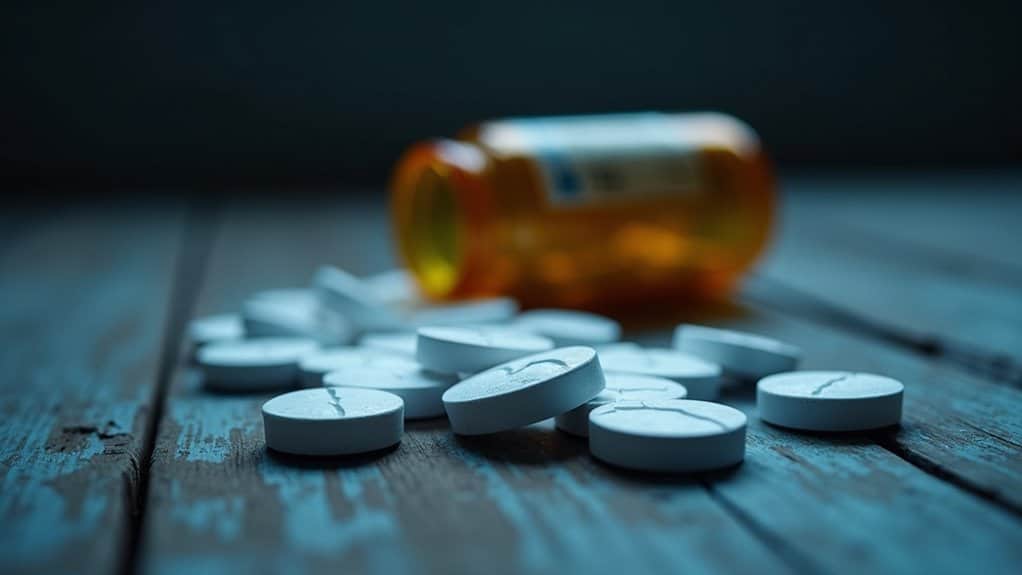
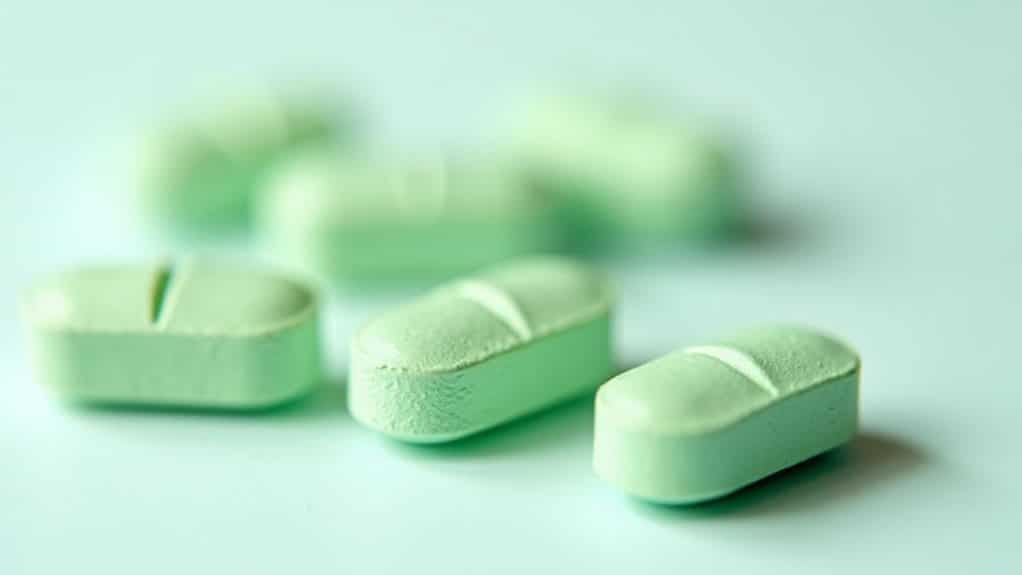


Xanax is the brand name for alprazolam, a fast-acting benzodiazepine that enhances GABA to ease anxiety and panic. You’ll find it prescribed for panic disorder and generalized anxiety disorder. It comes in ovals and bars, color-coded by strength, though appearance alone won’t verify authenticity. Its quick relief makes it habit-forming, and mixing it with alcohol or opioids, or taking counterfeits laced with fentanyl, can be fatal. Keep going to understand what protects you.
Key Takeaways
- Xanax (alprazolam) is a fast-acting benzodiazepine that enhances GABA-A receptor activity to reduce anxiety, treating panic disorder and GAD.
- Tablets appear in oval, round, or “bar” shapes, with colors indicating potency, though imprint codes are needed for reliable identification.
- The duration of effects varies by formulation, dose, and individual response, with extended-release formulations lasting longer than immediate-release Xanax.
- Its fast onset, quick clearance, and rebound anxiety within 6, 12 hours drive redosing, creating high potential for dependence and addiction.
- Mixing Xanax with alcohol or opioids can fatally suppress breathing, while counterfeit pills laced with fentanyl pose a deadly overdose risk.
What is Xanax (alprazolam) and what is it prescribed for
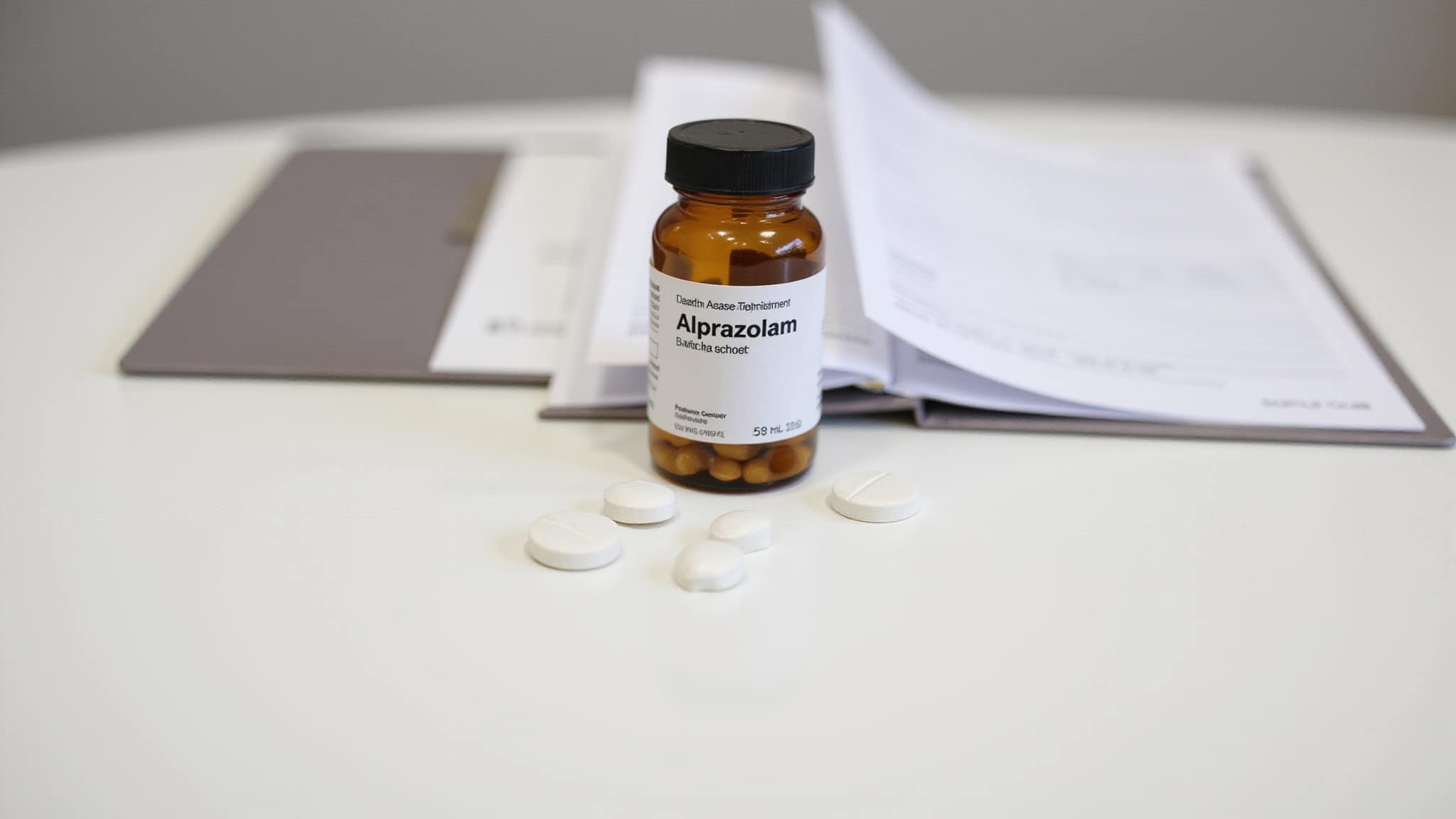
Xanax is the brand name for alprazolam, a fast-acting benzodiazepine in the triazolobenzodiazepine chemical class. Alprazolam binds to GABA-A receptors in your brain, enhancing the inhibitory effects of gamma-aminobutyric acid (GABA) to reduce anxiety. It slows electrical surges in deep brain regions responsible for fear, anxiety, and mania, relieving panic attacks. You’ll experience reduced anxiety, sedation, muscle relaxation, and anticonvulsant activity. Immediate-release formulations last approximately 6 hours, while extended-release versions (Xanax XR) provide symptom control for about 11.3 hours.
Your doctor may prescribe Xanax for panic disorder, generalized anxiety disorder (GAD), and panic disorder, and anxiety disorders as directed by a licensed prescriber. Because physiological dependence can develop rapidly, doctors typically prescribe it only for short-term relief, helping you manage symptoms while minimizing your risk of dependence.
How is Xanax identified (colors, shapes, bar markings)
Xanax is identified by shape, color, and imprint codes. Legitimate Xanax tablets typically appear in various shapes, including oval, round, and rectangular “bars,” each carrying specific imprints that confirm the dosage and manufacturer. Colors correspond to potency: white indicates 0.25 mg, blue oval represents 1 mg, and yellow or green bars signal 2 mg. Lower doses usually come in oval forms, while higher strengths appear as bars. Generic alprazolam carries distinct imprint codes, such as “XANAX 0.5” or “X ANA X 2,” depending on the manufacturer.
Because over 2,000 medications share a white, round appearance, you can’t rely on visual cues alone. Always verify the imprint code. Watch for warning signs of counterfeits, including inconsistent coloring, blurred or missing imprints, crumbling edges, or unusual tastes, which suggest the pill isn’t authentic.
What are the effects of Xanax on the body and mind

Xanax affects your body and mind by binding alprazolam to GABA-A receptors in your brain, enhancing the inhibitory effects of gamma-aminobutyric acid (GABA). This slows electrical surges in deep brain regions responsible for fear, anxiety, and mania, relieving panic attacks. You’ll likely notice reduced anxiety, sedation, muscle relaxation, and anticonvulsant activity. For immediate-release formulations, these effects last about 6 hours, while extended-release versions (Xanax XR) extend to roughly 11.3 hours.
Your body may also experience side effects. Common nervous system reactions include headache, dizziness, tremor, and clamminess, and you might notice back pain, muscle cramps, or twitching. Less frequently, more serious effects can occur, including amnesia, syncope, seizures, depressed consciousness, and sleep apnea syndrome. Understanding these responses helps you use Xanax safely under medical guidance.
Why is Xanax so habit-forming
Xanax is so habit-forming because alprazolam acts fast and clears your system quickly, giving it a high potential for dependence. Its rapid onset delivers quick relief, while its short duration prompts you to redose, reinforcing a cycle that your brain learns to crave. Over time, physiological changes develop, and stopping abruptly becomes dangerous.
Alprazolam’s fast onset and quick clearance create a cycle of relief and redosing your brain learns to crave.
Several factors drive this habit-forming nature:
- Rapid onset produces near-immediate anxiety relief, creating strong reinforcement.
- Short duration triggers rebound anxiety within 6, 12 hours, encouraging repeat dosing.
- Mood elevation and effects on adrenaline heighten misuse potential.
- GABA-A adaptation means your brain adjusts, requiring more to feel normal.
- Federal C-IV classification reflects recognized abuse and dependence risks.
If you’re caught in this cycle, know it’s physiological, not a failure, and medical support can help you recover safely.
Why mixing Xanax with alcohol or opioids can be fatal

Mixing Xanax with alcohol or opioids can be fatal because all three depress your central nervous system, and stacking them multiplies their effects rather than simply adding them together. When you combine these substances, your brain’s breathing and heart-rate controls slow dangerously, sometimes stopping entirely. Alprazolam enhances GABA, while opioids and alcohol add their own suppression, overwhelming your body’s ability to compensate.
| Substance | Primary Effect | Combined Risk |
|---|---|---|
| Xanax | Sedation | Respiratory depression |
| Alcohol | CNS slowing | Loss of consciousness |
| Opioids | Breathing suppression | Fatal overdose |
You may not recognize the danger until it’s too late, since sedation masks warning signs. If you’re struggling with combined use, seek medical support. You deserve help staying safe.
Why counterfeit Xanax laced with fentanyl is a deadly risk
Counterfeit Xanax laced with fentanyl is a deadly risk because a single pill may contain fentanyl instead of alprazolam, and that swap can kill you. Street-pressed counterfeit Xanax frequently contains fentanyl or other dangerous substances, dramatically raising your risk of fatal overdose. Because visual identification is unreliable, you can’t tell a laced pill from an authentic one by sight alone.
Watch for these warning signs of a counterfeit tablet:
- Inconsistent coloring across pills from the same batch
- Blurred, missing, or incorrect imprint codes
- Crumbling or uneven edges
- An unusual taste compared to crisp, authentic tablets
- Any pill obtained outside a licensed pharmacy
Even a small amount of fentanyl can cause respiratory depression and death. If you’re struggling, please reach out. Only pharmacy-dispensed medication offers verifiable safety.
How Tampa Outpatient Detox connects people to benzodiazepine treatment
Tampa Outpatient Detox connects you to medically supervised benzodiazepine treatment that meets you where you are. Because abrupt cessation can trigger dangerous withdrawal, rigors, loss of leg control, tremors, and seizures, you shouldn’t attempt to quit alone. Tampa Outpatient Detox helps you explore benzodiazepine detox options and connects you with licensed treatment providers that can assess withdrawal risk and develop an appropriate tapering plan.
You’ll receive ongoing monitoring to manage rebound anxiety, sleep disturbances, and physiological changes as your body adjusts. Throughout the process, staff coordinate your care and link you to counseling and long-term recovery resources that address the underlying reasons you started using.
You don’t have to navigate this alone. Reaching out is the first step toward safe, sustained recovery.
Understand Xanax Use Before Dependence Develops
Xanax can provide fast relief for anxiety and panic, but repeated use can lead to tolerance, rebound anxiety, and physical dependence. Tampa Outpatient Detox helps people concerned about Xanax dependence and benzodiazepine addiction explore medically supervised tapering, withdrawal monitoring, and continued recovery support. Call 740-562-7398 to discuss treatment options.
Frequently Asked Questions
How Long Can Xanax Be Detected in Your System?
Xanax’s effects typically last about 6 hours for immediate-release tablets and around 11.3 hours for extended-release (Xanax XR) versions. However, the drug itself lingers longer in your body since alprazolam has a longer half-life than its active duration. If you’re taking it, you may notice rebound anxiety within 6, 12 hours if your dose runs low. Always follow your doctor’s guidance, especially since dependence can develop quickly.
Is Xanax Safe to Take During Pregnancy or Breastfeeding?
You shouldn’t take Xanax while pregnant or breastfeeding without your doctor’s guidance. Alprazolam crosses the placenta and can cause fetal harm, withdrawal symptoms, or sedation in newborns. It also passes into breast milk, potentially causing drowsiness or feeding difficulties in your baby. If you’re managing anxiety during this time, talk with your healthcare provider about safer alternatives. Never stop abruptly, since sudden withdrawal carries its own serious risks.
Is It Safe to Drive After Taking Xanax?
No, driving after taking Xanax isn’t safe. Alprazolam causes sedation, dizziness, and slowed reaction times, which impair your ability to operate a vehicle safely. You might also experience tremors, drowsiness, or depressed consciousness, further reducing alertness. These effects can last around 6 hours with immediate-release tablets and longer with extended-release versions. If you’re taking Xanax, avoid driving and talk with your doctor about managing your daily activities safely.
How Should Xanax Be Stored and Disposed of Safely?
Store your Xanax in its original labeled bottle, keeping different strengths separate to prevent dangerous mix-ups. Roughly 25% of benzodiazepine-related ER visits stem from this error. Keep it away from children and moisture. For disposal, don’t just toss it in the trash; use a drug take-back program or pharmacy drop-off when possible. If those aren’t available, follow FDA guidance for safe disposal to protect others from accidental harm.
You’ve got several evidence-based options worth exploring. Regular exercise, mindfulness meditation, and cognitive behavioral therapy all show strong research support for reducing anxiety. Some people find relief with limiting caffeine, improving sleep, and practicing deep-breathing techniques. Certain supplements like chamomile or L-theanine may help mildly, but evidence is limited. These aren’t replacements for prescribed treatment, so talk with your doctor before making changes, especially if you’re managing panic disorder.