







Xanax can visibly change your face through several mechanisms. Long-term Xanax misuse may affect appearance indirectly through sedation, disrupted self-care, sleep changes, nutrition, and other health effects. Its sedative effects trigger fluid retention, causing facial puffiness, bloating, and dark undereye circles. Because Xanax relaxes muscles, you may notice drooping eyelids, slack features, and a flat, expressionless affect. Chronic misuse accelerates these changes and worsens self-care. Understanding which effects are temporary versus lasting can help you act sooner.
Key Takeaways
- Long-term use reduces collagen production, causing sagging skin, wrinkles, and fine lines that make the face appear prematurely aged.
- Sedation triggers fluid retention, leading to facial puffiness, bloating, and dark undereye circles that resemble weight gain.
- Muscle-relaxant effects reduce facial tension, producing drooping eyelids, slack expressions, flat affect, and occasional facial asymmetry.
- Decreased natural moisturizing factor production leaves skin thinner and drier, making underlying blood vessels more visible.
- Some facial changes are temporary and resolve as the drug clears, while structural damage may become permanent with chronic use.
Can Xanax affect your face and appearance
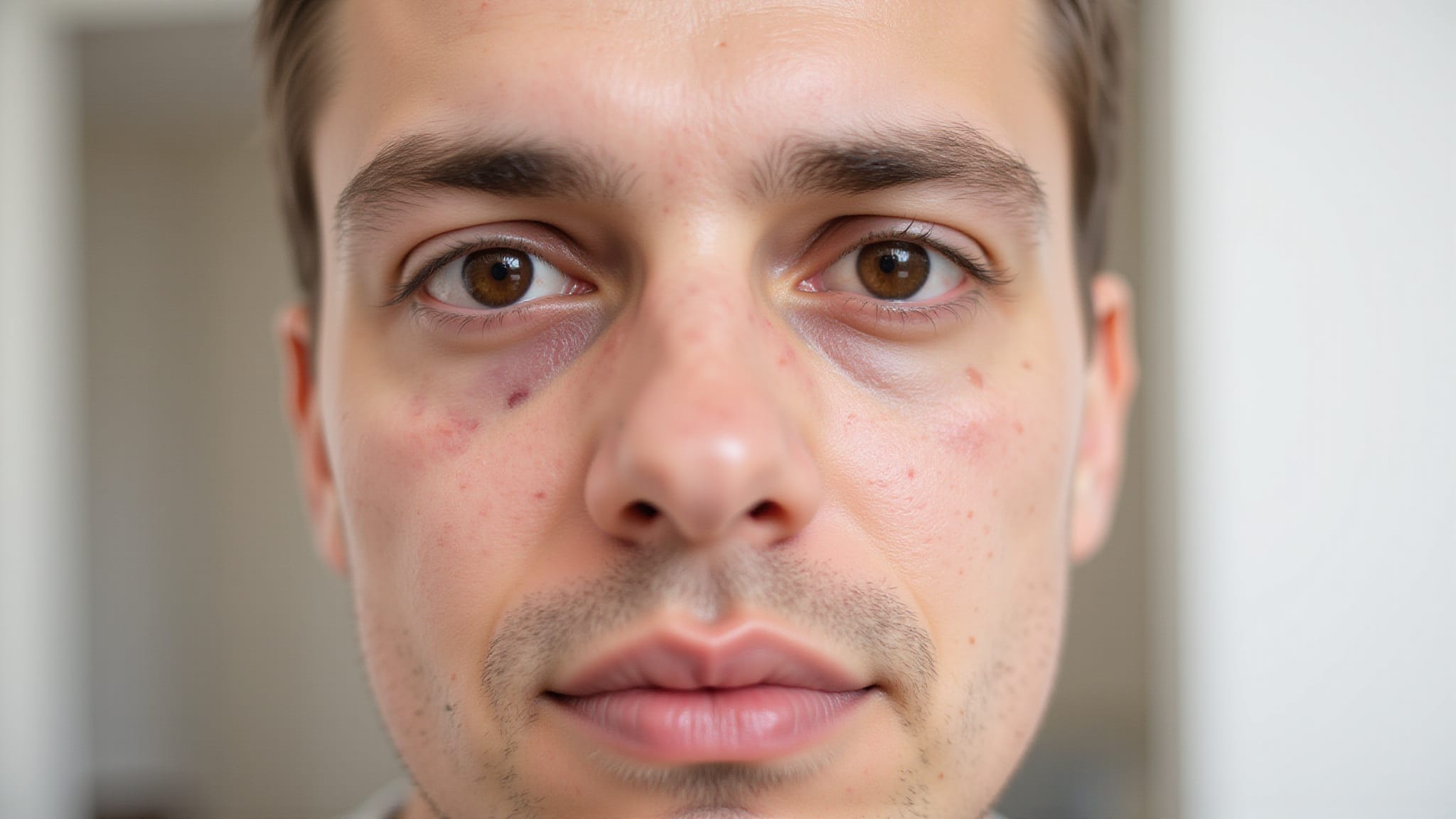
Xanax can affect your face and appearance in several visible ways. Long-term use can reduce collagen production, leaving your skin less firm and more prone to sagging, wrinkles, and fine lines. You may notice decreased natural moisturizing factor production, which thins your skin and makes it appear dry. The drug’s sedative properties often trigger fluid retention, causing facial puffiness, bloating, and dark undereye circles. Your eyes can develop drooping eyelids, a glassy or unfocused gaze, and either constricted or dilated pupils. Muscle relaxation reduces facial expressiveness, producing a flat affect and occasional asymmetry. Additionally, benzodiazepines can trigger acne-like eruptions, and systemic effects like dry mouth and weight changes further alter your facial appearance.
Why sedation and puffiness (facial swelling) can occur
Sedation and facial puffiness stem from distinct mechanisms tied to how Xanax acts on your body. As a sedative, Xanax enhances GABA activity, slowing central nervous system function and promoting excessive sleep. This prolonged, heavy sedation exacerbates fluid buildup in your facial tissues, since extended periods of inactivity and recumbency allow fluid to pool.
Facial swelling can occur for different reasons, including an allergic reaction, but puffiness should not automatically be attributed to Xanax-related fluid retention. When fluid accumulates in facial tissues, you’ll notice puffiness, bloating, and swelling that can mimic weight gain. This retention often produces dark undereye circles and generalized facial swelling.
Compounding these effects, dehydration paired with elevated stress levels thins your skin, making underlying blood vessels more visible. Together, these processes create the bloated, swollen appearance associated with chronic use.
How Xanax can cause facial drooping or slackness when heavily sedated

Xanax causes facial drooping or slackness when heavily sedated because its muscle-relaxant properties reduce the resting tension in your facial muscles, producing visible drooping and slackness. As sedation deepens, your eyelids grow heavy and droop, creating ptosis, a half-awake, distant appearance. This reduced muscle tone can extend across your face, occasionally producing facial asymmetry when muscle relaxation affects one side more than the other. Diminished tension around your mouth and cheeks contributes to a slack, expressionless presentation. You may also develop a “flat” facial affect, where reduced emotional expressiveness combines with mechanical muscle relaxation to blunt your normal expressions. Emotional blunting and reduced motivation reinforce this blank, apathetic look. Slurred speech and slowed movement frequently accompany these changes, reflecting the neurological depression affecting your facial muscle control during heavy sedation.
How chronic misuse affects overall appearance and self-care
Chronic Xanax misuse accelerates your aging appearance while degrading the self-care habits that maintain healthy skin. The physiological stress of dependency diminishes collagen synthesis, leaving your skin less firm and more prone to sagging and deeper wrinkles. Simultaneously, emotional blunting and reduced motivation suppress your drive to hydrate, cleanse, and nourish your skin, compounding these deficits. As natural moisturizing factor production declines, your skin thins and dries, exposing more visible blood vessels. Excessive sedation-induced sleep promotes fluid retention, producing persistent facial puffiness and dark undereye circles. When you neglect basic hygiene and nutrition, acne eruptions and scarring persist longer. Collectively, these systemic and behavioral effects produce a prematurely aged, poorly maintained facial presentation that worsens with continued misuse.
Why dehydration and poor sleep from misuse show on the face

Dehydration and poor sleep from misuse show on the face because both degrade skin quality and fluid balance, and your face registers the damage directly. Xanax sedates you into longer sleep, but the quality of that rest and your hydration status both deteriorate. Dehydration thins your skin and makes underlying blood vessels more visible, while high stress compounds this effect. Reduced natural moisturizing factor production leaves your skin dry and thinner-looking. Fluid retention from sedative effects produces facial puffiness and dark undereye circles, and excessive sleep from misuse exacerbates fluid buildup in facial tissues.
| Factor | Mechanism | Facial Result |
|---|---|---|
| Dehydration | Skin thinning | Visible vessels |
| Low moisture | Reduced NMF | Dry, thin skin |
| Fluid retention | Sedation | Puffiness |
| Excess sleep | Tissue buildup | Undereye circles |
| Stress | Vascular strain | Bloodshot look |
These combined mechanisms visibly age you.
Which effects are temporary versus signs of deeper harm
Temporary effects resolve once the drug clears or hydration improves: facial puffiness, fluid retention, undereye circles, dry mouth, bloodshot eyes, and drooping eyelids reflect acute sedation and fluid shifts. You’ll notice these fluctuate with dosing and sleep. Deeper harm accumulates from prolonged use: reduced collagen synthesis, diminished natural moisturizing factor, and persistent acne scarring produce sagging skin, deepened wrinkles, and thinning that won’t reverse quickly. Emotional blunting and flat affect signal neurological adaptation. When you see structural changes rather than transient swelling, your body’s signaling chronic dependency’s toll, not a passing side effect.
How Tampa Outpatient Detox connects people to treatment
Tampa Outpatient Detox connects you to treatment through guidance on appropriate benzodiazepine detox options and connections to trusted outpatient treatment providers based on your needs. Clinicians document observable markers, ptosis, flat affect, fluid retention, and skin changes, to establish a baseline and gauge dependency severity.
From there, you’re matched to an individualized tapering protocol that reduces withdrawal risk while addressing the underlying physiological stress driving your symptoms.
- Medical evaluation: Your dosing history and withdrawal risk are quantified to determine taper speed.
- Symptom mapping: Facial and systemic signs are correlated with dependency stage.
- Care coordination: You’re referred to therapy, medical monitoring, or higher levels of care as indicated.
This evidence-based pathway ensures continuity from assessment through sustained recovery.
Get Help When Xanax Misuse Starts Affecting Your Appearance
Facial puffiness, drooping eyelids, dry skin, and a flat expression can sometimes reflect the sedative and longer-term effects of Xanax misuse. Tampa Outpatient Detox helps people concerned about Xanax side effects and benzodiazepine dependence explore supervised tapering, withdrawal support, and continued outpatient care. Call 740-562-7398 to discuss treatment options.
Frequently Asked Questions
Can Facial Changes From Xanax Improve After Stopping the Medication?
Some facial changes can reverse once you stop taking Xanax, though outcomes vary. You’ll likely see fluid retention, puffiness, and dark undereye circles subside as your body rebalances. Your “flat” affect and glassy gaze typically resolve as neurological function normalizes. However, structural changes like collagen loss, deep wrinkles, and acne scars may persist. You can support recovery through hydration, adequate nutrition, and dermatological treatment for lasting skin damage.
Can Xanax Cause Acne or Other Skin Reactions?
Yes, Xanax can trigger true acne or acne-like eruptions on your skin. If you’re a woman aged 60 or older taking it for less than one month, you face the highest documented acne risk. Younger adults using Xanax also experience increased breakouts. These drug-induced eruptions can leave persistent scars, contributing to visible aging signs. So you’ll want to monitor your skin closely and report any new eruptions to your prescriber.
Are Pinpoint Pupils From Xanax a Sign of a Medical Emergency?
Pinpoint pupils (miosis) from Xanax aren’t typically a medical emergency on their own, but they can signal significant CNS depression. You should watch for accompanying warning signs like extreme drowsiness, slowed or shallow breathing, confusion, or unresponsiveness. These may indicate an overdose and require immediate medical attention. Keep in mind that individual reactions vary, and some users experience dilated pupils instead. If you’re concerned about your dosage or symptoms, consult your prescriber promptly.
Can Xanax Cause Allergic Swelling of the Face or Lips?
Yes, Xanax can trigger allergic swelling of your lips or face. If you’re experiencing an allergic reaction, you may develop swelling of the lips or hives across your facial skin. These reactions reflect your immune system’s response to the medication. Because facial and lip swelling can compromise your airway, you should treat these symptoms as potentially serious and seek immediate medical evaluation to rule out a severe allergic response.
How Quickly Can Facial Changes From Xanax Appear?
The timing varies based on the specific effect. You’ll notice acute changes like drooping eyelids, glassy gaze, and flat facial affect within hours of dosing, as these reflect immediate sedative and muscle-relaxation mechanisms. Allergic swelling can appear rapidly, sometimes minutes to hours. However, you won’t see structural changes, reduced collagen, sagging, deeper wrinkles, and thinner skin, until prolonged use accumulates, typically developing over months of chronic dependency.