



Research shows that alcohol directly interacts with your brain’s anxiety regulation through the extended amygdala network and GABA system. You’ll find that 20-40% of people with anxiety disorders also develop alcohol use disorders, as drinking temporarily dampens the fight-or-flight response. Your brain’s PKCε signaling and compromised immune cells create a vicious cycle between anxiety and alcohol consumption. Understanding these neurobiological mechanisms reveals critical insights for breaking this destructive pattern.
The effects of alcohol on anxiety symptoms can exacerbate mental health issues, leading individuals into a downward spiral. As their anxiety increases, they may turn to alcohol more frequently, believing it will provide relief while only intensifying their symptoms in the long run. Addressing both anxiety and alcohol use simultaneously is essential for effective treatment and recovery. Research shows that alcohol directly interacts with the brain’s anxiety regulation systems through the extended amygdala network and the GABA system. Around 20, 40% of people with anxiety disorders also develop alcohol use disorders, largely because drinking can temporarily dampen the fight-or-flight response. However, alterations in PKCε signaling and immune system functioning help sustain a vicious cycle between anxiety and alcohol consumption.
This cycle is further reinforced by alcohol’s impact on sleep quality, as disrupted sleep amplifies anxiety symptoms and weakens emotional regulation. Understanding these neurobiological mechanisms highlights why anxiety often worsens over time, leading individuals to drink more frequently in search of relief that ultimately intensifies their symptoms. Addressing both anxiety and alcohol use simultaneously is therefore essential for effective treatment and long-term recovery.
Understanding the Neuroscience Behind Alcohol and Anxiety
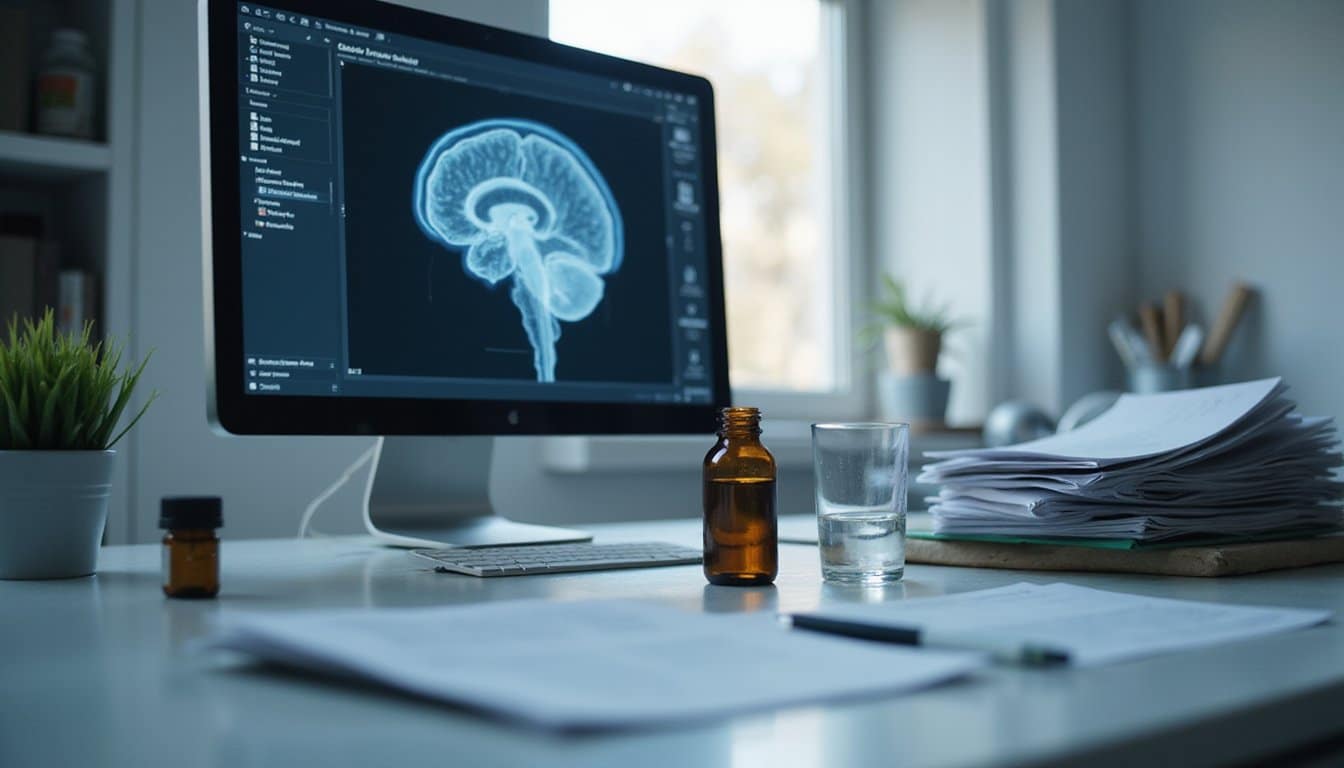
The relationship between alcohol and anxiety operates through complex neurobiological mechanisms centered in the brain’s extended amygdala network. When you consume alcohol, it initially dampens amygdala activity by enhancing GABA system dysregulation, which temporarily reduces your fight-or-flight response and negative emotional states. Recent research shows that PKCε signaling in the amygdala plays a crucial role in mediating anxiety-like behaviors associated with alcohol use. Studies reveal that chronic alcohol exposure leads to compromised immune cells that contribute to increased anxiety and continued drinking behavior. According to the Tulane University study, high alcohol consumption triggers distinct inflammatory responses in male versus female brains.
However, chronic alcohol use triggers lasting prefrontal cortex neuroplasticity and disrupts multiple neurotransmitter systems. Your brain adapts by releasing stress-related chemicals like corticotropin-releasing factor and dynorphin, while altering glutamate receptor function. During withdrawal, your amygdala circuits become hyperactive, intensifying anxiety symptoms. Research shows these neurological changes affect men and women differently, with male brains displaying more rapid inflammatory responses to alcohol in the basolateral amygdala region. This neurobiological cascade helps explain alcohol’s complex relationship with anxiety disorders.
The Complex Relationship Between Mental Health and Drinking
While researchers once viewed alcohol use and mental health as separate domains, mounting evidence demonstrates their intricate bidirectional relationship through multiple pathways. Your mental health status actively predicts drinking behavior changes, with poor mental health often preceding increased consumption. Partner dynamics profoundly influence genetic risk exposure, as your romantic partner’s traits and behaviors can either amplify or diminish your predisposition to alcohol problems. Research reveals that better mental health leads to greater reductions in alcohol consumption over time. Studies show that genetic factors contribute to approximately 50% of the risk for developing alcohol use disorder.
When you’re struggling with mental health, you’re more likely to maintain problematic drinking patterns, creating a challenging cycle to break. The neuroscience reveals that alcohol disrupts your brain’s natural mood regulation, leading to worsened emotional states regardless of initial feelings. Active drinkers consistently show higher psychological distress levels compared to those who maintain abstinence. This understanding has transformed treatment approaches, emphasizing partner empowerment strategies and integrated mental health care for more effective recovery outcomes.
Research-Backed Evidence of Bidirectional Effects

Extensive research over the past two decades has validated the bidirectional relationship between anxiety disorders and alcohol use through multiple longitudinal studies and meta-analyses. Studies show that 20% to 40% of people diagnosed with anxiety disorders also meet criteria for alcohol use disorders. Population-based studies confirm that self-medication patterns emerge as individuals attempt to manage anxiety symptoms through alcohol consumption, often leading to dependency over time. Recent psychiatric studies indicate that treatment for alcohol is needed by up to half of individuals experiencing anxiety disorders. The widespread use of alcohol as a coping mechanism leads to brain chemistry changes that worsen anxiety symptoms over time.
- Research demonstrates how anxiety-driven relapse occurs more frequently in patients with co-occurring disorders, creating a challenging cycle of symptoms
- Longitudinal data reveals that pre-existing anxiety disorders greatly increase the risk of developing alcohol use disorders, while chronic alcohol use can trigger new anxiety symptoms
- Clinical evidence shows neurological adaptations from prolonged alcohol use create lasting changes in stress response systems, perpetuating anxiety even after cessation
This bidirectional relationship creates unique treatment challenges that require addressing both conditions simultaneously for ideal outcomes.
Clinical Outcomes in Dual Diagnosis Patients
Research examining clinical outcomes in dual diagnosis patients reveals markedly poorer treatment response compared to single-diagnosis cases, with dual diagnosis individuals showing more than double the relapse rates within the initial 4 months post-treatment. You’ll find that conventional treatments effectively reduce anxiety symptoms but fail to improve alcohol-related outcomes meaningfully. Studies indicate that major depression frequently co-occurs with alcohol dependence, creating significant treatment challenges. Approximately one-third of Americans will develop an alcohol use disorder during their lifetime.
While integrated treatment models demonstrate better results than sequential treatment protocols, both approaches face challenges. You’ll need to wait 2-4 weeks of abstinence for accurate assessment of whether disorders are independent or alcohol-induced. Women tend to experience higher anxiety levels and show greater vulnerability to sustained alcohol use. Medication trials show mixed results; paroxetine reduces social anxiety but doesn’t affect alcohol use severity. Evidence suggests you don’t need to postpone anxiety treatment until addressing alcohol problems, as simultaneous interventions often prove more effective than sequential approaches. The key is determining whether conditions are independent or alcohol-induced to guide treatment selection.
Risk Assessment and Statistical Analysis

Sturdy statistical models have revolutionized how clinicians assess dual diagnosis risks in alcohol and anxiety disorders. Recent likelihood ratio analysis shows that AUDIT scores above 20 correlate dramatically with anxiety disorders, yielding ratios exceeding 3.5. Research confirms that up to 50 percent of individuals receiving treatment for alcohol use disorder also meet diagnostic criteria for anxiety disorders. Individuals experiencing chronic anxiety often turn to alcohol as a form of self-medication, creating a cyclical pattern. Screening tool performance data from large-scale epidemiological studies have identified clear bidirectional relationships between these conditions. To protect data integrity, websites employ security solutions that monitor and prevent potential online threats.
Key statistical findings include:
- National surveys of 43,000+ participants demonstrate 20-40% AUD prevalence among anxiety disorder patients
- Structural equation modeling reveals shared variance across anxiety/mood disorder diagnoses
- Longitudinal studies confirm increased cross-diagnostic risk, with severe anxiety patients showing heightened AUD susceptibility
These empirical insights have transformed clinical assessment protocols, enabling more precise risk stratification and earlier intervention strategies for dual diagnosis patients.
Treatment Approaches and Recovery Patterns
The complex interplay between alcohol use and anxiety disorders necessitates a multi-modal treatment approach combining pharmacological interventions and psychotherapy. You’ll find customized treatment plans typically incorporate FDA-approved medications like naltrexone, acamprosate, or disulfiram, alongside evidence-based therapies such as CBT. These interventions target both conditions simultaneously in dual diagnosis recovery.
Research shows challenging outcomes for co-occurring disorders, with 52% of patients returning to drinking within four months compared to 21% without comorbidity. While conventional treatments effectively reduce anxiety symptoms, meta-analyses indicate combined interventions don’t notably improve alcohol-related outcomes. You’ll need to examine that self-medication rates range from 50-97% in clinical samples, suggesting anxiety treatment shouldn’t be delayed until alcohol problems resolve in non-dependent cases.
Future Research Directions and Policy Implications
Major research gaps in alcohol-anxiety comorbidity studies require systematic investigation of self-medication pathways, neurobiological mechanisms, and diagnostic frameworks to advance evidence-based treatments. You’ll find that policy implementation needs clear guidelines for integrating mental health and addiction services, along with standardized protocols for early intervention programs targeting high-risk populations. Economic analyses of preventive strategies and healthcare system integration approaches will help determine the most cost-effective methods for addressing these interrelated disorders.
Research Gaps Assessment
Research into comorbid alcohol use and anxiety disorders reveals significant knowledge gaps that require immediate scientific attention. Current treatment integration frameworks show limited effectiveness, with meta-analyses of 15 randomized controlled trials demonstrating inadequate improvements in alcohol-related outcomes. Comorbidity assessment tools need substantial refinement to address these complex interactions.
Key research priorities include:
- Developing more rigorous randomized controlled trials with larger sample sizes and extended follow-up periods
- Investigating neurobiological mechanisms between anxiety disorders and alcohol dependence, particularly GABA and glutamate interactions
- Establishing standardized outcome measurements across dual diagnosis programs
You’ll find the most pressing need lies in understanding causal pathways, as social anxiety disorder precedes alcohol use disorder in up to 80% of cases, yet definitive evidence remains elusive regarding the self-medication hypothesis.
Policy Implementation Guidelines
Implementing exhaustive policy guidelines for alcohol and anxiety disorder treatment requires a methodically structured approach across multiple healthcare domains. You’ll need to establish regulatory frameworks that integrate evidence-based screening protocols with standardized assessment tools. Focus on developing quality assurance measures that monitor treatment effectiveness while maintaining compliance with federal regulations.
You must coordinate implementation strategies across primary care settings, ensuring proper integration of behavioral health services and FDA-approved medications. Consider adopting web-based interventions to amplify accessibility and scalability of treatment options. When establishing these protocols, you’ll need to incorporate trauma-informed care principles and create clear referral pathways between specialists. Your implementation guidelines should align with WHO’s global action plan while maintaining flexibility to accommodate individual patient needs through multi-modal intervention approaches.
When anxiety has wrapped itself so tightly around your drinking that you can no longer tell if alcohol is your solution or your source, that moment of painful clarity is one of the heaviest realizations a person can sit with alone. At outpatient drug rehab tampa fl, we understand how deeply alcohol and anxiety disorders become intertwined over time, feeding each other in ways that make breaking free feel almost impossible without the right understanding and the right people standing beside you. We connect you with accomplished alcohol treatment centers and recovery resources, because the direct relationship between alcohol and anxiety disorders is complex and deserves far more than generic advice it deserves specialized care from people who truly know how to help you heal both at once. The right help is already out there waiting for you. Call 740-562-7398 today and let us help you take that first step toward healing.
Frequently Asked Questions
How Long Does Anxiety Typically Last After Stopping Alcohol Consumption?
You’ll experience anxiety symptoms within 6-12 hours after your last drink, with peak intensity occurring during the initial 24-72 hours of the withdrawal timeline. While acute symptoms typically subside within a week, you may face prolonged anxiety lasting several months. Your risk of alcohol-induced panic attacks is highest around the one-month mark after quitting. The duration varies extensively among individuals, with some experiencing anxiety symptoms for up to six months post-cessation.
Can Certain Types of Alcohol Trigger Anxiety More Than Others?
While all alcoholic beverages can trigger anxiety, you’ll find that certain wine types containing higher levels of congeners and sulfites may intensify anxiety symptoms more than others. Red wine, in particular, can trigger more severe reactions due to its higher histamine content. Beer consumption typically causes less immediate anxiety compared to spirits, but the volume you drink matters more than the type in determining anxiety severity.
What Role Do Genetics Play in Alcohol-Induced Anxiety Disorders?
Your genetic susceptibility plays a substantial role in alcohol-induced anxiety, accounting for roughly 50% of your risk. When you have a family history of alcohol use disorders, you’re 2-6 times more likely to develop similar issues. However, genetics don’t work alone; environmental influences interact with your genetic predispositions to potentially trigger anxiety disorders. Research shows specific genes like SNCA and DRD2 are directly involved in this complex relationship.
Does Age of First Alcohol Consumption Affect Lifetime Anxiety Disorder Risk?
While research shows initial alcohol exposure can disrupt adolescent brain development, there isn’t enough direct evidence to definitively link timeframe of inaugural consumption to lifetime anxiety disorder risk. The current data primarily focuses on how early drinking increases risk for alcohol use disorders and how long-term alcohol use impacts anxiety symptoms. You’ll find more research examining the reverse relationship, how pre-existing anxiety predicts earlier alcohol initiation in adolescents.
How Do Hormonal Changes Interact With Alcohol-Related Anxiety in Women?
Your hormonal fluctuations substantially impact how alcohol affects your anxiety levels. During high-estrogen phases, you’ll metabolize alcohol more slowly and may experience heightened anxiety sensitivity. When progesterone drops pre-menstrually, you’re more vulnerable to alcohol’s anxiety-inducing effects. Your alcohol metabolism changes throughout your menstrual cycle, affecting how quickly you process drinks and experience withdrawal symptoms. These hormone-alcohol interactions can amplify anxiety, particularly during perimenopause and menopause.