


Yes, alcohol markedly increases your anxiety symptoms through its effects on brain chemistry. While you might feel temporary relaxation during drinking, alcohol disrupts vital neurotransmitters like GABA, dopamine, and serotonin. Your brain’s natural anxiety response becomes more intense over time, creating a destructive cycle where drinking leads to worsened baseline anxiety. Medical evidence shows this pattern affects up to 50% of people seeking alcohol treatment. Understanding these neurobiological mechanisms can help you make informed decisions about your mental health. Yes, alcohol markedly increases anxiety symptoms through its direct effects on brain chemistry. Although drinking may produce temporary relaxation, alcohol disrupts key neurotransmitters such as GABA, dopamine, and serotonin, which are essential for emotional regulation.
Over time, this disruption intensifies the brain’s natural anxiety response, creating a destructive feedback loop in which drinking worsens baseline anxiety and fuels further alcohol use. Medical evidence shows this pattern affects up to 50% of people seeking treatment, highlighting the well-documented relationship between alcohol and anxiety. Understanding these neurobiological mechanisms can help you make more informed, health-protective decisions about alcohol use and mental well-being. Alcohol’s impact on mental health can vary greatly between individuals, as genetic predispositions and existing mental health conditions play significant roles.
It is crucial to recognize that while some may drink to cope, this can lead to an exacerbation of underlying issues rather than provide relief. Seeking support from professionals and exploring healthier coping mechanisms can help break the cycle of dependence and promote better mental health outcomes.
The Science Behind Alcohol’s Impact on Brain Chemistry
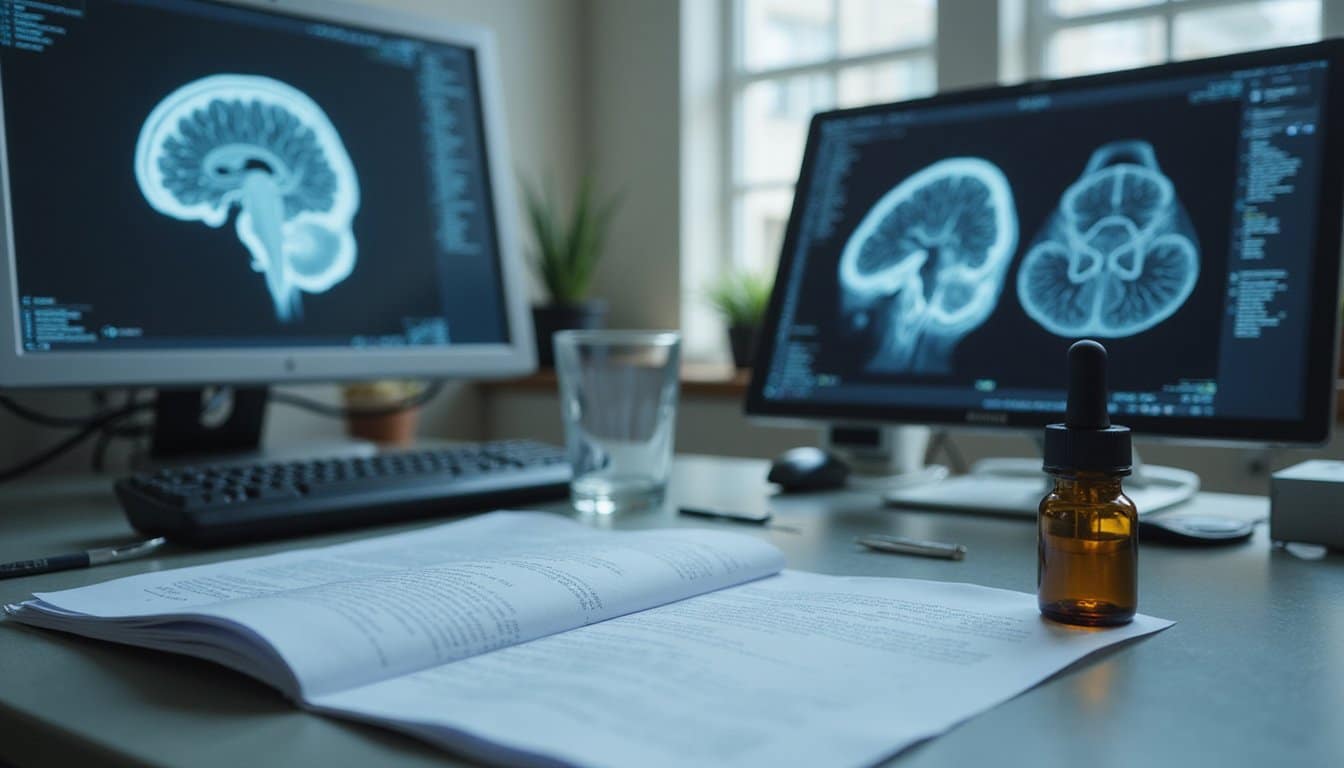
While alcohol initially produces feelings of relaxation and euphoria, its effects on brain chemistry are complex and potentially harmful. When you drink, alcohol simultaneously disrupts multiple neurotransmitter systems, particularly GABA, dopamine, and serotonin. The neuroplasticity implications become evident as your brain adapts to alcohol’s presence, requiring it to maintain normal functioning. People who suffer from mental health conditions are especially vulnerable to these negative effects. Through both positive and negative reinforcement, alcohol addiction develops as the brain’s reward pathways become increasingly dependent on the substance.
Your brain’s GABA system experiences increased activity, creating temporary calm, while dopamine floods your pleasure centers. However, these neurotransmitter levels quickly drop below baseline, triggering rebound anxiety. The cognitive impairment severity intensifies as chronic use leads to decreased natural production of these essential brain chemicals. Your amygdala, the brain’s emotional center, becomes particularly vulnerable, showing altered functioning and heightened stress reactivity when alcohol’s effects wear off. Research shows that binge drinking during adolescence causes Arc gene expression to decrease in the amygdala, leading to lasting anxiety and alcohol use disorders in adulthood. Your brain’s GABA system experiences increased activity, creating a brief sense of calm, while dopamine floods the brain’s reward pathways. However, these neurotransmitter levels rapidly fall below baseline, triggering rebound anxiety. As alcohol use becomes chronic, the severity of cognitive impairment increases because natural production of these essential brain chemicals declines. The amygdala, the brain’s emotional processing center, is especially vulnerable, showing altered functioning and heightened stress reactivity once alcohol’s effects wear off. This pattern explains why anxiety with alcohol use often intensifies over time rather than improves. Research further indicates that binge drinking during adolescence can reduce Arc gene expression in the amygdala, contributing to long-term anxiety and a higher risk of alcohol use disorders in adulthood.
Understanding Short-Term Vs Long-Term Effects
The temporal effects of alcohol on anxiety present a complex dichotomy between immediate relief and long-term exacerbation. Your brain’s neural activity changes dramatically when you consume alcohol, creating an artificial sense of calm that masks underlying anxiety triggers. Research has shown that individuals with mild to moderate alcohol problems can still benefit effectively from anxiety disorder treatment. Regular consumption can trigger the body’s fight or flight response during withdrawal periods. Studies conducted by American Addiction Centers provide comprehensive data on anxiety-alcohol relationships, though website access may be temporarily limited due to security measures. While you might experience immediate anxiety relief from drinking, chronic alcohol use fundamentally alters your brain’s natural ability to manage stress. This disruption in emotional regulation leads to progressively worsening anxiety symptoms, creating a destructive cycle where alcohol becomes your primary, yet ineffective, coping mechanism.
| Short-Term Effects | Long-Term Effects |
|---|---|
| Reduced inhibitions | Impaired emotional regulation disruption |
| Temporary relaxation | Worsened baseline anxiety |
| Suppressed anxious feelings | Increased dependency patterns |
| Quick onset of relief | Compromised stress response |
| Wear off within hours | Permanent brain chemistry changes |
Breaking the Cycle: Alcohol and Anxiety Connection
Breaking free from alcohol’s grip on anxiety requires understanding the intricate neurobiological mechanisms driving this destructive pattern. Your brain-body interaction creates a complex cycle where alcohol temporarily floods your system with calming neurotransmitters like GABA, while simultaneously disrupting your prefrontal cortex and amygdala‘s normal functioning. This cycle intensifies over time as negative emotional states between drinking episodes become progressively worse.
The physiological manifestations of this cycle become evident through increased heart rate, restlessness, and sleep disturbances. When you drink to ease anxiety, you’re actually setting yourself up for heightened symptoms during withdrawal. Your central amygdala becomes hyperactive, triggering more intense anxiety responses, while your brain’s reward system pushes you to seek relief through continued drinking. This vicious cycle is particularly dangerous for teenagers, as adolescent alcohol use can severely impact crucial brain development. Understanding these mechanisms reveals why breaking free requires addressing both the psychological dependence and the neurobiological changes that maintain this self-perpetuating cycle. Brain plasticity can help restore healthy neural pathways when alcohol use is discontinued, offering hope for recovery.
Risk Factors and Warning Signs
Multiple risk factors and warning signs can alert you to problematic relationships between alcohol use and anxiety. Pre-existing mental health vulnerabilities, such as depression, PTSD, or trauma exposure, markedly increase your risk of developing alcohol-induced anxiety disorders. Life experiences and trauma can significantly worsen anxiety symptoms when combined with alcohol use. These underlying conditions become amplified when combined with regular alcohol consumption. Physical warning signs and symptoms often manifest as increased heart rate, excessive sweating, and sleep disruptions. Research shows negative affect issues affect up to 50% of people seeking alcohol treatment. You’ll notice patterns of restlessness and nervousness following drinking episodes, potentially escalating to panic attacks during use or withdrawal. The development of alcohol use disorder occurs in 20-40% of individuals being treated for anxiety disorders. Watch for changes in your social behavior, including avoidance of situations due to unpredictable anxiety symptoms. Your body’s stress response system becomes increasingly dysregulated with continued alcohol use, creating a cycle of heightened anxiety and impaired emotional regulation.
Evidence-Based Solutions and Recovery Pathways
Understanding evidence-based solutions offers clear pathways for managing the complex relationship between alcohol use and anxiety disorders. You’ll find that integrated treatment approaches targeting both conditions simultaneously yield superior outcomes compared to addressing each issue separately. Research from the National Epidemiological Survey demonstrates that individuals with anxiety experience more severe alcohol use disorder symptoms than those without anxiety disorders. The high estimated societal costs of these comorbid disorders exceed $200 billion annually. Women face unique challenges due to higher stress levels and increased vulnerability to maintaining alcohol consumption.
Evidence shows that combining psychopharmacological treatments with lifestyle interventions can effectively restore neurotransmitter balance and brain function. You’ll benefit from cognitive-behavioral therapy and distress tolerance training, which help you manage anxiety without alcohol. Medical supervision during withdrawal is pivotal, as it prevents anxiety-inducing symptoms through carefully managed tapering protocols.
For long-term success, your recovery should include relapse prevention strategies that address underlying triggers. Focus on trauma-focused therapies and emotion regulation interventions, as they target the shared neurobiological vulnerabilities between anxiety and alcohol use disorders.
If you have ever woken up after drinking feeling more anxious than you did the night before, that creeping dread and racing heart are not just in your head and you are far from alone in experiencing them. At outpatient drug rehab tampa fl, we understand how confusing and distressing it is to realize that the thing you reached for to take the edge off has actually been quietly increasing your anxiety symptoms all along. We connect you with dedicated alcohol treatment centers and recovery resources, because recognizing that alcohol is making your anxiety worse is a turning point that deserves immediate and compassionate support from people who truly understand what your mind and body are going through. The right help is already out there waiting for you. Call 740-562-7398 today and let us help you take that first step toward healing.
Frequently Asked Questions
How Long Does Alcohol-Induced Anxiety Typically Last After Stopping Drinking?
You’ll typically experience alcohol-induced anxiety in three distinct phases. Immediate hangxiety lasts 24 hours, acute withdrawal anxiety peaks within 72 hours, and post-withdrawal anxiety patterns can persist for months. Your alcohol abstinence effects depend on your drinking history and genetic predisposition. If you’ve been a chronic drinker, you might face Post-Acute Withdrawal Syndrome (PAWS), where anxiety symptoms could last up to two years after quitting.
Can Certain Types of Alcohol Trigger More Anxiety Than Others?
Yes, different types of alcohol can trigger varying levels of anxiety based on their characteristics and how you consume them. Research shows that spirits like vodka and gin are more likely to induce anxiety compared to wine and beer. Your alcohol consumption patterns matter too; drinking spirits is associated with higher rates of negative emotional responses, while wine and beer tend to promote relaxation. The alcohol content and chemical compounds in each type affect your body’s anxiety response differently.
What Role Do Genetics Play in Alcohol-Anxiety Relationships?
Your genetic predisposition considerably shapes how alcohol affects your anxiety levels. If you have a family history of either condition, you’re at higher risk for both, with up to 55% lifetime anxiety disorder risk in those with alcoholic family members. Environmental factors interact with these genetic vulnerabilities, creating a complex interplay. Studies show shared genetic influences between anxiety and alcohol use disorders, meaning you may inherit susceptibility to both conditions simultaneously.
Does Anxiety Medication Interact Negatively With Occasional Alcohol Consumption?
Yes, even occasional alcohol use can dangerously interact with your anxiety medications. When you drink while taking benzodiazepines or antidepressants, you’ll risk severe central nervous system depression and compromised medication effectiveness. Your drinking patterns, even if minimal, can trigger intensified side effects, including extreme drowsiness, impaired coordination, and respiratory distress. In addition, alcohol can counteract your medication’s therapeutic benefits and potentially create life-threatening complications requiring immediate medical attention.
At What Age Are People Most Vulnerable to Developing Alcohol-Anxiety Disorders?
Young adults of the years 18-25 face the highest vulnerability for developing alcohol-anxiety disorders, as adolescent brain development continues into the mid-20s. During this period, peer pressure influences combine with ongoing neural maturation, making individuals more susceptible to both conditions. Research shows peak onset occurs around the years 20, with nearly 14% of young adults experiencing alcohol use disorder and 19% developing anxiety disorders during this critical developmental window.