



When you mix DayQuil and alcohol, you’re forcing your liver to process both acetaminophen and alcohol simultaneously, which drastically increases toxicity levels and can lead to acute liver failure. Alcohol induces CYP2E1 activity, boosting production of NAPQI, a toxic metabolite that destroys liver cells when glutathione reserves become depleted. Beyond liver damage, this combination amplifies central nervous system depression, potentially slowing your breathing to dangerous levels. Understanding the specific risks and safer alternatives can help protect your health.
Why Mixing DayQuil and Alcohol Is Dangerous
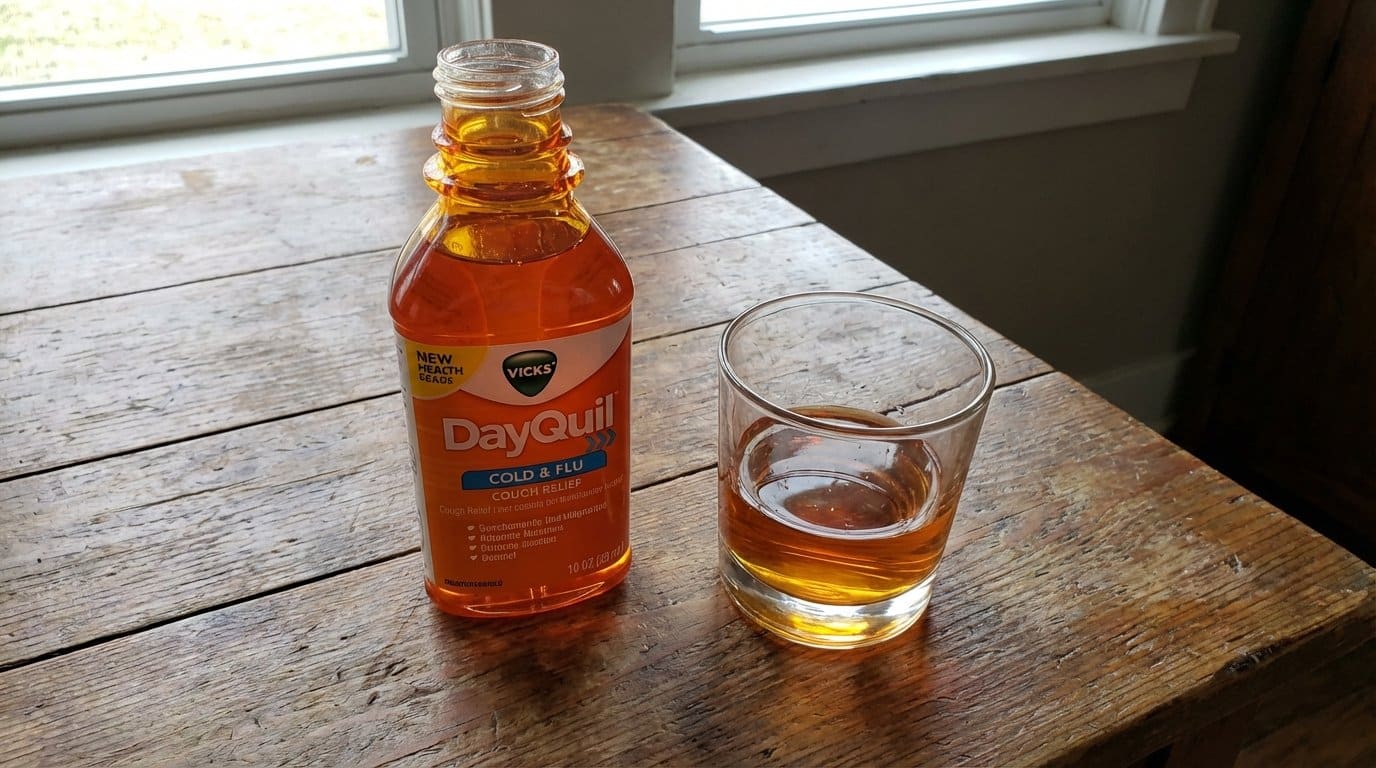
When you mix DayQuil with alcohol, you’re combining substances that create multiple dangerous interactions in your body. DayQuil contains acetaminophen, dextromethorphan, and phenylephrine, each carrying distinct risks when paired with alcohol.
Your liver processes both acetaminophen and alcohol simultaneously, drastically increasing toxicity levels. This dual burden can cause liver damage, with repeated exposure potentially leading to liver failure. Vicks explicitly warns consumers about this severe risk. Acetaminophen overdose is the leading cause of acute liver failure in the United States. Individuals with pre-existing liver conditions face even greater risks from this dangerous combination.
Your liver faces a dangerous double burden processing both substances, risking serious damage or failure.
The combination also amplifies central nervous system depression. You’ll experience enhanced drowsiness, impaired coordination, and cognitive fog. In severe cases, respiratory depression becomes life-threatening. Dextromethorphan is the primary cause of the psychotic significant side effects associated with DayQuil misuse.
Additionally, phenylephrine elevates your heart rate and blood pressure, effects alcohol worsens unpredictably. Gastrointestinal complications include nausea, stomach bleeding, and ulcer formation. These compounding dangers make this combination genuinely hazardous.
How Long to Wait Between DayQuil and Alcohol
How long should you wait between DayQuil and alcohol? The safest approach requires understanding how both substances clear your system.
DayQuil’s active ingredients remain in your body for 4-6 hours after your last dose. Most experts recommend waiting at least 6 hours before consuming alcohol to minimize dayquil alcohol interaction risks. DayQuil’s active ingredients typically remain active in your body for about 4, 6 hours after your last dose, which is why timing matters when considering other substances. If you’re wondering how long dayquil stay in your system, most of its effects diminish within that window, though trace metabolism may continue slightly longer depending on liver function and dosage. To reduce the risk of adverse DayQuil, alcohol interactions, experts generally advise waiting at least 6 hours before consuming alcohol.
If you’ve been drinking, wait at least 4 hours before taking your next DayQuil dose. A single drink typically clears your bloodstream within 2-3 hours, though this varies. If you’ve been drinking, wait at least 4 hours before taking your next DayQuil dose to reduce interaction risks. A single alcoholic drink generally clears from your bloodstream within 2, 3 hours, though metabolism varies by body weight, liver function, and overall health. When considering Drinking alcohol after DayQuil, spacing the two apart helps minimize overlapping central nervous system effects and potential liver strain.
Your individual clearance time depends on age, weight, liver function, and metabolism. Heavy drinkers or those with liver issues need longer waiting periods. This is especially important because the acetaminophen in DayQuil can cause liver problems when combined with alcohol. Chronic drinkers face higher risk of unintentional acetaminophen overdose, which can result in severe liver damage or failure.
The bottom line: separate intake as far as possible. Mixing these substances can cause symptoms like slurred speech and confusion, so erring on the side of caution is essential. When uncertain, consult your healthcare provider for personalized guidance based on your specific health profile.
Common Side Effects When You Combine Them

Although DayQuil may seem like a straightforward cold remedy, mixing it with alcohol triggers a cascade of side effects that can catch you off guard. The combination intensifies drowsiness as both dextromethorphan and alcohol depress your central nervous system simultaneously. You’ll likely experience pronounced dizziness from the interaction between phenylephrine and alcohol, compromising your balance and coordination. Although DayQuil may seem like a straightforward cold remedy, mixing it with alcohol can trigger a cascade of amplified side effects. While many people ask does DayQuil contain alcohol, standard formulations do not; however, combining it with alcoholic beverages can significantly intensify central nervous system depression. Dextromethorphan and alcohol together increase drowsiness, while the interaction between phenylephrine and alcohol may worsen dizziness, impairing balance and coordination.
Expect gastrointestinal distress as alcohol and acetaminophen irritate your stomach lining, causing nausea or vomiting. Phenylephrine, DayQuil’s decongestant, elevates your heart rate, alcohol compounds this cardiovascular strain. Your motor skills deteriorate considerably because CNS depression slows reaction times, making driving dangerous. The combination can also cause your blood pressure to reach unsafe levels since both substances independently raise blood pressure.
These effects hit harder when you’re already weakened by illness. Your body’s compromised state means standard doses produce amplified responses, increasing your risk of accidents and injury. If you’re concerned about substance interactions affecting your health, you should consult a healthcare professional before combining any medications with alcohol, as unintended consequences may occur.
Severe Risks: Overdose, Liver Failure, and Worse
When you combine DayQuil and alcohol, you’re risking acetaminophen overdose because alcohol can mask early warning signs like stomach pain while simultaneously increasing liver toxicity. Acute liver failure becomes a real threat, especially if you take multiple doses throughout the day or drink heavily, since both substances strain the same organ. Perhaps most urgent is life-threatening respiratory depression, alcohol and dextromethorphan both suppress your central nervous system, and together they can slow your breathing to dangerous levels. This dangerous combination can also cause dissociation and cognitive fog, making it harder to think clearly or stay emotionally regulated during an emergency. The combination also heightens the risk of developing alcohol use disorder, a chronic and progressive brain condition that requires professional treatment.
Acetaminophen Overdose Dangers
Because acetaminophen appears in so many over-the-counter products, including DayQuil, cold remedies, flu medications, and pain relievers, it’s easier than most people realize to exceed safe limits. Acetaminophen overdose triggers over 100,000 Poison Control calls annually and causes nearly 50% of acute liver failure cases in the U.S. Remember that the maximum recommended adult dose is 4,000 milligrams per day across all medications combined.
You won’t always recognize the danger immediately. Symptoms like nausea, abdominal pain, and confusion may take days to appear, or mimic common cold symptoms you’re already experiencing. This delayed presentation makes acetaminophen overdose particularly deceptive. The severity of this problem is reflected in the 56,000 emergency room visits attributed to acetaminophen poisoning each year in the United States.
If you’ve combined multiple acetaminophen-containing products with alcohol, seek medical attention promptly. Acetylcysteine works as a highly effective antidote when administered within eight hours. Waiting too long reduces treatment effectiveness and increases your risk of permanent liver damage or transplant necessity.
Acute Liver Failure
Acute liver failure represents the most devastating consequence of mixing DayQuil and alcohol, and it develops through a specific biochemical pathway you should understand. When you combine dayquil and alcohol, your liver’s glutathione reserves become depleted, allowing toxic NAPQI to accumulate and destroy hepatocytes.
| Warning Sign | Indicates | Action Required |
|---|---|---|
| Jaundice | Bilirubin buildup | Seek emergency care |
| Severe abdominal pain | Hepatic damage | Call poison control |
| Persistent vomiting | Acute liver insult | Immediate evaluation |
Is it bad to drink on dayquil? The evidence confirms acetaminophen overdose causes most acute liver failure cases requiring transplantation. What happens if you mix dayquil and alcohol repeatedly? You’re tripling your risk of severe outcomes. Can you mix dayquil and alcohol safely? Clinical data says no, alcohol and dayquil create compounding hepatotoxicity. Even small amounts of alcohol create potentially life-threatening interactions when combined with the acetaminophen found in DayQuil. Additionally, alcohol amplifies the sedative effects of dextromethorphan, potentially causing extreme drowsiness, hallucinations, and impaired motor skills that require immediate medical attention.
Life-Threatening Respiratory Depression
Life-threatening respiratory depression occurs when alcohol and dextromethorphan, DayQuil’s cough suppressant, combine to create compounded central nervous system depression that can slow or stop your breathing entirely. This interaction risk intensifies beyond what either substance causes alone, potentially reaching fatal levels with minimal warning.
Both substances require liver metabolism, creating overlapping strain that worsens respiratory complications. Dehydration from illness and alcohol consumption further compromises your body’s ability to process these substances safely. The combination also contains acetaminophen, which increases risk of liver toxicity when processed alongside alcohol.
You may lose consciousness suddenly, eliminating your ability to call for help. Medication warnings exist because this combination can progress from drowsiness to complete respiratory failure rapidly. The sedative effects mask dangerous symptoms, delaying emergency intervention when seconds matter. If you’ve consumed both substances and experience difficulty breathing, seek immediate medical attention.
How Alcohol and Acetaminophen Damage Your Liver
Most of the acetaminophen you take, about 90%, gets processed through your liver’s glucuronidation pathway, producing harmless byproducts your body eliminates easily. The remaining portion travels through CYP2E1 enzymes, creating a toxic metabolite called NAPQI. Your liver neutralizes NAPQI using glutathione stores.
Chronic drinking induces CYP2E1 activity, increasing NAPQI production beyond typical levels. Simultaneously, alcohol depletes your glutathione reserves, crippling your liver’s ability to detoxify this harmful compound. Individuals with alcohol use disorder face significantly higher risk of acetaminophen-induced liver damage due to these compounding effects.
When NAPQI accumulates without adequate glutathione, it attacks liver cells directly, causing hepatocyte necrosis. This damage releases cellular contents into your bloodstream, signaling acute liver injury. In severe cases, this cascade leads to fulminant hepatic failure. Pre-existing liver compromise from regular alcohol use tremendously heightens your vulnerability to acetaminophen-induced hepatotoxicity.
Warning Signs of Liver Damage to Watch For

When liver damage develops from mixing alcohol and acetaminophen, your body sends warning signals that shouldn’t be ignored. Early symptoms include persistent fatigue despite adequate rest, general weakness, and a nagging unwell feeling that doesn’t improve. You may notice digestive changes like nausea, loss of appetite, or unexplained vomiting.
As damage progresses, more visible signs emerge. Jaundice causes yellowing of your skin and eyes from bilirubin buildup. Your urine may turn dark brown or amber, while stools become pale or clay-colored. You might bruise easily or experience prolonged bleeding from minor cuts.
Advanced warning signs include abdominal swelling, pain beneath your right ribs, confusion, and memory problems. If you notice any combination of these symptoms after using acetaminophen while drinking, seek medical evaluation promptly.
Who Should Never Mix DayQuil and Alcohol?
Recognizing liver damage warning signs matters most for people who should avoid this combination entirely. You fall into a high-risk category if you have liver disease, hepatitis, or cirrhosis, your liver cannot safely metabolize acetaminophen and alcohol together.
You shouldn’t mix these substances if you have cardiovascular conditions. DayQuil’s decongestants combined with alcohol can spike your blood pressure and strain your heart.
If you’re managing alcohol use disorder or in recovery, avoid this combination completely. The interaction intensifies dependence risks and impairs judgment.
You’re also at risk if you take other acetaminophen-containing medications. Hidden acetaminophen accumulates quickly, pushing you toward overdose thresholds.
Heavy drinkers consuming three or more drinks daily face severe liver toxicity risks. Consult your healthcare provider before taking any acetaminophen product.
Cold Medications That Are Safer With Alcohol
What options exist if you’re sick and don’t want to avoid alcohol entirely? Some medications carry lower interaction risks than multi-symptom formulas like DayQuil.
Nasal corticosteroids such as Flonase or Nasonex show no known alcohol interactions and effectively relieve congestion. Second-generation antihistamines, Allegra, Claritin, and Zyrtec, cause less drowsiness amplification than older options like Benadryl, though caution remains advisable.
Nasal steroids and newer antihistamines like Zyrtec carry fewer alcohol interaction risks than sedating cold medications.
Natural remedies including menthol rubs, honey, and cough drops lack documented alcohol interactions. Non-narcotic expectorants focused on mucus clearance present a safer profile than sedative-containing cough syrups.
Single-ingredient products reduce your overall risk by eliminating unnecessary drug exposures. Consult your pharmacist to identify targeted options for your specific symptoms.
Remember: alcohol still impairs immune function during illness. Even “safer” combinations don’t make drinking beneficial when you’re recovering.
Ready to Break Free? Help Is Just One Call Away
Addiction doesn’t get to write your final chapter. At Tampa Outpatient Detox, we connect you with trusted treatment providers who are fully invested in seeing you thrive. Everything you are hoping for is still possible, and it begins the moment you reach out. Call (740) 562-7398 today and take the first step toward the life you deserve.
Frequently Asked Questions
Can I Take Nyquil Instead of Dayquil if I Plan to Drink Alcohol?
No, you shouldn’t take NyQuil instead of DayQuil if you’re planning to drink alcohol, it’s actually riskier. NyQuil contains doxylamine, a sedating antihistamine that amplifies drowsiness and impaired coordination when combined with alcohol. It also contains acetaminophen, which strains your liver alongside alcohol metabolism. Some NyQuil liquid formulations even contain alcohol themselves. You’re better off avoiding both medications entirely if you plan to drink.
Does Mixing Dayquil With Beer Affect Me Differently Than Hard Liquor?
Yes, the type matters primarily in how quickly effects hit you. Hard liquor‘s concentrated alcohol enters your bloodstream faster, intensifying DayQuil’s sedative effects and creating a sharper peak in impairment. Beer’s lower concentration causes slower absorption but prolongs your liver’s exposure to processing both alcohol and acetaminophen simultaneously. Both strain your liver and amplify side effects, hard liquor raises acute risk, while beer extends the duration of that risk.
Will Drinking Water Help Flush Out Dayquil and Alcohol Faster?
No, drinking water won’t speed up how your body clears DayQuil or alcohol. Your liver metabolizes acetaminophen and alcohol at fixed rates regardless of fluid intake. Water helps prevent dehydration from side effects like nausea, but it doesn’t “flush” active compounds faster. You’ll still need to wait 4-6 hours after DayQuil and 2-3 hours per alcoholic drink for proper clearance to reduce interaction risks.
Is It Safe to Take Dayquil After a Hangover the Next Morning?
Taking DayQuil during a hangover isn’t safe. Your liver is still processing residual alcohol, and adding acetaminophen increases strain and NAPQI buildup, a toxic byproduct that damages liver cells. Hangover symptoms like nausea and dizziness can intensify when combined with DayQuil’s ingredients. You should wait at least 12-24 hours after drinking stops before taking DayQuil. If you drink regularly, consult a healthcare provider before using acetaminophen-containing products.
Can One Glass of Wine With Dayquil Really Cause Serious Harm?
One glass of wine likely won’t cause severe harm on its own, but it’s not without risk. Even a single drink forces your liver to process both alcohol and acetaminophen simultaneously, reducing protective glutathione levels. You may experience intensified dizziness, nausea, or impaired coordination. Vicks explicitly warns against combining any alcohol with DayQuil due to liver damage potential. If you’re already feeling unwell, it’s safest to skip the wine entirely.