






Concentrated 7-hydroxymitragynine products dramatically increase your addiction risk because they deliver a compound that’s 10 to 22 times more potent than mitragynine directly to your opioid receptors, bypassing the metabolic safeguards your body uses to limit exposure. When you consume preformed 7-OH, you’re skipping the CYP3A4 enzyme bottleneck that normally controls how much of this potent agonist reaches your brain. Understanding the mechanisms behind tolerance, withdrawal, and serious health harms can help you assess your actual risk.
What Makes 7-Hydroxymitragynine a Potent Opioid Receptor Agonist
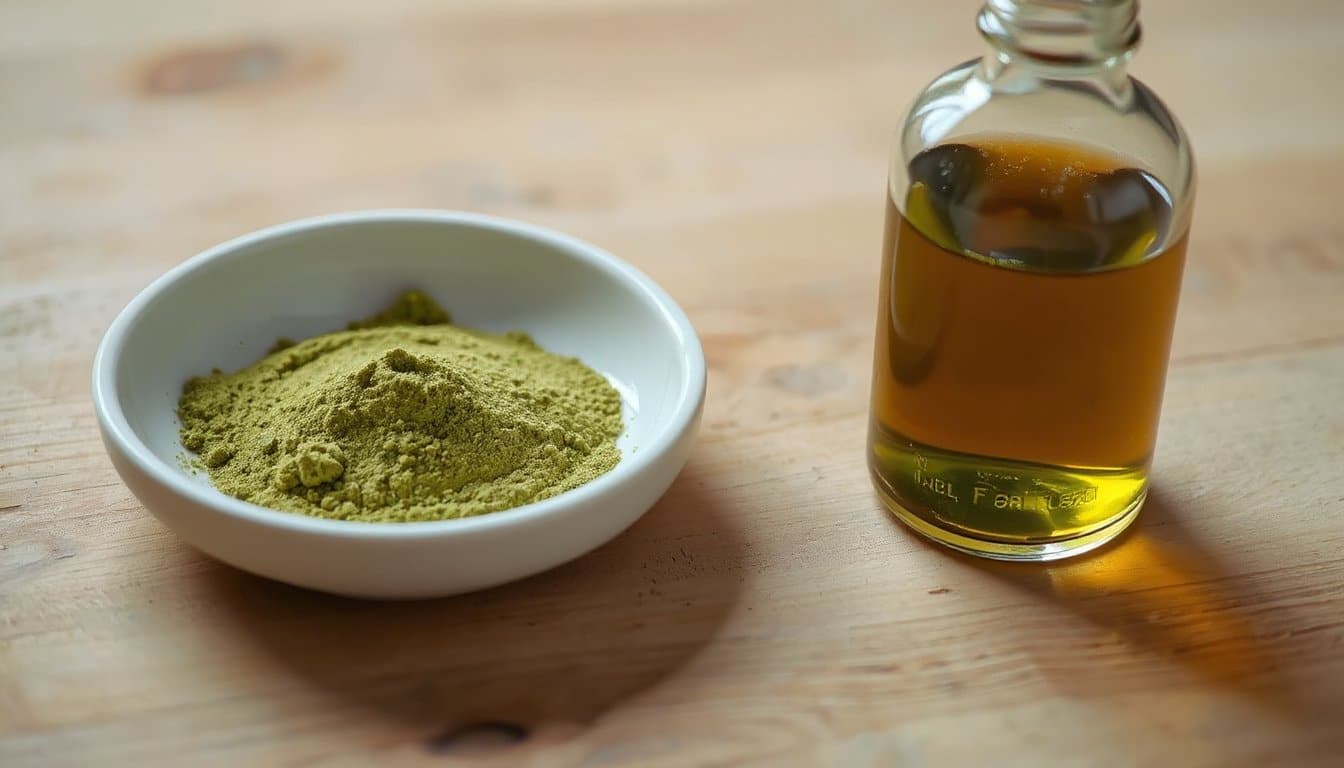
7-Hydroxymitragynine stands out as one of the most pharmacologically active compounds in kratom due to its powerful interaction with mu-opioid receptors (MOR). You’re dealing with a compound that demonstrates approximately 10- to 22-fold greater potency than mitragynine, with EC50 values around 34.5 nM compared to mitragynine’s 339 nM.
The receptor activation profile of 7-hydroxymitragynine reveals high-affinity MOR binding, roughly 9-fold stronger than its parent compound. This enables significant receptor engagement at remarkably low doses. Its partial agonist mechanism produces submaximal activation compared to full opioids, yet you’ll still experience potent analgesic and reinforcing effects. The compound readily crosses your blood-brain barrier, achieving central nervous system concentrations that directly correlate with opioid-mediated responses. This combination of high potency and efficient brain penetration creates substantial addiction liability. Notably, 7-hydroxymitragynine is formed from mitragynine through metabolic conversion in mouse and human liver, meaning consumption of the parent compound can lead to systemic exposure to this more potent metabolite. This metabolic conversion is specifically mediated by cytochrome P450 3A isoforms, which has important implications for drug interactions and individual variability in response. The FDA has recognized these concerns and is actively pushing for scheduling 7-OH under the Controlled Substances Act to address the public health threat these potent derivatives pose.
How Concentrated Formulations Bypass Natural Metabolic Limits
While 7-hydroxymitragynine’s receptor affinity explains its potency, concentrated product formulations amplify addiction risk by circumventing your body’s natural metabolic safeguards.
Understanding metabolic activation importance reveals why this matters. Your liver’s CYP3A4 enzymes normally control how much 7-OH forms from mitragynine, creating a built-in rate limiter. When you consume concentrated 7-OH directly, you bypass this protective bottleneck entirely.
The bypass regulation implications are significant. Your body’s metabolic saturation points, designed to cap active drug levels, become irrelevant. Concentrated formulations deliver preformed 7-OH with higher bioavailability and faster onset, producing disproportionately strong opioid receptor activation. This activation occurs because 7-hydroxymitragynine exhibits approximately fivefold greater affinity at the μ-opioid receptor compared to mitragynine.
Additionally, 7-OH resists Phase I metabolism, with over 90% remaining intact during hepatic processing. This stability allows sustained blood and brain concentrations, intensifying reward signaling and accelerating tolerance development compared to traditional kratom consumption.
The Role of Rapid Delivery Methods in Escalating Addiction Risk
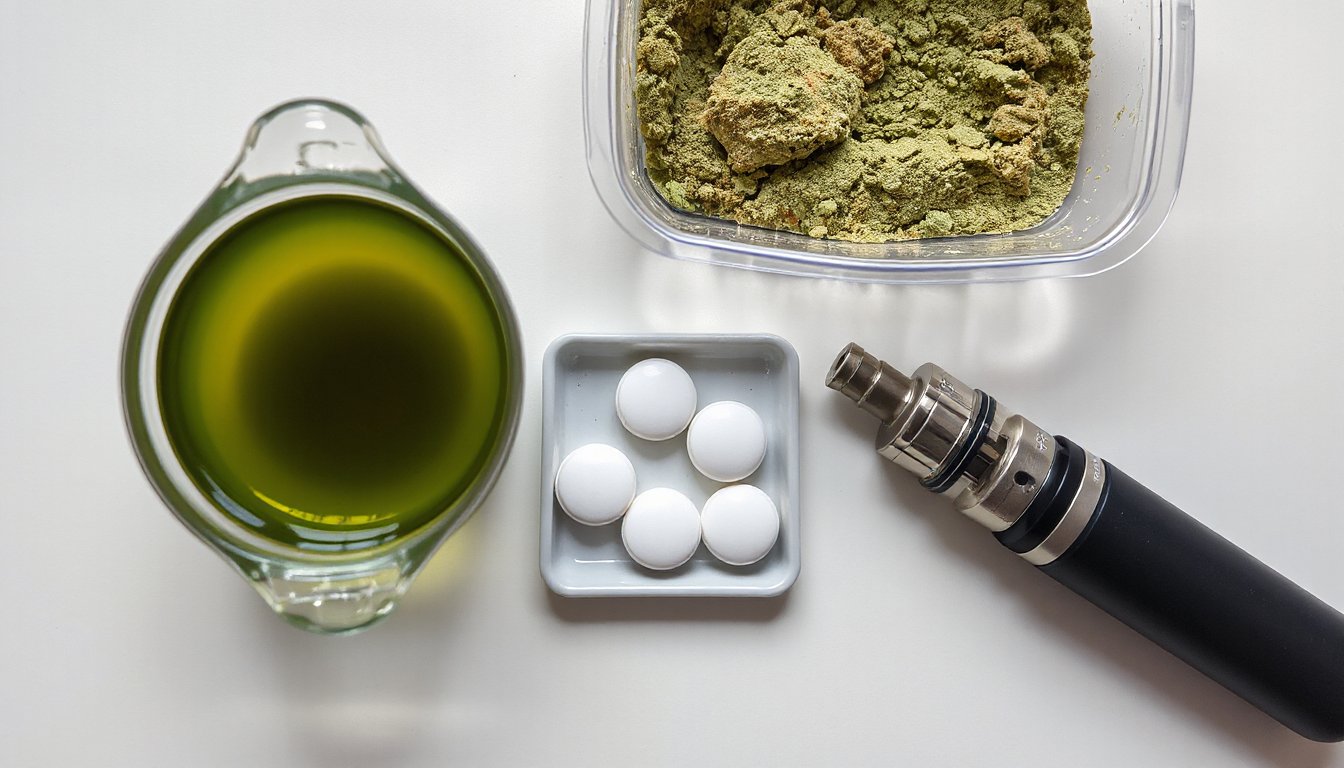
When you vape 7-hydroxymitragynine products, the compound reaches your brain within seconds rather than the 30-60 minutes required for oral absorption, creating a steeper concentration curve that intensifies reward circuit activation. This rapid onset strengthens the association between use and euphoria, making the behavior more reinforcing and harder to control than traditional kratom consumption. By bypassing the gradual metabolic conversion that occurs with leaf ingestion, vaporized delivery methods expose your opioid receptors to potent 7-OH concentrations your body wasn’t designed to handle. As a full opioid agonist, 7-hydroxymitragynine binds with high affinity to opioid receptors, making it approximately four times more potent than mitragynine and significantly more dangerous in concentrated forms. The unpredictable potency of these concentrated extracts further compounds the danger, as users cannot accurately gauge how much active compound they are actually consuming with each use. This intensified exposure pattern can lead to substance use disorder, characterized by using more than intended, experiencing cravings, continuing use despite adverse consequences, and suffering withdrawal symptoms when stopping.
Vapes Accelerate Brain Exposure
Because inhalation delivers psychoactive compounds to the brain within seconds, bypassing first-pass liver metabolism entirely, vaping 7-hydroxymitragynine creates a fundamentally different risk profile than oral consumption. Pulmonary absorption mechanisms allow the compound to enter your bloodstream directly through alveolar tissue, feeding immediately into brain circulation patterns via arterial blood.
This rapid delivery produces higher peak brain concentrations per milligram compared to oral routes. Research on opioid-like compounds consistently demonstrates that faster brain uptake steepens the dose-euphoria relationship, increasing both “drug liking” and abuse liability. The medical field recognizes that procedures prioritizing comfort over safety, such as those emphasizing rapid symptom completion, often carry significantly increased health risks that outweigh perceived benefits.
When you vape 7-hydroxymitragynine, you’re exposing yourself to the same pharmacokinetic pattern that makes smoked and injected opioids particularly dangerous. Regulators specifically favor slower delivery routes for opioid medications because rapid onset correlates directly with compulsive redosing, binge patterns, and accelerated addiction development. This accelerated pattern is particularly concerning because over time, the body produces fewer endorphins, requiring progressively higher doses to achieve the same effect. Studies examining opioid misuse patterns reveal that users may crush, inhale, or inject substances to achieve a euphoric high, which is why abuse-deterrent formulations have been developed to resist such manipulation.
Faster Onset, Stronger Reinforcement
The speed at which 7-hydroxymitragynine reaches your brain directly determines how powerfully it reinforces drug-seeking behavior.
When you use fast-acting delivery methods like vaping, the compound produces a sharper dopamine spike in your brain’s reward pathway. This rapid onset creates heightened saliency around environmental triggers, rituals, and internal states associated with use. Your brain forms tighter associations between taking the drug and experiencing relief, establishing conditioned cues that drive future cravings.
Fast-acting opioids create ideal conditions for habit formation through immediate action-outcome contingencies. You experience more reward “trials” per day, accelerating maladaptive pattern development. The steep concentration curve, intense reward followed by rapid decline, pushes you toward compulsive redosing to avoid dysphoria. This cycle mirrors the reinforcement profile that makes tampered extended-release opioids and heroin particularly addictive.
Bypassing Natural Metabolic Limits
Your body’s natural metabolic processes serve as a built-in defense against opioid toxicity, but concentrated 7-hydroxymitragynine products delivered through rapid routes circumvent these protective barriers entirely. When you consume kratom orally, metabolic pathways reduce peak blood concentrations through first-pass hepatic processing, limiting acute effects.
Rapid delivery methods, injection, smoking, or snorting, allow 7-hydroxymitragynine to reach brain receptors before enzymatic degradation occurs. This bypasses the slow oral metabolism that normally attenuates drug intensity. The result is dramatically higher bioavailability and stronger immediate effects. Research on rapid opioid procedures demonstrates that shortening the time to induction leads to higher rates of treatment initiation, illustrating how speed of delivery fundamentally changes clinical outcomes and drug impact on the body.
Why High-Dose Patterns Drive Tolerance and Compulsive Use
When you use high-dose 7-hydroxymitragynine products repeatedly, your μ-opioid receptors desensitize and downregulate faster than with typical kratom doses, forcing you to take more to achieve the same effect. This escalating dose cycle reflects neuroadaptation, your brain adjusts to chronic receptor activation by reducing its responsiveness, which drives you toward compulsive redosing patterns. Research indicates that doses exceeding 8 grams taken 4, 5 times daily mark a threshold where tolerance accelerates and addiction risk substantially increases. In contrast, typical kratom users consume a mean session dose of approximately 5 grams of leaf powder, which delivers substantially lower alkaloid concentrations. Prolonged high-dose use may result in intense cravings and withdrawal-like symptoms, further reinforcing the compulsive cycle that characterizes addiction. As the body develops dependence, attempting to stop use triggers withdrawal symptoms including anxiety, depression, and agitation, making it extremely challenging to break free without professional support.
Rapid Tolerance Development
Because 7-hydroxymitragynine activates mu-opioid receptors with exceptional potency (Ki ≈ 7.2 nM), even modest doses trigger strong receptor stimulation that rapidly drives desensitization and downregulation. The desensitization process occurs faster with concentrated products, particularly when you use rapid-delivery methods like vaping or fast-absorbed liquids that create sharp plasma concentration peaks.
FDA-reviewed data indicate measurable tolerance develops within approximately one week of repeated dosing. As your receptors adapt, analgesic and euphoric effects diminish despite consistent or escalating doses. This forces shorter intervals between doses to maintain effects. Individual genetic factors also influence how quickly tolerance develops, meaning some users experience accelerated adaptation compared to others.
Simultaneously, homeostatic adaptations in reward circuitry reduce baseline dopamine signaling, creating dysphoria during non-use. Your brain begins requiring 7-OH simply to feel normal, transforming occasional use into compulsive, cue-driven patterns that characterize substance dependence. This dependence becomes particularly concerning given that withdrawal can persist for up to 3 months after discontinuation, far exceeding the typical one-week duration associated with conventional opioids.
Escalating Dose Cycles
Tolerance doesn’t simply plateau, it ramps up in cycles that push you toward increasingly risky dose patterns. Research shows approximately 27% of regular kratom users report increasing doses over time, with adverse effects becoming common above 8 grams and at frequencies of 4, 5 times daily. These dose escalation patterns reflect your brain’s diminishing response to previously effective amounts.
Key drivers of compulsive re dosing cycles include:
- Higher doses produce more intense but shorter-lasting effects, prompting re-dosing within hours as effects fade
- Users shift from standard plant material to concentrated products attempting to recapture initial intensity
- A distinct user subgroup shows the highest probability of using specifically to achieve euphoria, indicating vulnerability to escalating patterns
This cycling behavior transforms occasional use into daily, regimented routines characteristic of dependence.
Neuroadaptation Fuels Compulsion
Your brain doesn’t passively accept repeated 7-hydroxymitragynine exposure, it actively fights back through neuroadaptation, a process that fundamentally rewires your reward circuitry and drives compulsive use patterns. Receptor upregulation and neurochemical compensation force you into escalating dose cycles within weeks of consistent use.
| Neuroadaptive Change | Brain Response | Behavioral Outcome |
|---|---|---|
| Mu-receptor desensitization | Reduced receptor sensitivity | Tolerance requiring higher doses |
| Dopamine dysregulation | Decreased natural production | Inability to feel pleasure without substance |
| cAMP signaling disruption | Locus coeruleus hyperactivity | Withdrawal symptoms between doses |
These adaptations prevent normal neurological function without continued administration. Your mesolimbic reward pathways become dependent on artificial activation, making baseline functioning impossible during abstinence and driving compulsive redosing behaviors characteristic of Kratom Use Disorder.
Evidence of Reinforcement and Reward From Animal Studies
Several lines of preclinical evidence demonstrate that 7-hydroxymitragynine (7-OH) possesses significant reinforcing and rewarding properties consistent with abuse liability. When you examine the research, 7-OH activates hedonic signaling pathways with potency exceeding morphine by approximately 13-fold. This high potency lowers reinforcement thresholds, meaning smaller doses trigger reward-seeking behavior.
7-OH activates reward pathways with 13-fold greater potency than morphine, lowering the threshold for addiction.
Key findings from animal studies:
- Rodents actively self-administer 7-OH intravenously, pressing levers repeatedly to obtain the drug, behavior that predicts human abuse potential
- 7-OH produces robust conditioned place preference comparable to or exceeding morphine, confirming its rewarding effects
- In drug discrimination studies, 7-OH fully substitutes for morphine, indicating it produces similar subjective opioid effects
Naloxone blocks these effects, confirming mu-opioid receptor mediation. You should recognize that concentrated 7-OH products carry substantial addiction risk based on this preclinical profile.
Dependence and Withdrawal Symptoms Linked to Potent 7-OH Products
When you use potent 7-hydroxymitragynine products regularly, your brain undergoes opioid-like neuroadaptation that drives tolerance, dependence, and withdrawal. Higher-potency preparations accelerate this process, leading to escalating intake patterns and unsuccessful quit attempts characteristic of kratom use disorder.
Withdrawal severity follows a predictable timeline. Symptoms emerge 6, 12 hours after your last dose, with anxiety, irritability, and flu-like signs. Peak intensity occurs within 24, 72 hours, bringing muscle pain, insomnia, nausea, and intense cravings. Physical symptoms typically decrease by days 4, 7, but psychological effects, depression, mood instability, and episodic cravings, often persist for weeks.
The quality of life impacts extend beyond acute withdrawal. Research links kratom use disorder with psychiatric comorbidity, chronic pain, and polydrug use, compounding cessation difficulty. Some individuals experience post-acute withdrawal syndrome lasting months.
Serious Health Harms Associated With Concentrated Kratom Extracts
Beyond the cycle of dependence and withdrawal, concentrated kratom extracts pose direct threats to multiple organ systems. You face heightened organ failure risk when using these products, as documented cases show liver injury and kidney damage in kratom users. Cardiovascular complications affect over half of users aged 70+, while seizures and psychosis represent serious neurological threats.
Contaminant dangers compound these risks considerably:
- Heavy metal contamination: FDA warnings confirm dangerous levels that accelerate organ damage
- Salmonella outbreaks: Documented illnesses linked directly to contaminated kratom products
- Inconsistent potency: Lack of manufacturing oversight means you can’t predict what you’re consuming
Nearly all kratom-linked deaths involve contaminated products or polysubstance use, underscoring the unpredictable dangers of unregulated concentrated extracts.
Current Regulatory Gaps and Public Health Warnings About 7-OH
Although 7-hydroxymitragynine demonstrates potent opioid receptor activity in laboratory studies, federal regulators haven’t yet placed it under controlled substance scheduling. The FDA has recommended DEA scheduling and issued warning letters to seven companies distributing 7-OH products in June 2025, labeling them “dangerous, illegal opioids.” However, regulatory inconsistencies persist across jurisdictions.
| Jurisdiction Type | 7-OH Status | Key Restrictions |
|---|---|---|
| Federal | Unscheduled | Import alerts, warning letters |
| States (AL, AR, IN) | Schedule I | Complete ban |
| KCPA States | Legal with limits | Labeling required |
These gaps create significant public health impact concerns. You’ll find 7-OH products sold as tablets, gummies, and shots despite FDA’s position that they’re adulterated and unapproved. Without consistent federal scheduling, enforcement remains fragmented while concentrated products reach consumers nationwide.
Reaching for something that felt like faster relief and finding yourself unable to stop is an experience that catches most people completely off guard, and if you have been using concentrated 7-hydroxymitragynine products, that pull may already make a lot more sense to you now. At medical detox in tampa fl, we understand how quickly something this potent can rewrite the way your body seeks comfort, and how isolating it feels to recognize that what you thought was harmless has had a grip on you far stronger than you ever anticipated. We connect you with reputable detox programs and treatment centers staffed by professionals who understand the unique dangers of high concentration products like these and what genuine recovery from them actually requires. You deserve care that meets the full weight of what you are facing. Call 740-562-7398 today and let us help you take that first step toward healing.
Frequently Asked Questions
Can People Become Addicted to 7-Oh Even Without Prior Opioid Use History?
Yes, you can become addicted to 7-OH even without prior opioid use. Your individual susceptibility plays a significant role, as 7-OH activates the same brain receptors as traditional opioids, triggering dependence pathways. Key addiction risk factors include rapid tolerance development, the compound’s potent formulation, and co-occurring mental health conditions. Research shows approximately 40% of 7-OH abuse cases involve people without opioid history, confirming that prior exposure isn’t necessary for addiction to develop.
How Does 7-Oh Addiction Compare to Prescription Opioid Addiction in Treatment Difficulty?
Your 7-OH addiction may prove harder to treat than prescription opioid addiction due to several clinical factors. While opioid withdrawal severity from 7-OH is often milder, treatment teams lack standardized dosing equivalents and tapering protocols. Medication assisted treatment with buprenorphine or methadone can help, but uncertain tolerance levels and variable product potency complicate your care plan. Unlike prescription opioids, there’s no established framework guiding your detoxification and movement to maintenance therapy.
Are Certain Individuals Genetically More Susceptible to 7-Oh Addiction Than Others?
Yes, you can be genetically more susceptible to 7-OH addiction than others. Your genetic predisposition plays a significant role, variants in opioid receptor genes like OPRM1 affect how strongly you experience reward and dependence. Biochemical factors also matter: polymorphisms in CYP3A enzymes determine how much 7-OH your body produces from kratom. If you have high-activity metabolic variants combined with sensitizing receptor genotypes, you’re at disproportionately heightened/increased/amplified addiction risk.
Do Standard Drug Tests Detect 7-Oh Use in Workplace or Medical Screening?
Standard workplace and medical drug tests don’t detect 7-hydroxymitragynine. You won’t find it on 5-, 10-, or 12-panel screens, including DOT-regulated testing. However, 7-OH can trigger false positive results for opioids on immunoassay screens, potentially creating legal implications if you’re in a monitored program. Only specialized kratom panels using LC-MS/MS confirmation can accurately identify 7-OH. If you’re concerned about detection, understand that expanded testing panels are increasingly available upon request.
Can Occasional Low-Dose 7-Oh Use Eventually Progress to Full Addiction Over Time?
Yes, occasional low-dose use can progress to full addiction over time. Research shows dose frequency, not just amount, strongly predicts dependence, and 55% of regular kratom users develop addiction. Even mild, intermittent µ-opioid receptor activation creates neuroadaptations supporting progression over time. You may notice missed-dose discomfort emerging, which reinforces more frequent dosing. Clinical reports consistently document users whose “occasional” patterns quietly escalated to daily dependence requiring treatment.