




Seek emergency care if you’re experiencing severe mental disorientation, breathing rates below 8 breaths per minute, or dangerous heart irregularities like rapid palpitations over 100 bpm. Watch for bluish lips, cold skin, and decreased responsiveness, indicating low oxygen. Don’t ignore chest pain, irregular pulse, or loss of consciousness. These symptoms signal life-threatening alcohol toxicity requiring immediate medical intervention. Understanding the full range of warning signs can make the critical difference in alcohol emergencies.
Recognizing Life-Threatening Mental Status Changes

When alcohol severely depresses the central nervous system, it can trigger a cascade of life-threatening mental status changes that demand immediate medical intervention.
You’ll need to watch for signs of severe disorientation, profound confusion, or sudden memory blackouts when BAC levels exceed 150-300 mg/dL. If someone can’t answer simple questions or provide inappropriate responses, they require urgent evaluation. Dangerous symptoms include alternating agitation and lethargy, which can progress to unconsciousness. If suspicious behavior triggers the security system, access to online resources for help may be temporarily blocked. Individuals with a family history of alcohol use disorder may be at higher risk for severe reactions. Be especially alert for suicidal behavior or aggressive behavior that may emerge from alcohol-induced disinhibition and cognitive impairment. Taking certain medications or sedatives alongside alcohol dramatically increases the risk of severe mental status changes and overdose.
The inability to remain conscious or difficulty being roused signals a critical emergency. If someone becomes unresponsive to pain or loud stimuli, call emergency services immediately; these symptoms can precede respiratory arrest and death.
Critical Signs of Breathing Distress
Recognizing respiratory distress in alcohol-intoxicated individuals requires vigilant monitoring of specific breathing patterns and physical symptoms. You’ll need to watch for breathing rates below 8 breaths per minute or irregular patterns with 10-second gaps, as these indicate dangerous suppression of breathing reflexes. Critical warning signs include bluish lips, cold skin, and decreased responsiveness, which signal reduced blood oxygen levels throughout the body. If access to online medical resources is restricted, know that security measures may temporarily block emergency information websites. Additional assistance may be needed if websites display Cloudflare blocks while seeking urgent care information.
Pay close attention to choking risks and compromised airway protection. Loss of gag reflex combined with vomiting poses a severe aspiration threat. Watch for wheezing, gurgling breaths, or sudden chest tightness that may indicate bronchospasm or allergic response. Sleep apnea symptoms often worsen with alcohol consumption as throat muscles relax. If you observe complete breathing cessation, unresponsiveness with abnormal breathing, or pulmonary edema, immediate medical intervention is essential.
Dangerous Heart Rate and Circulation Issues
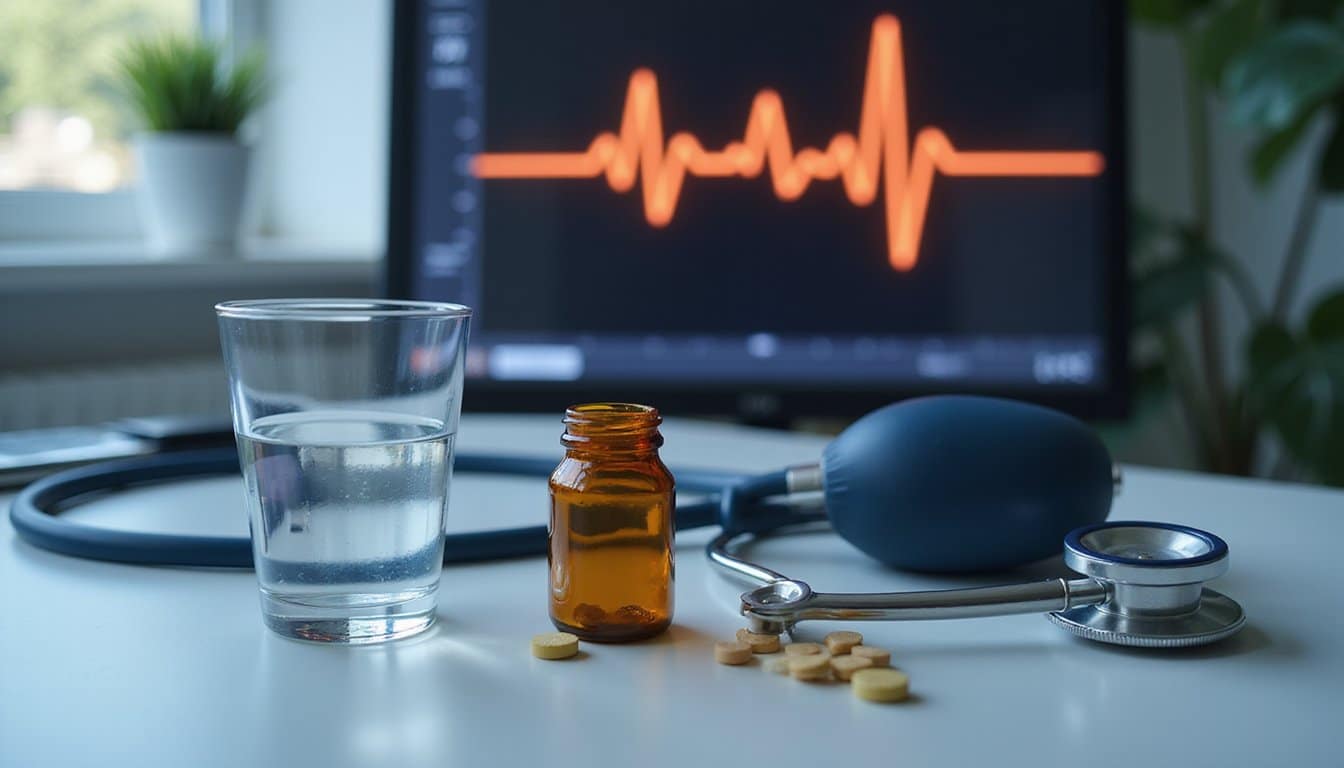
Your heart’s rhythm can become dangerously irregular during alcohol intoxication, manifesting as rapid palpitations, skipped beats, or an erratic pulse over 100 beats per minute. You’ll need immediate medical attention if you experience chest pain, a “fluttering” sensation, or notice your pulse becoming unusually slow or uneven. Critical warning signs of compromised circulation include clammy skin, paleness, faintness, and any blue coloration, which indicate your cardiovascular system is failing to maintain adequate blood flow. These dangerous heart symptoms can develop into dilated cardiomyopathy, where the heart becomes stretched and weakened, significantly reducing its pumping ability. When excessive alcohol enters the central nervous system, it can severely impair these vital cardiovascular functions and require emergency intervention. The risk of these severe symptoms increases significantly when engaging in binge drinking behaviors, especially with rapid alcohol consumption.
Irregular Heart Rhythm Signs
Alcohol’s disruption of cardiac electrical pathways can trigger dangerous heart rhythm abnormalities, most commonly atrial fibrillation and tachycardia. You’ll need immediate medical attention if you experience irregular pulse rate fluctuations accompanied by chest pain, shortness of breath, or excessive sweating. These symptoms often signal abnormal heart rhythm episodes that can become life-threatening. Excessive alcohol consumption typically resolves within 24-48 hours after completely stopping drinking. Cardiac telemetry monitoring helps doctors track dangerous heart rate patterns and identify when arrhythmias start or stop.
Watch for palpitations, a fluttering sensation in your chest, or feeling like your heart’s skipping beats. Research shows that moderate drinking daily increases irregular heartbeat risk by 8%. If you faint or nearly faint during alcohol consumption, it may indicate compromised cardiac output from arrhythmias. Your risk increases considerably with each daily drink, and there’s no guaranteed safe consumption level. Both binge drinking and chronic exposure can trigger these dangerous rhythm disturbances, with a 26% chance of recurrence within a year if you’ve experienced them before.
Blood Circulation Warning Signals
When dangerous blood circulation problems develop from alcohol use, several critical warning signs demand immediate medical attention. You’ll notice severe symptoms like rapid or extremely slow heart rates unrelated to physical activity, along with cold, pale extremities indicating compromised blood flow. Watch for visible neck vein bulging and swelling in your legs, feet, or abdomen; these suggest your heart isn’t pumping effectively. Due to security measures, accessing detailed medical information about these symptoms may be temporarily restricted on certain websites. Drinking heavily over long periods can cause weakened heart muscle, leading to poor circulation throughout the body.
Additional signs of circulatory distress include abnormal pupil size and loss of urinary control, often accompanied by persistent shortness of breath and unexplained fatigue. Heavy drinking can lead to irregular heartbeat patterns that worsen circulation issues. Chest pain may signal reduced coronary blood supply, while uncontrollable vomiting can lead to dangerous dehydration and shock. If you experience any of these symptoms during or after drinking, don’t wait; seek emergency care immediately.
Warning Signs of Severe Vomiting and Choking
Persistent vomiting during alcohol intoxication requires your immediate attention as it can signal severe poisoning and create dangerous choking risks. You’ll need emergency medical care if you can’t stop vomiting or if you’re having trouble staying conscious while vomiting occurs. If someone’s unconscious and vomiting, you must turn them onto their side in the recovery position to protect their airway while calling emergency services, as they’re at high risk for fatal aspiration.
Persistent Vomiting Dangers
Severe vomiting during alcohol intoxication presents multiple life-threatening risks that require immediate medical attention.
You’ll face potentially fatal complications if persistent vomiting continues untreated. The forceful expulsion of stomach contents can trigger acute gastrointestinal bleeding through esophageal tears or ruptures. Your body rapidly loses critical fluids, leading to severe electrolyte disturbances that may cause cardiac irregularities or arrest.
Your compromised gag reflex heightens the risk of choking on vomit or experiencing aspiration pneumonia if stomach contents enter your lungs. Watch for warning signs like mental confusion, inability to stay conscious, or breathing difficulties, especially if breaths occur more than 10 seconds apart. Don’t ignore symptoms like bluish skin, seizures, or clammy texture, as these indicate critical deterioration requiring emergency intervention.
Protecting Unconscious Airways
The loss of airway protection during alcohol intoxication creates immediate, life-threatening risks that demand rapid recognition and response. Your rapid airway assessment must focus on detecting compromised airway reflexes preservation through specific warning signs.
| Warning Sign | What to Check | Action Required |
|---|---|---|
| Consciousness | Response to voice/touch | Position on side, monitor |
| Breathing | Rate, sound, pattern | Clear airway, call 911 |
| Skin Color | Blue lips/fingers | Start rescue breathing |
| Vomiting | Gurgling, choking sounds | Recovery position now |
You’ll need to watch for unresponsiveness to stimuli, loss of protective gag reflexes, and abnormal breathing patterns. When you observe bluish skin, especially around lips and fingertips, it signals dangerous oxygen deprivation. Don’t wait; if you notice repeated vomiting episodes in a semi-conscious state, this dramatically increases aspiration risks requiring immediate medical intervention.
Emergency Seizure Symptoms to Watch For

When alcohol withdrawal triggers seizures, recognizing the warning signs can be critical for survival. Watch for sudden loss of consciousness followed by violent muscle contractions that typically last under 2 minutes. You’ll notice generalized tonic-clonic movements involving the entire body, often accompanied by loss of bladder control and jaw clenching.
Pay close attention to the duration of seizures, as episodes lasting longer than 2 minutes require immediate medical intervention. Be aware of seizure recurrence risk within 6-8 hours of the initial episode. If you observe multiple seizures clustering together, seek emergency care immediately. After the seizure, the person may enter a confused, groggy state. Difficulty awakening or prolonged unresponsiveness following the episode demands urgent medical attention.
Dangerous Body Temperature and Skin Changes
Beyond seizure risks, alcohol intoxication profoundly disrupts your body’s temperature regulation system, creating dangerous vulnerabilities to both cold and heat-related complications. Your impaired heat regulation can quickly lead to hypothermia, even in mild cold, as alcohol causes blood vessels to dilate and redirect warmth to your skin’s surface.
Watch for critical skin discoloration signals: bluish lips or fingers (cyanosis), mottled patches, or unusually pale and clammy skin indicate severe circulation problems requiring immediate medical attention. Don’t trust your temperature perception while intoxicated, alcohol creates a deceptive feeling of warmth that may prompt you to remove clothing or stay exposed to cold. If you notice someone who’s intoxicated, stop shivering in cold conditions, and treat it as a medical emergency, as this signals dangerous late-stage hypothermia.
When Unconsciousness Becomes a Medical Crisis
Despite initial assumptions, alcohol-induced unconsciousness isn’t just “sleeping it off”; it’s a life-threatening medical emergency requiring immediate intervention. When you observe impaired motor coordination progressing to difficulty maintaining consciousness, immediate action becomes critical.
| Warning Sign | What It Means | Required Action |
|---|---|---|
| Breathing ≤8/min | Severe respiratory depression | Call 911 immediately |
| 10+ sec breath gaps | Critical oxygen deficit | Start monitoring essential parameters |
| Vomiting while unconscious | High aspiration risk | Place in recovery position |
| Unable to wake/respond | Potential coma onset | Seek emergency care |
| Seizure activity | Neurological crisis | Clear area, protect head |
Monitor breathing continuously and don’t leave the person alone. Blood alcohol can continue rising for 90 minutes after the last drink, potentially worsening their condition. Remember: only professional medical intervention can safely resolve severe alcohol intoxication.
High-Risk Physical Responses That Need Medical Care
Recognizing life-threatening physical responses in alcohol intoxication can mean the difference between survival and death. If you observe irregular breathing patterns with 10-second pauses or fewer than 8 breaths per minute, seek emergency care immediately. Watch for signs of severe hypothermia, including bluish skin and impaired shivering response, which can trigger cardiac arrhythmias.
Persistent vomiting coupled with decreased consciousness requires urgent medical attention, as it can lead to renal dysfunction and metabolic acidosis. Don’t ignore cardiovascular warning signs like bradycardia or sudden blood pressure drops. Seizures, mental confusion, or hallucinations indicate dangerous CNS depression. These symptoms, especially when combined with compromised protective reflexes, create a perfect storm for life-threatening complications, including aspiration, organ failure, and permanent brain damage.
Time-Critical Symptoms Requiring Hospitalization
When severe alcohol intoxication progresses to life-threatening stages, specific symptoms signal the urgent need for hospital-level care. During alcohol overdose hospitalization, medical teams focus on rapid deterioration monitoring of critical indicators that demand immediate intervention. Recognizing the signs of severe alcohol intoxication is crucial for timely intervention. Knowing how to recognize alcohol overdose can mean the difference between life and death, as symptoms such as confusion, vomiting, seizures, and slow breathing necessitate urgent medical attention. In addition to confusion and slow breathing, other critical symptoms may include irregular heartbeat and hypothermia, which further highlight the severity of the situation. Therefore, recognizing emergency signs in intoxication becomes imperative for anyone present, as swift action can significantly improve outcomes. Additionally, awareness of the warning signs of alcohol poisoning allows bystanders to act efficiently and decisively in a crisis. These signs not only assist in identifying the severity of the situation but also guide the response needed to ensure the individual’s safety.
| System | Critical Sign | Required Action |
|---|---|---|
| Neurological | Unresponsiveness/Stupor | Immediate Transport |
| Respiratory | Breathing <8/min or Apnea | Ventilation Assistance |
| Cardiovascular | Hypothermia/Hypotension | Circulatory Maintenance |
| Gastrointestinal | Refractory Vomiting | IV Fluids/Monitoring |
| Metabolic | Seizures/Convulsions | Anticonvulsant Therapy |
You’ll need emergency care if you experience loss of consciousness, can’t be roused, have irregular breathing patterns, or develop seizures. Supplementary red flags include severe hypothermia, persistent vomiting, and loss of bladder control. These symptoms indicate potentially life-threatening toxicity requiring specialized medical intervention and continuous monitoring.
There is a kind of fear that settles into your chest when someone in front of you is no longer responding the way they should, and every instinct inside you is screaming that something is very wrong and you need to act right now. At Outpatient Detox Tampa, we understand how overwhelming it is to be in that moment, trying to figure out which alcohol intoxication symptoms are serious enough to demand immediate attention when panic is making it nearly impossible to think clearly. We connect you with experienced alcohol treatment centers and recovery resources, because recognizing those critical symptoms in time is only part of the story and what comes after that moment deserves just as much urgency and compassionate care. Whether you are still carrying the weight of a frightening experience that already happened or you are watching someone you love drink in ways that fill you with a quiet and growing dread, the right support is already out there waiting for you. Call 740-562-7398 today and let us help you take that first step toward healing.
Frequently Asked Questions
How Long Does Alcohol Stay in Your System After Heavy Drinking?
After heavy drinking, your body metabolizes alcohol at an average rate of 0.015 blood alcohol concentration per hour. You’ll typically clear alcohol from your blood within 6-12 hours, but detection windows vary by test type. You can test positive in urine for up to 80 hours, saliva for 24-48 hours, and hair follicles for 90 days. Your alcohol metabolism rate depends on factors like liver function, body mass, gender, and drinking pattern.
Can Mixing Different Types of Alcohol Make Intoxication Symptoms Worse?
Mixing different types of alcohol doesn’t chemically intensify intoxication, but it can worsen symptoms through indirect alcohol interaction risks. You’re more likely to lose track of your total consumption when combining drinks, leading to higher comprehensive intake. Combination intoxication dangers arise from rapid consumption of varying alcohol strengths and increased exposure to different congeners. You’ll experience more severe hangover symptoms due to these congeners, not from the mixing itself.
Does Eating Food While Drinking Reduce the Risk of Alcohol Poisoning?
Yes, eating food while drinking can reduce your risk of alcohol poisoning, but it won’t eliminate it entirely. Food intake timing is imperative; consuming a meal before or during alcohol consumption slows the alcohol absorption rate by up to 30-50%. You’ll experience a slower rise in blood alcohol concentration, giving your liver more time to metabolize the alcohol. However, you can still develop alcohol poisoning if you drink excessively, regardless of food consumption.
What’s the Fastest Way to Sober Up During Alcohol Intoxication?
There’s no way to speed up sobering; your liver processes alcohol at a fixed rate of about one drink per hour, and that can’t be accelerated. While you can quickly hydrate with water and eat food to help with symptoms, these won’t lower your blood alcohol level. Your best strategy is to pace alcohol consumption and give your body time to metabolize the alcohol. Coffee, exercise, or cold showers won’t make you sober faster.
Are Certain Medications Dangerous to Take Before or After Drinking Alcohol?
Yes, many medications are extremely dangerous to mix with alcohol. Your body’s metabolism of both alcohol and drugs can be severely altered by their interactions with prescription medications. You’ll face potentially life-threatening risks when combining alcohol with antidepressants, painkillers, blood thinners, antibiotics, or anxiety medications. Don’t drink while taking medications without consulting your healthcare provider beforehand, as some combinations can cause organ damage or fatal reactions.