



When you quit drinking alcohol, your brain’s delicate chemical balance gets severely disrupted. Your GABA system becomes underactive while glutamate surges, throwing your nervous system into hyperarousal. This triggers an intense biological storm of stress hormones, causing symptoms like tremors, anxiety, irregular heartbeat, and dangerous key sign instability. The most severe symptoms typically peak between 24-72 hours after your last drink. Understanding these chemical changes is indispensable for safely managing withdrawal.
Understanding the Brain’s Chemical Storm After Quitting
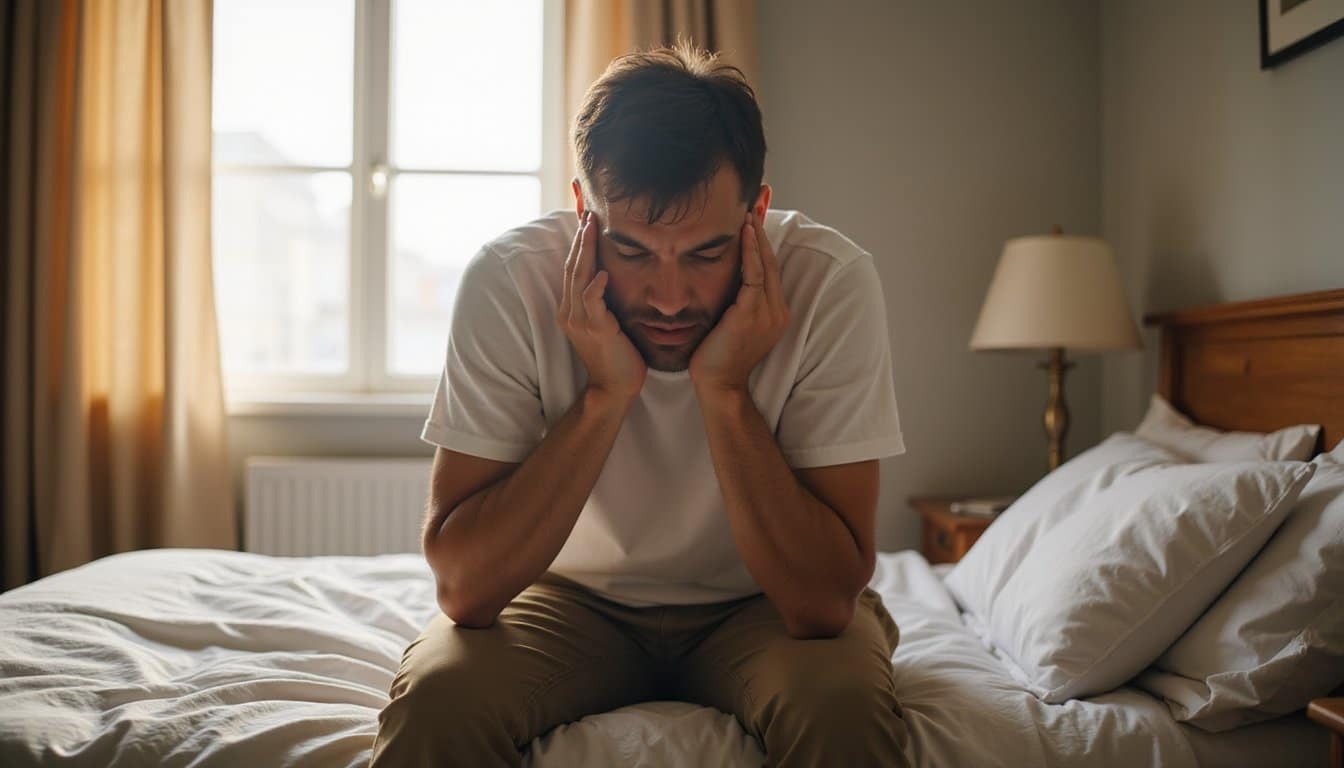
When you stop drinking alcohol after prolonged use, your brain experiences a complex neurochemical upheaval that triggers numerous withdrawal symptoms. Your brain’s delicate balance of GABA and glutamate becomes severely disrupted, leading to hyperexcitability in your nervous system.
During chronic alcohol use, your brain adapts its neurotransmitter regulation to compensate for alcohol’s effects. When you quit, these adaptations suddenly work against you. Your GABA system becomes underactive while glutamate surges, causing anxiety, tremors, and potential seizures. Your NMDA receptors, previously suppressed by alcohol, now become overactive. Furthermore, your stress system recovery is complicated by HPA axis dysfunction, which increases stress hormones and intensifies withdrawal symptoms. Autonomic hyperactivation typically causes excessive sweating and elevated heart rate. For safety and proper monitoring, many people seek professional help through security protected websites. Rising homocysteine levels can worsen these effects through excitotoxicity, making the initial withdrawal period particularly challenging. Most people begin experiencing these symptoms within 6-24 hours after their last drink.
How Your Body’s Alert System Goes Into Overdrive
As alcohol leaves your system, your body’s alert mechanism launches into a state of hyperarousal, triggering a cascade of physical symptoms through the sympathetic nervous system. Your adrenal system overload manifests through sharp increases in heart rate, blood pressure, and profuse sweating. You’ll notice persistent tremors and heightened irritability as stress hormones flood your body. The risk is especially high since chronic alcohol use creates chemical dependence that intensifies withdrawal effects. Most people begin experiencing these withdrawal symptoms within a few hours after their last drink. The symptoms typically reach their worst intensity between 24-72 hours after stopping alcohol consumption. During this critical time, many individuals may experience significant discomfort, with body shaking during detox being a common response. This involuntary tremor can be exacerbated by anxiety and restlessness, further complicating the withdrawal process.
This neurotransmitter depletion creates a biological storm where adrenaline and cortisol surge uncontrollably. You’re likely to experience irregular heartbeat, heightened respiratory rate, and severe anxiety. Your crucial signs become unstable, increasing your risk of seizures during days 2-3 of withdrawal. The intensity of these symptoms reflects your nervous system struggling to reestablish balance, often resulting in confusion, insomnia, and potential hallucinations if withdrawal becomes severe.
The Dangerous Cycle of Multiple Withdrawal Episodes

Your brain becomes increasingly sensitive to alcohol withdrawal through a process called kindling, where each episode of quitting makes future withdrawals more severe and dangerous. You’ll experience progressively worse physical and psychological symptoms with each withdrawal attempt, including a higher risk of seizures and life-threatening complications. Breaking this cycle of withdrawal and relapse becomes critical, as continued episodes can lead to permanent neurological changes and declining overall health. Family history can increase your vulnerability to experiencing severe withdrawal symptoms. For those who develop severe symptoms, the emergence of delirium tremens typically occurs within 1-4 days of stopping alcohol consumption. Research indicates that an estimated 2 million Americans experience various symptoms of alcohol withdrawal each year.
Kindling Makes Withdrawals Worse
Multiple episodes of alcohol withdrawal can trigger a dangerous neurological phenomenon known as kindling, where each subsequent withdrawal becomes progressively more severe. When you repeatedly go through withdrawal, your brain chemistry becomes increasingly disrupted, particularly affecting GABA and glutamate neurotransmitter systems. These neurochemical imbalances make your brain more sensitive to alcohol’s absence. Just as security systems protect websites from attacks, your brain develops protective mechanisms that can overreact when alcohol is removed. Aggressive medical treatment is essential to prevent the worsening of withdrawal symptoms in future episodes.
Each time you withdraw from alcohol, you’ll likely experience intensifying symptoms, including tremors, anxiety, sweating, and potential seizures. This heightened sensitivity can lead to cognitive deficits and long-term brain damage. If you’ve gone through multiple withdrawals, you’re at greater risk for severe complications like delirium tremens and hallucinations. The process is particularly dangerous for those with underlying neurological conditions or a family history of alcoholism, making medical supervision essential during detoxification. The risk is especially high for those who have achieved sobriety then relapsed multiple times.
Breaking the Relapse Pattern
Breaking free from alcohol’s grip becomes increasingly challenging with each unsuccessful attempt at sobriety, with studies showing over 70% of individuals experiencing at least one relapse in their recovery path. Recent data indicate that at least 90% of people battling alcohol addiction will face relapse during their lifetime. The risk of relapse significantly decreases for those who maintain 5 years sober. Your chances of maintaining lifestyle changes improve drastically when you engage in professional treatment and build a strong support network. The website provides security protection through Cloudflare to ensure safe access to critical recovery resources.
Research confirms that increasing social support and continuous involvement in aftercare programs sharply reduce your likelihood of relapse. Understanding this pattern can help you break the cycle and achieve lasting recovery.
Key factors that influence successful recovery:
- Sustained participation in support groups reduces relapse risk by over 60%
- Professional treatment doubles your chances of maintaining sobriety
- Building problem-solving coping strategies instead of avoidance-based responses
- Creating a prevention-focused plan with specific triggers and responses
Warning Signs and Physical Changes to Watch For
Physical withdrawal from alcohol triggers distinct warning signs you’ll need to identify within the preliminary 6-48 hours, including tremors, sweating, and heightened blood pressure. Your body’s systems will exhibit increasingly severe signals as withdrawal progresses, potentially advancing to dangerous symptoms like seizures and delirium tremens that require immediate medical intervention. You’ll notice both immediate physical changes and lingering effects that can persist for weeks, making it vital to comprehend the full spectrum of withdrawal manifestations for your safety.
Early Physical Alert Signs
When alcohol consumption ceases, your body begins exhibiting distinct warning signs within the initial 6-8 hours of withdrawal. These early physical changes manifest through diverse bodily discomfort markers that signal your system’s adjustment to functioning without alcohol. You’ll likely experience a combination of autonomic nervous system responses and gastrointestinal disruptions as your body recalibrates.
- Anxiety and restlessness emerge quickly, often accompanied by mild tremors and sweating
- Sleep disturbances develop, including insomnia and unusual sleep patterns
- Gastrointestinal symptoms arise, such as nausea, vomiting, and loss of appetite
- Crucial sign fluctuations occur, particularly increased heart rate and blood pressure
If you experience these symptoms, it is crucial to monitor their progression, as they can indicate the potential development of more severe withdrawal complications.
Body System Warning Signals
The body’s multiple systems react distinctly and systematically during alcohol withdrawal, producing specific warning signals that indicate the severity of detoxification. You’ll notice cardiovascular changes like increased blood pressure and irregular heartbeat, while your nervous system overactivity manifests through tremors, confusion, and potential seizures. Your digestive system responds with nausea, loss of appetite, and stomach discomfort. Additionally, psychological symptoms often accompany physical reactions, including heightened anxiety, irritability, and intense cravings for alcohol. Monitoring these body symptoms during detox is crucial, as they can provide insights into the individual’s level of dependence and the need for medical support. Alcohol withdrawal triggers a cascade of physiological changes that can be overwhelming for those experiencing them. As the body adjusts to the absence of alcohol, it’s not uncommon to encounter a range of emotional disturbances, further complicating the recovery process.
Musculoskeletal symptoms emerge from electrolyte imbalances, causing muscle cramps and coordination problems. Your endocrine and autonomic systems signal distress through fever, excessive sweating, and rapid breathing. These warning signs typically peak within 24-72 hours after your last drink. If you experience severe symptoms like hallucinations, seizures, or extreme confusion, seek immediate medical attention, as these indicate dangerous withdrawal complications requiring professional intervention.
Critical Withdrawal Danger Symptoms
Recognizing life-threatening withdrawal symptoms requires vigilant monitoring of specific physical and mental changes that can rapidly escalate into medical emergencies. When you discontinue drinking, your body can experience severe cardiovascular instability and metabolic crises that demand immediate medical attention.
- Sudden confusion, disorientation, and intense hallucinations within 48-72 hours signal the onset of dangerous Delirium Tremens (DTs)
- Uncontrolled tremors, sweating, and a racing heartbeat indicate severe autonomic nervous system disruption
- Persistent vomiting and inability to retain fluids lead to dangerous electrolyte imbalances and dehydration
- Seizures, especially within the initial 48 hours, coupled with severe headaches and sensitivity to stimuli, require emergency intervention
Watch for these critical warning signs and don’t hesitate to seek immediate medical care, as withdrawal complications can become life-threatening without proper treatment.
Why Some People Experience Worse Symptoms Than Others
Individuals face dramatically different withdrawal experiences when quitting alcohol, with severity ranging from mild discomfort to life-threatening complications. Your genetic factors substantially influence how your body processes alcohol and responds to withdrawal. Pre-existing medical comorbidities, including liver disease or psychiatric conditions, can intensify your symptoms.
| Risk Factor | Impact | Management Need |
|---|---|---|
| Drinking History | Longer use = worse symptoms | Higher monitoring |
| Previous Withdrawals | Each episode increases risk | Medical supervision |
| Maturity & Health | Older adults face greater danger | Close observation |
Your withdrawal severity largely depends on how long and how much you’ve been drinking. If you’ve experienced previous withdrawal episodes, especially with complications like seizures, you’re at higher risk for severe symptoms in subsequent attempts. Mature adults and those with nutritional deficiencies typically require more intensive medical support during withdrawal.
The Critical 72-Hour Window of Risk

While genetic factors and drinking history shape your withdrawal risk profile, timing plays a fundamental role in determining symptom severity and complications. During the indispensable 72-hour alcohol detoxification timeline, you’ll face the highest risk for dangerous symptoms that require acute withdrawal management.
- Hours 6-24: You’ll begin experiencing initial symptoms like anxiety, tremors, and nausea as your nervous system becomes hyperexcited
- Hours 24-48: Physical symptoms intensify, with potential seizures emerging as your brain’s neurotransmitter balance shifts
- Hours 48-72: You’re at peak risk for delirium tremens (DTs), marked by confusion, hallucinations, and severe autonomic instability
- Beyond 72 hours: Most physical symptoms begin subsiding, though you may experience prolonged psychological effects for weeks
If you’re planning to quit, medical supervision during this window is essential, as proper treatment reduces DT fatality risk from 15% to about 1%.
Medical Support and Safety During Withdrawal
Medical withdrawal support involves four critical components: professional assessment, interdisciplinary care, intensive monitoring, and structured follow-up protocols. Your healthcare team will use validated tools like CIWA-Ar and PAWSS to evaluate your withdrawal risk and determine the appropriate treatment setting.
You’ll receive support from a coordinated team including physicians managing your medications, nurses conducting ongoing clinician assessment, and pharmacists ensuring safe medication management protocols. If you’re experiencing severe symptoms, you’ll need hospital admission with continuous monitoring of your indispensable signs and neurological status. For mild-to-moderate cases, you may qualify for outpatient care, provided you have reliable social support and a safe environment. Throughout withdrawal, your team will track your symptoms daily, adjusting treatment as needed and immediately addressing any complications that arise.
Quitting alcohol takes every ounce of courage you have, and then your own body starts fighting back in ways that feel deeply unfair and overwhelming when all you were trying to do was make things better. At outpatient drug rehab tampa, we understand how confusing and frightening it is to experience physical symptoms after quitting alcohol, especially when you do not fully understand what is triggering them or how long they are going to last. We connect you with dedicated alcohol treatment centers and recovery resources, because understanding what your body is going through is not something you should have to piece together alone during one of the hardest seasons of your life. The right help is already out there waiting for you. Call 740-562-7398 today and let us help you take that first step toward healing.
Frequently Asked Questions
Can Exercise Help Reduce Alcohol Withdrawal Symptoms?
Yes, exercise can considerably help reduce alcohol withdrawal symptoms through multiple mechanisms. When you exercise, increased endorphin release naturally helps combat anxiety and depression while improving your mood. You’ll also experience better enhanced sleep quality, which is often disrupted during withdrawal. Physical activity strengthens your immune system, reduces cravings, and helps manage physical discomfort. Start with low-intensity exercises like walking and gradually increase intensity as your body adjusts.
How Long Does It Take for Brain Chemistry to Return to Normal?
Your brain chemistry can take anywhere from several months to 7 years to fully normalize after quitting alcohol. Initially, you’ll experience neurotransmitter imbalances as your brain adjusts to functioning without alcohol. While increased dopamine levels begin stabilizing within 2 weeks, complete restoration varies based on your drinking history and individual factors. You’ll notice cognitive improvements within weeks, but full recovery of all brain functions, especially memory and reasoning, requires sustained abstinence.
Does Drinking Water Help Minimize Withdrawal Symptoms?
Yes, maintaining proper hydration levels greatly helps minimize withdrawal symptoms during alcohol detox. When you increase your fluid intake, you’ll support your body’s natural detoxification process and help restore electrolyte balance. You’ll likely experience reduced headaches, nausea, and tremors. Water with added electrolytes is particularly effective, as it helps flush out toxins while replenishing essential minerals. Proper hydration can also decrease cravings and stabilize your mood during withdrawal.
Are Withdrawal Symptoms Different for Wine Versus Beer Versus Liquor Drinkers?
No, you won’t experience different withdrawal symptoms based on whether you drink wine, beer, or liquor. There are no significant alcohol type differences in withdrawal symptom variation when you consume equivalent amounts of alcohol. What matters most is how much and how long you’ve been drinking, not the type of beverage. Your withdrawal severity is determined by your total alcohol intake and drinking patterns rather than your choice of drink.
Can Vitamin Supplements Help Ease the Withdrawal Process?
Yes, vitamin supplements can profoundly help ease withdrawal symptoms. Since alcohol impairs vitamin absorption rates and causes widespread nutritional deficiencies, you’ll benefit from targeted supplementation – especially B-complex vitamins, vitamin C, and minerals like magnesium and zinc. You’ll need professional guidance, though, as proper dosing is vital. B1 (thiamine) is particularly essential to prevent serious neurological complications, while B3 (niacin) can assist with mood and energy during withdrawal.