



During cancer treatment, you’ll need to avoid alcohol completely or strictly limit consumption to prevent dangerous treatment interactions. If your medical team approves any drinking, stick to no more than 1 drink daily for women or 2 for men. Alcohol interferes with chemotherapy metabolism, increases side effects, and impairs your immune response, with 38% of patients experiencing adverse reactions. Understanding the specific risks and guidelines can help protect your treatment success.
Understanding the Cancer-Alcohol Connection

While many people understand that alcohol can damage the liver, its role in cancer development is less widely recognized. Research shows that about 4% of global cancer cases are linked to alcohol consumption patterns, with higher intake directly correlating to increased risk. According to recent studies, alcohol-linked deaths doubled between 1990 and 2021. You’re most vulnerable in your oral cavity, pharynx, esophagus, and larynx, where risk can increase more than fivefold with heavy drinking. Studies indicate that gender differences exist specifically for esophageal and liver cancer risks.
Your personalized risk assessment should consider that all types of alcohol, whether beer, wine, or spirits, contribute just as much to cancer risk. Even moderate drinking (about two drinks daily) can greatly increase your cancer risk. While alcohol rarely acts as a direct carcinogen, it boosts the cancer-causing effects of other substances, particularly in your digestive and respiratory tracts. Alcohol’s ethanol breaks down into acetaldehyde damages DNA, potentially leading to cancer development. Your personalized risk assessment should account for the fact that all types of alcohol, beer, wine, or spirits, contribute similarly to cancer risk. Even moderate drinking, defined as about two drinks per day, can significantly elevate your overall alcohol and cancer risk. While alcohol rarely acts as a direct carcinogen on its own, it amplifies the cancer-causing effects of other substances, particularly within the digestive and respiratory tracts. During metabolism, ethanol is broken down into acetaldehyde, which damages DNA and interferes with repair processes, potentially leading to cancer development.
Key Guidelines for Alcohol Consumption
Understanding the specific risks of alcohol during cancer leads directly to clear consumption guidelines for patients and survivors. If you’re undergoing treatment, your safest choice is to avoid alcohol completely. However, if you do drink, you’ll need to follow strict limits: no more than one drink daily for women and two for men, where a standard drink equals 5 oz of wine, 12 oz of beer, or 1 oz of liquor.
All types of alcohol contain carcinogenic ethanol that can increase cancer risks and complications. Patient-provider alcohol conversations should happen regularly throughout your care. Research shows that seventy-five percent of patients continue drinking during active treatment. Alcohol can significantly worsen treatment side effects like nausea and dehydration. You’ll want to discuss potential interactions with your medications and treatments. If you’re experiencing mouth sores or receiving therapies that irritate oral tissue, you must abstain completely. Ongoing drinking moderation requires accurate measurement of portions and consistent monitoring with your healthcare team.
Treatment Complications From Drinking
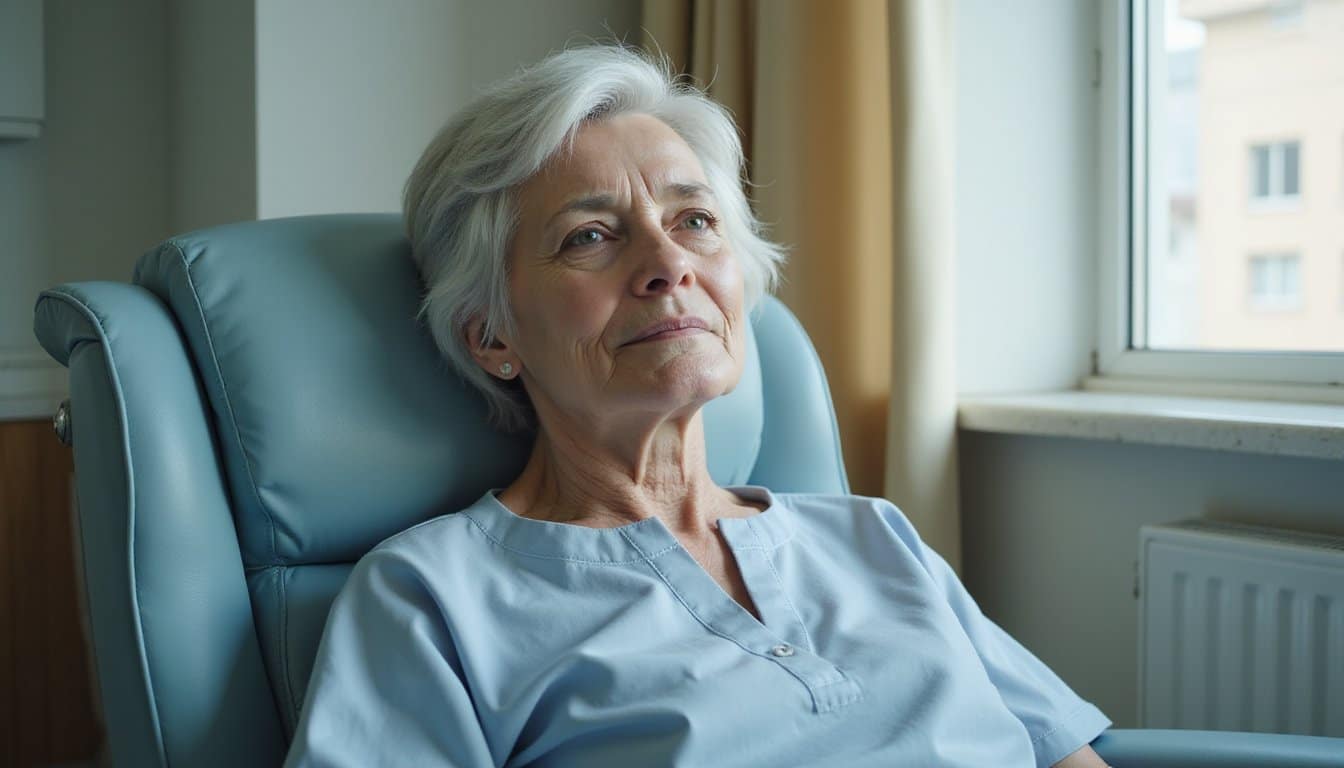
When you drink alcohol during cancer treatment, you’re interfering with how your liver processes chemotherapy drugs, which can make them either less effective or more toxic. Your risk of severe treatment side effects increases considerably, as alcohol irritates tissues already made sensitive by radiation and chemotherapy. The irritation is especially concerning since alcohol acts as an irritant to tissues in the mouth, throat, and esophagus even without treatment. Research shows that alcohol can impair immune responses, making it harder for your body to fight cancer cells during treatment. Studies show that drinking during treatment leads to more complications, with 38% of chemotherapy patients who consumed alcohol experiencing adverse effects that required supplementary medical intervention.
Drug Metabolism Changes
Since alcohol considerably disrupts the body’s ability to process medications, you’ll need to understand how drinking affects your cancer treatment metabolism. When you consume alcohol, it triggers acetaldehyde disruption of DNA repair and causes metabolic pathway shifts that can seriously compromise your treatment’s effectiveness. The metabolism of alcohol produces reactive oxygen species that create additional cellular stress during treatment.
Your body’s response to alcohol during cancer treatment includes:
- Increased oxidative stress and production of ketone bodies that may fuel tumor growth
- Altered expression of key metabolic enzymes (ACAT1/OXCT1) that affect how your body processes cancer drugs
- Competitive inhibition of chemotherapy metabolism in your liver, reducing drug effectiveness
- Changes in hormone responsiveness that can make targeted therapies less effective
These metabolic changes don’t just reduce treatment efficacy; they can also lead to dangerous drug interactions and increased toxicity risks. The presence of alcohol can transform low-risk breast cancers into high-risk status, potentially worsening treatment outcomes. Genetic variations in alcohol-metabolizing enzymes can further complicate how your body processes both alcohol and cancer medications.
Treatment Side Effect Risks
Alcohol consumption during cancer treatment substantially amplifies your risk of serious complications and side effects. If you drink, you’ll face higher rates of surgical complications, delayed wound healing, and extended hospital stays. Your immune system disruption from alcohol can increase infection risks and compromise treatment effectiveness.
Drinking worsens common therapy side effects like mouth sores, nausea, and digestive issues. Research shows that alcohol consumption during radiotherapy is linked to worse disease-free survival. It can intensify chemotherapy-related nerve damage and cognitive changes. Your nutritional status decline from alcohol use may lead to poor treatment tolerance and slower recovery. Even moderate alcohol consumption can trigger dangerous interactions with medications meant to manage side effects. Doctors recommend that patients should avoid excessive drinking during chemotherapy treatment.
For patients receiving radiotherapy, particularly for head and neck cancers, alcohol use markedly increases the risk of bone damage and treatment complications.
Navigating Social Situations Without Alcohol
Traversing social events during cancer treatment doesn’t require alcohol to be meaningful or enjoyable. Creating non-alcoholic rituals and maintaining positivity can transform your social experiences while protecting your health. Mindful listening practices can deepen your engagement in social conversations without relying on alcohol as a social lubricant. You’ll find numerous strategies to stay engaged and comfortable in social settings without compromising your treatment plan. Participating in community service work at local nonprofits offers fulfilling ways to socialize while making a positive impact.
- Order mocktails or establish a signature non-alcoholic drink to reduce social pressure while participating fully in celebrations
- Connect with sober curious communities and support groups that offer structured, alcohol-free interactions
- Suggest alternative activities like game nights, outdoor adventures, or art workshops to foster meaningful connections
- Bring your preferred non-alcoholic beverages to events and reframe conversations around exploring new drink options rather than abstaining
These approaches help maintain social connections while prioritizing your well-being during treatment.
Medical Reasons to Limit or Avoid Alcohol

Your liver’s ability to process medications safely becomes compromised when you’re drinking alcohol during cancer treatment, as both substances compete for the same metabolic pathways. You’ll likely experience more severe treatment side effects and potentially dangerous drug interactions when alcohol interferes with your body’s processing of cancer medications. Research shows that alcohol can substantially reduce your treatment’s effectiveness by disrupting cellular repair mechanisms and suppressing immune responses needed to fight cancer cells.
Liver Function Disruption Risk
Anyone undergoing cancer treatment must understand the severe risks that alcohol poses to liver function. Even small amounts of alcohol can directly damage your liver cells and trigger inflammatory responses that reduce regenerative capacity. When combined with cancer treatments, alcohol considerably raises your chronic liver failure risk through continued cellular injury and scarring.
- Your liver’s ability to heal and regenerate becomes extremely compromised when exposed to alcohol during treatment
- Toxic alcohol byproducts like acetaldehyde cause DNA damage and mutations in liver cells
- Alcohol generates harmful oxidative stress that accelerates liver tissue destruction
- The combination of alcohol with cancer treatments can restrict your therapeutic options and worsen general outcomes
The safest approach is complete alcohol abstinence during treatment to protect your liver’s crucial functions and optimize your recovery potential.
Treatment Effectiveness Compromised
Consuming alcohol during cancer treatment can substantially compromise the effectiveness of your therapy through multiple biological mechanisms. Your immune response becomes compromised, reducing your body’s ability to fight cancer cells and respond to immunotherapy. Alcohol also interferes with how your medications are metabolized, potentially disrupting your treatment duration and success rates. Consuming alcohol during cancer treatment can substantially compromise the effectiveness of your therapy through multiple biological mechanisms. Your immune response becomes weakened, reducing your body’s ability to target cancer cells and respond optimally to treatments such as immunotherapy. Alcohol also interferes with drug metabolism, which can alter medication levels and disrupt treatment timing and outcomes. These clinical effects are closely tied to how can alcohol cause cancer, as the same pathways that drive carcinogenesis, immune suppression, DNA damage, and metabolic disruption, can also undermine treatment success.
| Impact Area | With Alcohol | Without Alcohol |
|---|---|---|
| Immune Function | Decreased lymphocytes | Optimal immune response |
| Drug Metabolism | Impaired effectiveness | Maximum drug benefit |
| DNA Repair | Compromised | Normal function |
| Treatment Response | Reduced success rate | Better outcomes |
Research shows that drinking can increase your risk of cancer recurrence and lower survival rates, particularly in head and neck cancers. It’s essential to understand that alcohol’s interference with DNA repair mechanisms can directly counteract the beneficial effects of chemotherapy and radiation treatments.
Increased Side Effect Severity
Beyond compromising treatment effectiveness, alcohol drastically intensifies the side effects and complications of cancer therapy. When you drink during treatment, you’re facing compounded organ damage as both alcohol and chemotherapy drugs strain your liver and other critical organs. The combination creates heightened mucositis risk, making mouth sores and tissue inflammation extremely more painful and severe.
- Your liver becomes doubly stressed, processing both alcohol and chemotherapy drugs simultaneously, increasing toxicity risks
- Your immune system weakens further, leaving you more vulnerable to infections and potentially reducing immunotherapy effectiveness
- Your surgical recovery time extends considerably, with higher chances of complications and longer hospital stays
- Your mouth and throat tissues experience more severe inflammation and slower healing, especially during radiation therapy
Signs You Should Stop Drinking During Treatment
While many cancer patients wonder about alcohol use during treatment, certain clear warning signs indicate when drinking must stop completely. If you’re experiencing worsening treatment side effects, persistent drinking despite medical advice, or symptoms of alcohol use disorder, it’s critical to cease alcohol consumption immediately.
| Warning Sign | What It Means |
|---|---|
| Severe Side Effects | Your mouth sores, nausea, or fatigue worsen after drinking |
| Mental Health Changes | You’re using alcohol to cope with depression or anxiety |
| Treatment Interference | Your medications aren’t working as effectively as expected |
| Hazardous Patterns | You can’t reduce drinking or experience strong cravings |
| Physical Decline | Your recovery is slower than expected or complications increase |
These signs, particularly when combined with hazardous drinking patterns or declining mental health impacts, suggest an urgent need to stop alcohol use during your cancer treatment. These signs, particularly when combined with hazardous drinking patterns or worsening mental health impacts, may reflect emerging symptoms of alcohol related cancers and signal an urgent need to stop alcohol use during cancer treatment to protect both therapeutic effectiveness and overall health.
Building a Support System for Sobriety
Once you’ve identified the need to stop drinking during cancer treatment, establishing a strong support system becomes your next key step. Successful sober lifestyle maintenance relies on comprehensive emotional support networks that include professional guidance and peer connections.
- Join both in-person and online peer support groups specific to cancer patients maintaining sobriety, such as specialized AA meetings
- Connect with an oncology social worker or behavioral health therapist who can help develop personalized coping strategies
- Participate in one-on-one mentorship programs like Imerman Angels to receive guidance from someone who’s experienced similar challenges
- Involve your family in educational sessions and support meetings to strengthen your at-home support network
These evidence-based support mechanisms provide essential tools for maintaining sobriety while traversing cancer treatment. Your healthcare team can connect you with appropriate local and online resources tailored to your particular needs.
When someone you love is fighting cancer and still reaching for a drink, the fear and helplessness you feel watching that happen is something words can barely begin to describe. At outpatient drug rehab tampa, we understand how complicated and emotionally charged the question of drinking during cancer treatment truly is, especially when the person asking it is already carrying more than any one person should have to bear. We connect you with qualified alcohol treatment centers and recovery resources, because the safety of drinking during cancer treatment is not a question that should be answered alone and the stakes of getting it wrong are simply too high to leave to chance. The right help is already out there waiting for you. Call 740-562-7398 today and let us help you take that first step toward healing.
Frequently Asked Questions
Can I Drink Non-Alcoholic Beer or Wine During Cancer Treatment?
You should avoid non-alcoholic beer and wine during cancer treatment, as they often contain up to 0.5% alcohol that can interact with your chemotherapy or radiation therapy. Instead, focus on alternative beverages like herbal teas, flavored water, or fruit-infused drinks that contain zero alcohol. Proper hydration is essential during treatment, so work with your oncology team to identify safe drink options that won’t compromise your therapy’s effectiveness.
How Long After Completing Chemotherapy Should I Wait Before Drinking Alcohol?
You’ll need to wait several weeks after completing chemotherapy before consuming alcohol, though the exact abstain duration varies based on your specific treatment and recovery timeline. You should get explicit clearance from your oncologist, who’ll assess your liver function, medication status, and comprehensive recovery. Don’t resume drinking until all chemotherapy drugs have cleared your system and side effects have resolved. Even then, you’ll need to strictly limit consumption.
Will Occasional Champagne Toasts at Celebrations Affect My Cancer Treatment?
You’ll need your doctor’s explicit approval before having any champagne toasts, as occasional alcohol consumption can interfere with your treatment’s effectiveness and worsen cancer treatment side effects. Even small amounts of champagne may aggravate mouth sores, increase nausea, and strain your liver while it’s processing chemotherapy drugs. It’s safest to choose non-alcoholic alternatives for celebrations until your medical team confirms it’s appropriate for your specific situation.
Does Cooking With Wine Pose Risks During Cancer Treatment?
Yes, cooking with wine can pose risks during your cancer treatment. Even with standard cooking methods, up to 85% of the alcohol content remains in dishes simmered briefly. You’ll want to avoid wine-based recipes since residual alcohol can irritate treatment-related mouth sores, interfere with chemotherapy metabolism, and increase liver strain. If you need wine’s flavor in cooking, consider non-alcoholic alternatives or wine vinegars for your recipe selection.
Should I Tell My Oncologist About My Previous Drinking Habits?
Yes, you should absolutely tell your oncologist about your previous drinking habits. Open communication with your oncologist about your alcohol history is vital for your safety and treatment success. Your honest alcohol history helps them plan appropriate treatment doses, anticipate potential complications, and provide better monitoring of side effects. This information directly impacts treatment decisions and can help prevent avoidable complications. Don’t hold back, your oncologist needs this information to give you the best care possible.