



Drink spiking happens when someone adds substances to your beverage without consent, typically extra alcohol, benzodiazepines, GHB, or ketamine. These agents are often colorless and odorless, making sensory detection nearly impossible. You can reduce your risk by never leaving drinks unattended, accepting beverages only from bartenders, and watching for unusual tastes or unexpected intoxication symptoms. Understanding the specific substances involved and their metabolic profiles will help you recognize warning signs faster.
What Is Drink Spiking?
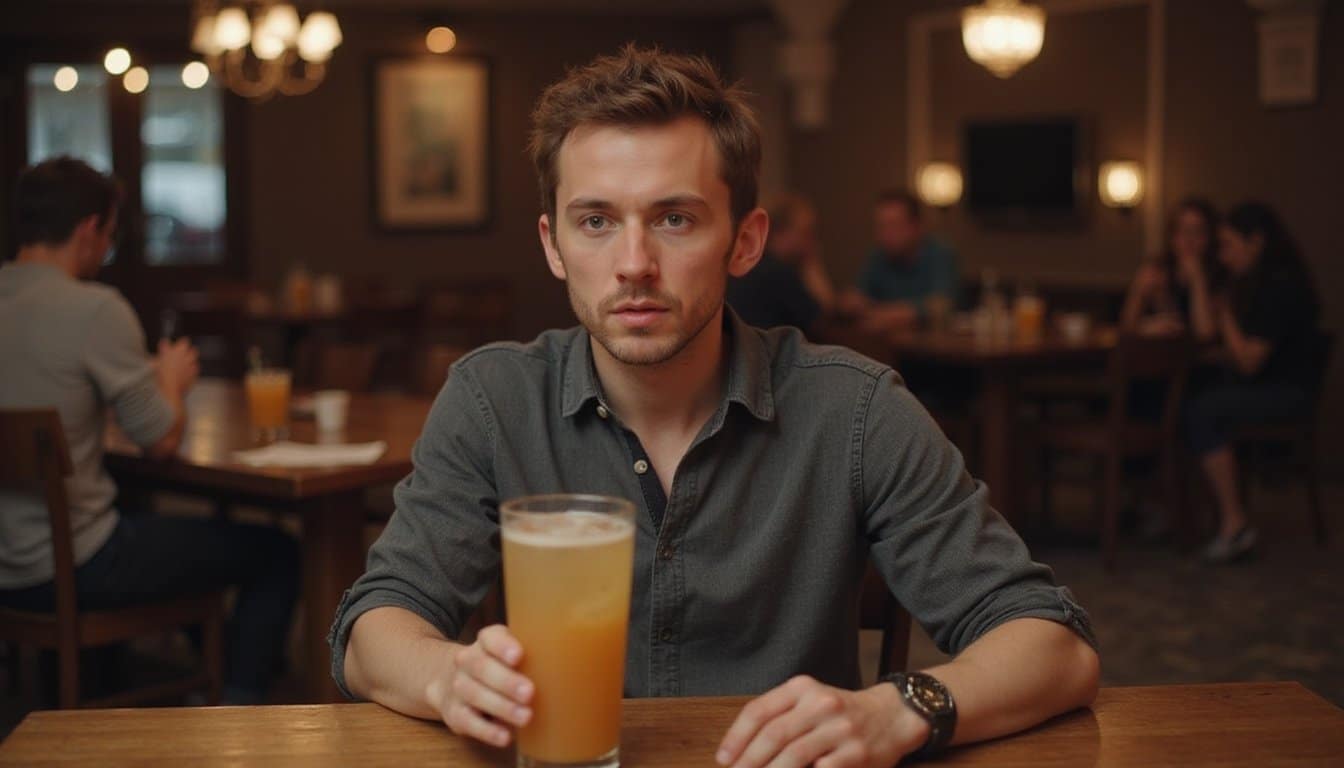
Drink spiking occurs when someone deliberately adds a substance to your beverage without your knowledge or consent. This includes introducing alcohol to non-alcoholic drinks, increasing ethanol concentrations in existing beverages, or adding pharmacologically active compounds like sedatives or hypnotics.
Contrary to common perception, alcohol remains the most frequently used spiking agent. The chemical properties of many substances, colorless, odorless, tasteless, make detection challenging without specialized testing. These substances typically produce sedative effects that cause victims to lose control, experience blackouts, or become unconscious. Despite media attention on drugs like GHB and Rohypnol, drug-facilitated spiking remains relatively rare compared to alcohol-based incidents.
Bar safety awareness is essential because spiking constitutes a serious criminal offense across all jurisdictions. Approximately one-third of documented incidents correlate with sexual assault, while others facilitate robbery. Understanding these patterns supports harm prevention strategies.
You should recognize that drink spiking fundamentally violates consent by eliminating your ability to make informed decisions about substance ingestion. Spiking can also occur through injection of substances directly into your body, not just through contaminated beverages.
Drugs and Substances Used in Drink Spiking
Understanding the substances used in drink spiking helps you recognize potential risks and respond appropriately. Research shows that alcohol itself remains the most frequently detected agent, found in up to 83% of confirmed cases, while benzodiazepines, GHB, ketamine, and MDMA appear less commonly but pose significant dangers when combined with ethanol. Many of these compounds are colorless, odorless, and tasteless in solution, which makes detection through sensory observation extremely difficult without specialized testing. These substances are commonly referred to as date rape drugs due to their association with drug-facilitated sexual assault. In one study of patients presenting to an emergency clinic with drink spiking concerns, unreported drugs were found in 15% of cases, including clonazepam, MDMA, amphetamine, cocaine, and cannabis. Mixing alcohol with stimulants or sedatives can cause serious medical problems and produce unpredictable effects that are more severe than either substance alone.
Common Spiking Substances
Most drink spiking incidents don’t involve the substances you might expect. Research shows ethanol itself is the primary spiking agent, with perpetrators adding extra alcohol shots to cause rapid intoxication. Understanding how to know if your drink was spiked requires recognizing that common “date-rape drugs” like Rohypnol and ketamine rarely appear in confirmed cases. The reality is that the so-called roofied test is not as reliable as people may believe. Many individuals overlook the signs of spiking that don’t involve these well-known drugs, leaving them vulnerable during social outings. It’s crucial to remain vigilant and prioritize safety, as the methods of drink spiking continue to evolve.
| Substance | Detection Frequency |
|---|---|
| Alcohol | Most common |
| GHB | Rare (clears quickly) |
| Rohypnol | Not detected |
| Ketamine | Not detected |
GHB poses particular challenges, it’s colorless, odorless, and exits your system rapidly, complicating toxicology results. Signs of a spiked drink are often subtle since these compounds dissolve invisibly. Learning how to tell if your drink was drugged means monitoring your intoxication level relative to consumption rather than looking for visible changes. In one study, unreported drugs were found in 15% of patients who suspected drink spiking, suggesting substances had been added without their knowledge.
Why Detection Is Difficult
Even when you suspect drink spiking, confirming it presents significant chemical and biological obstacles. Common spiking agents possess short metabolic half-lives, resulting in rapid drug elimination from your bloodstream and urine within hours. This biological clearance often occurs before you recognize symptoms or seek testing, severely limiting detection windows.
Current color-based test kits compound these difficulties. You’ll encounter false positive test results triggered by beverage acidity, dairy content, or even certain water brands. The chemical reactions rely on subjective color interpretation, which proves unreliable in dim bar lighting or for individuals with color vision deficiencies. Sociologist Pamela Donovan highlights that while many people support using such tests, there is often a lack of follow-through in actually using them.
Multi-substance panels demonstrate lower specificity, particularly with GHB and ketamine detection. Complicated usage instructions and the need for controlled conditions further reduce test accuracy, explaining why adoption rates remain low despite availability. These limitations highlight the need for emerging solutions like Elora’s bracelet technology, which aims to provide discreet real-time notification to users and their safety network when drink-spiking substances are detected.
Alcohol as Primary Agent
While sedatives and illicit substances dominate public perception of drink spiking, ethanol itself functions as the primary agent in most documented cases. Research indicates blood alcohol concentrations reaching 174 mg/dL in victims whose reported consumption couldn’t account for such levels. One emergency department analysis revealed only 19% of samples contained drugs of misuse, alcohol comprised the overwhelming majority. Notably, 65% of patients had blood alcohol levels exceeding 160 mg%, demonstrating how severely elevated intoxication commonly presents in these cases.
Understanding what a spiked drink looks like becomes complicated when additional ethanol serves as the adulterant. You won’t detect visible changes, making signs that your drink was drugged nearly imperceptible. Knowing if someone drugged your drink often requires recognizing intoxication levels disproportionate to your actual consumption. This deliberate alcohol adulteration exploits detection difficulties while producing the same incapacitating effects that perpetrators seek from controlled substances. With bars accounting for 41% of incidents and clubs representing another 28%, these social drinking environments create prime opportunities for perpetrators to exploit alcohol-based spiking methods undetected. Understanding what a spiked drink looks like becomes complicated when additional ethanol serves as the adulterant. You won’t detect visible changes, making signs that your drink was drugged nearly imperceptible. Knowing if someone drugged your drink often requires recognizing intoxication levels that are disproportionate to your actual consumption.If you’re asking how do I know if I was roofied last night, this kind of alcohol-based spiking makes it especially difficult to identify after the fact, since the effects can mimic extreme intoxication rather than something obviously different. This deliberate alcohol adulteration exploits detection difficulties while producing the same incapacitating effects that perpetrators seek from controlled substances. With bars accounting for 41% of incidents and clubs representing another 28%, these social drinking environments create prime opportunities for perpetrators to exploit alcohol-based spiking methods undetected.
Where Drink Spiking Happens Most Often
Understanding the environmental factors that correlate with drink spiking incidents can help you assess risk more accurately. Research indicates that bars and nightclubs account for approximately 50-55% of all reported cases, making these venues the highest-risk environments for drink safety concerns.
Nightclubs present particular vulnerabilities due to chaotic conditions, dim lighting, and crowded spaces that facilitate unnoticed tampering. Studies have identified specific establishments accounting for up to 31% of incidents in localized analyses. Data shows that 80% of spiking incidents occur in public places, particularly bars and nightclubs.
House parties represent the second major risk category, with 46-51% of individuals reporting exposure in these informal settings. Private environments often reduce vigilance, creating an opportunity for perpetrators. The relaxed atmosphere at these gatherings often leads attendees to let their guard down, making keeping an eye on beverages essential for personal safety.
Additional venues include pubs (14%), festivals (3%), and educational institutions (11-19%). You’ll encounter heightened risk in high-density nightlife districts, particularly during peak weekend hours when monitoring becomes difficult.
Who’s Most at Risk for Drink Spiking

Certain demographic groups face disproportionately heightened risk for drink spiking victimization. Research indicates you’re statistically more vulnerable based on specific demographic factors.
High-Risk Demographics:
- Young adults (18-24): You face the highest exposure, with 70% experiencing or witnessing spiking incidents. Over half of documented cases occur during college years, where 6-8.5% of students report being drugged. Research confirms that 55% of survivors are between 18 and 25 years old.
- Females: Women constitute 91% of survivors and 74% of all spiking offense victims. You’re considerably more likely to encounter alcohol-based spiking, comprising 83% of such cases. Despite these alarming numbers, 87% of victims did not report incidents to the police.
- LGBTQ+ individuals: You experience an 18% lifetime victimization rate compared to 11% among cis-heterosexual populations. Data shows 69% of LGBTQ+ young adults have been affected.
Understanding your risk profile enables you to implement appropriate protective measures in vulnerable environments.
Signs Your Drink Was Spiked
Recognizing the signs of drink spiking requires understanding how various substances affect your neurological and physiological systems. CNS depressants like GHB and benzodiazepines produce rapid-onset symptoms including respiratory depression, muscle hypotonia, and anterograde amnesia.
| System Affected | Acute Symptoms | Onset Timeline |
|---|---|---|
| Neurological | Confusion, memory gaps, loss of consciousness | 15-30 minutes |
| Motor Function | Ataxia, slurred speech, impaired coordination | 20-45 minutes |
| Autonomic | Nausea, respiratory changes, and altered heart rate | 15-60 minutes |
You’ll notice intoxication levels disproportionate to your alcohol consumption. Chemical adulterants may alter your drink’s organoleptic properties, producing unusual turbidity, atypical taste profiles, or excessive carbonation. Monitor for cognitive impairment that progresses faster than expected based on your intake volume.
What to Do If You’ve Been Spiked

If you suspect your drink’s been spiked, you’ll need to act quickly by identifying symptoms such as sudden dizziness, confusion, or nausea that don’t match your alcohol intake. You should seek immediate medical attention, as healthcare providers can administer blood and urine tests to detect substances like benzodiazepines, GHB, or ketamine, though detection windows vary from hours to days depending on the compound. Reporting the incident promptly to venue staff and law enforcement creates documentation that supports both your case and broader public safety efforts.
Recognize the Warning Signs
Because many substances used in drink spiking, including gamma-hydroxybutyrate (GHB), ketamine, and benzodiazepines, are rapidly absorbed into the bloodstream, symptoms can manifest within 15 to 30 minutes of ingestion. You should monitor for these clinical indicators:
- Neurological disruption: You experience confusion, slurred speech, impaired coordination, or memory gaps despite consuming minimal alcohol.
- Physiological changes: You notice decreased body temperature, lowered blood pressure, nausea, or respiratory irregularities.
- Altered consciousness: You feel disproportionately intoxicated, dizzy, or lose consciousness unexpectedly.
Symptom severity depends on the specific compound’s pharmacokinetics, dosage administered, your body mass, and concurrent alcohol consumption. If your beverage develops a salty or bitter taste, appears cloudy, or fizzes abnormally, discontinue drinking immediately. These organoleptic changes may indicate contamination.
Seek Immediate Medical Help
Swift clinical intervention becomes critical once you’ve identified potential drink-spiking symptoms. Call emergency services immediately if you experience unresponsiveness, respiratory depression, or loss of consciousness. These indicators suggest dangerous drug-alcohol interactions requiring urgent evaluation.
Proceed directly to the nearest emergency department and request toxicology screening upon arrival. Inform medical staff of suspected spiking and recent alcohol consumption. Time-sensitive testing matters, most spiking agents metabolize within 12-72 hours, narrowing the detection window extensively.
Provide blood and urine samples for extensive drug panels. Note that negative toxicology results don’t definitively exclude spiking, as certain compounds clear rapidly from biological matrices. Document symptom onset timeline, typically occurring 5-20 minutes post-exposure. Preserve any remaining beverage for forensic analysis. Your medical team will address complications, including amnesia, overdose symptoms, and potential infection prophylaxis.
Report the Incident Promptly
Reporting drink spiking within the first 24-48 hours dramatically increases the likelihood of toxicological detection and evidence preservation. Many spiking agents, including gamma-hydroxybutyrate (GHB) and ketamine, metabolize rapidly, some becoming undetectable within 12-72 hours post-ingestion.
Critical reporting actions:
- Contact emergency services immediately, call 000 (Australia), 999/101 (UK), or 911 (US) depending on severity and location.
- Preserve the suspected beverage, secure any remaining liquid for forensic analysis, as police can test samples for up to seven days.
- Document incident specifics, record exact time, location, and any suspicious behavior observed around your drink.
You should also inform venue staff, who can retain CCTV footage and gather witness statements. Early reporting enables authorities to collect corroborating evidence before it degrades or disappears.
How to Protect Yourself From Drink Spiking
When you’re in social environments where drink spiking risks exist, proactive detection methods offer a first line of defense against common adulterants. Testing strips utilize chemical reagents that react with gamma-hydroxybutyrate (GHB) and ketamine, producing colorimetric changes upon contact. The wearable device SpikEy demonstrates 86% detection accuracy across multiple drug profiles and liquid matrices. In addition to the wearable technologies, there are also portable testing kits that can you test for roofies and other substances, making it easier to assess safety on the go. These kits often come with easy-to-follow instructions, allowing users to gain peace of mind in uncertain situations. As awareness grows, more venues are adopting these testing methods to ensure a safer social environment for their patrons.
| Detection Method | Mechanism of Action |
|---|---|
| Testing strips | Reagent-based colorimetric reaction |
| Detection nail polish | Chemical indicator coating |
| Smart straws | Drug-reactive color change |
| Test coasters | Sample-activated indicators |
You should complement detection tools with behavioral protocols. Implement buddy systems, maintain constant visual contact with beverages, and establish predetermined distress signals. Research indicates bystander intervention proves more effective than detection tools alone.
Help Is Here When You Need It
Roofies and other spiking substances can leave lasting effects, and getting the right support is just as important as prevention. At Tampa Outpatient Detox, we connect you with licensed detox centers in Tampa offering Outpatient Detox Programs to help you reclaim your health and move forward. Call (740) 562-7398 today and start your journey toward a healthier life.
Frequently Asked Questions
Can Drink Spiking Be Proven if Drugs Leave the Body Quickly?
You can prove drink spiking, but timing is critical. GHB clears your plasma within hours and becomes undetectable in urine after 3, 18 hours. Benzodiazepines offer longer detection windows, up to 96 hours in urine. You’ll increase your chances by seeking testing immediately; delays beyond 12, 24 hours drastically reduce detection rates. If you’ve retained the suspected drink, have it analyzed too, it provides complementary forensic evidence when biological samples yield negative results.
What Legal Actions Can Victims Take if No Substances Are Detected?
You can still pursue legal action even without detected substances. Prosecutors may build cases using circumstantial evidence, witness testimony, CCTV footage, and documented symptoms consistent with spiking. In Colorado, you don’t need toxicological confirmation if fraud or deceptive intent is proven. You should report to police quickly, as they’ll gather corroborating evidence. Contact Victim Support at 08 08 16 89 111 for guidance, and consider legal consultation to navigate prosecution options effectively.
Are Drink Spiking Detection Devices and Nail Polishes Actually Reliable?
Current detection devices show limited reliability. Color-based test kits produce high false positive rates, up to 97% in some studies, and struggle with matrix effects from beverages like red wine or mixed drinks. Coaster devices demonstrate 0% sensitivity for ketamine at tested concentrations. You’ll find immunoassay-based kits perform better, though they’re still imperfect. Emerging technologies like temporary tattoo sensors detecting GHB show promise, but you shouldn’t rely solely on any device for protection.
How Long Do Spiking Substances Typically Remain Detectable in Blood or Urine?
Detection windows vary dramatically by substance. GHB clears your system quickest, you’ll have just 3, 10 hours in urine and 30, 50 minutes in plasma. Alcohol remains detectable 10, 12 hours in blood and 3, 5 days in urine. Amphetamines stay in your urine 1, 3 days but only ~12 hours in blood. Barbiturates persist 1, 2 days in blood, 2, 4 days in urine. You should seek testing immediately, as many spiking agents metabolize within hours.
Can Venues Be Held Legally Responsible for Drink Spiking Incidents?
Yes, you can hold venues legally responsible for drink spiking incidents on their premises. Venue owners face civil liability exposure, allowing you to bring lawsuits against licensees and establishment owners. They’re also subject to criminal liability for serving alcohol irresponsibly. Evidence demonstrates that liability extends to fines, reputational damage, and potential criminal charges if staff served intoxicated individuals who subsequently caused harm. Documentation, CCTV retention, and witness identification strengthen your legal proceedings.