






Substance abuse in older adults triggers a cascade of devastating health effects: you’re facing dramatically increased fall risk (94% take medications that heighten this danger), accelerated cognitive decline equivalent to up to 5.7 extra years of aging, and dangerous cardiovascular complications. Depression and anxiety worsen substantially, creating cycles where declining mental health fuels continued misuse. When combined with polypharmacy, which affects 65% of older adults, these substances create potentially lethal interactions that threaten your independence. Understanding these specific mechanisms can help you recognize warning signs and protective strategies. Being aware of the signs of substance abuse in seniors is crucial for early intervention and support. Family members should look for changes in behavior, such as increased withdrawal from social activities or unexpected mood swings.
Increased Risk of Falls, Fractures, and Physical Injuries
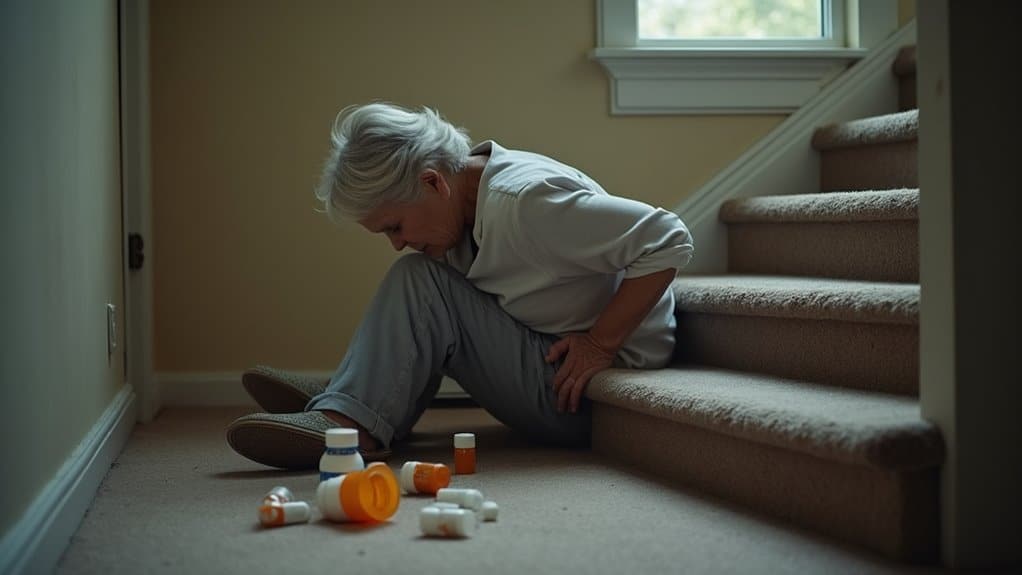
Substance abuse in older adults dramatically increases the likelihood of falls, fractures, and serious physical injuries, a risk compounded by the widespread use of medications that impair balance, coordination, and cognitive function. By 2017, 94% of older adults in the US were prescribed drugs that heightened fall risk, up from 57% in 1999. With one in four older adults falling annually, resulting in over 14 million cases per year, the physical toll is substantial. Falls lead to 800,000 hospitalizations and over three million emergency department visits annually, with one in five resulting in fractures or head trauma. The rate of death caused by falls in older adults more than doubled from 1999 to 2017, reflecting the severity of this escalating public health crisis. This increased sensitivity to medications in elderly populations, especially when combined with polypharmacy, creates a dangerous cycle where substance-related complications accelerate physical decline and reduce independence. The economic burden is staggering, with total healthcare costs reaching $19.2 billion in the US in 2000 for fall-related treatment, rehabilitation, and social services.
Cardiovascular, Metabolic, and Organ System Damage
Beyond the immediate danger of falls and fractures, substance abuse wreaks havoc on the body’s most critical systems, the heart, kidneys, liver, and lungs, accelerating disease progression and compounding vulnerabilities associated with advancing years. Stimulants trigger cardiovascular issues including arrhythmias and strokes, while opioids stiffen vessels and suppress breathing. Alcohol damages the heart muscle and escalates blood pressure, and cocaine induces dangerous vasospasm. These substances also produce profound metabolic effects: chronic alcohol worsens diabetes and dyslipidemia, stimulants destabilize blood pressure and heart rate, and opioids impair glucose metabolism. Meanwhile, your liver and kidneys bear the toxic burden, alcohol causes cirrhosis, drugs precipitate kidney injury, and impaired metabolism magnifies medication toxicity. Heavy drinking directly contributes to alcoholic cardiomyopathy, the leading secondary cause of dilated cardiomyopathy worldwide, resulting in cardiac enlargement and decreased ventricular function. Polypharmacy compounds every risk, doubling or tripling your chance of heart attack, stroke, or organ failure. The epidemic of polysubstance abuse, particularly the simultaneous use of opioids and methamphetamine, creates even more devastating consequences as these combinations accelerate cellular aging and produce worse outcomes than single-agent abuse. When opioids are combined with NSAIDs, antidepressants, or bronchodilators, medications commonly prescribed to older adults, cardiovascular risk doubles, making polypharmacy a critical factor in understanding opioid-related complications and fatalities in this population.
Cognitive Decline and Dementia Complications
How does substance misuse reshape the aging brain? Chronic alcohol use accelerates cognitive decline equivalent to 1.5, 5.7 extra years of aging, while benzodiazepines increase Alzheimer’s risk by 43, 51%. You’re facing irreversible damage: white matter loss, executive dysfunction, and memory impairment that complicates daily decisions and healthcare engagement. Moreover, the intersection of aging and substance misuse can create a cycle where cognitive decline worsens dependency. Social isolation, mental health issues, and limited support are key risk factors for substance abuse in older adults. Addressing these challenges holistically is essential for healthier aging.
Dementia complications intensify with substance abuse. Alcohol-related brain damage triggers vascular dementia and Wernicke, Korsakoff syndrome, while cocaine causes leukoencephalopathy and attention deficits. Cannabis slows reaction time; opioids blur mental clarity. If you’re using benzodiazepines long-term or drinking heavily, confusion and disorientation worsen existing cognitive conditions.
Gender matters, women experience faster decline at lower alcohol thresholds. Cognitive testing reveals these deficits, but impairment itself prevents treatment participation, creating a dangerous cycle that threatens your independence and quality of life. Research shows moderate drinking patterns, consuming alcohol just 1-2 days per month, are associated with peak cognitive performance compared to daily drinking or complete abstinence.
Mood Disorders, Anxiety, and Depression
When depression intertwines with substance abuse in older adults, it creates a bidirectional relationship where each condition amplifies the other. Your loved one may use alcohol or medications to manage depressive symptoms, yet these substances disrupt neurochemistry and worsen mood instability over time. Depression rates markedly exceed normal aging patterns when substance use disorders are present, creating cyclical patterns where declining mental health fuels continued misuse.
Anxiety compounds this deterioration through multiple pathways. Benzodiazepine misuse paradoxically intensifies anxiety despite its intended calming effects. Alcohol withdrawal produces physiological anxiety responses, while sleep disturbances from substance abuse directly exacerbate anxious symptoms. Social isolation accompanying substance problems heightens generalized anxiety disorder risk. Mental health conditions among older people are often underrecognized and undertreated, leaving many to suffer without proper intervention. Avoidant coping techniques further perpetuate the cycle, as individuals turn to substances rather than addressing underlying emotional distress. Emotional regulation capabilities become impaired as substances alter aging brain chemistry, producing greater mood fluctuations and diminished stability that threaten independence and quality of life. Stigma and cost represent significant barriers that prevent older adults from seeking the mental health and substance abuse treatment they need.
Polypharmacy and Dangerous Drug Interactions
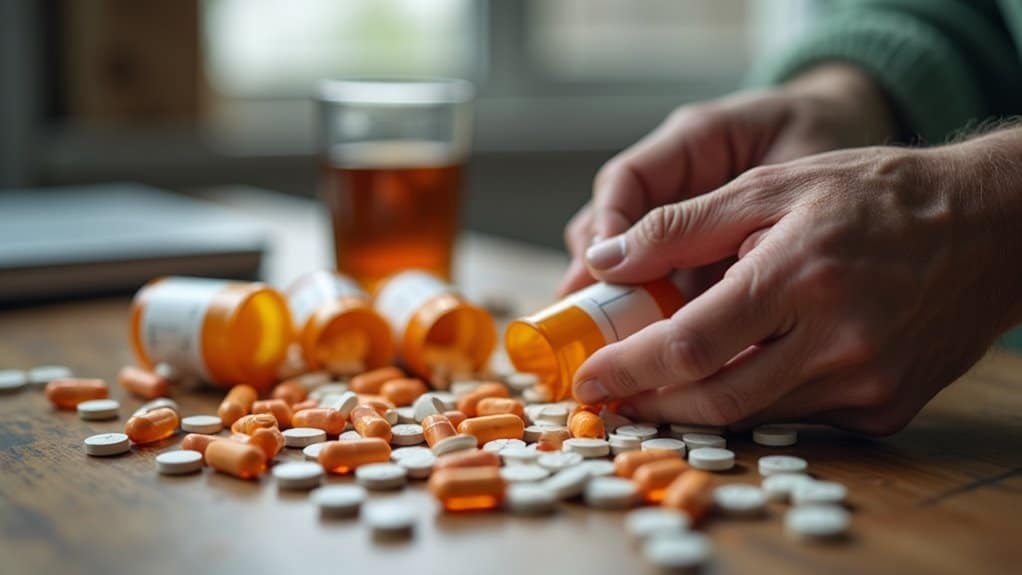
Medication management becomes exponentially more complex when your loved one relies on multiple prescriptions to address diverse health conditions. In older adults, polypharmacy, taking five or more medications, affects up to 65% of this population and dramatically increases the likelihood of dangerous drug interactions. When substance abuse enters this equation, risks escalate sharply. Alcohol and drug interaction with seniority intensifies as maturing bodies metabolize substances more slowly, particularly when liver disease or kidney impairment exists. Your family member faces a 50% chance of adverse interactions when using 5, 9 medications simultaneously. These interactions can trigger falls, cognitive dysfunction, hospitalization, and accelerated health decline. Polypharmacy accounts for almost 30% of hospital admissions and represents a leading cause of preventable health crises in older adults. The global older adult population is expected to reach 1.5 billion by 2050, with age-related changes in how the body processes medications requiring special consideration for drug therapy. Research shows that polypharmacy prevalence has more than doubled from 8.2% in 1999-2000 to 17.1% in 2017-2018, demonstrating the growing scope of this challenge. Without regular medication reviews and coordinated care, the combination of prescription drugs and substance misuse creates a potentially lethal cycle of complications.
Seeing the person you have known your whole life slowly change physically and mentally because of substance abuse is a grief that sits with you constantly, even when you are standing right beside them and they cannot fully see what you see. At outpatient drug rehab tampa fl, we understand how devastating the physical and mental health effects of substance abuse can be for older adults, where the damage can accumulate faster and cut deeper than it would at any other stage of life. We connect you with proven treatment centers and recovery resources, because the health effects of substance abuse in older adults demand specialized care and real compassion from people who understand exactly what is at stake. Call 740-562-7398 today and let us help you take that first step toward healing.
Frequently Asked Questions
Can Substance Abuse in Older Adults Be Reversed With Treatment?
Yes, substance abuse effects can be substantially reversed with appropriate treatment. You’ll likely see improvements in physical health, reduced fall risk, better organ function, and safer medication use, along with mental health gains like decreased depression and stabilized cognition. Older adults often achieve abstinence rates comparable to younger individuals when receiving customized care. However, success depends on sustained treatment, integrated medical support, and addressing barriers like stigma. Early intervention and continuous care optimize your chances of meaningful recovery and restored well-being.
How Does Substance Abuse Affect Sleep Quality in Seniors?
Substance abuse severely disrupts your sleep quality as a senior. Nearly all older adults with substance use disorders experience poor sleep, with over half suffering moderate-to-severe insomnia and reduced sleep duration. Alcohol and drugs alter your sleep architecture, leading to frequent awakenings and unrefreshing rest. This creates a harmful cycle, you may use substances to self-medicate sleep problems, which worsens insomnia over time. Poor sleep then increases your vulnerability to mood disorders, cognitive decline, and physical health complications.
Are Older Adults More Likely to Hide Their Substance Use?
Yes, older adults are substantially more likely to hide their substance use due to shame, stigma, and generational attitudes that view such behaviors as inappropriate. You may underreport use because of social isolation, fear of judgment, or not recognizing you need help. Healthcare providers often miss signs due to inadequate screening tools and lack of training. This concealment delays treatment, worsens health outcomes, and perpetuates a cycle where hidden use remains unaddressed and untreated.
Does Substance Abuse Accelerate Aging or Shorten Life Expectancy in Seniors?
Yes, substance abuse markedly accelerates aging and shortens life expectancy in seniors. You’re facing heightened risks due to maturity-related changes in metabolism and organ function. Regular drug use can reduce life expectancy by 10, 50 years, while even alcohol misuse increases mortality. Between 2022, 2023, drug-related deaths among adults 65+ rose 11.4%. Substance use worsens chronic conditions, amplifies cognitive decline, and increases fall risk, compounding the natural aging process and substantially diminishing both lifespan and quality of life.
Can Social Isolation Increase Substance Abuse Risk in Older Adults?
Yes, social isolation markedly increases your substance abuse risk. When you’re disconnected from meaningful relationships, you’re more vulnerable to loneliness, depression, and anxiety, conditions strongly linked to higher rates of alcohol misuse, prescription drug abuse, and smoking. About 25% of older adults experience isolation, and you’re particularly at risk if you’re living alone, managing chronic illness, or lacking transportation. Without social support, you’re more likely to turn to substances as coping mechanisms while lacking the protective monitoring that relationships provide.