





Excessive alcohol consumption systematically damages your critical organs, impairing liver function, disrupting cardiovascular health, and causing permanent neurodegeneration. You’ll experience compromised cognitive abilities, including memory loss and reduced motor coordination, while facing heightened risks of diverse cancers and mental health disorders. The cumulative effects include irreversible scarring of the liver, brain atrophy, and disrupted neurotransmitter systems. Understanding these multifaceted consequences reveals the full scope of alcohol’s impact on human physiology.
Understanding Liver Disease and Organ Deterioration
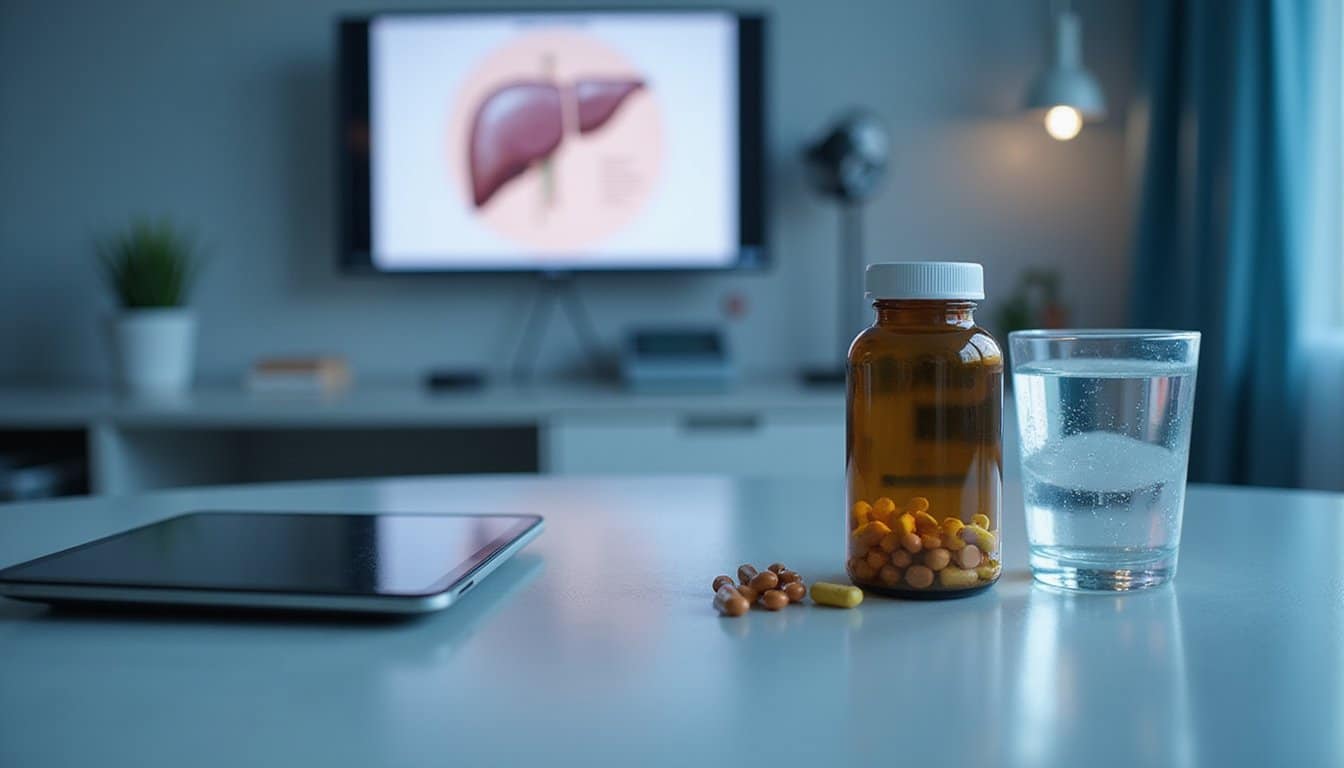
While alcohol’s effects on the human body are widespread, its impact on hepatic tissue represents one of the most significant pathological processes. You’ll notice a progression that begins with fatty liver disease, where lipids accumulate in hepatocytes within days of excessive consumption. If you continue drinking, inflammation and cell death occur, potentially leading to alcoholic hepatitis. Without intervention, approximately 30% of cases advance to cirrhosis, characterized by irreversible scarring that often culminates in organ transplant needs. Women face higher liver risks from alcohol consumption compared to men. The condition typically remains symptom-free until reaching advanced stages, making early detection challenging.
As your liver function deteriorates, you’ll experience systemic effects. Toxins accumulate in your bloodstream, affecting your brain, kidneys, and cardiovascular system. The compromised liver function also leads to nutritional deficiencies, as your body’s ability to process and store essential nutrients becomes impaired. The damage often progresses silently until advanced stages manifest serious symptoms. Since the liver is crucial for filtering toxins from blood, this impairment affects multiple bodily functions simultaneously.
The Cancer Connection: Elevated Health Risks
Although many associate alcohol primarily with liver damage, its carcinogenic properties represent a similarly grave health concern. As a Group 1 carcinogen, alcohol triggers multiple pathways that promote cancer development through epigenetics and genetic factors, while causing immune system suppression that compromises your body’s natural defenses. Women face higher breast cancer risks with even one daily drink compared to those who drink less than weekly.
Your cancer risk increases proportionally with consumption, affecting multiple organ systems. Research identifies these critical factors:
- DNA damage from acetaldehyde formation
- Heightened inflammatory responses throughout your body
- Increased oxidative stress at the cellular level
- Disrupted hormone regulation, especially estrogen
You’ll face augmented risks for at least seven types of cancer, even with moderate consumption. The highest risks occur with cancers of the oral cavity and pharynx. The danger amplifies drastically when combined with tobacco use, as alcohol enhances the absorption of other carcinogenic compounds. Most concerning, there’s no safe threshold below which cancer risk disappears. Studies show that alcohol-related cancer deaths now surpass traffic fatalities in the United States, with approximately 20,000 deaths annually.
Heart Health and Blood Pressure Concerns
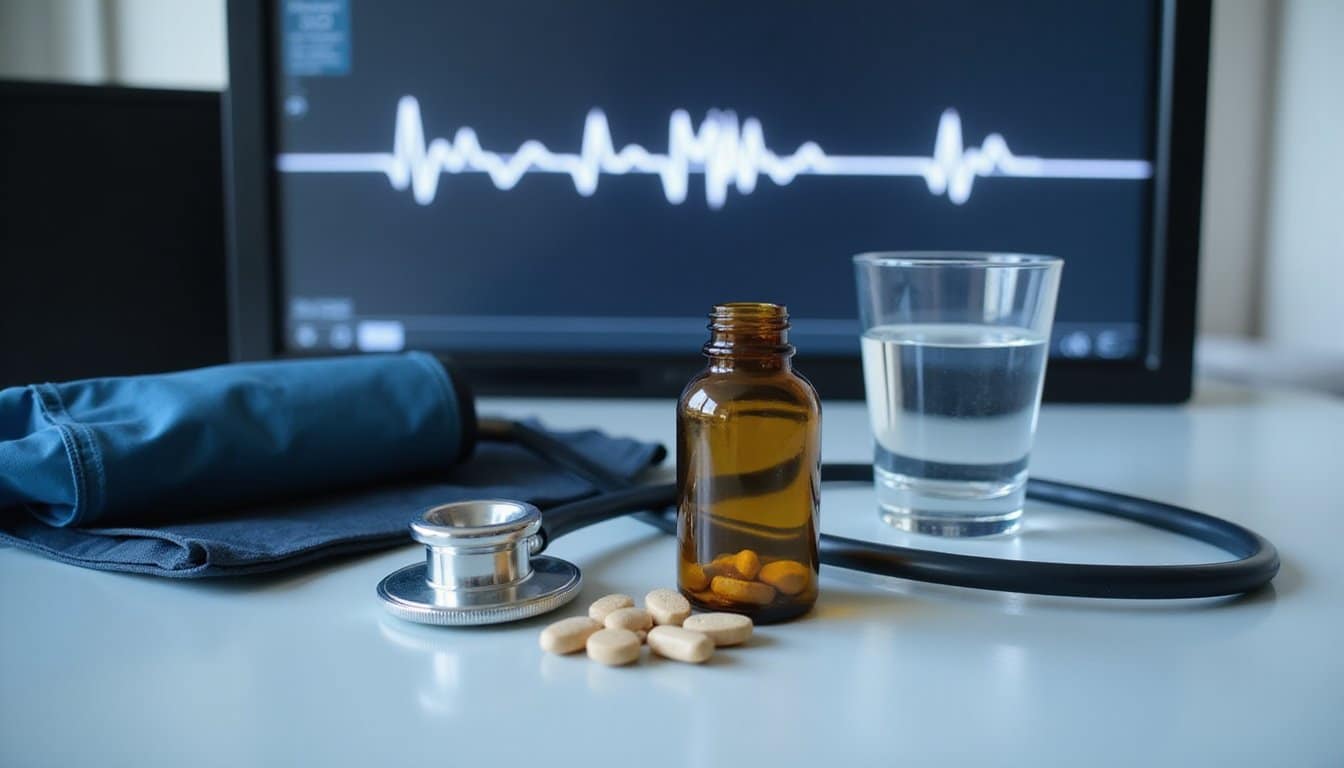
Beyond its carcinogenic effects, alcohol’s impact on cardiovascular health presents comparably significant medical concerns. You’ll face heightened risks of coronary heart disease and hypertension, with excessive consumption leading to arterial stiffness and compromised vascular function. Clinical studies demonstrate that even moderate drinking can trigger autonomic dysfunction, affecting your heart’s regulatory mechanisms. According to the latest medical guidelines, high alcohol intake occurs at 15 or more drinks per week for men and 8 or more drinks per week for women. Research shows that endothelial function becomes significantly impaired in those with long-term alcohol abuse history.
Women experience disproportionately higher cardiovascular risks than men at similar consumption levels. Your heart’s structural integrity may deteriorate through cardiomyopathy and atrial fibrillation, particularly during binge drinking episodes. The damage extends beyond acute effects, as chronic exposure accelerates vascular remodeling and myocardial deterioration. Prominently, the World Heart Federation emphasizes that no amount of alcohol consumption provides cardiovascular benefits, contradicting previous assumptions about moderate drinking’s protective effects. The devastating impact is particularly evident in the fact that alcohol-related deaths account for 4.3% of all global deaths annually.
Brain Function and Cognitive Decline
Your brain undergoes significant neurological changes from excessive alcohol consumption, leading to impaired encoding of new memories and disrupted recall of existing ones. You’ll experience progressive deterioration of motor coordination and vestibular function, manifesting as unstable gait and compromised balance control. Chronic alcohol exposure can result in permanent neurodegeneration, particularly affecting regions essential for executive function, memory consolidation, and spatial processing in your cerebral cortex and hippocampus. Heavy drinkers commonly show deficits in working memory and flexibility, impacting their ability to maintain and manipulate information while performing complex cognitive tasks. Prolonged alcohol abuse has been linked to structural brain damage that may only partially recover with sustained abstinence from drinking. Individuals with chronic conditions like hypertension face an especially elevated risk of cognitive decline, as heavy drinking significantly increases their likelihood of cognitive impairment.
Memory Loss Patterns
While alcohol’s effects on memory follow predictable patterns, both acute and chronic consumption can produce distinct cognitive impairments. You’ll experience episodic memory impairment during intoxication, with severity increasing proportionally to alcohol intake. Prospective memory deficits become particularly pronounced, affecting your ability to execute planned tasks. Research shows that moderate, regular drinking may actually help preserve cognitive function in older adults. Consuming excessive amounts of alcohol can cause Wernicke-Korsakoff syndrome, a severe condition resulting from vitamin B1 deficiency. Social drinkers commonly experience memory blackouts despite not being alcoholics.
Heavy alcohol consumption creates a spectrum of memory disruptions, ranging from minor lapses to complete blackouts. Here’s how these impairments typically progress:
- Mild forgetfulness of recent conversations (BAC <0.15%)
- Disrupted transfer of information to long-term storage
- Complete inability to form new memories during intoxication
- Progressive decline in memory consolidation with chronic use
Your hippocampal function deteriorates with ongoing exposure, while thiamine deficiency further compromises memory formation. These neurobiological changes can accelerate cognitive decline by up to six years compared to non-heavy drinkers.
Coordination and Balance Issues
Alcohol’s disruption of cerebellar function produces profound effects on motor control and equilibrium. When you consume excessive alcohol, it compromises your GABAA receptor neurotransmission and damages cerebellar neurons, leading to significant coordination deficits and ataxia. Your vestibular system becomes impaired, destabilizing spatial orientation and increasing fall risk.
The alcohol-induced suppression of your central nervous system creates multiple motor impairments. You’ll experience reduced hand-eye coordination, delayed reaction times, and unstable gait patterns. These deficits, combined with compromised judgment and slowed neural processing, severely impact your impaired driving abilities. Chronic alcohol exposure exacerbates these issues through progressive neurodegeneration, particularly affecting cerebellar regions integral for motor control. The resulting neuroinflammation and cellular damage can lead to persistent balance difficulties, even during periods of sobriety.
Permanent Neural Damage
Prolonged exposure to excessive alcohol triggers devastating neurological consequences, characterized by widespread cerebral atrophy and progressive neuron degeneration. Your brain’s structure undergoes permanent alterations, particularly affecting the frontal lobe, limbic system, and cerebellum, leading to irreversible dementia and cognitive decline.
Key manifestations of permanent neurological harm include:
- Profound memory deficits from hippocampal damage, resulting in Wernicke-Korsakoff syndrome
- Disrupted neurotransmitter systems affecting GABA and glutamate regulation
- Extensive death of neurons across multiple brain regions, impacting over 100 billion cells
- Permanent rewiring of neural networks, compromising signal transmission between regions
You’ll experience deteriorating executive functions, emotional processing deficits, and memory formation issues. These changes persist even after cessation of alcohol consumption, often leading to accelerated cognitive decline and increased vulnerability to neurodegenerative conditions.
You’ll experience deteriorating executive functions, emotional processing deficits, and memory formation issues, key long term symptoms of alcohol use that persist even after cessation of alcohol consumption, often leading to accelerated cognitive decline and increased vulnerability to neurodegenerative conditions.
Mental Health Disorders and Psychological Impact
Your brain’s neurotransmitter systems become markedly dysregulated through excessive alcohol consumption, directly impacting serotonin and GABA levels that regulate mood and anxiety. When you drink heavily, you’ll experience disruptions in your central nervous system functioning that can trigger or intensify symptoms of major depressive disorder and diverse anxiety disorders, with prevalence rates of 27-40% for co-occurring alcohol use disorder and depression. The cyclical relationship between alcohol misuse and deteriorating mental health creates a destructive pattern where drinking temporarily alleviates psychological distress but culminating exacerbates underlying psychiatric conditions, leading to progressively worse outcomes.
Depression and Anxiety Links
While many people view alcohol consumption and mental health disorders as separate concerns, substantial evidence demonstrates their intricate relationship, particularly regarding depression and anxiety. Research shows that harmful drinking correlates with considerably elevated rates of psychological distress, requiring careful consideration for relapse prevention and medication interactions.
Key statistics demonstrate the severity of this relationship:
- You’re 4-8x more likely to develop alcohol use disorder if you have anxiety/mood disorders
- Your depression risk increases 26-37% with harmful drinking patterns
- Your anxiety prevalence rises to 32-50% with hazardous alcohol consumption
- You’ll experience faster alcohol dependency if you have pre-existing mood disorders
When you engage in excessive drinking, both the frequency and quantity of consumption directly impact your psychological well-being, often exacerbating underlying mental health conditions through neurochemical alterations and withdrawal symptoms.
Brain Chemistry Changes
The profound neurobiological impact of alcohol consumption extends far beyond mood disorders, directly altering fundamental brain chemistry through complex interactions with neurotransmitter systems. When you drink excessively, your brain experiences significant disruptions in GABA and glutamate signaling, leading to neural reward system distortion and impaired cognitive function.
Your brain adapts to alcohol’s presence by altering gene expression and receptor composition, particularly affecting GABA α1 and α4 subunits. This neuroadaptation increases your vulnerability to dependency and psychological disorders, including heightened suicidal ideation risk. You’ll experience diminished sensitivity to natural rewards as dopamine pathways become dysregulated, while NMDA receptor inhibition compromises your memory formation and learning abilities. These neurochemical alterations can persist long after intoxication, fundamentally changing how your brain processes information and responds to stimuli.
Emergency Care Statistics and Mortality Rates

Recent epidemiological data demonstrates alarming increases in alcohol-related emergency department (ED) utilization, with visit rates surging 139% between 1993-1994 and 2019-2021 (from 4.4 to 10.5 per 1,000 population). This heightened burden on emergency care systems has disproportionately affected certain demographics, revealing concerning disparities among vulnerable populations.
Key mortality and utilization metrics indicate:
- A 70% increase in U.S. alcohol death rates from 2012 to 2022 (7.97 to 13.53 per 100,000)
- Approximately 4.3 million alcohol-related ED visits annually
- 850 deaths per year specifically from alcohol withdrawal
- Socioeconomic disparities with 1.5-2x higher admission rates in deprived areas
The COVID-19 pandemic accelerated these trends, with post-pandemic statistics remaining notably elevated compared to pre-pandemic baselines, particularly among adults of advanced age.
Short-Term Vs Long-Term Physical Effects
Excessive alcohol consumption manifests through distinct temporal patterns of physiological disruption, characterized by both immediate and cumulative effects on multiple organ systems. You’ll experience acute effects within hours, including impaired judgment, motor dysfunction, and sleep cycle disruption. These immediate impacts can progress to severe complications like alcohol poisoning and respiratory depression.
Long-term exposure precipitates profound systemic damage. You’ll face increased risks of liver disease, cardiovascular complications, and diverse cancers. Chronic consumption leads to immune system suppression, making you more susceptible to infections. Your body’s essential systems deteriorate progressively, from cognitive decline and peripheral neuropathy to sexual dysfunction and bone density loss. The severity of these effects correlates directly with consumption patterns, where both frequency and quantity drastically influence health outcomes.
The Hidden Cost to Society and Healthcare
While individual health consequences of alcohol misuse are extensively documented, society bears a staggering $249 billion annual economic burden through interconnected healthcare and social costs. You’ll find these expenditures manifesting through increased emergency department utilization, workplace productivity losses, and public safety burdens.
Clinical data demonstrates significant healthcare cost disparities:
- Commercial insurance participants incur $14,918 additional annual healthcare costs
- Medicaid-insured individuals face $4,823 higher yearly expenditures
- Emergency department visits cost 32.5% more for alcohol-related cases
- State median costs reach $3.5 billion annually, with binge drinking comprising 70%
The economic impact extends beyond direct medical expenses, affecting workforce efficiency through increased absenteeism, disability claims, and premature mortality. These factors compound societal costs through strained emergency services and heightened criminal justice expenditures.
Prevention Strategies and Risk Reduction
A thorough approach to alcohol harm reduction encompasses multifaceted prevention strategies operating at policy, community, and individual levels. You’ll find evidence-based interventions include implementing workplace substance use policies and public event alcohol controls, alongside extensive screening protocols in healthcare settings.
Research demonstrates that higher taxation, marketing restrictions, and reduced outlet density effectively decrease population-level consumption. You can access early intervention through validated screening tools and brief counseling sessions, which have shown significant efficacy in preventing alcohol use disorders. Digital platforms now provide real-time support for managing consumption decisions, while community coalitions work to establish safer environments through local policy initiatives. For high-risk populations, specialized programs incorporate trauma-informed approaches and address unique occupational stressors, ensuring detailed support for sustainable behavioral change.
There comes a point where you can no longer pretend that the way your body feels has nothing to do with how much you have been drinking, and sitting with that realization alone is one of the heaviest feelings a person can carry. At Outpatient Detox Tampa, we understand how deeply excessive alcohol consumption works its way into every corner of your body, quietly reshaping your health in ways that can feel impossible to reverse until you find the courage to finally reach out for help. We connect you with devoted alcohol treatment centers and recovery resources, because the effects alcohol has had on your body are not the end of your story and you deserve the chance to heal from the inside out with the right people guiding you forward. Whether you are confronting what excessive drinking has done to your body for the very first time or you have known for a while and are finally ready to stop living this way, the right support is already out there waiting for you. Call 740-562-7398 today and let us help you take that first step toward healing.
Frequently Asked Questions
Can Alcohol-Induced Organ Damage Be Reversed After Completely Stopping Drinking?
Your organ regeneration potential depends on abstinence duration and damage severity. You’ll see early improvements in fatty liver and gastritis within weeks of quitting, while more severe conditions like cirrhosis aren’t fully reversible. Your recovery progress relies heavily on maintaining complete abstinence and implementing lifestyle changes. Some organs, particularly your liver, possess remarkable healing capacity, but permanent structural damage may persist in advanced cases despite sustained sobriety.
Does Drinking Alcohol Affect Fertility and Reproductive Health in Men and Women?
Yes, alcohol greatly impacts your fertility and reproductive health. In women, it disrupts hormonal imbalances affecting menstrual cycles, ovulation, and conception chances. You’ll see up to 44% decreased conception probability with moderate drinking during the luteal phase. For men, alcohol consumption impairs sperm quality, reducing count, motility, and morphology. Your testosterone production may decrease, and the hypothalamic-pituitary-gonadal axis can be compromised, leading to reduced reproductive function in both sexes.
How Does Alcohol Interact With Prescription Medications and Common Supplements?
Alcohol drug interactions can be dangerous and potentially lethal. When you mix alcohol with prescription medications, particularly CNS depressants like benzodiazepines or opioids, you’re risking severe respiratory depression. Supplemental alcohol reactions can also pose significant risks; even common supplements like St. John’s wort can intensify alcohol’s effects. Your liver’s ability to metabolize medications becomes compromised, potentially leading to toxicity or reduced therapeutic effectiveness of your prescribed medications.
What Role Does Genetics Play in Alcohol Tolerance and Addiction Risk?
Your genetic factors play a significant role in both alcohol tolerance and addiction susceptibility. Metabolic predisposition, particularly through ADH1B and ALDH2 gene variants, directly influences how efficiently you’ll process alcohol. You’re 3-4 times more likely to develop alcohol use disorder if you have a biological parent with the condition. While genetics accounts for 40-60% of your addiction risk, it is vital to recognize that environmental triggers and personal behaviors remain essential factors.
Does Mixing Different Types of Alcohol Increase Health Risks More Than One Type?
While different alcohol combinations themselves don’t inherently increase health risks, they often lead to consuming higher alcohol quantity variations in total. You’ll face greater risks primarily because you’re likely to drink more when mixing drinks. The presence of varied congeners (fermentation byproducts) in combined alcohols can intensify your hangover symptoms and gastric distress. Furthermore, you’re more likely to underestimate your intoxication level when mixing drinks, potentially leading to riskier behaviors.