





You can safely take magnesium after drinking, but you’ll want to wait at least 2-4 hours after your last alcoholic beverage for ideal absorption. Alcohol acts as a diuretic and impairs your body’s ability to absorb magnesium, so timing matters. Take your supplement with food to minimize stomach upset and enhance absorption. Understanding how alcohol depletes this essential mineral will help you develop a smarter supplementation strategy.
Why Alcohol Depletes Your Magnesium Levels
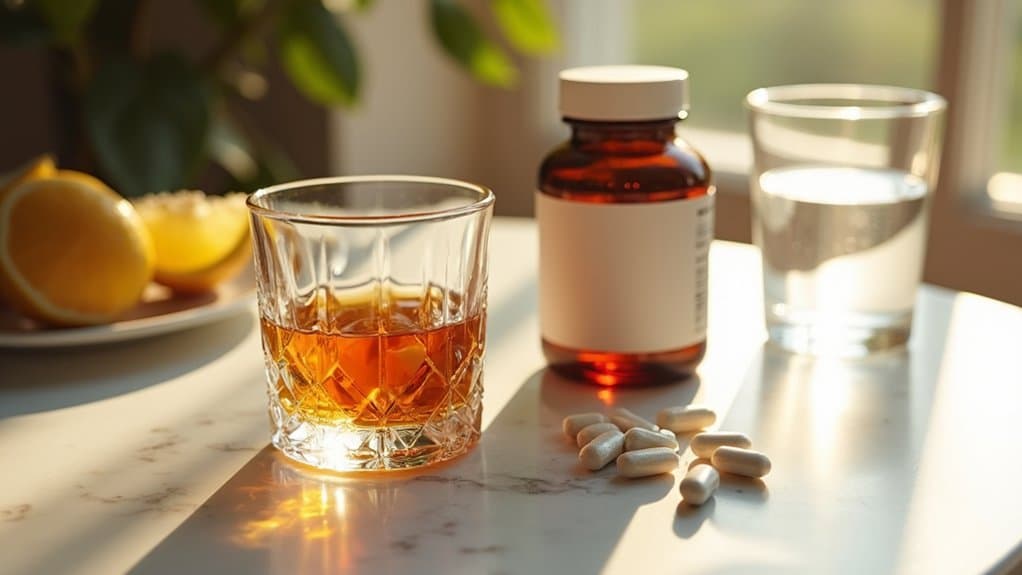
When you drink alcohol, your body starts losing magnesium almost immediately through increased urination. Alcohol acts as a powerful diuretic, prompting your kidneys to excrete magnesium rapidly. This effect occurs with even a single drink, triggering prompt urinary losses that drain your mineral stores.
Beyond urination, alcohol impairs magnesium absorption in your gastrointestinal tract. Your intestines can’t uptake this essential mineral efficiently while processing ethanol, compounding the depletion. This double whammy effect can significantly lower your body’s magnesium stores over time. Considering the reduced magnesium levels, it’s prudent to consider supplements like magnesium glycinate alcohol, which can help replenish your stores. However, it’s essential to consult with a healthcare provider to determine the right dosage and formulation for your specific needs. Prioritizing balanced nutrition can further support your body’s recovery and overall wellness.
If you drink regularly, the impact intensifies. Chronic alcohol consumption depletes your total body magnesium stores over time. Research shows heavy drinkers develop sustained low levels, with hypomagnesemia rates reaching 60-65% among hospitalized alcoholics. Contributing factors include malnutrition, vomiting, and vitamin D deficiency. Lower magnesium levels correlate strongly with more severe withdrawal symptoms, creating a problematic cycle. Interestingly, in late-stage alcoholism, urinary magnesium excretion may actually decrease as stores become severely depleted.
How Long to Wait Before Taking Magnesium After Drinking?
If you’re wondering when to take magnesium after drinking, timing matters for both safety and absorption. You’ll want to wait at least 2-4 hours after your last alcoholic drink before taking a magnesium supplement, giving your digestive system time to process the alcohol. This separation helps maximize absorption since alcohol actively interferes with how your body takes up minerals. Additionally, alcohol’s diuretic action triggers increased urinary magnesium excretion, making proper timing even more important to replenish what’s been lost. Consider splitting your magnesium into smaller doses rather than one large amount, as your body achieves higher absorption from multiple low doses compared to a single large dose.
Optimal Timing Guidelines
This window gives your digestive system adequate time to process the alcohol before introducing supplements. The spacing prevents competition between alcohol metabolism and magnesium absorption, allowing your body to utilize the mineral effectively.
For evening drinking, consider taking magnesium a couple of hours before bedtime. This timing addresses both mineral depletion and supports sleep quality that alcohol disrupts.
For morning-after recovery, take your magnesium upon waking to replenish depleted levels and help stabilize blood sugar. Since magnesium acts as a cofactor for alcohol dehydrogenase, the enzyme responsible for breaking down alcohol in the liver, ensuring adequate levels supports your body’s natural detoxification process.
Always take magnesium with food to enhance absorption and minimize gastrointestinal side effects. Keep doses under 300 mg per sitting to reduce laxative effects. When choosing a supplement, note that magnesium citrate is better absorbed than other forms, which may improve its effectiveness during recovery.
Why Separation Matters
Understanding why timing matters helps you maximize magnesium’s benefits while safeguarding against potential complications.
When you consume alcohol, your body experiences decreased absorption in the intestines and increased urinary excretion through the kidneys. Taking magnesium while alcohol is still in your system means you’re fighting against both mechanisms simultaneously. Your gastrointestinal tract can’t absorb the supplement effectively, and your kidneys will excrete much of what does get absorbed.
Alcohol suppresses vasopressin, triggering fluid and electrolyte loss that compounds magnesium depletion. This diuretic effect continues while alcohol metabolizes in your liver. By waiting until your body clears the alcohol, you allow your absorption pathways to function normally again. Research shows that almost a third of alcoholics have hypomagnesemia, demonstrating how significantly alcohol impacts magnesium levels over time.
Separating intake secures you’re not wasting supplements and actually replenishing depleted stores rather than losing them immediately through excretion. Additionally, alcohol damages the intestinal lining over time, which reduces the body’s ability to absorb both magnesium and other essential nutrients like thiamine.
Signs You’re Low on Magnesium After Drinking

Many people notice subtle warning signs after a night of drinking that point directly to depleted magnesium levels. You might experience muscle cramps, twitches, or spasms that weren’t there before. Tremors in your hands can also indicate your body’s crying out for this essential mineral.
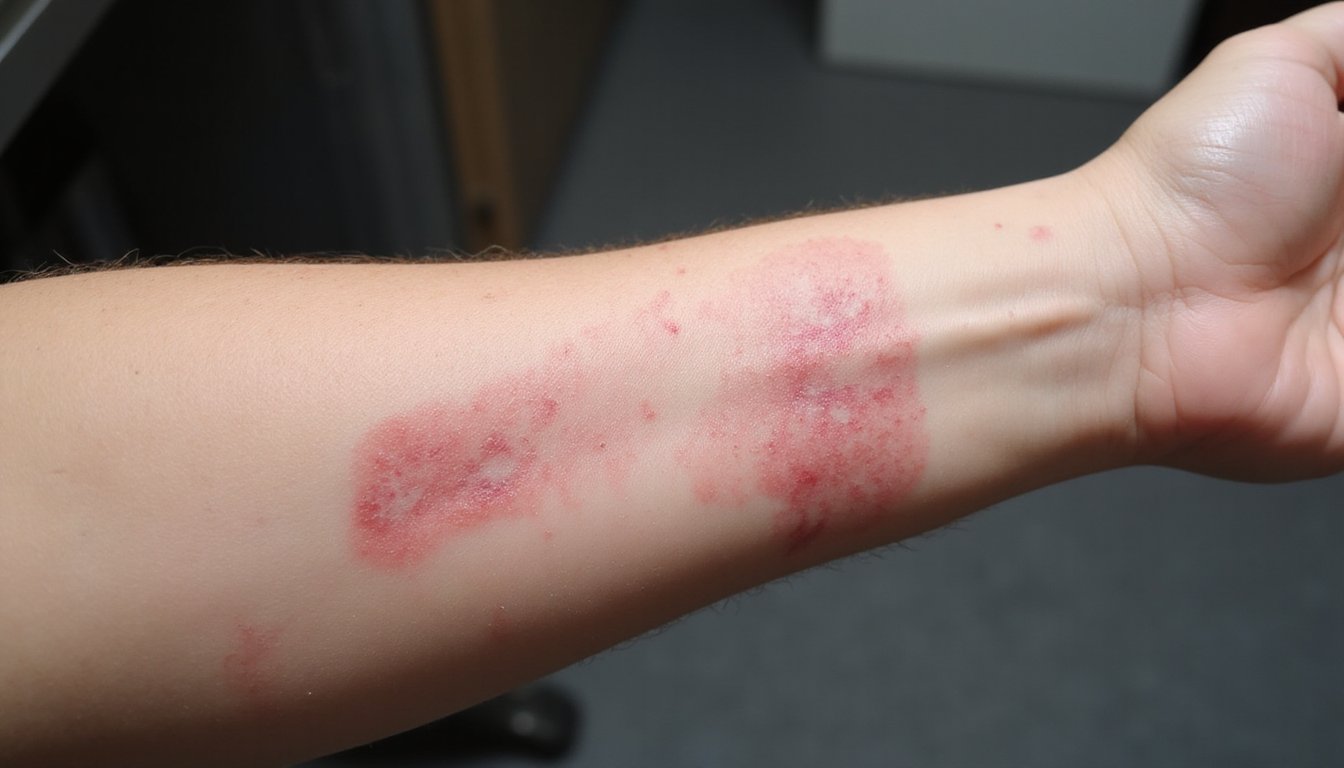
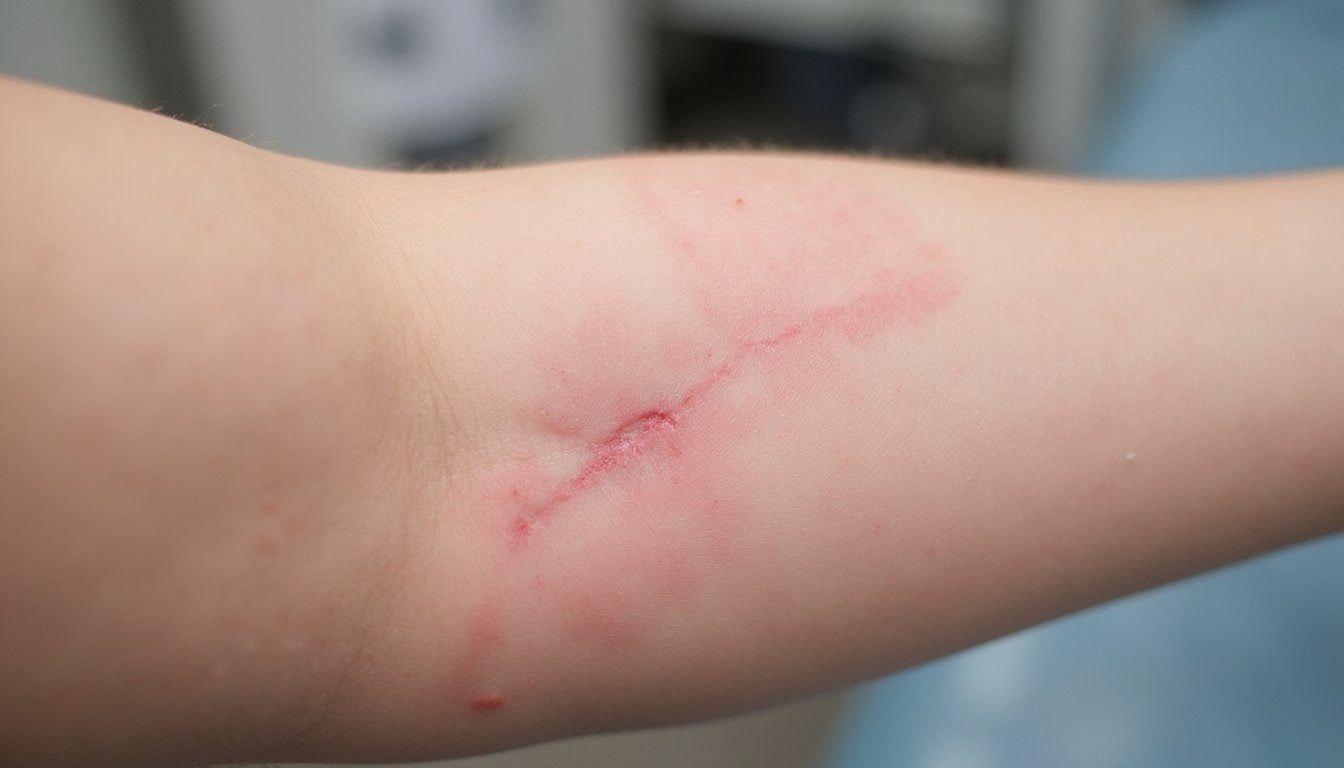
Beyond muscle symptoms, you’ll likely feel unusual fatigue and weakness that rest doesn’t fix. Heart palpitations or irregular heartbeats signal your cardiovascular system’s struggling with the imbalance. You may also notice numbness, tingling sensations, or difficulty sleeping. Skin issues can also emerge as an overlooked indicator of magnesium deficiency after drinking. In severe cases, seizures or confusion may occur when magnesium levels drop significantly.
Watch for mood changes, confusion, or heightened stress responses. Nausea and loss of appetite commonly appear alongside these symptoms. If you’re experiencing several of these signs after drinking, your magnesium stores have likely taken a hit and need replenishment through proper supplementation or dietary sources.
Can Magnesium Help With Hangover Symptoms?
When you drink alcohol, your body loses magnesium through increased urination, which can worsen common hangover symptoms like muscle cramps and fatigue. Taking magnesium after drinking helps replenish this lost electrolyte, potentially easing muscle tension and supporting your body’s recovery process. While magnesium won’t cure a hangover on its own, it addresses one piece of the puzzle by restoring mineral balance your body needs to function properly. Research shows that magnesium plays an important role in neurological function, which helps explain why depleted levels can contribute to the anxiety and restlessness often experienced during hangovers. Pairing magnesium with a B complex supplement before drinking can further support your body, as B vitamins help your liver break down and eliminate alcohol more efficiently.
Replenishing Lost Electrolytes
Because alcohol acts as a diuretic by suppressing antidiuretic hormone (ADH), your body loses magnesium at an accelerated rate through increased urine production. Your kidneys simultaneously increase magnesium excretion while your intestines show impaired absorption, creating a double deficit that disrupts your sodium-potassium balance.
Replenishing magnesium through supplements or electrolyte drinks helps counter these imbalances. This mineral supports your antioxidant defenses during alcohol-induced inflammation caused by acetaldehyde, the toxic byproduct of alcohol metabolism. It also aids nervous system function and neurotransmitter regulation that drinking disrupts. Research indicates that magnesium specifically helps with withdrawal symptoms and headaches associated with alcohol consumption. Studies suggest that Mg deficiency is common among alcoholics, which may contribute to various health complications including potential liver damage.
Clinical evidence shows IV therapy combining magnesium with B vitamins and vitamin C improves headache, nausea, and fatigue. Products like After-Effect contain 56.25 mg magnesium specifically targeting withdrawal symptoms. For ideal recovery, combine magnesium supplementation with adequate hydration, proper nutrition, and rest.
Easing Muscle Cramps Naturally
Beyond electrolyte imbalances, alcohol’s diuretic effect triggers a cascade that often ends with painful muscle cramps the morning after. When you drink, your body suppresses antidiuretic hormone, causing vigorous urinary excretion of magnesium, up to 260% more than normal within hours. This rapid depletion leaves your muscles vulnerable.
Magnesium plays a critical role in nervous system function and neurotransmitter regulation. Without adequate levels, your skeletal muscles can’t relax properly, leading to spasms and cramps that compound your hangover misery. Magnesium is also essential for the body’s antioxidant and anti-inflammatory system, which becomes compromised during alcohol metabolism.
Research confirms that magnesium deficiency mimics classic hangover symptoms, including muscle tension and headaches. By replenishing your magnesium stores after drinking, you’re addressing a root cause rather than masking symptoms. Highly bioavailable forms like magnesium glycinate work effectively to restore mineral balance and ease cramping naturally.
Best Magnesium Forms to Take After Alcohol
Five main magnesium forms stand out for post-alcohol supplementation, each offering distinct advantages depending on your needs.
Magnesium glycinate ranks as the top choice for most drinkers. It’s gentle on your stomach, won’t cause diarrhea, and actually supports better sleep, perfect for recovery.
Magnesium citrate absorbs quickly but has natural laxative effects that may worsen dehydration after drinking. Magnesium citrate absorbs quickly but has natural laxative effects that may worsen dehydration after drinking. This is why caution is advised with magnesium citrate after drinking alcohol, especially if you’re already experiencing fluid or electrolyte loss. In many cases, gentler forms like magnesium glycinate are better tolerated when hydration status is a concern.
Magnesium mixture tablets combining carbonate, acetate, and hydroxide work well for chronic alcohol users. Studies show 500 mg daily can lower liver enzymes faster than placebo. Magnesium mixture tablets combining carbonate, acetate, and hydroxide can be useful for some chronic alcohol users under appropriate clinical guidance. Many people also ask, can you take magnesium supplement while drinking alcohol but concurrent use is generally not ideal because alcohol can impair absorption, worsen dehydration, and increase gastrointestinal side effects.Some studies suggest that around 500 mg daily of magnesium may help support normalization of elevated liver enzymes compared with placebo, particularly in individuals with documented deficiency. However, dosing should be individualized based on kidney function, total dietary intake, and clinical status to ensure safe and effective repletion.
Magnesium acetate helps if you’ve got low stomach acid from alcohol damage, enhancing absorption where other forms fall short.
Magnesium L-threonate targets cognitive function, making it ideal if you’re experiencing alcohol-related anxiety or brain fog. Pair it with glycinate for all-encompassing recovery support.
Foods and Drinks That Improve Magnesium Absorption
While supplements offer a direct route to restoring magnesium levels, pairing them with the right foods amplifies your recovery after drinking. Focus on nutrient-dense options that deliver magnesium alongside cofactors that enhance absorption.
| Food Category | Top Sources | Magnesium per Serving |
|---|---|---|
| Seeds & Nuts | Pumpkin seeds, almonds | 156 mg, 80 mg per oz |
| Leafy Greens | Boiled spinach, Swiss chard | 78 mg per ½ cup |
| Whole Grains | Buckwheat, brown rice | 86 mg, 72 mg per cup |
You’ll boost absorption by consuming these foods with adequate protein and healthy fats. Avoid pairing magnesium-rich meals with high-calcium foods or caffeine, which can interfere with uptake. Staying well-hydrated also supports your body’s ability to transport and utilize magnesium effectively.
What Blocks Magnesium Absorption After Drinking?
Even when you’re eating magnesium-rich foods, alcohol creates multiple barriers that prevent your body from absorbing and retaining this mineral.
Diuretic Effects
Alcohol increases urine production, causing your kidneys to flush out magnesium rapidly. Even a single drink triggers this excretion, and chronic heavy drinking considerably worsens renal magnesium wasting.
Gut Damage
Alcohol damages your gastrointestinal tract, reducing your intestine’s ability to absorb magnesium effectively. This impairment compounds with each drinking episode.
Competing Compounds
Phytates in rice and nuts, oxalates in certain foods, and phosphoric acid in soft drinks bind to magnesium, forming insoluble compounds your body can’t use. Caffeine further increases renal excretion.
Metabolic Disruptions
Alcohol-induced acidosis or alkalosis disrupts your body’s magnesium balance, while vitamin D deficiency from chronic drinking impairs magnesium homeostasis.
How Much Magnesium Should Regular Drinkers Take?
Because alcohol depletes magnesium through multiple pathways, you’ll need to pay close attention to your daily intake. Adult males require 400-420 mg daily, while females need 310-320 mg. However, the tolerable upper limit from supplements alone is 350 mg, exceeding this risks diarrhea, nausea, and abdominal cramping.
If you drink regularly, stick to recommended alcohol limits: two drinks or less daily for men, one or less for women. Cut off alcohol at least four hours before bedtime to support your body’s magnesium needs.
Since roughly half of people don’t meet magnesium requirements through diet alone, you may benefit from supplementation. Split your dose throughout the day to minimize side effects. Always consult a healthcare professional for personalized dosing, especially if you’re a regular drinker.
Frequently Asked Questions
Is It Safe to Take Magnesium on an Empty Stomach After Drinking?
You shouldn’t take magnesium on an empty stomach after drinking. Alcohol irritates your digestive system, and adding magnesium can worsen stomach upset. Instead, wait 2-4 hours after your last drink and rehydrate first. When you’re ready, choose magnesium glycinate, it’s gentler on your stomach than other forms. Pair it with a light snack to improve absorption and reduce the risk of gastrointestinal discomfort.
Can Magnesium Supplements Interact With Hangover Medications Like Pain Relievers?
Magnesium can interact with certain medications you might take for hangover relief. It reduces gabapentin absorption by 20-40%, making it less effective for pain management. While there’s no documented interaction with common OTC pain relievers like ibuprofen or acetaminophen, magnesium does affect drug absorption generally. You should space magnesium supplements 2-3 hours apart from any medications to guarantee maximum effectiveness of both.
Should I Avoid Magnesium if I Have Kidney Problems and Drink Occasionally?
You should avoid magnesium supplements if you have kidney problems, even with occasional drinking. Your kidneys can’t efficiently excrete excess magnesium, causing dangerous buildup. While alcohol depletes magnesium, supplementing creates serious risks when kidney function is compromised. Instead, consult your doctor about monitoring your magnesium levels through blood tests. They’ll assess your specific kidney function, medications, and dietary intake to determine if any supplementation is safe for you.
Does Magnesium Glycinate Cause Less Diarrhea Than Other Forms After Alcohol?
Yes, magnesium glycinate causes notably less diarrhea than other forms after drinking. Its chelated structure with glycine allows better absorption while minimizing gastrointestinal upset. Unlike magnesium citrate, which has strong osmotic laxative effects, or magnesium oxide with its lower bioavailability and prominent laxative properties, glycinate won’t worsen alcohol-related digestive issues. You’ll find it’s ideal for replenishing depleted magnesium stores post-alcohol without adding diarrhea to your hangover symptoms.
Can Drinking Mineral Water Replace Magnesium Supplements After Alcohol Consumption?
Mineral water can’t fully replace magnesium supplements after drinking alcohol. While mineral water contains some magnesium (10-120 mg per liter), it’s considerably less than supplement doses (200-400 mg). Alcohol’s diuretic effects also flush out water-derived magnesium rapidly, and impaired GI absorption limits what you’ll retain. You’re better off using mineral water for hydration while taking supplements for targeted magnesium replenishment. Combine both with magnesium-rich foods for best results.