


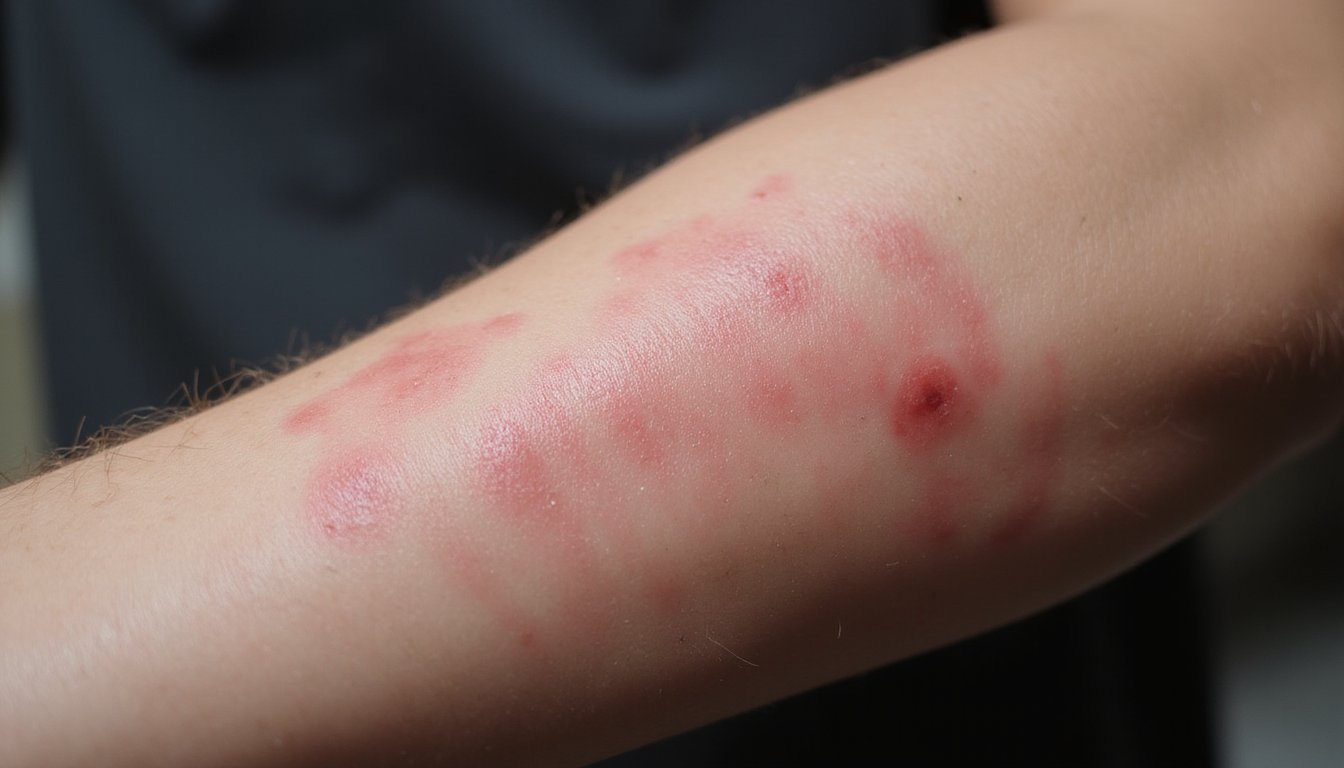
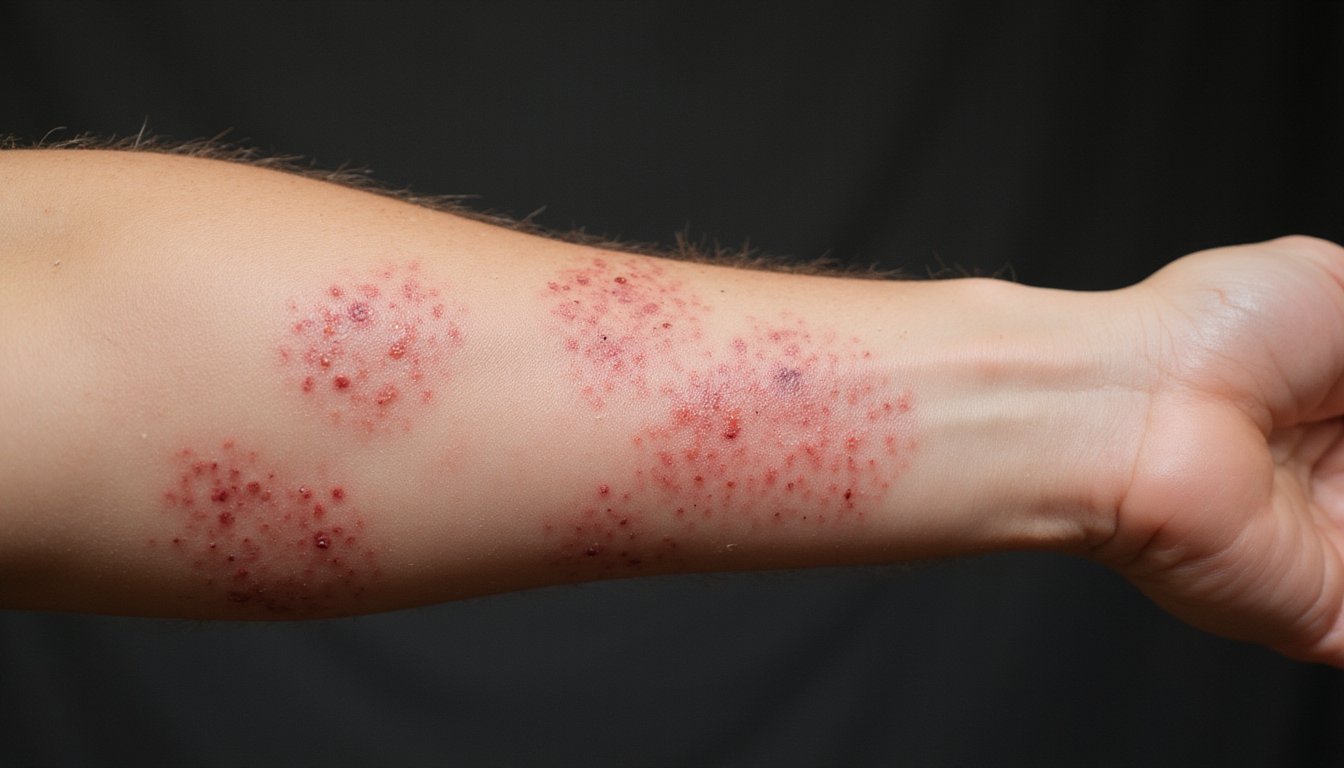
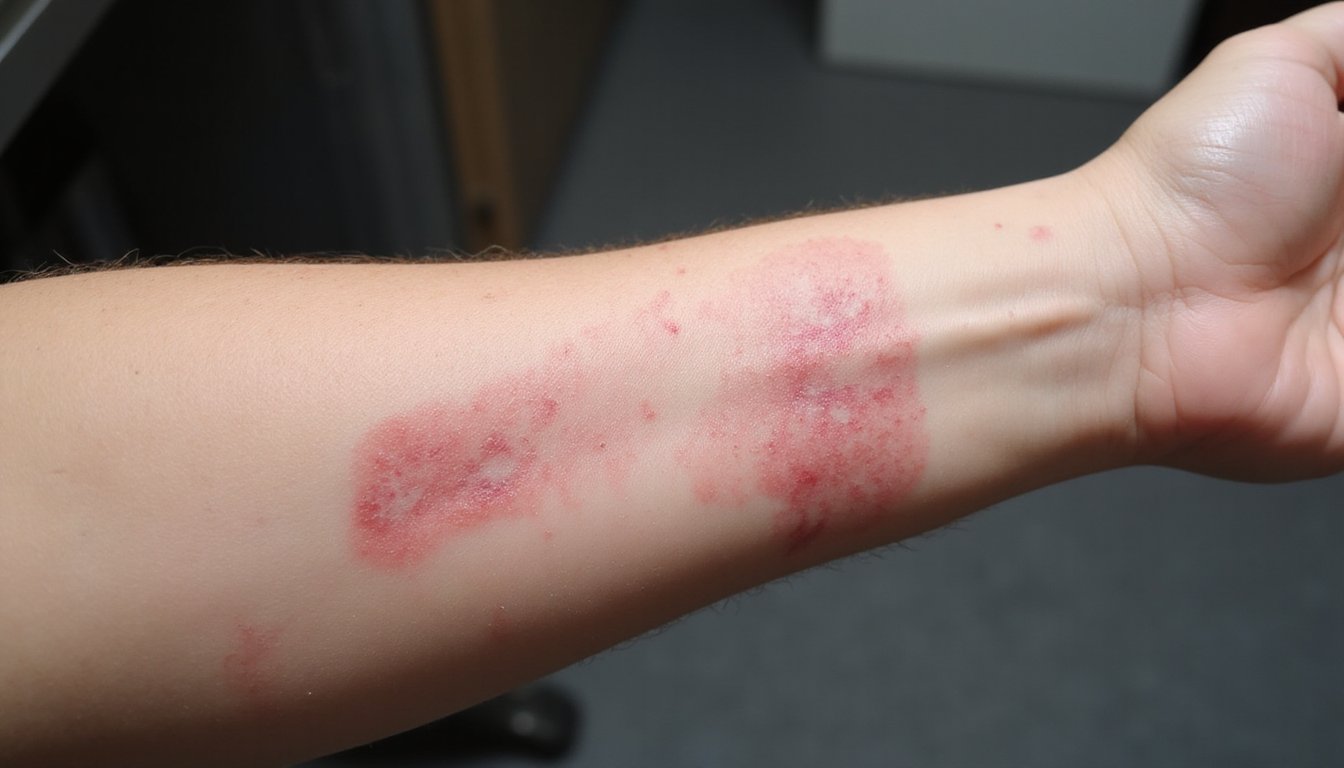
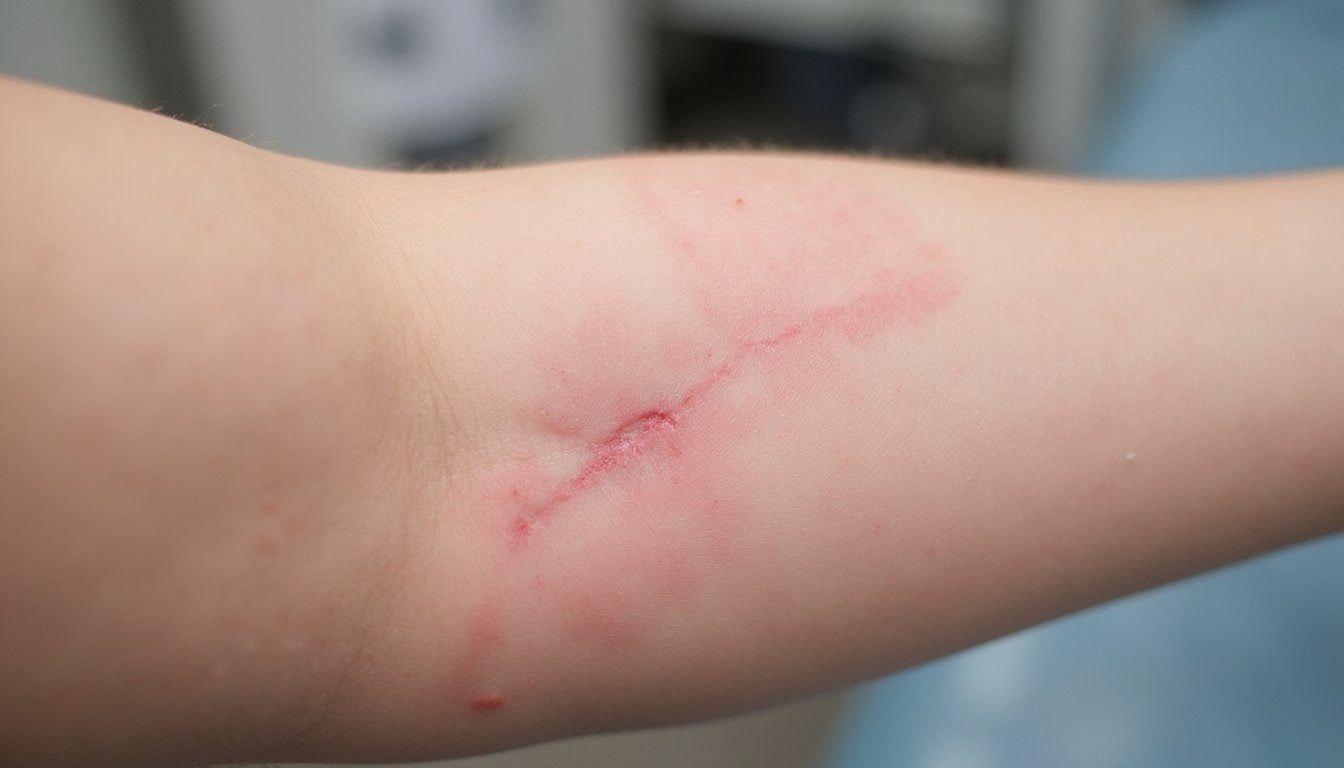
If you’ve been roofied, you’ll notice warning signs within 10 to 30 minutes that feel dramatically different from normal alcohol effects. Physical symptoms include sudden nausea, muscle weakness, and slowed breathing. Mentally, you may experience intense confusion, paranoia, and memory gaps you can’t explain. Behaviorally, you’ll stumble and lose coordination despite minimal drinking. These symptoms hit like a wave and feel completely disproportionate to what you’ve consumed, understanding the full timeline helps you respond quickly. If you’ve been roofied, you’ll notice warning signs within 10 to 30 minutes that feel dramatically different from normal alcohol effects. Physical symptoms include sudden nausea, muscle weakness, and slowed breathing. Mentally, you may experience intense confusion, paranoia, and memory gaps you can’t explain. Behaviorally, you’ll stumble and lose coordination despite minimal drinking.Recognizing these signs of drink spiking symptoms is critical, as they tend to hit suddenly and feel completely disproportionate to what you’ve consumed, understanding the full timeline helps you respond quickly and seek help if needed.
First Physical Signs You’ve Been Roofied
Nausea onset may occur even after consuming minimal alcohol, sometimes leading to vomiting. These symptoms progress faster and feel more severe than typical intoxication patterns warrant. Sudden drowsiness and unexpected muscle weakness can make standing or walking extremely difficult, even if you’ve only had one drink. Difficulty breathing or noticeably slowed breathing rates can also indicate the presence of sedating drugs in your system. These initial symptoms typically begin within 30 minutes of ingestion, making it important to recognize them quickly.
Mental Red Flags: Confusion, Paranoia, and Memory Gaps
Memory impairment represents perhaps the most telling sign. Rohypnol and similar substances cause anterograde amnesia, preventing you from forming new memories during intoxication. You may experience complete blackouts or discover the next day that you cannot recall significant portions of the evening. This effect is why Rohypnol is sometimes called the forget-me drug on the street. The resulting impaired judgment and memory loss make individuals particularly vulnerable to sexual assault. Victims often report an inability to focus or think clearly, along with sudden disorientation that feels disproportionate to how much they consumed.
Behavioral Warning Signs That Don’t Match Your Drink Count

Watch for uncharacteristic risky behaviors that emerge suddenly. You might notice reduced inhibitions prompting actions you’d normally avoid, or aggression that doesn’t match your personality. These behavioral shifts occur because sedative drugs impair judgment centers in your brain far more rapidly than alcohol alone.
Pay attention if friends express concern about your sudden coordination loss or if you’re stumbling despite minimal intake. Extreme drowsiness hitting like a wave, not gradual tiredness, demands immediate attention. Symptoms may appear suddenly and worsen quickly, often feeling out of proportion to the amount of alcohol consumed. Don’t dismiss these warning signs. These symptoms can be especially dangerous when combined with alcohol, as the effects are significantly enhanced, increasing the risk of respiratory problems and overdose.
Why Being Roofied Feels Nothing Like Being Drunk
How quickly symptoms hit provides the clearest distinction between drink spiking and normal intoxication. Alcohol impairs you gradually over multiple drinks, but roofie-induced neurological symptoms appear within 10, 30 minutes of consuming just one or two sips. You’ll experience immediate coordination failure, severe disorientation, and confusion that feels completely foreign to typical drunkenness.
The neurological symptoms extend far beyond alcohol’s effects. You may encounter dissociation, hallucinations, or intense paranoia, reactions alcohol alone doesn’t produce at low consumption levels. Breathing depression can become life-threatening even from small doses, unlike alcohol’s slower respiratory impact. These substances are particularly dangerous because they are odorless and colorless, making detection in your drink nearly impossible. Drugs like rohypnol work by affecting the GABA receptor in the brain, producing powerful inhibitory effects that overwhelm normal body functions.
Memory differences prove equally stark. While alcohol causes partial blackouts tied to consumption amounts, being roofied creates complete memory erasure of entire time periods. You’ll wake with persistent mental fog lasting up to 24 hours without a recognizable hangover pattern. In contrast, a person who is simply drunk may exhibit telltale signs like red eyes and skin, slurred speech, and the distinct smell of alcohol on their breath.
What to Do Right Now If You Think You’ve Been Roofied

If you suspect you’ve been roofied, your immediate priority is removing yourself from danger by moving to a secure location away from potential threats. Alert someone you trust, a friend, bartender, or security personnel, who can stay with you and monitor your condition. Seek medical attention promptly, as healthcare providers can administer toxicology tests and treat symptoms like respiratory depression before they become life-threatening. These toxicology tests are crucial not only to confirm the presence of drugs in your system but also to serve as legal evidence if you choose to report the incident to authorities. It’s important to know what to do if you think you were roofied, as taking the right steps can significantly impact your safety and well-being. If possible, try to remember any details about your surroundings or who you were with before feeling unwell, as this information can be helpful for investigators. Finally, avoid consuming any further substances until you’ve cleared your system or spoken with a medical professional about your situation.
Get to Safety Immediately
Five immediate actions can protect your safety and preserve critical evidence if you suspect you’ve been roofied.
Your first priority is moving to a secure environment away from the location where the drugging occurred. Leave the bar, club, or party immediately. Find a well-lit area where you can assess your condition and reduce vulnerability to potential threats.
Remove yourself from proximity to anyone who may have tampered with your drink. Distance from the perpetrator prevents further harm while the drug’s effects intensify.
Seek out trusted individuals, friends, staff members, or security personnel, who can provide immediate protection. Don’t isolate yourself completely, as your symptoms may worsen rapidly. The drugs commonly used for roofing are odorless and tasteless, making it impossible to detect contamination through normal senses. These substances quickly incapacitate victims, making immediate action essential before you lose the ability to help yourself.
Your physical safety takes absolute precedence over any other concern at this moment.
Tell Someone You Trust
Because roofie symptoms can cause rapid loss of consciousness, you must alert someone trustworthy within minutes of suspecting you’ve been drugged. Tell a friend, bartender, or venue manager immediately, don’t wait to see if symptoms worsen.
If you’re with companions, inform them so they can monitor your condition and intervene if a predator approaches. If you’re alone, notify staff right away for protection.
Recognizing the signs of being roofied early gives you a critical window to act. Contact a family member or trusted individual who can reach you quickly. Being roofied is a medical emergency that requires immediate professional care and monitoring.
After the immediate crisis, reach out to the National Sexual Assault Hotline at 1-800-656-4673 for guidance. Speaking with a counselor or therapist helps process the experience and supports your emotional recovery during this difficult time.
Seek Medical Attention
After alerting someone you trust, your next priority is getting medical care, especially when symptoms escalate beyond mild disorientation. Call 911 immediately if you experience difficulty breathing, passing out, or losing consciousness. Slow or shallow breathing constitutes a medical emergency requiring urgent intervention.
Watch for these critical warning signs: repeated vomiting, finding it very hard time staying awake, seizures, or severe sedation. Any of these symptoms demands emergency response. You may also notice impaired judgment or decision-making that prevents you from recognizing the severity of your situation.
Transport to the nearest emergency room for evaluation and drug testing. Blood or urine tests can detect substances within a limited window, typically several hours, so prompt action matters. Medical staff will stabilize your breathing and blood pressure while monitoring essential signs until the drug clears your system. Don’t delay; your safety depends on rapid professional intervention.
The Morning After: Symptoms That Confirm You Were Drugged
Waking up with severe symptoms that far exceed your actual alcohol intake signals a potential drugging incident. Key roofied symptoms include a crushing headache resembling an intense hangover, extreme fatigue despite adequate sleep, and persistent nausea without recent food or drink consumption. You’ll likely experience significant memory gaps, a hallmark sign you were roofied.
Symptoms of being roofied extend beyond typical hangover effects. You may notice muscle weakness, mental fogginess, and heightened sensitivity to light and sound lasting up to 24 hours. Confusion and disorientation upon waking are critical symptoms of getting roofied that warrant immediate attention.
The signs you were roofied often include emotional distress, anxiety, fear, or depression stemming from unexplained memory loss. These combined indicators require prompt medical evaluation. sensations experienced after being roofied can also manifest as physical symptoms, such as dizziness, nausea, or an inability to maintain balance. These may be accompanied by a profound sense of confusion that can last for hours, leaving the individual unsure of their own surroundings. It is crucial to seek help immediately, as these symptoms may indicate the need for urgent medical attention.
Long-Term Effects of Being Roofied and How to Recover
Being roofied can trigger lasting psychological trauma, including PTSD, anxiety, and depression that persist long after the physical effects fade. You may struggle to rebuild trust in social settings, relationships, or environments where the assault occurred, and these responses are normal reactions to violation. Professional support from trauma-informed therapists or counselors provides evidence-based strategies to process the experience and reclaim your sense of safety.
Psychological Trauma and PTSD
Even when memories of the assault remain fragmented or entirely absent, survivors of drink spiking frequently develop post-traumatic stress disorder that proves vastly harder to treat than PTSD from other traumas. Research shows DFSA-related PTSD requires considerably more treatment sessions, with severe residual symptoms persisting at six-month follow-ups.
If you’ve experienced roofied signs or symptoms of a spiked drink, you may face anxiety, depression, shame, and ongoing paranoia about future incidents. Signs of being drugged by sedatives often leave you with self-blame for missing the perpetrator’s actions. Being drugged symptoms extend beyond the immediate crisis, survivors report relationship distrust, heightened vulnerability in social settings, and potential substance use disorders.
These psychological effects demand specialized, trauma-informed intervention that addresses your unique recovery challenges.
Rebuilding Trust After Assault
The psychological wounds of DFSA create ripple effects that extend far beyond PTSD symptoms, fundamentally altering how survivors relate to others and navigate daily life.
You may experience paranoia when going out months after the incident. Your brain interprets the loss of control as a life-threatening event, triggering constant defense mode that hinders social interactions. Many survivors report an inability to form or maintain positive relationships due to persistent anxiety and hypervigilance.
Recovery requires targeted intervention. Mental health counseling helps rebuild your sense of safety and addresses the anxiety keeping you isolated. You’ll need support to counteract self-blame, shame, and embarrassment, common emotional consequences that complicate healing.
Treatment focuses on restoring your confidence in daily functioning while developing preventative awareness that aids long-term recovery without reinforcing fear-based behaviors.
Seeking Professional Support
Professional mental health treatment isn’t optional when roofied-related trauma disrupts your daily functioning, it’s essential for recovery. PTSD develops in a significant portion of victims, and anxiety conditions can emerge months after the incident. Your brain interprets the loss of bodily control as a life threat, triggering defensive responses that require specialized intervention.
Evidence-based treatments address trauma at its neurological source:
- Trauma-focused cognitive behavioral therapy restructures maladaptive thought patterns and reduces hypervigilance
- EMDR therapy processes traumatic memories that standard talk therapy can’t access
- Psychiatric evaluation determines whether medication supports stabilization during intensive treatment
Don’t self-medicate with alcohol or drugs, this compounds existing mental health issues and delays recovery. Seek professional support when concentration difficulties, intrusive thoughts, or social avoidance prevent normal activities.
Help Is Here When You Need It
Roofies and other spiking substances can leave lasting effects, and getting the right support is just as important as prevention. At Tampa Outpatient Detox, we connect you with licensed detox centers in Tampa offering Outpatient Detox Programs to help you reclaim your health and move forward. Call (740) 562-7398 today and start your journey toward a healthier life.
Frequently Asked Questions
Can You Test a Drink for Roofies at Home?
Yes, you can test drinks for roofies at home using rapid detection kits. Products like BTNX 3-in-1 detect benzodiazepines, ketamine, and GHB within minutes. You’ll dip a strip or add drops to a test port and watch for color changes. However, you should know these kits have limitations, false positives occur with red wine and milk-based drinks, while acidic beverages may cause false negatives. They’re useful tools but aren’t foolproof.
How Long Do Roofies Stay Detectable in Your System?
You can detect roofies in urine for up to 5 days, making it the most reliable screening method. Blood tests work within 24 hours of ingestion, while hair testing extends detection to 90 days. If you suspect you’ve been drugged, don’t delay, seek medical attention immediately and request testing. Time is critical, as the drug metabolizes quickly. Urine testing offers the best balance of accuracy and practicality for most situations.
Are Some People More Susceptible to Being Roofied Than Others?
Yes, certain factors increase your susceptibility to drink spiking. You’re at higher risk if you engage in heavy episodic drinking, frequently attend parties or club environments, or participate in casual sexual encounters involving alcohol. Being female or having a minority sexual orientation also elevates your risk. Sensation-seeking personality traits and prior substance use compound vulnerability. Voluntary intoxication impairs your ability to detect tampering and physically resist, making you a more accessible target.
Can Roofies Interact Dangerously With Prescription Medications?
Yes, roofies can interact dangerously with your prescription medications. If you’re taking benzodiazepines, opioids, antidepressants, antipsychotics, or sleep aids, the combination dramatically increases your risk of severe sedation, respiratory depression, and potentially fatal outcomes. Medications metabolized through CYP3A4 pathways, including certain antifungals and HIV medications, can elevate roofie concentrations in your blood, amplifying toxicity. These interactions aren’t theoretical; they represent genuine medical emergencies requiring immediate attention.
Should You Go to the Hospital if You Suspect Being Roofied?
Yes, you should go to the hospital immediately if you suspect being roofied. Seek emergency care if you’re experiencing labored breathing, seizures, or loss of consciousness, these indicate life-threatening complications. Medical professionals can run toxicology tests to confirm drug exposure, monitor your critical signs, and document evidence for potential legal action. Don’t attempt home treatment; roofies combined with alcohol greatly increase overdose risk. Get to safety first, then seek medical evaluation promptly.