







If your track marks show spreading redness, unusual warmth, pus, or hardened lumps, you’re likely dealing with a bacterial infection that needs immediate attention. Don’t ignore fever, chills, or pain that’s getting worse, these signal your body’s fighting an infection that could turn dangerous. Watch for skin turning blue-gray or rope-like veins, as these indicate serious complications. Understanding the specific infections and their progression helps you recognize when to seek emergency care. Certain substances, particularly opioids, are often associated with track marks due to frequent intravenous use. Identifying what drug causes track marks can help in understanding the potential risks and complications that arise from substance abuse. If you or someone you know exhibits these signs, it’s crucial to seek help as soon as possible to prevent long-term health issues.
When Infected Track Marks Need Emergency Care
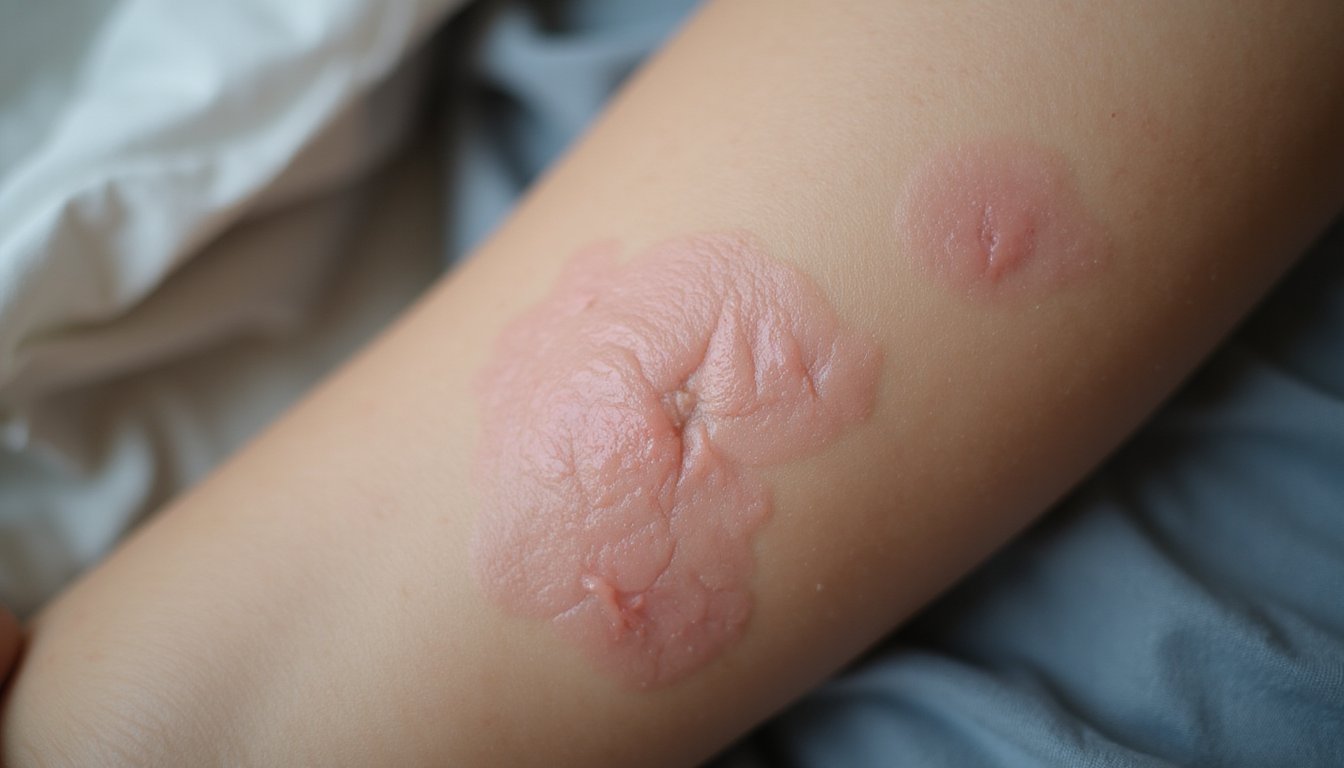
When should you head straight to the emergency room? If you notice a red streak extending from your infected track marks, don’t wait, this signals a spreading skin infection requiring immediate evaluation.
Seek emergency care when you experience:
- Fever with increasing redness and swelling at injection sites
- Skin turning blue-gray or breaking down rapidly
- Difficulty breathing, muscle weakness, or droopy eyelids, possible wound botulism
- Chills and feeling generally unwell, warning signs of sepsis
Sepsis develops when bacteria from untreated infections enter your bloodstream. Without prompt antibiotics, necrotizing fasciitis can progress within days, destroying tissue rapidly. Using unclean or shared needles significantly increases your risk of transmitting blood-borne pathogens that can lead to these life-threatening complications. Untreated infections can also increase your chances of contracting HIV and hepatitis C through compromised injection sites.
You need urgent intervention if swelling feels hot to the touch with extreme pain, or if hard lumps form beneath your skin. These symptoms won’t resolve on their own. Bacteria entering your bloodstream can also lead to endocarditis, a serious heart valve infection that requires extended hospitalization and intravenous antibiotics.
What Infected Track Marks Look Like vs. Normal Injection Sites
Because distinguishing between normal healing and infection can prevent serious complications, you’ll want to know exactly what to look for at your injection sites.
A typical needle mark dot appears as a small puncture with minor bruising and tenderness. Infected track marks present dramatically different symptoms requiring immediate attention. Poor hygiene and contaminated needles significantly increase the risk of developing cellulitis or abscesses at injection sites.
Watch for these warning signs of injection injury:
- Pus or discharge seeping from puncture wounds
- Spreading redness extending beyond the immediate site
- Unusual warmth when touching the affected area
- Hardened lumps or abscesses forming beneath skin
- Increasing pain that worsens rather than improves
Normal sites heal with scabbing and gradual fading. Infected track marks escalate, swelling increases, tissue hardens, and open ulcers may develop. Using old or shared needles dramatically increases your risk of contracting hepatitis B, hepatitis C, and severe skin infections. Untreated infections can lead to endocarditis, a dangerous bacterial infection affecting the heart valves. Don’t wait if you notice these changes. Normal sites heal with scabbing and gradual fading. Infected track marks escalate, swelling increases, tissue hardens, and open ulcers may develop. Using old or shared needles dramatically increases your risk of contracting diseases like hepatitis B, hepatitis C, and severe skin infections. Untreated infections can lead to endocarditis, a dangerous bacterial condition affecting the heart valves.If you’re wondering do track marks go away, the answer depends on whether the sites heal properly or become infected, early care and avoiding further injection damage play a critical role in how well your skin recovers. Don’t wait if you notice these changes.
Bacterial Infections That Cause Track Mark Complications
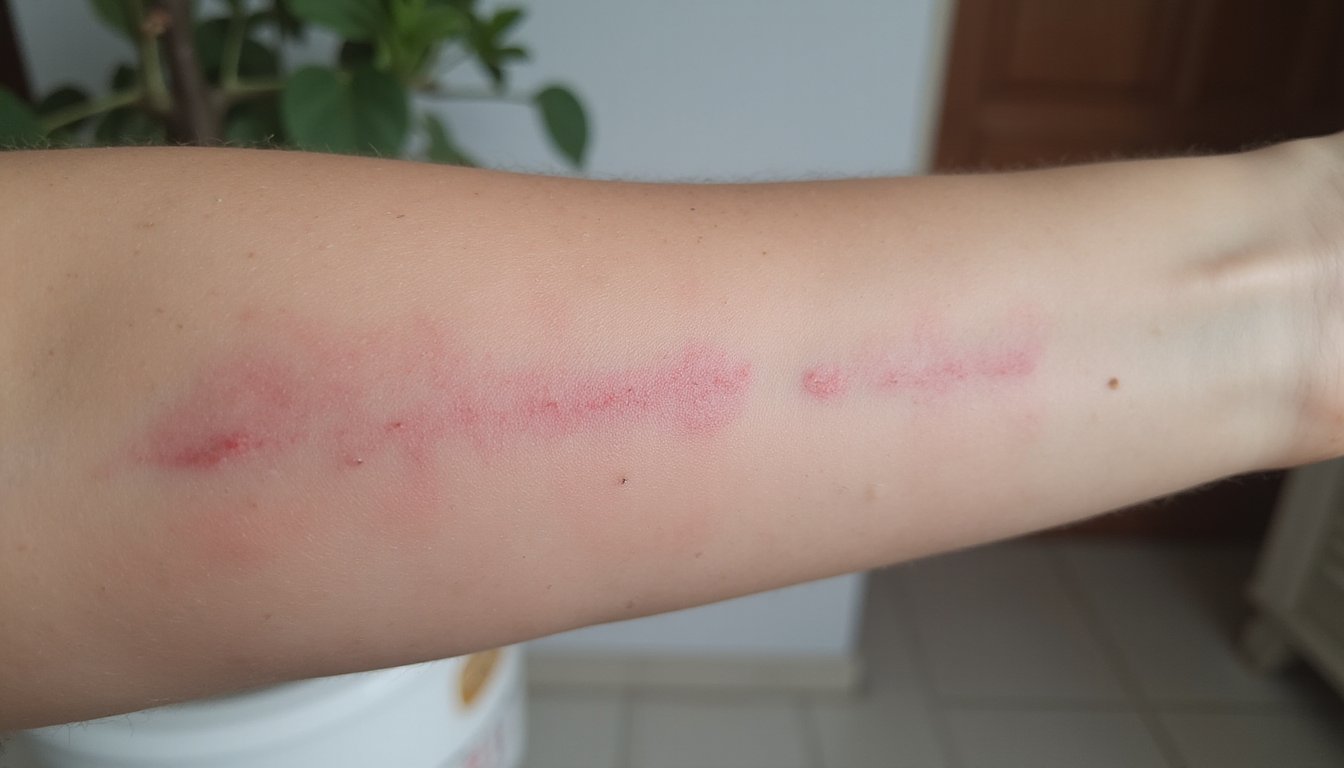
When this bacterium enters through puncture wounds, it triggers cellulitis, a spreading infection marked by redness, warmth, and painful swelling. Left untreated, you’ll develop an abscess: a pus-filled pocket requiring surgical drainage. Research shows the odds of developing these infections are almost five times higher with skin popping compared to intravenous injection.
Thrombophlebitis creates hardened, rope-like veins from repeated trauma and inflammation. Your circulation becomes compromised as veins collapse permanently. These collapsed veins and deep tissue damage may never fully recover, even after you stop injecting.
The most severe complication is necrotizing fasciitis. If you notice skin turning red-purple to blue-gray with extreme pain and fever, seek emergency care immediately. Infected track marks images often show this rapid tissue destruction progressing within days. Without prompt antibiotics, this infection proves fatal. Skin and soft tissue infections account for 74% of complications associated with injection drug use, making bacterial infections the most common health risk you’ll face.
How Infected Track Marks Turn Life-Threatening
Infected track marks can rapidly escalate from localized skin problems to systemic emergencies that threaten your life. Fresh track marks that show spreading redness, fever, or extreme pain demand immediate medical attention. When bacteria from injection marks on arm sites enter your bloodstream, sepsis can develop within hours. track marks explained further reveal the potential complications of repeated injections. Users should be aware that even minor track marks can lead to serious infections if not properly cared for. Understanding the signs of worsening conditions is crucial for timely intervention and treatment.
Watch for these critical warning signs someone is shooting up and facing serious complications:
- Skin turning red-purple to blue-gray within days
- Fever combined with increasing pain at injection sites
- Pus or hardened tissue spreading beyond the puncture wound
- Rope-like, collapsed veins from repeated injections
- Necrotic tissue or open ulcers forming
Don’t wait. Untreated infections progress to necrotizing fasciitis, bloodstream infections, or amputations. Seek emergency care immediately.
Getting Medical Help for Infected Track Marks
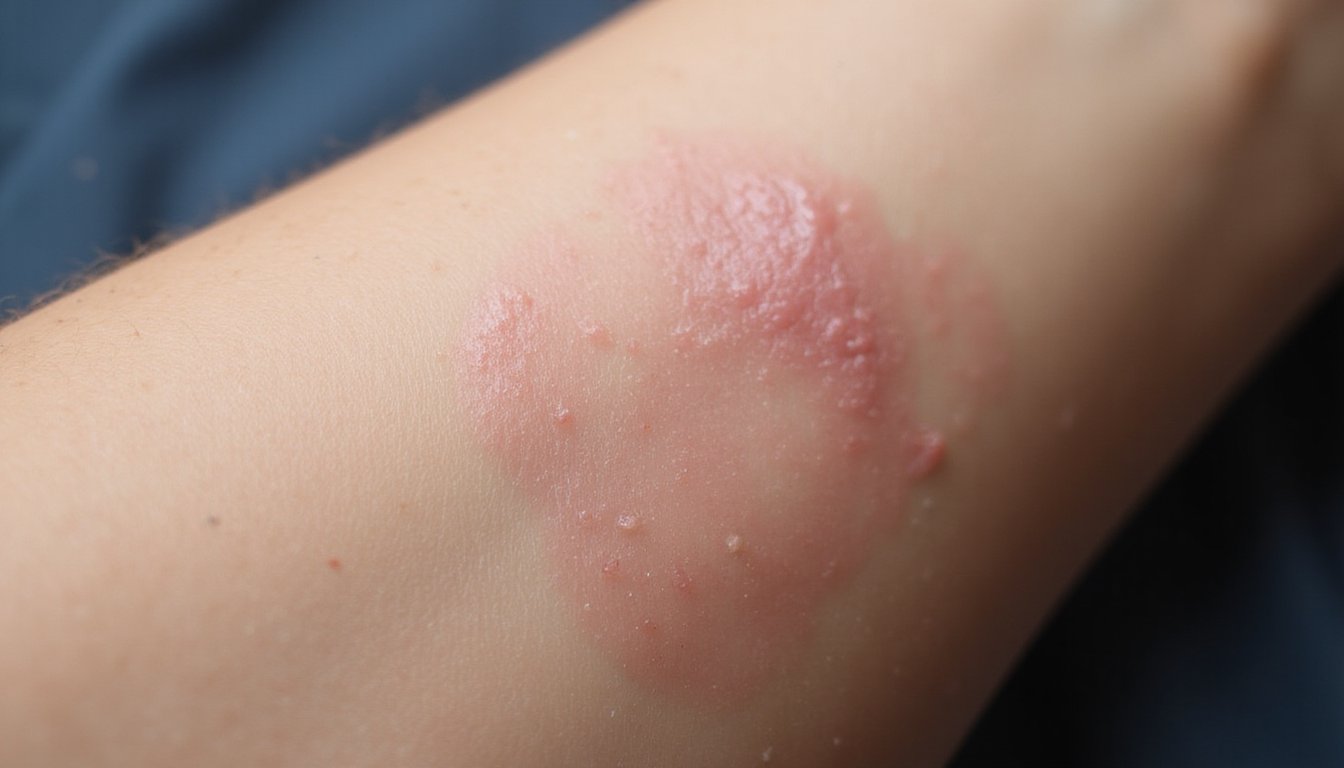
Seeking medical care for infected track marks can feel intimidating, but delaying treatment puts your health at serious risk. Healthcare providers assess signs of shooting up without judgment, focusing on treating your infection effectively.
When you notice a needle puncture mark showing persistent redness, swelling, pus, or fever, contact a healthcare provider immediately. Doctors may prescribe antibiotics, perform incision and drainage for abscesses, or recommend hospitalization for severe cases. Untreated infections can also increase your risk of contracting bloodborne illnesses like HIV and hepatitis if you continue using shared needles while your immune system is compromised.
What to expect during treatment:
- Physical examination of infected injection sites
- Possible blood tests to check for systemic infection
- Wound care instructions and prescribed medications
Many communities offer harm reduction services connecting you with medical care confidentially. Using blunt or dirty needles significantly increases your risk of developing severe infections that require more intensive treatment. Don’t wait until symptoms worsen, early intervention prevents complications like sepsis or necrotizing fasciitis that require emergency surgical intervention.
We Are Here to Help You Heal
Track marks are more than a physical sign, they are a signal that the body needs care and support. At Tampa Outpatient Detox, we connect you with licensed detox centers in Tampa offering Outpatient Detox Programs to help you address substance use and take the first step toward better health. Call (740) 562-7398 today and start your journey toward a healthier life.
Frequently Asked Questions
Can Infected Track Marks Heal on Their Own Without Antibiotics?
No, infected track marks rarely heal on their own without antibiotics. If you’re seeing pus, spreading redness, warmth, or fever, you need medical treatment now. About 74% of infections in people who inject are skin-related, and 80% involve Staph aureus, bacteria that won’t clear without proper antibiotics. Don’t wait for symptoms to worsen. Untreated infections can spread to your bloodstream and become life-threatening. Seek care immediately.
How Long Do Track Marks Typically Take to Fade Completely?
Your track marks fade based on their severity. Mild puncture wounds heal within days to a couple of weeks. Moderate bruising and clustered marks clear up in several weeks to months if you stop injecting. Severe scarring takes six to 12 months for noticeable improvement, though deep tissue damage can persist for years or indefinitely. You’ll speed healing by practicing good wound care, maintaining hygiene, and avoiding sun exposure on affected areas.
Do Certain Drugs Cause More Infections at Injection Sites Than Others?
Yes, certain drugs carry higher infection risks. If you inject heroin or speedballs, you’re more likely to develop abscesses than if you use methamphetamine or cocaine. Black tar heroin poses particular danger, especially when you inject it under the skin or into muscle tissue. Your injection frequency matters too, the more often you inject heroin, the greater your infection risk becomes. Don’t ignore early warning signs like redness or swelling.
Can Old Track Mark Scars Suddenly Become Infected Months Later?
Yes, old track mark scars can become infected months later, especially if you pick at them, reinjure the area, or have underlying tissue damage. Watch for sudden redness, warmth, swelling, pus, or tenderness in healed scars, these signal active infection. If you notice red streaks spreading or develop a fever, seek medical care immediately. Don’t ignore changes in old scars; delayed infections can lead to serious complications like cellulitis or abscesses.
Will Doctors Report Me to Police if I Seek Treatment for Infected Track Marks?
No, doctors won’t report you to the police simply for seeking treatment for infected track marks. Patient confidentiality protects you, there’s no mandatory reporting requirement for drug use or injection-related infections. Physicians can only disclose information with your consent, a court order, or specific legal mandates like child abuse or gunshot wounds.
Don’t let fear of police involvement stop you from getting care. Untreated infections can escalate quickly into serious, life-threatening complications.