



No, Mucinex doesn’t contain alcohol in any of its formulations, whether you’re taking standard tablets, Mucinex DM, or liquid versions like Fast-Max. The active ingredient in most Mucinex products is guaifenesin, an expectorant that thins mucus. While the medication itself is alcohol-free, drinking alcohol separately while taking Mucinex can reduce its effectiveness and strain your liver. Understanding these interactions helps you get the most from your treatment. No, Mucinex does not contain alcohol in any of its formulations, whether standard tablets, Mucinex DM, or liquid options like Fast-Max. Most products rely on guaifenesin, an expectorant that thins and loosens mucus. However, many people ask, can you drink alcohol while taking Mucinex and while the medication itself is alcohol-free, consuming alcohol separately may reduce its effectiveness, worsen dehydration, and place additional strain on your liver. Being aware of these interactions helps you use the medication more safely and effectively.
Does Mucinex Contain Alcohol?
Standard Mucinex tablets and caplets don’t contain alcohol as an active or inactive ingredient. The primary component, guaifenesin, works as an expectorant to thin and loosen mucus in your airways. When you check Mucinex ingredients, alcohol won’t appear on the label.
Mucinex DM formulations combine guaifenesin with dextromethorphan, a cough suppressant. Neither variant includes alcohol in mucinex products. The inactive ingredients typically feature propylene glycol, glycerin, and sodium benzoate, but no alcohol. It’s worth noting that dextromethorphan can be misused for euphoric effects, potentially leading to dangerous symptoms like seizures and even death.
Does Mucinex have alcohol in it? DailyMed listings and manufacturer specifications confirm it doesn’t. Even liquid Mucinex products, including Fast-Max and Multi-Action formulas, exclude alcohol from their compositions. You’ll find these products absent from pharmaceutical databases that track medications containing alcohol percentages ranging from 1-70%. However, while Mucinex itself is alcohol-free, consuming alcohol separately while taking it can reduce its effectiveness by interfering with the body’s ability to absorb and process the medication properly. Additionally, these liquid formulas should be stored between 20-25°C and not refrigerated to maintain their effectiveness.
Can You Drink Alcohol While Taking Mucinex?
Can You Drink Alcohol While Taking Mucinex?
Even if your Mucinex product doesn’t contain alcohol, drinking while taking it creates serious risks you shouldn’t ignore. Combining alcohol with guaifenesin strains your liver, increases drowsiness and dizziness, and can impair your coordination to dangerous levels. Alcohol also reduces the medication’s effectiveness by slowing absorption and dehydrating your body, which directly counteracts Mucinex’s mucus-thinning action. If your Mucinex contains dextromethorphan, the risks become even more concerning since dextromethorphan has food interactions with alcohol that can intensify central nervous system depression. Many people underestimate these dangers, but this seemingly harmless combination can quickly escalate into a dangerous situation requiring emergency medical attention.
Alcohol Interaction Risks
Why does mixing Mucinex with alcohol create such significant health concerns? When you combine these substances, your body faces multiple simultaneous challenges that compound each other’s effects. Mixing Mucinex with alcohol creates significant health concerns because both substances place overlapping demands on your body, amplifying side effects rather than simply adding them together. In the case of mucinex dm and alcohol interaction, the presence of dextromethorphan can intensify central nervous system depression when combined with alcohol, increasing risks such as dizziness, impaired judgment, and slowed reaction time. When taken together, your liver and nervous system must manage multiple stressors at once, compounding their overall impact.
Your liver processes both alcohol and guaifenesin, creating liver strain effects that can lead to serious damage. If you’re taking Mucinex DM, the dextromethorphan intensifies CNS depression, impairing your coordination and judgment while increasing overdose risk.
Alcohol also irritates your gastrointestinal tract, worsening nausea, vomiting, and stomach pain you may already experience from medication. Additionally, alcohol suppresses your immune function and causes dehydration, directly counteracting what Mucinex tries to accomplish.
Products containing acetaminophen pose the greatest danger, with severe liver toxicity warnings for anyone consuming three or more alcoholic drinks daily. No Mucinex variant is considered safe with alcohol.
Reduced Medication Effectiveness
Drinking alcohol while taking Mucinex reduces the medication’s effectiveness through several distinct mechanisms. Your liver prioritizes metabolizing alcohol over guaifenesin, creating liver processing competition that delays the drug’s breakdown and reduces its therapeutic action.
Absorption interference occurs when alcohol slows guaifenesin uptake into your bloodstream. This means you’ll experience delayed symptom relief while the medication remains in your system longer than intended. Even small amounts of alcohol can trigger this effect.
Prolonged medication clearance becomes problematic because Mucinex effects last 4-12 hours depending on the formulation. You should wait at least 24 hours after your last dose before consuming alcohol. Additionally, alcohol’s diuretic properties cause dehydration, directly counteracting Mucinex’s mucus-thinning function. Your body needs adequate hydration for guaifenesin to work effectively against congestion. Alcohol also weakens the immune system, so avoiding it allows your body to rest and heal more efficiently while recovering from illness. Some Mucinex formulations contain acetaminophen, which can cause liver damage when combined with alcohol, making it essential to check your specific product’s ingredients.
What’s in Standard Mucinex? Full Ingredient List

When examining the standard Mucinex Chest Congestion tablet, you’ll find guaifenesin 600 mg as the sole active ingredient, an expectorant that works by thinning and loosening mucus in your airways.
The inactive ingredients in this OTC medication label include compounds essential for tablet structure and delivery:
| Inactive Ingredient | Function |
|---|---|
| Carbomer homopolymer type B | Binder and stabilizer |
| FD&C Blue 1 aluminum lake | Color additive |
| Hypromellose | Extended-release coating |
| Magnesium stearate | Manufacturing lubricant |
| Microcrystalline cellulose | Filler agent |
You’ll notice the Mucinex ingredients don’t include alcohol in this standard tablet formulation. The bi-layer design delivers immediate and extended relief over 12 hours. This expectorant loosens phlegm in the chest to make coughs more productive. This formulation is not suitable for children under 12 years of age. Always verify your specific product’s label, as combination formulas contain additional active compounds. For example, Mucinex Multi-Action Congestion, Cold & Cough contains four active ingredients including acetaminophen, dextromethorphan hydrobromide, guaifenesin, and phenylephrine hydrochloride.
Do Mucinex DM and Fast-Max Contain Alcohol?
Both Mucinex DM and Mucinex Fast-Max formulations don’t contain alcohol in their ingredient lists, according to official product labels and DailyMed documentation. If you’re wondering does Mucinex DM have alcohol in it, the answer is no, the mucinex ingredients include dextromethorphan, guaifenesin, and inactive compounds like carbomer and magnesium stearate, but no alcohol.
Similarly, Fast-Max DM Max and Nightshift variants don’t have alcohol in mucinex formulations. Their inactive ingredients include citric acid, sodium benzoate, and sorbitol, again, no alcohol listed. The Nightshift Cold & Flu variant also contains triprolidine HCl 2.5 mg as an active ingredient for symptom relief.
This distinction matters because some competing dextromethorphan products do contain alcohol. You can confidently use these specific Mucinex products knowing there’s no alcohol content, though you should still verify by checking your product’s label directly. When taking any Mucinex product, you may administer with food or milk to minimize potential GI irritation. It’s important to note that you should not crush, chew, or break extended-release Mucinex tablets, as this could affect how the medication is absorbed.
Why Alcohol Makes Mucinex Less Effective
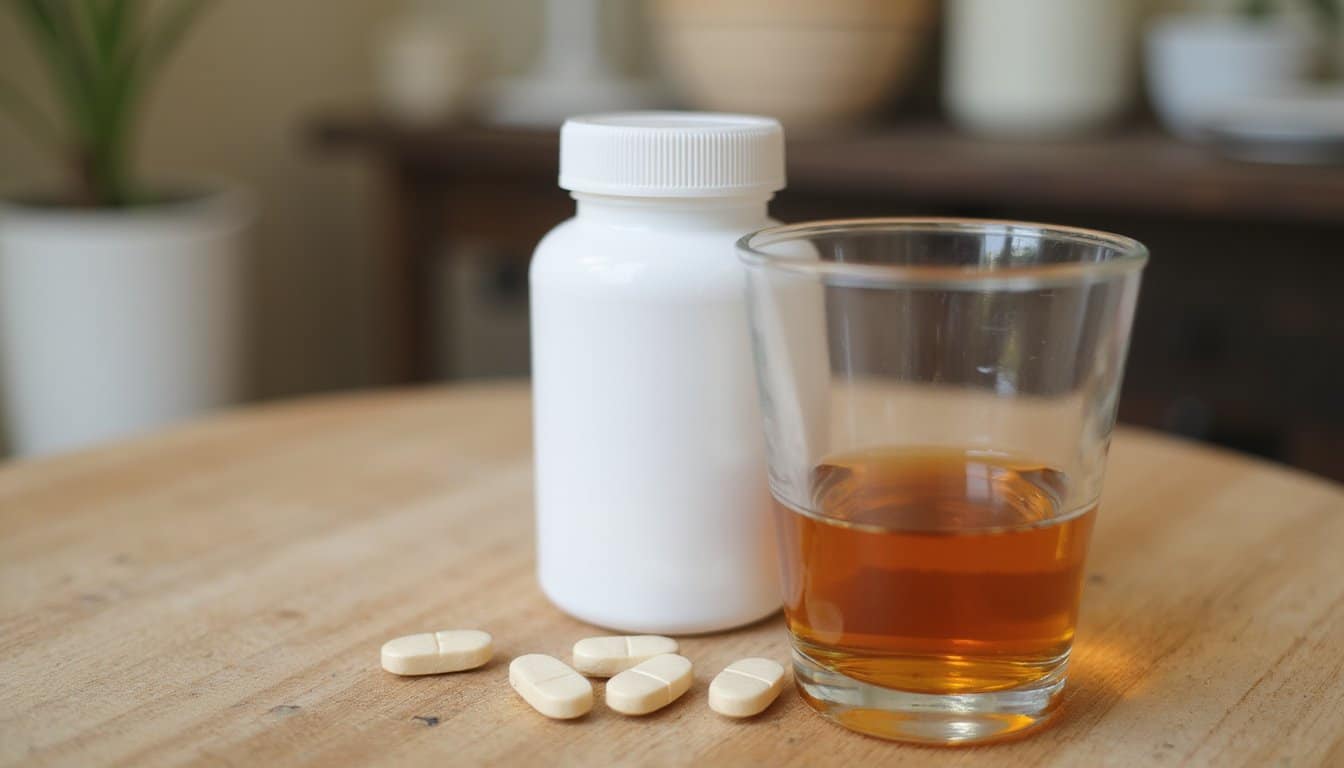
When you drink alcohol while taking Mucinex, your liver prioritizes breaking down the alcohol first, which delays how quickly your body processes guaifenesin. Alcohol also acts as a diuretic that dehydrates you, directly undermining Mucinex’s ability to thin and loosen mucus in your airways. This combination of slowed drug absorption and reduced hydration substantially decreases the medication’s effectiveness at relieving congestion. Additionally, alcohol undermines your body’s natural healing processes, which can prolong your recovery time when you’re already sick.
Liver Prioritizes Alcohol First
Why does alcohol reduce Mucinex’s effectiveness? When you consume alcohol while taking guaifenesin, your liver must choose which substance to metabolize first. Your liver always prioritizes alcohol breakdown, which delays guaifenesin processing and reduces the medication’s therapeutic effect.
Here’s what happens physiologically:
- Your liver enzymes focus on eliminating alcohol before processing guaifenesin
- Guaifenesin remains in your system longer but works less efficiently
- Mucus-thinning effects diminish due to delayed absorption
- Existing liver conditions increase your risk of hepatic strain
This metabolic competition means even small amounts of alcohol interfere with how your body processes the active ingredient. The result is compromised congestion relief and prolonged symptoms. Additionally, alcohol dehydrates and weakens the immune system, which further slows your body’s healing process. If you’re using Mucinex to recover from illness, avoiding alcohol entirely guarantees your liver can process the medication optimally.
Dehydration Blocks Mucus Thinning
Alcohol’s diuretic effect creates a second barrier to guaifenesin’s mechanism of action. When you consume alcohol, it inhibits antidiuretic hormone, causing increased urine production and systemic fluid loss. This dehydration directly thickens respiratory mucus, counteracting guaifenesin’s primary function of increasing airway fluid secretion.
| Hydration State | Guaifenesin Efficacy |
|---|---|
| Well-hydrated | Ideal mucus thinning |
| Mild dehydration | Reduced effectiveness |
| Moderate dehydration | Greatly impaired |
| Severe dehydration | Minimal therapeutic benefit |
| Alcohol-induced dehydration | Compromised drug action |
Guaifenesin requires adequate hydration to loosen phlegm effectively. Alcohol consumption concentrates mucus proteins, swells airway tissues, and delays drug absorption. Clinical evidence confirms that dehydrated patients experience prolonged congestion despite taking expectorants. You’ll maximize guaifenesin’s benefits by avoiding alcohol and maintaining proper fluid intake throughout your illness. For optimal results, take each dose with a full glass of water to support the expectorant’s mucus-thinning action. Guaifenesin works best when you’re well hydrated, as adequate fluid intake helps thin and mobilize mucus effectively. In discussions about guaifenesin and alcohol, it’s important to recognize that alcohol can promote dehydration, concentrate mucus proteins, swell airway tissues, and potentially delay drug absorption. Clinical evidence shows that dehydrated individuals may experience more persistent congestion despite expectorant use, so avoiding alcohol and taking each dose with a full glass of water can significantly enhance therapeutic benefit.
Slowed Drug Absorption Rate
Because your liver prioritizes alcohol metabolism over most other substances, guaifenesin’s absorption rate declines drastically when you drink. This metabolic competition means your body focuses on processing alcohol first, leaving guaifenesin waiting in line for breakdown and activation.
When absorption slows, you’ll experience delayed congestion relief and reduced mucus-thinning effects. The therapeutic action you need gets postponed while your liver handles alcohol.
Key absorption interference factors:
- Any alcohol amount triggers competitive metabolic delays in the liver
- Beer, wine, and liquor all produce similar processing slowdowns
- Large alcohol volumes enormously heighten absorption interference
- Existing liver conditions amplify strain from dual metabolism demands
This processing competition ultimately reduces guaifenesin’s availability when you need it most, extending your illness duration and diminishing the medication’s intended efficacy.
Mucinex Side Effects That Worsen With Alcohol
When you combine Mucinex with alcohol, certain side effects intensify considerably enough to create genuine health risks. Drowsiness becomes excessive as alcohol amplifies the sedative properties, particularly with dextromethorphan-containing formulas like Mucinex DM. Your coordination deteriorates, reaction times slow dramatically, and mental alertness drops to dangerous levels.
Gastrointestinal disturbances escalate substantially. You’ll experience heightened nausea, vomiting, and stomach irritation as both substances aggravate your digestive tract simultaneously.
Dehydration worsens through a dual mechanism. Alcohol’s diuretic effect combines with guaifenesin’s mucolytic drying action, accelerating fluid loss and potentially prolonging your illness.
Your immune function takes a direct hit. Alcohol suppresses white blood cell production and increases inflammation, undermining the very recovery Mucinex is meant to support. This combination can extend symptom duration and compromise your body’s infection-fighting capacity.
Liver Strain and Other Risks of Mixing
When you take Mucinex while drinking alcohol, your liver faces a double burden as it works to metabolize both substances simultaneously. This competition for liver processing can delay how quickly your body breaks down guaifenesin, keeping the medication in your system longer than intended. The combined strain also intensifies side effects like drowsiness and dizziness, which can impair your coordination and judgment.
Liver Processing Double Burden
Although Mucinex’s active ingredient guaifenesin is generally considered safe at recommended doses, combining it with alcohol creates metabolic competition that strains liver function. Your liver prioritizes alcohol breakdown, delaying guaifenesin processing and prolonging its presence in your system.
This dual burden reduces medication efficacy while increasing hepatotoxic risk. Key concerns include:
- Metabolic backlog: Liver enzymes become overwhelmed processing both substances simultaneously, slowing guaifenesin absorption.
- Dehydration effects: Alcohol’s diuretic properties compound liver strain and undermine Mucinex’s mucus-thinning mechanism.
- Pre-existing conditions: Individuals with hepatic impairment face amplified damage potential from concurrent processing demands.
- Extended exposure: Delayed clearance increases overdose risk and prolongs systemic stress.
If you have any liver condition history, avoid mixing these substances entirely to prevent compounding hepatic injury.
Compounded Drowsiness and Dizziness
Both alcohol and certain Mucinex ingredients act as central nervous system depressants, and combining them vastly amplifies drowsiness and dizziness beyond what either substance causes alone. When you consume alcohol with guaifenesin, you’ll experience heightened sedation and impaired balance. Dextromethorphan in Mucinex DM intensifies these effects further, creating pronounced disorientation and coordination problems.
Phenylephrine-containing formulations add additional dizziness risk when mixed with alcohol. Your motor skills decline enormously, making driving and operating machinery dangerous. Even small alcohol amounts trigger these compounded effects.
Alcohol also slows guaifenesin metabolism, prolonging dizziness duration. You’ll notice persistent lightheadedness and increased fall risk. The respiratory depression synergy between alcohol and DXM raises overdose potential. Avoiding alcohol entirely while taking any Mucinex variant protects you from these preventable complications.
How Long to Wait Between Mucinex and Alcohol
Timing matters enormously when considering alcohol consumption alongside Mucinex use. There’s no officially established waiting period between Mucinex and alcohol, but you’ll want to abstain entirely while taking the medication for ideal safety and effectiveness.
Your liver metabolizes both substances, and alcohol takes priority in this process. This delays guaifenesin breakdown and reduces its therapeutic action.
Recommended timing guidelines:
- Avoid alcohol completely throughout your entire treatment course
- Wait until you’ve fully recovered from illness before consuming alcohol
- Recognize that even small amounts interfere with medication absorption
- Consult your healthcare provider for personalized recommendations based on your specific dosage and health conditions
Alcohol’s dehydrating effects counteract Mucinex’s mucus-thinning properties, prolonging your illness. For best results, prioritize hydration and rest over alcohol consumption during recovery.
Which Cold Medicines Actually Contain Alcohol?
When you’re scanning the pharmacy shelf for cold relief, knowing which products contain alcohol can prevent unwanted interactions and side effects.
NyQuil liquid contains 10% alcohol by volume, making it one of the most common alcohol-containing cold medicines. Certain Robitussin syrups include ethanol as an inactive ingredient, and some Coricidin cough formulas contain alcohol as well.
However, several options remain alcohol-free. DayQuil capsules and liquids exclude alcohol entirely. Delsym extended-release suspensions contain no ethanol in adult or pediatric versions. All Mucinex variants, including Mucinex DM and Fast-Max formulations, are confirmed alcohol-free.
You can verify ingredients through the DailyMed database or manufacturer websites. Check both active and inactive ingredient lists for terms like “ethanol” or “alcohol.” This verification step takes seconds but protects you from accidental exposure.
What to Do If You’ve Already Mixed Them
If you’ve already consumed alcohol while taking Mucinex, stop drinking immediately and assess your symptoms. Monitor for intensified drowsiness, dizziness, nausea, or rapid heart rate. Hydrate with water to counteract alcohol’s dehydrating effects, which can compromise guaifenesin’s mucus-thinning action.
Hydration is your first line of defense, water helps restore guaifenesin’s effectiveness while counteracting alcohol’s dehydrating impact.
Take these steps to manage the situation:
- Avoid driving or operating machinery until all symptoms resolve
- Contact poison control if you’ve consumed large amounts of alcohol
- Seek emergency care if you experience severe symptoms like rapid heart rate or abdominal pain
- Inform your healthcare provider of the exact Mucinex variant and alcohol quantity consumed
If your product contains dextromethorphan or acetaminophen, the interaction risk increases substantially. Wait 24-48 hours before resuming normal activities and maintain an alcohol-free approach throughout your illness recovery.
Ready to Break Free? Help Is Just One Call Away
Every day with addiction is heavy, and asking for help takes more strength than most people know. At Tampa Outpatient Detox, we connect you with caring treatment providers who are ready to walk alongside you toward healing. Recovery is closer than it feels. Call (740) 562-7398 today.
Frequently Asked Questions
Can Mucinex Trigger a False Positive on an Alcohol Test?
No, Mucinex won’t trigger a false positive on an alcohol test. Standard formulations contain guaifenesin and don’t include ethanol. Breathalyzers detect ethanol through oxidation reactions, while urine tests target ethyl glucuronide metabolites, neither cross-reacts with Mucinex ingredients. Even Mucinex DM’s dextromethorphan doesn’t affect alcohol-specific assays. You should still check product labels, as some liquid cold medicines do contain alcohol, but standard Mucinex tablets and caplets remain alcohol-free.
Is Mucinex Safe for People With Alcohol Sensitivity or Intolerance?
Most standard Mucinex tablets don’t contain alcohol, making them generally safe for people with alcohol sensitivity or intolerance. However, you should always check the label on liquid formulations, as some may include alcohol as an inactive ingredient. If you’re highly sensitive, stick with tablet or capsule forms to avoid potential reactions. When uncertain, consult your pharmacist, they can verify specific product ingredients and recommend alcohol-free alternatives for your symptoms.
Does Mucinex Contain Any Ingredients That Mimic Alcohol’s Effects?
Mucinex doesn’t contain ingredients that directly mimic alcohol’s effects. Guaifenesin causes drowsiness through respiratory mechanisms, not central nervous system depression like alcohol. However, if you’re taking Mucinex DM, dextromethorphan can amplify drowsiness and dizziness when combined with alcohol, creating sensations that resemble intoxication. Your liver also prioritizes alcohol metabolism, which prolongs guaifenesin’s effects and intensifies side effects, potentially causing symptoms you might mistakenly attribute to alcohol alone.
Can Recovering Alcoholics Safely Take Mucinex Without Relapse Concerns?
You can safely take standard Mucinex without relapse concerns since it contains no alcohol in its formulations. The active ingredient guaifenesin doesn’t mimic alcohol’s effects or trigger cravings. However, you should avoid combining Mucinex with any alcohol, as interactions strain your liver and intensify CNS depression. Check product labels carefully, stay hydrated, and consult your physician if you’re taking Mucinex DM, which contains dextromethorphan that requires additional monitoring.
Are There Alcohol-Free Alternatives to Mucinex for Cold Symptoms?
You’ve got several alcohol-free options for cold symptoms. Standard Mucinex tablets already contain guaifenesin without alcohol, but you can also try steam inhalation, saline nasal sprays, or humidifiers to thin mucus naturally. Honey soothes throats effectively, while increased water intake supports mucus clearance. For cough suppression, look for dextromethorphan products specifically labeled alcohol-free. Always check inactive ingredient lists, as formulations vary between liquid and tablet versions.