



Yes, Mucinex 12 Hour’s extended-release formula does increase your risk window when considering alcohol. The bi-layer tablet design continuously releases guaifenesin over 12 hours, maintaining active drug levels far longer than immediate-release versions. This prolonged presence means your liver must process both substances simultaneously for an extended period, amplifying side effects like drowsiness and nausea while straining hepatic function. Most healthcare providers recommend waiting at least 24 hours after your last dose, though individual factors can influence safe timing.
How Long to Wait After Mucinex 12 Hour Before Drinking Alcohol
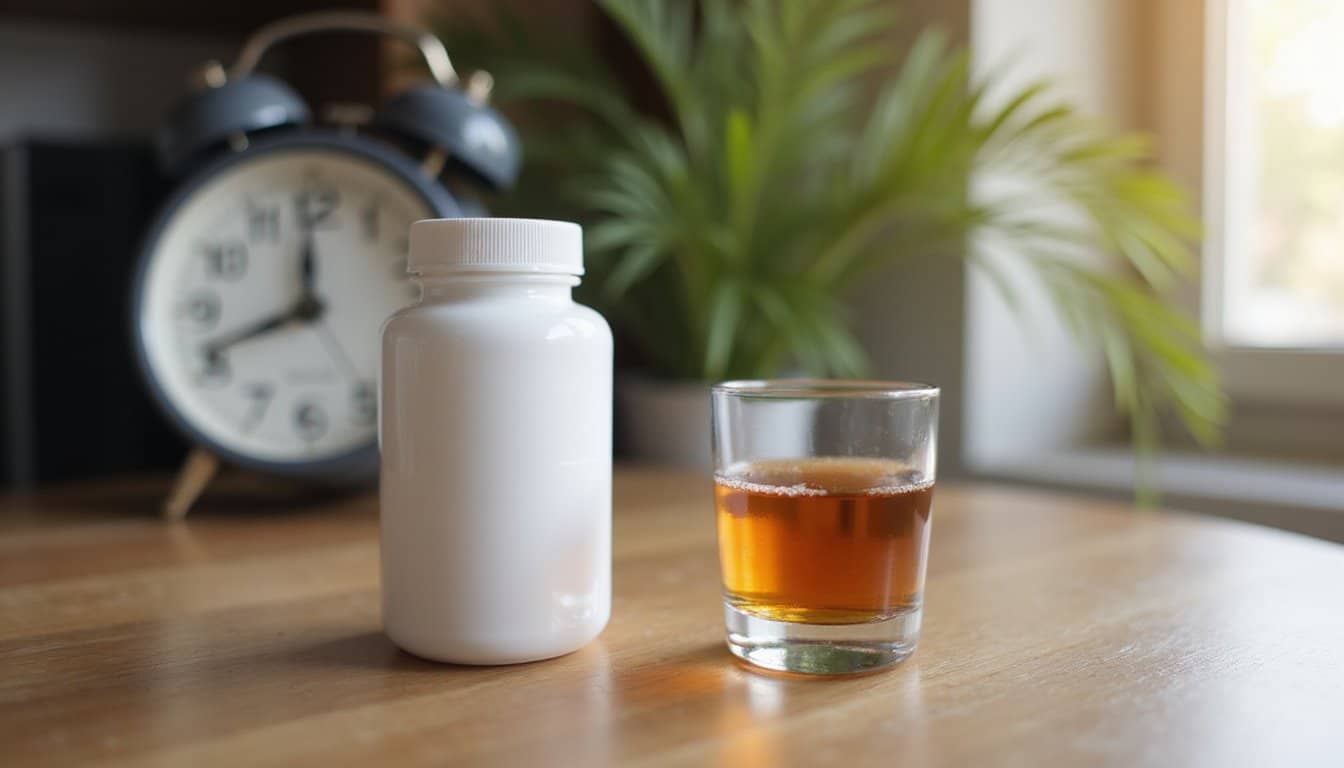
Most healthcare providers recommend waiting at least 24 hours after your last Mucinex 12 Hour dose before consuming alcohol. This extended-release (ER) formulation remains active in your system for 4 to 12 hours, with individual metabolism affecting clearance time.
While some sources suggest a minimum 12-hour wait, this may prove insufficient for complete safety. Your liver processes both substances, and introducing alcohol before full medication clearance can strain this organ and amplify side effects like dizziness. When Mucinex and alcohol compete for the same metabolic pathways in the liver, this creates a backup that leads to increased toxicity levels in the bloodstream. Combining these substances can also cause respiratory depression, a serious condition that slows breathing to dangerous levels.
Hydration plays a critical role during this period. Alcohol dehydrates your body, counteracting the expectorant’s effectiveness and potentially extending perceived medication activity. Additionally, alcohol consumption weakens the immune system, making it harder for your body to fight off the infection you’re treating. If you have liver conditions or take other medications, consult your healthcare provider for personalized guidance on safe wait times.
What Happens When You Mix Mucinex 12 Hour and Alcohol
Combining Mucinex 12 Hour with alcohol triggers several physiological reactions that can compromise both your recovery and safety. Alcohol intensifies central nervous system depression, amplifying drowsiness, dizziness, and impaired coordination even when guaifenesin alone wouldn’t cause significant sedation.
Your liver processes both substances simultaneously, creating metabolic competition. This delays guaifenesin breakdown while increasing strain on hepatic function. Alcohol’s diuretic effect also counteracts the hydration necessary for effective mucus thinning. The liver prioritizes metabolizing alcohol first, which means Mucinex absorption slows significantly and may result in reduced symptom relief.
Gastrointestinal disturbances, nausea, stomach upset, and abdominal pain, become more pronounced when you mix Mucinex 12 Hour with alcohol. Your immune response suffers too, as alcohol suppresses the body’s natural defenses against infection. Alcohol interferes with the production and function of white blood cells, which weakens your body’s ability to fight off the illness you’re treating. If you’re recovering from substance use issues, medical supervision during detox is essential to safely manage any complications that arise from mixing substances.
Motor skills and judgment deteriorate unpredictably with this combination. Driving or operating machinery becomes hazardous. Even moderate alcohol consumption can intensify these impairments, prolonging your illness while increasing adverse effect risks.
Why Extended-Release Mucinex Creates a Longer Risk Window
Because Mucinex 12 Hour uses a bi-layer tablet design, the medication doesn’t clear your system as quickly as standard formulations. One layer releases guaifenesin immediately, while the second layer sustains release over 12 hours. This extended-release mechanism keeps active ingredients working in your body far longer than immediate-release versions, which require dosing every four hours.
This prolonged presence increases your interaction potential with alcohol throughout the entire 12-hour window. While guaifenesin’s plasma half-life is approximately one hour, the continuous release from the tablet maintains therapeutic levels much longer. Metabolites remain detectable as hepatic oxidation and demethylation processes continue. If you drink during this timeframe, you’re combining alcohol with an actively releasing medication, which extends your risk period considerably compared to short-acting alternatives. Additionally, Mucinex DM contains dextromethorphan, which acts on the cough center in the brain, potentially amplifying central nervous system effects when combined with alcohol. It’s also worth noting that extended-release tablets should be swallowed whole rather than crushed or chewed, as breaking the tablet could disrupt the controlled-release mechanism and alter how the medication interacts with your system. The maximum strength formula combines 1200 mg of guaifenesin with 60 mg of dextromethorphan HBr, creating a potent combination that works to thin mucus while suppressing cough.
How Alcohol Makes Your Mucinex 12 Hour Less Effective
When you drink alcohol while taking Mucinex 12 Hour, you’re working against the medication’s core function. Alcohol acts as a diuretic that dehydrates your body, which directly undermines guaifenesin’s ability to thin and loosen mucus in your airways. Your liver also prioritizes metabolizing alcohol over the medication, slowing guaifenesin absorption and reducing how effectively it reaches your respiratory system. Additionally, alcohol may weaken the immune system, making it harder for your body to recover from the illness you’re treating.
Dehydration Blocks Mucus Thinning
Guaifenesin works by drawing water into your airways to thin and loosen mucus, but alcohol’s diuretic effect actively works against this mechanism. When you drink alcohol while taking Mucinex 12 Hour, you’re fundamentally sabotaging your medication’s ability to function properly.
Dehydration from alcohol reduces the moisture your respiratory system needs to break up congestion. Without adequate fluid levels, guaifenesin can’t perform its intended job, and you’ll experience mucus thickening instead of relief.
This creates a counterproductive cycle. Your Mucinex 12 Hour dose continues releasing medication over its extended timeframe, but your dehydrated airways can’t respond effectively. The result is prolonged congestion and diminished symptom relief despite taking your medication as directed. Staying well-hydrated remains crucial for this expectorant to deliver its full therapeutic benefit.
Slower Guaifenesin Absorption Rate
Your liver processes alcohol before most other substances, which directly delays how quickly your body absorbs and metabolizes guaifenesin. When you drink while taking Mucinex 12 Hour, your liver metabolism prioritizes alcohol, creating competition for the same enzymes. This slows the absorption rate of guaifenesin, reducing its peak concentration and impairing its mucus-thinning ability.
| Factor | Without Alcohol | With Alcohol |
|---|---|---|
| Absorption Rate | Steady, predictable | Delayed, irregular |
| Mucus-Thinning Effect | Ideal | Reduced |
Research confirms that even small amounts of alcohol interfere with medication processing. For extended-release formulas, this disruption prevents the consistent 12-hour relief you’re expecting. The result isn’t dangerous, but you’ll experience suboptimal congestion relief when your body can’t maintain guaifenesin’s intended release profile.
Liver Prioritizes Alcohol First
The liver breaks down alcohol before it processes guaifenesin, which directly undermines Mucinex 12 Hour’s effectiveness. When you consume alcohol while taking this extended-release medication, your liver shifts its metabolic resources to processing the alcohol first. This delays guaifenesin breakdown and alters how the drug moves through your system.
This metabolic competition means your Mucinex 12 Hour can’t work as intended. The extended-release formula depends on predictable absorption and processing to deliver consistent symptom relief. Alcohol disrupts this balance, leaving guaifenesin circulating longer without producing therapeutic benefits.
If you have pre-existing liver conditions, this dual burden increases hepatic strain considerably. Your liver faces 12 hours of competing demands, compromising both alcohol elimination and medication processing throughout the extended-release window.
Drowsiness, Dizziness, and Nausea Get Worse With Alcohol
When you combine Mucinex 12 Hour with alcohol, the sedative effects of both substances amplify each other, increasing your risk of drowsiness and dizziness beyond what either would cause alone. Alcohol also irritates your gastrointestinal tract while causing dehydration, which can worsen nausea and stomach upset that sometimes occurs with guaifenesin. These intensified side effects impair your coordination, slow your reaction times, and make everyday activities like driving vastly more dangerous. Combining mucinex dm and alcohol can lead to unexpected complications, particularly for those who are already prone to respiratory issues. The central nervous system can become severely depressed, resulting in an increased likelihood of serious side effects. It’s crucial to consult with a healthcare professional before mixing these two substances to avoid potential health risks.
Combined Sedation Effects Intensify
Although Mucinex 12 Hour doesn’t typically cause substantial drowsiness on its own, adding alcohol to the mix changes the equation. When you combine mucinex 12 hour and alcohol, both substances depress your central nervous system simultaneously. This synergy amplifies sedation beyond what either would cause alone.
Taking mucinex while drinking dulls your senses and slows coordination and judgment. You may experience heightened confusion or agitation that wouldn’t occur with the medication by itself. The mucinex extended release alcohol interaction creates prolonged impairment because the medication continues working for up to 12 hours. Taking Mucinex while drinking can dull your senses and impair coordination and judgment, increasing the likelihood of confusion or agitation beyond what the medication alone would cause. In discussions of alcohol and mucinex interactions explained, it’s important to note that extended-release formulations may prolong impairment, as the medication remains active in your system for up to 12 hours, extending the window of potential interaction effects.
Your reaction times decrease markedly, making driving or operating machinery dangerous. Even small amounts of alcohol elevate these risks. Wait at least 24 hours after your last dose before consuming alcohol.
Gastrointestinal Symptoms Worsen Significantly
Beyond sedation concerns, mixing Mucinex 12 Hour and alcohol creates significant gastrointestinal distress that compounds your discomfort. Alcohol irritates your GI tract while Mucinex already carries risks of nausea and stomach pain. When combined, these effects amplify substantially.
Beer and wine sugars worsen stomach upset, while alcohol’s diuretic properties promote dehydration, directly undermining guaifenesin’s mucus-thinning action. This dehydration intensifies gastrointestinal symptoms like nausea, vomiting, and diarrhea.
Your liver prioritizes metabolizing alcohol over medications, which strains its processing capacity and prolongs Mucinex side effects. Even small amounts of alcohol heighten nausea and dizziness simultaneously. The extended-release formula’s 12-hour delivery system means this interaction window persists throughout the dosing period. You should avoid alcohol during the full cycle to prevent escalating GI complications.
Why Your Liver Struggles to Process Both at Once
Your liver can only take on so many tasks at once, and when alcohol enters the picture, it jumps to the front of the line. This means liver metabolization of guaifenesin slows down considerably while your body prioritizes alcohol processing. The result? Mucinex stays in your system longer than intended, and both substances compete for the same metabolic pathways.
This backup creates a cascading effect. Your liver works overtime but accomplishes less, leaving higher concentrations of both substances circulating in your bloodstream. Meanwhile, alcohol’s diuretic properties trigger dehydration, which directly undermines what Mucinex is trying to do, thin your mucus. This combination also undermines your body’s natural healing processes, potentially extending the time it takes to recover from your illness.
If you have pre-existing liver conditions, this strain intensifies. The combination forces your liver into an inefficient cycle that prolongs your exposure to potential side effects.
Mucinex 12 Hour vs. Regular Mucinex: Which Is Riskier?
The extended-release formulation creates a longer window of potential interaction compared to standard Mucinex. When you take Mucinex extended release, the medication remains active in your system for up to 12 hours, meaning alcohol interactions can occur throughout this entire period. Standard Mucinex clears your body faster, narrowing the timeframe when combining substances poses concern.
The comparative risk centers on duration rather than intensity. You’re not necessarily facing stronger effects with extended-release, you’re facing prolonged exposure to potential interactions. This extended window increases the chance you’ll forget you’ve taken medication and consume alcohol, or accidentally stack doses. The bi-layer tablet design delivers one layer for immediate release and another for extended release, which maintains the medication’s presence in your body throughout the full 12-hour period.
Both formulations warrant caution with alcohol, but Mucinex 12 Hour demands more careful timing. You’ll need to plan further ahead before drinking to guarantee the medication has fully cleared your system. This careful approach becomes especially important because both Mucinex D and Mucinex DM should not be taken if you’ve used MAO inhibitors within the past 14 days, highlighting how these medications can have significant drug interactions. Combining Mucinex DM with alcohol is particularly dangerous because the dextromethorphan it contains can be misused to achieve euphoric effects, which carries potentially fatal consequences.
Does Mucinex DM 12 Hour Carry Extra Dangers With Alcohol?
When you take Mucinex DM 12 Hour, you’re adding dextromethorphan to the mix, which dramatically increases your risks when combined with alcohol. Both substances depress your central nervous system, creating concerns about respiratory depression and intensified sedation that can last throughout the medication’s extended-release window. You should understand that this combination amplifies drowsiness, impairs coordination, and can lead to dangerous outcomes that regular Mucinex without DM doesn’t present.
Dextromethorphan Amplifies Alcohol Risks
Because Mucinex DM 12 Hour contains dextromethorphan alongside guaifenesin, it carries additional risks when combined with alcohol that the standard formula doesn’t. When you’re wondering can you drink alcohol with Mucinex 12 Hour, the DM version demands extra caution.
| Risk Factor | What Happens |
|---|---|
| CNS Depression | Amplified sedation and drowsiness |
| Coordination | Impaired judgment and motor control |
| Cognition | Dizziness, concentration problems |
| Liver Strain | Both substances compete for metabolism |
| Overdose Risk | Heightened potential for toxicity |
Dextromethorphan and alcohol both depress your central nervous system. The Mucinex 12 hour alcohol interaction creates additive effects that intensify drowsiness and impair thinking. With Mucinex extended release alcohol combinations, these dangers persist throughout the medication’s active window. Around 6000 people in the U.S. visit the emergency room each year due to misusing DXM with other substances like alcohol.
Respiratory Depression Concerns
Respiratory depression represents one of the most serious risks you face when combining Mucinex DM 12 Hour with alcohol. Dextromethorphan, the cough suppressant in this formula, interacts dangerously with alcohol’s depressant effects on your central nervous system. When you’re treating chest congestion with mucinex extended release alcohol consumption compounds these dangers immensely.
The extended-release mechanism keeps dextromethorphan active in your system for 12 hours, prolonging the window for dangerous interactions:
- Alcohol depresses your respiratory center, and dextromethorphan amplifies this suppression
- Large dextromethorphan doses cause hallucinations while alcohol further depresses breathing
- Your liver prioritizes alcohol metabolism, delaying Mucinex 12 Hour breakdown
- Products containing dextromethorphan carry major interaction classifications with alcohol
These combined effects can become life-threatening, particularly if you have respiratory conditions.
Extended Sedation Duration
The dangers don’t stop with breathing difficulties, Mucinex DM 12 Hour’s extended-release design creates a prolonged window where alcohol interactions can intensify sedation well beyond what you’d experience with standard formulations.
Dextromethorphan and alcohol both depress your central nervous system. When combined, their sedative effects become unpredictable and potentially severe.
| Standard Formulation | Extended-Release 12 Hour |
|---|---|
| 4-6 hour interaction window | 12-24 hour interaction window |
| Faster clearance from system | Continuous medication presence |
| Shorter sedation risk | Prolonged sedation risk |
| Quicker recovery if symptoms occur | Extended impairment duration |
| Lower cumulative exposure | Higher cumulative CNS depression |
You may experience drowsiness severe enough to make simple tasks impossible. Coordination and reaction times slow dramatically, creating particular danger if you drive or operate machinery during this extended window.
Who Should Never Mix Mucinex 12 Hour and Alcohol
While Mucinex 12 Hour is generally safe for most adults when used as directed, certain groups shouldn’t mix it with alcohol under any circumstances.
- Individuals with liver conditions, Your liver processes both guaifenesin and alcohol. Adding strain can worsen existing damage and delay medication breakdown.
- Those with compromised immune systems, Alcohol suppresses immune function and dehydrates your body, undermining Mucinex’s ability to thin mucus effectively.
- People with a history of alcohol use disorder, Chronic alcohol use impairs liver function, increasing overdose risk and reducing medication effectiveness.
- Anyone taking Mucinex DM, Dextromethorphan combined with alcohol causes dangerous central nervous system depression, respiratory issues, and heightened intoxication.
If you fall into these categories, avoid alcohol entirely while using Mucinex 12 Hour to protect your health and recovery.
What to Take Instead If You Plan to Drink
How can you manage cold symptoms if you’re planning to drink alcohol? Choose plain guaifenesin products without dextromethorphan or acetaminophen to minimize drug-alcohol interactions. Saline nasal sprays and steam inhalation loosen mucus without systemic effects or liver strain.
If you need medication, opt for fast-acting formulations over extended-release versions. These clear your system more quickly, reducing overlap with alcohol consumption. Wait at least 24 hours after your last Mucinex 12 Hour dose before drinking. If you need medication, consider fast-acting formulations instead of extended-release versions, as they clear your system more quickly and reduce prolonged overlap with alcohol. For those wondering how long after Mucinex can you drink alcohol, it’s generally advisable to wait at least 24 hours after your last Mucinex 12 Hour dose to minimize potential interaction risks and allow the medication to substantially clear from your body.
Prioritize hydration with electrolyte drinks or herbal teas like peppermint, which reduce congestion without CNS depression. Honey-based cough syrups soothe throat irritation without sedative amplification.
Consult your pharmacist for alcohol-compatible cold remedies before drinking. They can recommend single-symptom treatments that minimize additive side effects while keeping you comfortable during recovery.
Ready to Break Free? Help Is Just One Call Away
Living with addiction is one of the hardest things a person can carry. At Tampa Outpatient Detox, we connect you with compassionate treatment providers who are ready to help you find your way back. Healing begins with one call. Call (740) 562-7398 today.
Frequently Asked Questions
Can I Have Just One Beer While Taking Mucinex 12 Hour?
You should avoid drinking beer while taking Mucinex 12 Hour. The extended-release formula stays active in your body for up to 12 hours, meaning alcohol can still interact with the medication long after you’ve taken it. Even one beer can increase dizziness, dehydration, and fatigue while you’re sick. It also reduces the medication’s effectiveness at thinning mucus. Wait at least 12-24 hours after your last dose before consuming alcohol.
Will Mixing Mucinex 12 Hour and Alcohol Show up on a Drug Test?
Mixing Mucinex 12 Hour and alcohol won’t create a unique marker on standard drug tests. However, alcohol itself remains detectable in urine for 7, 12 hours, and some tests can identify it for up to four days. Guaifenesin doesn’t cause false positives for alcohol. If you’re facing testing, you should disclose any medications beforehand. The combination affects how you feel, not what shows up on results.
Is It Safe to Drink Alcohol the Morning After Taking Nighttime Mucinex?
It’s not considered safe. Nighttime Mucinex formulas remain active for 4, 12 hours, so drinking the next morning falls within the interaction window. If your product contains dextromethorphan, you should wait 12, 24 hours before drinking due to stronger CNS effects. Alcohol can amplify dizziness, drowsiness, and dehydration while straining your liver. You’ll recover faster if you avoid alcohol entirely until you’ve finished your medication course.
Does Mucinex 12 Hour Interact Differently With Wine Versus Hard Liquor?
Both wine and hard liquor interact with Mucinex 12 Hour, though they affect you differently. Hard liquor’s higher alcohol concentration intensifies drowsiness and causes more severe dehydration faster. Wine’s sugars and fermentable ingredients tend to worsen gastrointestinal symptoms like nausea and stomach upset. However, both types strain your liver, reduce the medication’s effectiveness, and amplify side effects. You should avoid alcohol entirely while using extended-release formulations for best results.
Can I Take Mucinex 12 Hour if I Drank Alcohol Yesterday?
You can likely take Mucinex 12 Hour safely if you drank alcohol yesterday, provided at least 12-24 hours have passed since your last drink. Alcohol typically clears your system within this window for most people. However, if you consumed heavily or have liver concerns, you should wait longer or consult your healthcare provider. Stay well-hydrated, as both alcohol and expectorants affect your fluid balance during recovery.