



You need to recognize fent walk, the distinctive motor collapse, head nodding, and frozen postures of fentanyl intoxication, because spotting these signs in public settings can mean the difference between intervention and death. Watch for slow shuffling gaits, extended periods of motionless standing in awkward positions, and diminished responsiveness to surroundings. You’ll also notice cyanosis of lips and fingertips, shallow breathing below eight breaths per minute, and audible gurgling. Understanding why fentanyl mixed with sedatives like xylazine dramatically amplifies overdose risk requires examining the synergistic mechanisms at play.
What Is Fent Walk and How Does It Appear in Public Spaces?
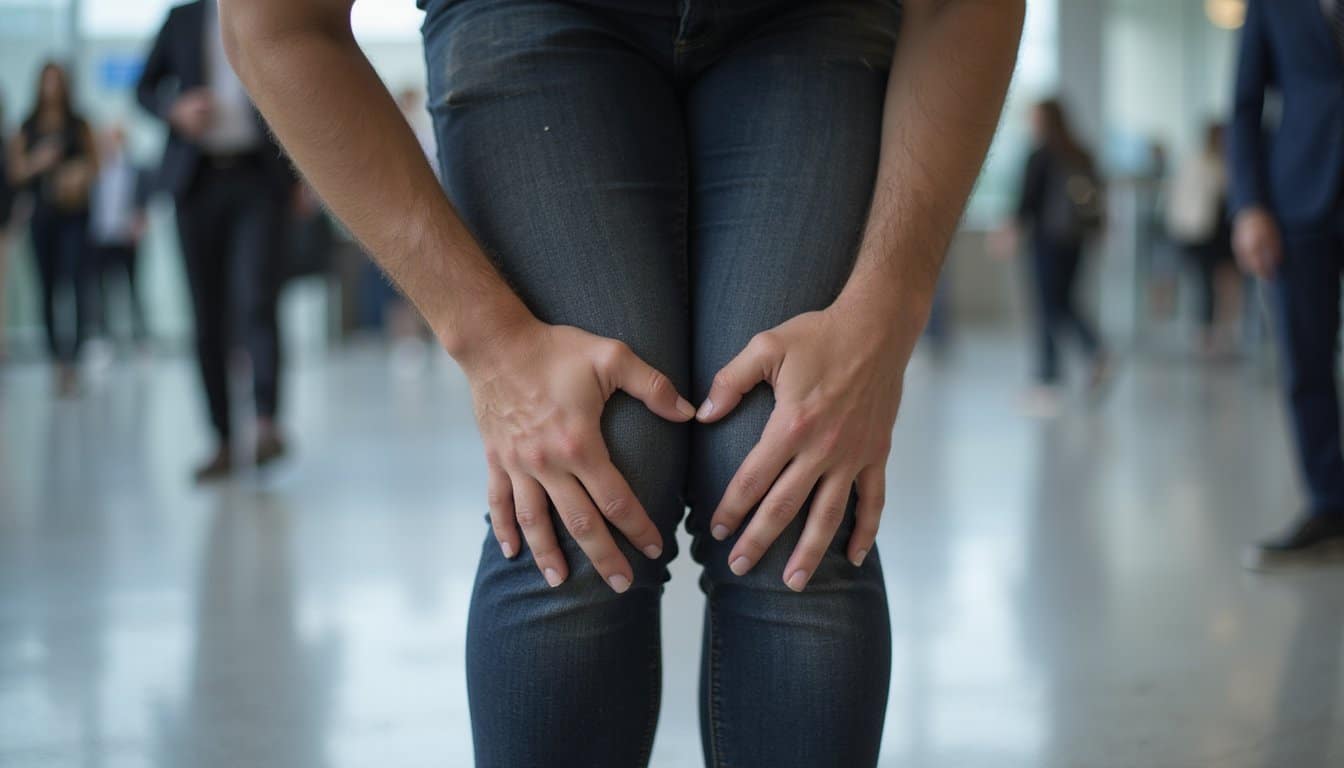
When you encounter the term “fent walk” in media coverage or public health discussions, you’re looking at street vernacular, not a clinically defined syndrome, that describes the distinctive motor impairment visible during public fentanyl intoxication. You’ll recognize non-clinical drug use patterns through specific visual indicators of intoxication: marked postural collapse where individuals bend sharply at the waist while standing, intermittent nodding with the head drooping toward the chest, and slow, shuffling gaits with wide-based stances. You may observe extended periods of motionless standing in awkward positions, bent at ninety degrees or half-kneeling on curbs, accompanied by diminished responsiveness to surroundings. These behaviors reflect fentanyl’s rapid onset and profound CNS depression, particularly when combined with other depressants like benzodiazepines or xylazine. The potency of fentanyl makes it particularly dangerous in non-medical settings, as respiratory depression can progress rapidly to fatal outcomes without immediate intervention. When xylazine is mixed with fentanyl, the combination significantly increases overdose risks and complicates emergency response, as naloxone may be less effective in reversing the effects of both substances.
The Physiologic Signs of Opioid Overdose and Respiratory Danger
The visual markers of fent walk, nodding, postural collapse, and diminished responsiveness, often signal only the beginning of opioid toxicity’s progression. You must recognize objective markers of hypoxia: cyanosis of lips and fingertips, pallor, cool clammy skin, and delayed capillary refill indicate severe oxygen deprivation. Assessment of respiratory status is critical. Bradypnea below 8 breaths per minute, shallow chest rise, irregular patterns, or audible gurgling demand immediate intervention. These signs precede respiratory arrest. Fentanyl may be added to other drugs without the user’s knowledge, making overdose risk particularly acute even with small exposures. If an overdose is suspected, call 9-1-1 right away and administer naloxone if available to temporarily reverse the overdose.
| Critical Sign | Indicator | Urgency |
|---|---|---|
| Respiratory Rate | <8 breaths/min | Imminent arrest |
| Skin Color | Blue/gray lips, nails | Severe hypoxemia |
| Responsiveness | No reaction to stimuli | Deep CNS depression |
Why Fentanyl Mixed With Sedatives Creates Greater Risk

Because fentanyl’s potency is amplified when mixed with sedatives, benzodiazepines, xylazine, gabapentinoids, or alcohol, the combination produces greater-than-additive CNS and respiratory depression. You face significant pharmacologic risk factors that narrow your safety margin considerably.
Fentanyl mixed with sedatives creates greater-than-additive respiratory depression, drastically narrowing your safety margin.
Key dangers you’ll encounter:
- Synergistic brainstem suppression reduces arousal and protective reflexes, pushing breathing from slow to critically compromised with minimal dose increases
- Unpredictable CNS depression creates variable onset, depth, and duration, making response trajectories difficult to anticipate
- Naloxone resistance occurs with non-opioid sedatives like xylazine, which naloxone cannot reverse, leaving respiratory depression unaddressed
DEA data show xylazine co-contamination in roughly 23% of fentanyl powder seized in 2022. This combination amplifies hypoxia risk, prolongs unconsciousness, and substantially elevates overdose fatality rates compared to single-agent exposure. When fentanyl is combined with benzodiazepines like midazolam in uncontrolled settings without trained personnel, the enhanced sedative effect creates dangerous conditions that lack the safety monitoring and protocols used in medical environments. Unlike medical settings where intranasal fentanyl administration follows precise dosing protocols and trained personnel provide continuous monitoring, street use of contaminated fentanyl offers no such safeguards.
The Rising Epidemic of Outdoor Overdose Deaths
Understanding fentanyl’s pharmacologic dangers in controlled settings reveals only part of the picture, you’re confronting a far broader public health crisis. Outdoor overdose deaths have surged dramatically, with over 105,000 Americans dying annually from drug overdoses. Fentanyl involvement in 69% of these deaths underscores the severity you’re witnessing in public spaces.
You’ll observe public intoxication incidents intensifying across communities, particularly in neighborhoods bearing the greatest burden. The Bronx experienced overdose death rates exceeding Manhattan’s by over 100%. Heroin misuse combined with illicit fentanyl exposure creates unpredictable potency, amplifying overdose risk in uncontrolled environments. Men are more than twice as likely as women to die from drug overdose in these vulnerable settings. Adults aged 35-44 accounted for 28% of fentanyl deaths in 2023, representing a significant portion of the epidemic’s toll. Black and Latino New Yorkers have experienced twice the overdose death rate compared to white counterparts, reflecting persistent racial inequities in the crisis.
Recent data shows encouraging declines, New York City recorded a 28% drop in opioid overdose deaths from 2023 to 2024. However, you’re still losing over 217 Americans daily to opioids, demanding continued vigilance and intervention strategies.
How Bystanders Can Recognize and Respond to Opioid Sedation

While opioid overdoses escalate across public spaces, your ability to recognize early signs of sedation and respond promptly can mean the difference between recovery and death. Public intoxication awareness forms the foundation of effective intervention.
Key recognition indicators include:
- Heavy nodding, pinpoint pupils, and slurred speech indicating active opioid effects
- Shallow breathing, unresponsiveness to stimuli, and bluish lips signaling overdose progression
- Limp body posture and clammy skin reflecting severe respiratory depression
When you identify these signs, immediately call 911 and provide specific details: location, responsiveness level, and breathing status. If naloxone’s available, administer per product instructions. Begin rescue breathing at one breath every 5, 6 seconds if breathing’s absent. Remember that polysubstance use may complicate overdose presentation, so continued sedation after naloxone administration does not necessarily indicate treatment failure.
Community education programs equip bystanders with life-saving knowledge. Your intervention, combined with professional emergency response, directly improves survival outcomes in these critical moments.
Witnessing someone you care about, or even a stranger, suddenly become unresponsive, glassy-eyed, or frozen mid-step in a public place is an image that stays with you, and if you recognized it for what it was, you already understand how urgent this crisis has become. At medical detox in tampa fl, we understand how frightening it is to watch opioid sedation unfold in real time and how helpless it can feel when the person struggling is someone close to you. We connect you with reputable opioid detox programs and treatment centers staffed by professionals who understand the devastating grip fentanyl has taken on communities and what real recovery from it requires. What you witnessed was not something to look away from, and neither is getting help. Call 740-562-7398 today and let us help you take that first step toward healing.
Frequently Asked Questions
Can Naloxone Reverse Sedation Caused by Medetomidine-Adulterated Fentanyl?
Naloxone can’t fully reverse medetomidine’s sedation. When you administer naloxone to someone with medetomidine-adulterated fentanyl, it’ll reverse the fentanyl’s respiratory effects and some opioid-induced sedation, but medetomidine’s onset and prolonged duration of action persist independently. You’ll observe incomplete responsiveness, the person may breathe adequately yet remain deeply sedated. That’s your clinical clue to shift focus toward airway support, ventilation assistance, and hemodynamic management rather than escalating naloxone doses.
What Legal Protections Exist for Bystanders Administering Naloxone in Public?
You’re protected in 49 states plus D.C. when you administer naloxone in good faith during a suspected opioid overdose. Thirty-seven jurisdictions offer both civil and criminal immunity. Many states’ Good Samaritan laws shield you from drug possession charges when seeking emergency help. Community overdose prevention programs provide training that strengthens your legal standing. You’ll find liability protections typically cover administration, distribution, and carrying of naloxone in public settings, removing legal barriers to emergency intervention.
How Do Overdose Presentations Differ Between Fentanyl Alone and Fentanyl-Xylazine Mixtures?
You’ll observe distinct fentanyl-xylazine toxicity profiles compared to fentanyl alone. With fentanyl, xylazine mixtures, you’re likely seeing profound sedation mimicking deep sleep rather than rapid respiratory collapse. You’ll notice skin ulcerations more frequently, slowed heart rates, and persistent sedation despite naloxone administration. Dosage threshold comparisons reveal xylazine compounds CNS depression through non-opioid mechanisms, creating overlapping depressant effects that naloxone can’t reverse, prolonging unconsciousness even after opioid antagonism succeeds.
Which Communities or Neighborhoods Experience the Highest Rates of Public Overdoses?
You’ll find the highest public overdose rates in urban cores of West Coast and Mountain West cities, where you’re seeing 28.7 deaths per 100,000. You’re observing concentrated clusters in downtown areas with SRO hotels, shelters, and transit hubs. Particularly, you’re witnessing disproportionate fentanyl-related deaths among Black Americans in historically marginalized neighborhoods. Socioeconomic factors, eviction rates, poverty, limited healthcare access, drive these demographic trends. Washington, D.C., and West Virginia show the nation’s highest overdose burdens.
What Training Programs Teach Transit Workers and Business Owners Overdose Recognition?
You’ll find overdose recognition training through NSC’s free eLearning modules, local health departments, and Get Naloxone Now platforms. These employee training programs teach you hands-only CPR, naloxone administration, and overdose identification. Transit agencies and businesses implement workplace policies on overdose response that include staff training, onsite naloxone access, and clear protocols. APTA guidance recommends extensive training before deploying naloxone to frontline workers in high-risk environments.