


When you drink alcohol, it initially calms your anxiety by elevating GABA and dopamine in your brain. However, this relief is deceptive, as alcohol levels drop, you experience heightened “rebound anxiety” that’s often worse than before. Your brain adapts to repeated exposure through neurological changes, making you more susceptible to both anxiety and alcohol dependence. This creates a self-perpetuating cycle that becomes increasingly difficult to break without understanding the underlying mechanisms at play. When you drink alcohol, it can initially calm anxiety by increasing GABA activity and boosting dopamine release in the brain. This relief is deceptive, however, because as alcohol levels fall, many people experience heightened “rebound anxiety” that feels worse than their original symptoms. With repeated exposure, the brain adapts through lasting neurological changes, increasing vulnerability to both anxiety disorders and alcohol dependence. This self-perpetuating loop becomes progressively harder to interrupt, which is why effective alcohol anxiety treatment must address both the neurobiological mechanisms and the behavioral patterns sustaining the cycle.
The False Promise of Immediate Relief
Many people reach for alcohol as their initial line of defense against anxiety, drawn to its rapid calming effects and the almost immediate sense of relief it provides. When you consume alcohol, your brain releases GABA in the amygdala, creating a temporary feeling of euphoria and calmness within minutes. This quick response can give you a false sense of control over your emotional regulation challenges. Unfortunately, this can lead to a detrimental cycle where alcohol worsens anxiety over time. Studies show that 50% of individuals with any type of anxiety disorder also struggle with alcohol use disorder. What you might not realize is that this perceived effectiveness is masking deeper issues. While alcohol triggers short-term sedative effects and social ease, it’s simultaneously preventing you from developing genuine coping mechanisms. The immediate relief you experience reinforces alcohol’s role as an anxiety management tool, even though it’s actually disrupting your brain’s natural ability to handle stress and regulate emotions effectively.
How Brain Chemistry Links Anxiety and Alcohol
Behind alcohol’s temporary relief lies a complex web of neurochemical interactions that create and perpetuate anxiety. When you drink, alcohol immediately increases GABA activity, your brain’s primary inhibitory neurotransmitter, while triggering a flood of dopamine in your pleasure centers. However, this artificial manipulation creates a dangerous neurotransmitter imbalance. Behind alcohol’s temporary relief lies a complex web of neurochemical interactions that create and perpetuate anxiety. When you drink, alcohol immediately increases GABA activity, the brain’s primary inhibitory neurotransmitter, while also triggering a surge of dopamine in reward pathways. However, this artificial manipulation disrupts normal neurotransmitter balance, which helps explain how alcohol make anxiety worse over time, especially as the brain rebounds with heightened excitatory activity once the effects wear off. Behind alcohol’s temporary relief lies a complex web of neurochemical interactions that create and perpetuate anxiety. When you drink, alcohol immediately increases GABA activity, the brain’s primary inhibitory neurotransmitter, while also triggering a surge of dopamine in reward pathways. However, this artificial manipulation disrupts normal neurotransmitter balance, which helps explain how alcohol can worsen anxiety over time, especially as the brain rebounds with heightened excitatory activity once the effects wear off. Because these processes are biologically intertwined, selecting appropriate medication for anxiety and alcohol-related symptoms often requires an integrated clinical approach that addresses both neurotransmitter dysregulation and drinking patterns simultaneously.
Your brain’s emotional regulation impairment becomes evident as alcohol levels drop, leading to rebound anxiety that’s often worse than your initial state. The amygdala, your emotion-processing center, becomes particularly sensitive to these changes. People with existing mental health conditions experience severe hangxiety symptoms. With repeated exposure, your brain undergoes lasting epigenetic modifications, especially in the Arc gene region, making you more susceptible to both anxiety and alcohol dependence. This cycle is particularly damaging during adolescence, where binge drinking behavior can permanently alter brain chemistry. This negative reinforcement perpetuates as people drink to alleviate their withdrawal symptoms. This creates a self-reinforcing cycle where each drink further compromises your natural ability to manage anxiety.
Understanding the Stress Hormone Connection
The stress hormone system, known as the HPA axis, plays a central role in alcohol’s paradoxical effects on anxiety. When you drink, alcohol triggers the release of stress hormones, particularly cortisol, through a cascade of chemical signals starting in your brain’s hypothalamus. While alcohol initially calms you down, it’s simultaneously activating your body’s stress response. Chronic stress symptoms like headaches and exhaustion often emerge as this cycle continues. Prefrontal cortex impairment develops with ongoing alcohol use, weakening your ability to regulate emotions and control drinking behavior.
Your individual response depends heavily on genetic factors, especially genes affecting alcohol metabolism. If you have a family history of alcoholism, you’ll likely experience different cortisol threshold effects than others. Remarkably, blood alcohol levels must typically reach 0.1 percent to activate the stress response, though some genetic variations can trigger heightened cortisol at lower levels. This stress hormone surge disrupts your sleep patterns and creates sustained anxiety states that can persist for days after drinking. With regular drinking, you may develop tolerance to alcohol’s effects on the HPA axis, potentially worsening the cycle of anxiety and alcohol use.
Breaking Down the Three-Stage Dependency Loop
Understanding alcohol dependency requires recognizing its progression through three distinct stages that create a self-perpetuating cycle. You’ll notice how initial self-medication evolves into tolerance buildup, leading to withdrawal symptoms that drive continued use. During detoxification struggles, your body’s adaptation to alcohol makes stopping increasingly difficult. Experiencing extreme shame and guilt often leads individuals to further isolate themselves and increase their drinking habits. Many people begin in a pre-alcoholic phase where they experiment with drinking to cope with everyday stressors. The development of intense cravings creates uncontrollable urges that further cement addictive patterns.
| Stage | Primary Features | Key Challenges |
|---|---|---|
| Initial Use | Self-medication for stress | Social cue recognition |
| Escalation | Tolerance development | Secret drinking patterns |
| Withdrawal | Physical dependency | Anxiety amplification |
Your social cue recognition becomes impaired as drinking patterns shift from occasional to regular use. You’ll experience increased anxiety during withdrawal periods, creating a powerful drive to resume drinking. This three-stage loop reinforces itself through neurological changes and behavioral patterns, making professional intervention often necessary for successful recovery.
The Science Behind Escalating Symptoms
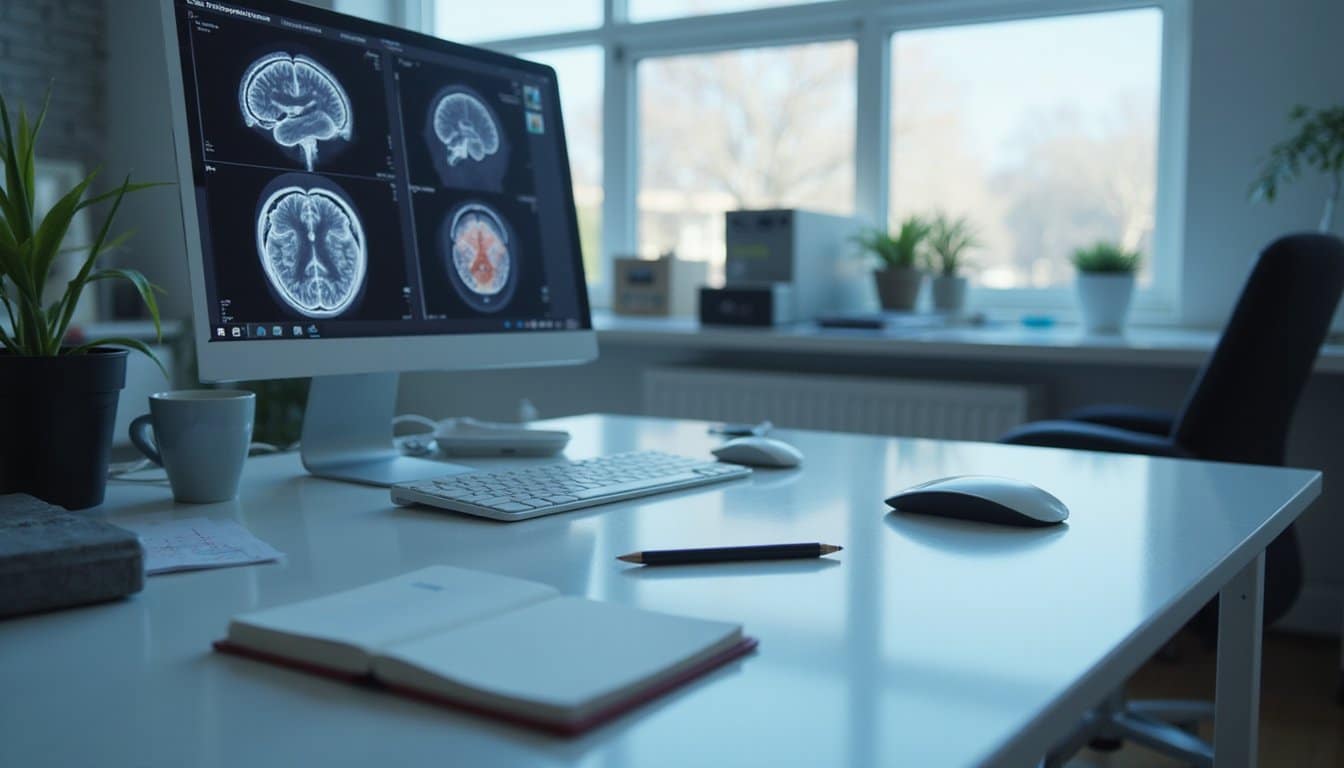
Scientifically exploring how anxiety and alcohol interact reveals complex neurological mechanisms centered in the amygdala, your brain’s emotional control center. When you drink, alcohol initially suppresses your amygdala’s activity, temporarily reducing anxiety. However, this leads to neural pathway impairments and dopamine neurotransmitter imbalances that worsen over time. Executive function impairments make it increasingly difficult to resist the urge to drink when anxiety strikes.
Your brain adapts to chronic alcohol exposure through neuroadaptations in the central amygdala, similar to changes caused by chronic stress. This triggers a cascade of chemical disruptions, including increased stress hormones like corticotropin releasing factor and decreased feel-good neurotransmitters. You’ll experience heightened anxiety during withdrawal as your reward circuits diminish while stress circuits activate. Research shows that up to 50% of patients seeking alcohol treatment also meet the diagnostic criteria for anxiety disorders. This creates a self-perpetuating cycle where drinking temporarily relieves anxiety but conclusive intensifies both conditions through lasting neurological alterations. This cycle is particularly dangerous for teenagers since adolescent brain development makes them more susceptible to both alcohol dependence and anxiety disorders.
You drink to quiet the anxiety and then the anxiety comes back stronger, so you drink again, and somewhere in the middle of that cycle you realize you are no longer sure which one started it all. At outpatient drug rehab tampa fl, we understand how exhausting and hopeless it feels to be trapped inside the loop that alcohol and anxiety create together, where every attempt to feel better only tightens the grip that both of them have on your life. We connect you with verified alcohol treatment centers and recovery resources, because breaking the cycle between alcohol and anxiety is not something willpower alone can accomplish and you deserve real support from people who truly understand the complexity of what you are living through. The right help is already out there waiting for you. Call 740-562-7398 today and let us help you take that first step toward healing.
Frequently Asked Questions
How Long Does It Take for Alcohol-Induced Anxiety to Subside Completely?
Your alcohol-induced anxiety can take anywhere from several weeks to months to fully resolve. While acute alcohol withdrawal symptoms typically peak within 72 hours, anxiety may persist through post-acute withdrawal. You’ll need a prolonged abstinence period for your brain chemistry to rebalance. The exact timeline depends on your drinking history, comprehensive health, and genetic factors. Most people notice a significant improvement in anxiety levels within 3-6 months of sobriety.
Can Certain Types of Alcohol Trigger Worse Anxiety Than Others?
Yes, spirits like vodka, gin, and rum typically trigger more severe anxiety responses than other alcoholic beverages. Research shows that wine consumption and beer consumption are more likely to elicit positive emotional responses with fewer anxiety-inducing effects. You’ll find that spirits are strongly associated with negative emotional states and increased aggression. This difference may be due to the concentration and rapid absorption of spirits compared to fermented beverages like wine and beer.
What Role Do Genetics Play in Alcohol-Anxiety Comorbidity?
Your genetic predisposition plays a significant role in alcohol-anxiety comorbidity, with research showing that heredity accounts for roughly 50-60% of your risk for developing both conditions together. You’re more likely to experience this dual diagnosis if you have family members with either condition. While environmental factors contribute, studies reveal shared genetic risk factors between anxiety and alcohol use disorders, creating a biological vulnerability that can influence how these conditions interact and develop.
Does Anxiety Medication Interact Differently With Alcohol Than Without Pre-Existing Anxiety?
If you have pre-existing anxiety, you’ll likely experience more severe interactions between alcohol and anxiety medications. Your heightened stress response can intensify withdrawal effects when mixing these substances, and you may require careful dosage considerations to prevent dangerous CNS depression. Your anxiety symptoms could worsen profoundly, as alcohol disrupts your medication’s therapeutic effects more substantially than in those without underlying anxiety disorders.
At What Age Does the Alcohol-Anxiety Cycle Typically Begin Developing?
The alcohol-anxiety cycle typically begins developing around childhood, during critical adolescent development stages. You’ll find this period represents a key threshold where risky drinking behaviors emerge alongside natural increases in anxiety sensitivity. If you start drinking before adolescence, you’re at substantially higher risk for developing both alcohol dependence and anxiety disorders. Even delaying onset until late teens still carries a 28% chance of developing alcohol dependence.