



You can effectively manage alcohol-related anxiety through ten evidence-based approaches: medically-supervised detoxification, prescription medications like benzodiazepines or SSRIs, cognitive behavioral therapy, mindfulness techniques, physical exercise, professional counseling, support group participation, lifestyle modifications, nutritional improvements, and stress management practices. Research shows that 20-40% of people with anxiety disorders struggle with alcohol use, making an all-encompassing treatment approach essential. Understanding these proven interventions represents your initial step in the direction of lasting recovery. You can effectively manage alcohol-related anxiety through ten evidence-based approaches: medically supervised detoxification, prescription options such as benzodiazepines or SSRIs, cognitive behavioral therapy, mindfulness techniques, regular physical exercise, professional counseling, participation in support groups, targeted lifestyle modifications, nutritional improvements, and structured stress-management practices. In clinical settings, selecting the right medication for alcohol withdrawal and anxiety depends on symptom severity, timing of withdrawal, and individual risk factors, which is why medical oversight is essential. Research indicates that 20, 40% of people with anxiety disorders also struggle with alcohol use, making a comprehensive, integrated treatment strategy critical. Understanding and combining these proven interventions represents an important first step toward sustained recovery and long-term mental stability.
Understanding the Link Between Alcohol and Anxiety

The relationship between alcohol and anxiety represents a complex bidirectional interaction where each condition profoundly influences the other. If you’re experiencing alcohol fueled panic, you’ll find that this isn’t coincidental, research confirms that drinking increases your risk of developing anxiety disorders, while anxiety disorders can lead to problematic drinking behaviors. Research shows that 20% to 40% of people with anxiety disorders also struggle with alcohol use disorders. Studies have found that up to 50% of individuals in alcohol treatment also meet the criteria for anxiety disorders.
Your brain’s chemical balance undergoes significant disruption when you consume alcohol. While you might initially feel relaxed due to alcohol’s depressant effects, this temporary relief masks a developing cycle where each condition reinforces the other. This makes dual diagnosis treatment essential for effective recovery. Understanding this connection is vital: alcohol alters your brain’s neurotransmitters, affecting your thoughts, feelings, and behaviors, while simultaneously reducing your ability to process information and assess situations clearly. The brain’s response to alcohol involves GABA receptors, which initially promote feelings of calmness but can lead to increased anxiety when the effects wear off.
Medical Treatment Options and Medications
During alcohol detoxification, you’ll likely receive benzodiazepines under medical supervision to safely manage withdrawal symptoms and prevent severe complications like seizures. Your doctor may prescribe FDA-approved medications such as naltrexone, disulfiram, or acamprosate to support your ongoing recovery from alcohol use disorder. For persistent anxiety symptoms, selective serotonin reuptake inhibitors (SSRIs) or other anti-anxiety medications may be integrated into your treatment plan while addressing both conditions simultaneously. Healthcare providers often recommend residential treatment programs for patients with severe alcohol dependency requiring intensive care. Research shows that treating anxiety and alcohol use disorders together is crucial since concurrent disorders typically lead to more severe symptoms and longer recovery times.
Medication During Detox Phase
Medical management of alcohol detoxification centers primarily on benzodiazepines as the initial treatment, with several auxiliary medications available for thorough symptom control. You’ll receive either oral or IV benzodiazepines, with longer-acting options like diazepam or lorazepam preferred for severe withdrawal symptoms. Clinical and laboratory evidence overwhelmingly supports the effectiveness of benzodiazepines in managing alcohol withdrawal. Withdrawal symptoms typically begin within 6-24 hours after stopping alcohol consumption.
Research indicates that chronic alcohol exposure leads to decreased GABA-A response, making benzodiazepines particularly effective at addressing the resulting brain hyperexcitability. Your healthcare provider will use the CIWA-Ar scale to monitor your withdrawal symptoms and adjust medication dosing accordingly. You’ll likely follow a symptom-triggered regimen rather than a fixed-dose schedule, as this approach typically requires less total medication and shorter treatment period. For supplementary symptom management, you may receive adjunct medications such as haloperidol, beta blockers, or anti-epileptics. If you’re experiencing severe withdrawal, you’ll need hospital-based care, possibly in an ICU setting, where you’ll receive continuous monitoring to prevent life-threatening complications.
Anti-Anxiety Drug Options
Several evidence-based medication options exist for treating alcohol-related anxiety, with each targeting different neurological pathways and symptoms. Pregabalin (150-450mg daily) demonstrates effectiveness comparable to naltrexone for relapse prevention, with superior results in reducing specific anxiety symptoms during a 16-week treatment duration. You’ll find SSRIs like paroxetine and sertraline effective for specific anxiety subtypes, though they require careful monitoring if you’re actively drinking. Acamprosate restores balance in brain chemistry, making it another viable option for managing anxiety during recovery. Early anxiety treatment has been shown to significantly reduce the risk of alcohol abuse. Studies show that less than 10% of AUD patients receive medication-based treatment despite its proven benefits.
For dual diagnosis treatment, buspirone and gabapentin offer viable alternatives when you can’t tolerate SSRIs or benzodiazepines. Naltrexone remains a cornerstone option, available in both oral and injectable forms, with proven success in reducing alcohol consumption and associated anxiety symptoms. Your healthcare provider will consider gender-specific factors and safety profiles when determining the most appropriate relapse prevention approaches for your situation.
The Power of Professional Counseling

Professional counseling stands as a proven cornerstone in treating alcohol-related anxiety, delivering outcomes comparable to medication-based approaches. Studies validate professional counseling efficacy, particularly through Cognitive Behavioral Therapy (CBT), which helps you identify and modify destructive thought patterns driving both alcohol use and anxiety. A comprehensive treatment approach ensures the best chance of lasting recovery from alcohol use disorder. Through counseling, you’ll develop strong support systems to maintain long-term sobriety. College counseling centers have reported increased alcohol abuse among their student clients in recent years.
The emotional support benefits extend beyond traditional therapy, as counselors guide you through shame and guilt while teaching healthier coping mechanisms. You’ll gain essential tools to manage triggers and stress without turning to alcohol. Working with specialists trained in co-occurring disorders guarantees you receive all-encompassing care that addresses both conditions simultaneously.
For ideal results, you can combine individual therapy with group sessions, allowing you to share experiences and learn from others facing similar challenges while developing pivotal recovery skills.
Safe Detoxification Strategies
While commencing on alcohol detoxification demands careful medical oversight, implementing safe withdrawal strategies considerably reduces health risks and improves recovery outcomes. You’ll need a thorough medical assessment, including blood tests and a detailed evaluation of your drinking patterns, to determine the most appropriate detox approach. Your healthcare provider may prescribe benzodiazepines, carefully selecting either long-acting or short-acting options based on your liver function.
A gradual tapering method, combined with proper nutritional support and vitamin supplementation, forms the cornerstone of successful detox. For relapse prevention, you’ll require 24-hour monitoring by professionals or trusted individuals who can recognize emergency symptoms. Your aftercare planning should include clear protocols for seeking immediate medical attention, especially if you experience severe withdrawal symptoms like seizures or delirium tremens.
Natural Remedies and Lifestyle Changes
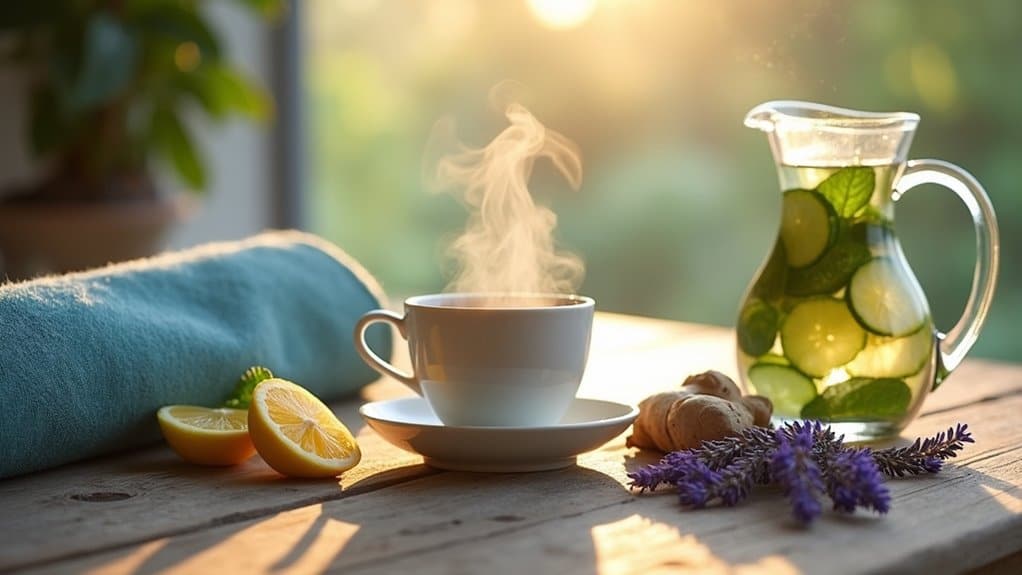
You’ll find significant relief from alcohol-related anxiety through herbal teas containing adaptogenic herbs like ashwagandha and passionflower, which work synergistically to reduce cortisol levels and calm your nervous system. Regular exercise, particularly yoga and aerobic activities, helps stabilize neurotransmitter function while reducing stress hormones that contribute to anxiety during alcohol withdrawal. Implementing mindful breathing techniques activates your parasympathetic nervous system, providing immediate anxiety relief and strengthening your resilience against alcohol cravings.
Herbal Tea Benefits
Natural herbal teas offer significant therapeutic benefits for individuals experiencing alcohol-related anxiety. You’ll find particular relief through herbal tea combinations like chamomile, lemon balm, and passionflower, which create potent anxiety relief blends that target GABA receptor activity and restore neurotransmitter balance.
For ideal results, steep your tea for 4-5 minutes using water at 210-215°F, using 1-2 teaspoons per 8 oz of water. You’ll enhance therapeutic benefits by incorporating these teas into your daily routine, particularly during morning and evening hours. Chamomile and lavender teas can improve your sleep patterns, while peppermint tea addresses anxiety-related digestive issues. Remember to use these herbal remedies as a complement to your prescribed treatment plan, not as a replacement for professional medical care.
Exercise For Mental Health
Regular physical exercise stands as one of the most effective natural interventions for alcohol-related anxiety, producing powerful neurochemical effects that rival prescription medications. When you engage in consistent physical activity, your body naturally secretes endorphins, dopamine, and serotonin, compounds that regulate mood, sleep, and stress response.
Research shows that combining meditative movement practices with the benefits of nature augments these positive effects. You’ll experience reduced cortisol levels, improved hypothalamic-pituitary-adrenal axis function, and bolstered emotional regulation. Studies indicate that cardiovascular exercise, yoga, and cycling demonstrate the strongest links to mental health improvements, with participants reporting 1.5 fewer days of poor mental health per month. Aim for 150 minutes of moderate-intensity aerobic activity weekly to optimize your recovery from alcohol-related anxiety and fortify your overall psychological resilience.
Mindful Breathing Techniques
While traditional anxiety treatments often rely on medication, mindfulness-based breathing techniques have emerged as a powerful evidence-based intervention for alcohol-related anxiety. Clinical studies show that practicing breath counting for 10-15 minutes twice daily can considerably reduce stress levels, cortisol production, and alcohol cravings.
You’ll find that these techniques, which combine spiritual focus with emotion regulation, can help you recover from stress-induced alcohol-seeking behaviors within minutes of implementation. The process involves switching your attention from external triggers to internal awareness through structured breathing exercises. Research confirms that this ultra-brief 6-minute training method effectively mitigates negative emotional responses that typically lead to alcohol consumption. By incorporating these mindfulness practices into your daily routine, you’ll develop enhanced resilience against drinking triggers while improving your general psychological functioning.
Building a Strong Support Network
Establishing a sturdy support network stands as an essential cornerstone in managing alcohol-related anxiety and maintaining long-term recovery. Professional mental health consultation forms the foundation, with therapy providing vital insights into underlying causes while monitoring your drinking patterns.
You’ll benefit from engaging with alcohol support communities, including peer-led groups like AA, which shows a 35% lower relapse risk. Online peer support forums and smartphone-based platforms offer 24/7 accessibility, complementing traditional support methods. Consider specialized services such as Al-Anon for family support or LGBT Foundation for customized assistance. These resources work synergistically, professional healthcare providers offer clinical guidance, while peer groups provide experiential support. Technology-based solutions bridge gaps, ensuring you’ve got continuous access to help when needed.
Mindfulness and Stress Management Techniques
When you experience alcohol-related anxiety, deep breathing exercises can effectively ground you in the present moment and interrupt spiraling thoughts. You’ll find that regulated breathing patterns naturally lower your heart rate and blood pressure while activating your body’s relaxation response. By practicing mindful breathing techniques for just a few minutes daily, you can develop a powerful tool for managing acute anxiety symptoms without relying on alcohol.
Breathing For Inner Calm
Research shows that structured breathing techniques offer powerful tools for managing alcohol-related anxiety and reducing drinking behaviors. Through diaphragmatic breathing exercises like Sudarshan Kriya, you’ll find your alcohol consumption patterns can decrease dramatically, from >180 mL to <60 mL per sitting within six months. These practices work by finding your resonant frequency and restoring autonomic nervous system balance.
You can implement specific patterns like the 4-7-8 technique or box breathing to activate your body’s natural calming response. These methods trigger increased vagal tone while decreasing sympathetic discharge, effectively reducing withdrawal symptoms and cravings. Clinical studies demonstrate that just six minutes of focused breath counting can accelerate recovery from stress-induced alcohol-seeking behaviors and improve your emotional resilience. Regular practice boosts long-term recovery outcomes and supports sustained sobriety.
Present-Moment Anxiety Relief
Mindfulness-based interventions offer four powerful approaches to managing alcohol-related anxiety: meditation, MBCT techniques, urge surfing, and mindful activities. Through guided meditation sessions, you’ll learn to observe anxious thoughts without attachment, helping reduce stress and prevent relapse triggers. Mindfulness-based interventions offer four powerful approaches to managing alcohol-related anxiety: meditation, mindfulness-based cognitive therapy (MBCT) techniques, urge surfing, and mindful daily activities. Through guided meditation sessions, you learn to observe anxious thoughts without attachment, which helps regulate stress responses and reduce relapse triggers. As part of a broader alcohol withdrawal anxiety treatment plan, these practices can complement medical care by improving emotional awareness and resilience during recovery.
MBCT’s SOBER technique (Stop, Observe, Breathe, Expand, Respond) breaks automatic responses that lead to substance use. When combined with sensory awareness practice, you’ll develop skills to recognize negative emotions early and separate yourself from overwhelming feelings.
You can manage cravings through urge surfing, viewing them as waves that eventually subside. This approach, coupled with deep breathing exercises, helps you stay grounded in the present moment. Research shows these techniques effectively reduce anxiety, depression, and stress scores while improving cognitive function and lowering relapse risk.
Creating an Effective Recovery Plan
Developing an effective recovery plan requires a structured, multi-faceted approach that addresses both alcohol dependence and anxiety simultaneously.
You’ll need to establish clear, measurable objectives through goal tracking and action plan development. Focus on implementing social support systems while exploring alternative activities that don’t involve alcohol. Your recovery strategy should combine professional treatment methods with healthy coping mechanisms, creating a holistic framework for lasting change.
Consider working with mental health professionals to design personalized treatment protocols that align with your specific needs. You’ll want to integrate both short-term and long-term objectives into your plan, ensuring they’re realistic and achievable. Remember to incorporate routine lifestyle modifications, including consistent sleep patterns and structured meal times, as these fundamental changes support your recovery path.
Physical Exercise and Wellness Approaches
Exercise provides a powerful neurobiological intervention for alcohol-related anxiety through multiple mechanisms. When you engage in just 12 minutes of moderate aerobic activity, you’ll experience immediate reductions in alcohol cravings and anxiety symptoms by activating your brain’s natural reward pathways.
The neurochemical effects of exercise offer a healthy alternative to alcohol’s impact on your brain. You’ll trigger endogenous opioid and dopaminergic systems that create natural “high” sensations, supporting positive habit formation during recovery. Regular physical activity at 40-60% of your heart rate reserve can decrease alcohol urges by nearly 20% during sessions.
For ideal results, incorporate structured exercise into your recovery plan. Research shows that 12-week moderate-intensity programs can greatly reduce drinking volume while improving mood, anxiety levels, and general stress management capabilities.
Long-Term Maintenance Strategies
Successful long-term recovery from alcohol-related anxiety requires an in-depth maintenance strategy that integrates multiple evidence-based approaches. You’ll need to establish a thorough framework that combines structured activities planning with cognitive behavioral techniques to maintain your progress and prevent relapse.
To sustain your recovery long-term:
- Monitor your alcohol consumption and anxiety levels daily using tracking tools to identify trigger patterns
- Practice mindfulness exercises and meditation consistently as part of your structured routine
- Engage in regular therapy sessions to reinforce cognitive behavioral techniques and coping strategies
- Follow medication protocols precisely while maintaining connections with support networks
Keep in mind that brain chemistry typically improves within weeks of reducing alcohol intake, but sustained recovery requires ongoing commitment to these evidence-based maintenance strategies.
Living with anxiety that alcohol helped create and now refuses to let go of is an exhausting cycle that quietly chips away at everything you are trying to hold together every single day. At outpatient drug rehab tampa fl, we understand how desperately you need real solutions when alcohol-related anxiety has taken over your mind and made even the simplest moments feel unbearable and out of reach. We connect you with dedicated alcohol treatment centers and recovery resources, because finding what actually works to quiet that anxiety starts with getting the right people in your corner who understand exactly what your mind and body have been going through. The right help is already out there waiting for you. Call 740-562-7398 today and let us help you take that first step toward healing.
Frequently Asked Questions
How Long Does Alcohol-Induced Anxiety Typically Last After Completely Stopping Drinking?
You’ll experience acute anxiety for 24-72 hours after your initial drink, with symptoms typically resolving within the first week during detoxification timeline. However, if you develop Post-Acute Withdrawal Syndrome (PAWS), anxiety can persist for months. Your withdrawal symptom management plan should account for both acute and potential long-term anxiety. Sleep improvements beginning in week one will help reduce your anxiety, but individual factors like addiction severity affect recovery duration.
Can Certain Foods or Supplements Help Reduce Alcohol Cravings Naturally?
Yes, you can reduce alcohol cravings through specific nutrients. Antioxidant-rich foods like dark berries and leafy greens help repair alcohol-related damage, while amino acid supplements, particularly D-phenylalanine and N-acetylcysteine, can stabilize brain chemistry. You’ll benefit from B-vitamin rich foods like bananas and avocados, which support neurotransmitter production. Markedly, omega-3 sources like salmon and walnuts reduce inflammation, while a ketogenic diet may decrease alcohol cravings drastically.
Are There Genetic Factors That Influence Alcohol-Related Anxiety Treatment Success?
Yes, your inherited disposition greatly influences how well you’ll respond to alcohol-related anxiety treatments. Research shows that genetic factors account for 50-60% of treatment outcomes. Your genes affect how you metabolize alcohol, process stress, and respond to medications. These genetic variations interact with environmental triggers to determine treatment success. Understanding your genetic profile can help healthcare providers customize interventions, particularly with medications like naltrexone or acamprosate, for ideal results.
What Percentage of People Experience Permanent Anxiety Relief After Quitting Alcohol?
You’ll find that approximately 60% of people achieve lasting anxiety relief after quitting alcohol, though your individual results may vary based on several factors. Through personalized therapy approaches and lifestyle management strategies, you can greatly increase your chances of permanent recovery. Your success depends on addressing underlying anxiety triggers, establishing healthy coping mechanisms, and allowing your brain’s neurotransmitters to naturally rebalance. Early intervention and consistent treatment adherence will optimize your outcomes.
How Do Hormonal Changes Affect Alcohol-Anxiety Treatment Outcomes in Men Versus Women?
You’ll find that hormonal fluctuations profoundly impact treatment outcomes differently between genders. In women, estrogen levels directly affect alcohol metabolism and anxiety sensitivity, particularly during menstruation and menopause. Men’s more stable hormonal profiles lead to more predictable treatment responses. That’s why gender-specific interventions are essential; women often need adjustable treatment timelines and dosages to account for hormonal variations, while men can typically follow more standardized protocols.