







If stimulants calm you down, it’s likely because they’re boosting dopamine and norepinephrine signaling in your prefrontal cortex, strengthening the circuits that govern attention and self-control, rather than sedating you. These neurotransmitters regulate attention, impulse control, and self-regulation. By blocking reuptake, stimulants raise their availability, strengthening underactive circuits and improving executive control. But feeling calm doesn’t confirm ADHD. Stimulants can improve focus in people with and without ADHD. That’s why self-diagnosis is risky, and there’s more you’ll want to understand before drawing conclusions.
Key Takeaways
- Stimulants like Adderall increase dopamine and norepinephrine, correcting deficiencies in the prefrontal cortex rather than causing overstimulation.
- These neurotransmitters govern attention, impulse control, and self-regulation, so boosting them strengthens underactive regulatory circuits instead of sedating you.
- The calming effect isn’t truly paradoxical because stimulation targets the very systems responsible for focus and self-control.
- Feeling calm reflects pharmacology, not diagnosis, since stimulants improve focus and reduce restlessness in nearly everyone, not just people with ADHD.
- Self-diagnosing or using non-prescribed stimulants is risky, potentially masking anxiety, depression, or sleep issues while raising cardiovascular and dependency concerns.
Why do stimulants like Adderall calm some people down
Stimulants like Adderall calm some people down because they correct a neurochemical deficiency rather than overstimulate the brain. If you have ADHD, your prefrontal cortex likely functions with insufficient dopamine and norepinephrine, the neurotransmitters responsible for attention, impulse control, and self-regulation. When you take a stimulant like Adderall, it increases the availability of these chemicals in your synapses, correcting the deficiency rather than overstimulating your system. This correction lets your prefrontal cortex regulate behavior more effectively, so you experience reduced hyperactivity, fewer impulsive urges, and improved focus. What feels like sedation isn’t true sedation at all. It’s your brain finally achieving the neurochemical balance it needs to function properly.
How stimulants affect dopamine and focus in the ADHD brain
Stimulants target the dopamine transporter and norepinephrine transporter, blocking the reuptake of these neurotransmitters and increasing their concentration in the synaptic cleft. In ADHD, dopamine signaling in the prefrontal cortex is thought to be underactive; stimulants raise dopamine and norepinephrine levels, which can strengthen these underactive circuits. By elevating extracellular dopamine and norepinephrine, the stimulant corrects this deficiency, restoring ideal signaling to underactive neural circuits.
This correction directly enhances your capacity to focus. When prefrontal dopamine reaches functional levels, you filter distractions more effectively, sustain attention, and regulate behavioral responses. You’re not experiencing sedation; you’re achieving neurochemical equilibrium. The calm you feel reflects a brain that’s finally operating within its intended parameters, allowing improved executive function and reduced hyperactivity.
Why a paradoxical calming effect isn’t really paradoxical
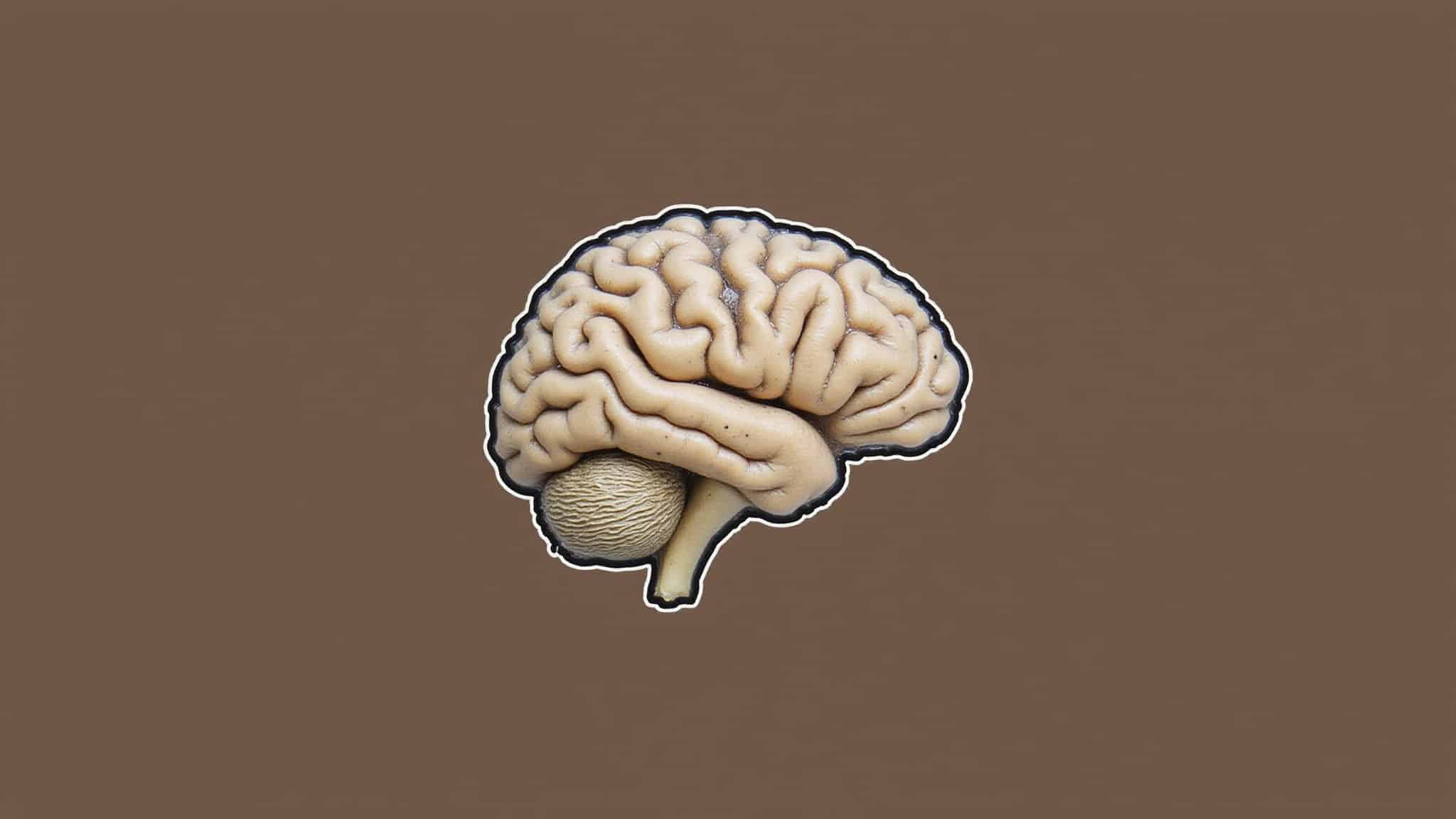
The paradoxical calming effect isn’t really paradoxical because a stimulant that makes you feel calmer is doing exactly what it’s designed to do at the neurochemical level. The term “paradoxical” implies a contradiction that doesn’t actually exist. When you take a stimulant and feel calmer, you’re not experiencing a reversal of the drug’s expected action. You’re witnessing its intended function: correcting a dopamine deficit in your prefrontal cortex. Stimulants increase dopamine and norepinephrine availability, strengthening the regulatory circuits that govern attention and impulse control. In your ADHD brain, these circuits are underactive. By restoring appropriate signaling, the medication enhances your capacity to inhibit distractions and modulate behavior. The result isn’t sedation, it’s improved executive control. What appears to be a calming effect is actually your brain functioning more efficiently. The “paradox” dissolves because stimulation targets the specific systems responsible for self-regulation.
What feeling calm on a stimulant does and doesn’t indicate about ADHD
Feeling calm on a stimulant does not confirm an ADHD diagnosis. Stimulants enhance dopamine and norepinephrine signaling in nearly everyone, improving focus and reducing restlessness regardless of neurotype. Your calming response reflects pharmacology, not pathology.
| Response | What It Indicates | What It Doesn’t Indicate |
|---|---|---|
| Feeling calm | Improved prefrontal regulation | Confirmed ADHD |
| Better focus | Enhanced dopamine signaling | Diagnostic certainty |
| Reduced impulsivity | Symptom management | Underlying cause |
Why self-diagnosing based on this effect is risky

Self-diagnosing based on this effect is risky because stimulants improve focus and reduce restlessness in nearly everyone, so interpreting your calming response as proof of ADHD leads to a false conclusion. This effect reflects a shared neurochemical mechanism, not a diagnostic marker. ADHD diagnosis requires clinical evaluation of developmental history, symptom persistence, and functional impairment across multiple settings.
Feeling calmer on stimulants proves nothing. Nearly everyone can experience improved focus or alertness from stimulants, so the response itself is not diagnostic of ADHD.
Self-diagnosing based on medication response carries specific risks:
- Overlooking alternative causes such as anxiety, sleep deprivation, or depression that mimic attentional symptoms.
- Unmonitored stimulant use, which raises cardiovascular and dependency concerns.
- Missing comorbidities that require distinct treatment approaches.
- Delaying proper assessment, preventing evidence-based intervention.
You can’t confirm a neurodevelopmental disorder through subjective drug response alone. Accurate diagnosis depends on standardized criteria, structured interviews, and professional judgment, not personal experimentation.
Why using someone else’s prescription is dangerous
Taking someone else’s prescription introduces direct physiological risk. Their dosage reflects their body weight, metabolism, and titration history, variables that don’t match yours. Stimulants elevate heart rate and blood pressure, so an undetected cardiac condition could turn a borrowed pill into a medical emergency. Without prescreening, you won’t know if you carry contraindications that a clinician would’ve flagged. Drug interactions compound the danger: if you’re taking other medications, unsupervised stimulant use can trigger serotonin syndrome or hypertensive crises. You also bypass the monitoring that catches adverse effects early. What calms a properly diagnosed individual can destabilize you, producing agitation, insomnia, or dependence. You’re not replicating their treatment, you’re conducting an uncontrolled experiment on yourself.
How Tampa Outpatient Detox connects people to assessment and treatment
Tampa Outpatient Detox connects people to assessment and treatment through a structured clinical process that distinguishes genuine requirement from risk. Their process evaluates your symptom history, developmental background, and functional impairment to distinguish a genuine clinical need from patterns of misuse.
You’ll move through an evidence-based pathway designed to connect you with appropriate care:
- Comprehensive intake screening that documents your stimulant use, dosing, and symptom presentation.
- Diagnostic evaluation distinguishing ADHD-related deficits from substance misuse.
- Medical detox coordination when physiological dependence requires supervised withdrawal.
- Treatment referral linking you to psychiatric management or ongoing therapy.
This structured approach ensures you receive precise, individualized intervention rather than continued self-directed medication that risks worsening your condition.
Get Help if Stimulant Use Is Becoming Hard to Manage
Feeling calmer or more focused on stimulants does not confirm ADHD, especially when medication is used without a prescription or proper evaluation. Tampa Outpatient Detox helps people concerned about stimulant misuse and prescription stimulant dependence explore supervised assessment, withdrawal support, and continued care. Call 740-562-7398 to discuss treatment options.
Frequently Asked Questions
How Quickly Do Prescription Stimulants Usually Start Working?
You’ll typically notice effects within 30 to 60 minutes of dosing, as immediate-release formulations rapidly increase dopamine availability in your prefrontal cortex. Extended-release versions follow a similar onset but sustain symptom management throughout your day. You won’t need weeks to gauge efficacy, unlike non-stimulants. Assess your reduction in hyperactivity and impulsivity during peak plasma concentration, generally one to two hours post-administration, to confirm you’re achieving functional equilibrium.
Is It Safe to Drink Coffee While Taking Stimulant Medications?
You can drink coffee, but you’ll want to limit it. Combining caffeine with prescription stimulants compounds their effects, since both increase dopamine and norepinephrine activity. You might notice heightened anxiety, a racing heartbeat, jitteriness, or disrupted sleep. This additive stimulation can undermine the functional equilibrium your medication’s designed to establish. Monitor your response carefully, and if you’re experiencing side effects, reduce your caffeine intake and consult your prescriber for personalized guidance.
What Side Effects Are Common With ADHD Stimulant Medications?
You’ll commonly experience decreased appetite, insomnia, and mild weight loss when taking ADHD stimulants. You might notice an increased heart rate, elevated blood pressure, dry mouth, or headaches. Some patients report irritability, anxiety, or jitteriness, particularly as the dose wears off. You may also feel stomach upset or nausea. Most of these effects are dose-dependent and tend to diminish over time. If symptoms persist or worsen, you’ll want to consult your prescriber.
Are Non-Stimulant Options Available for ADHD Treatment?
Yes, you’ve got several non-stimulant options available. Your clinician may prescribe atomoxetine (Strattera), a selective norepinephrine reuptake inhibitor, or alpha-2 agonists like guanfacine (Intuniv) and clonidine (Kapvay). These medications regulate prefrontal cortex functioning and norepinephrine signaling rather than directly targeting dopamine. You’ll typically notice they take longer to reach full effect than stimulants, but they’re effective alternatives if you experience intolerable side effects or have contraindications.
Can Stimulant Medications Be Taken Safely With Antidepressants?
Yes, stimulants and antidepressants can often be combined safely under medical supervision. Prescribers commonly pair these medications in patients with comorbid ADHD and depression or anxiety. You’ll need monitoring, since certain combinations, particularly with MAOIs, carry absolute contraindications and can trigger a hypertensive crisis. SSRIs and SNRIs can sometimes be used with stimulants, but the combination should be managed by a healthcare professional. You should report symptoms like elevated heart rate, agitation, or serotonergic effects, allowing your clinician to adjust dosing and ensure therapeutic balance.