


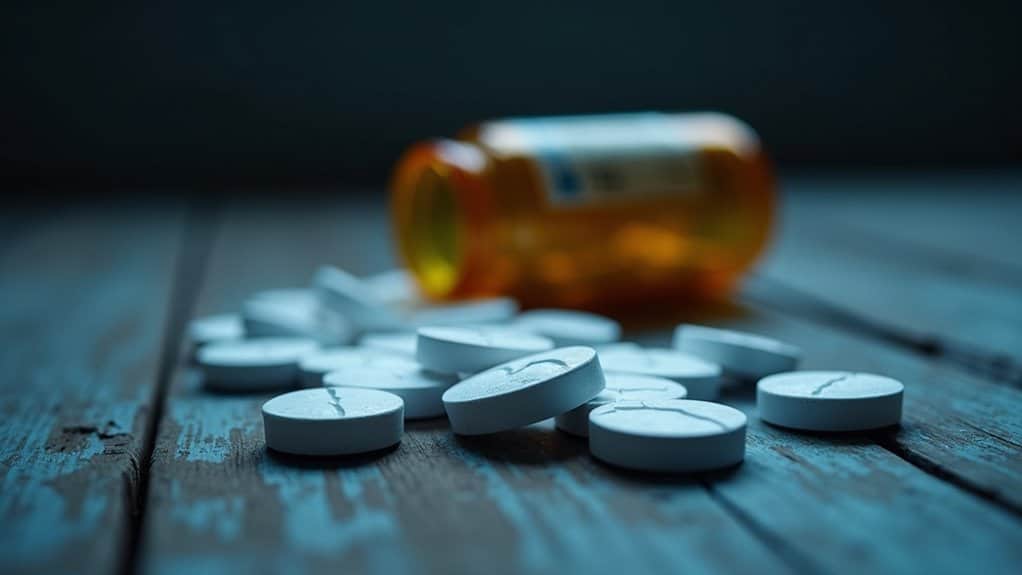
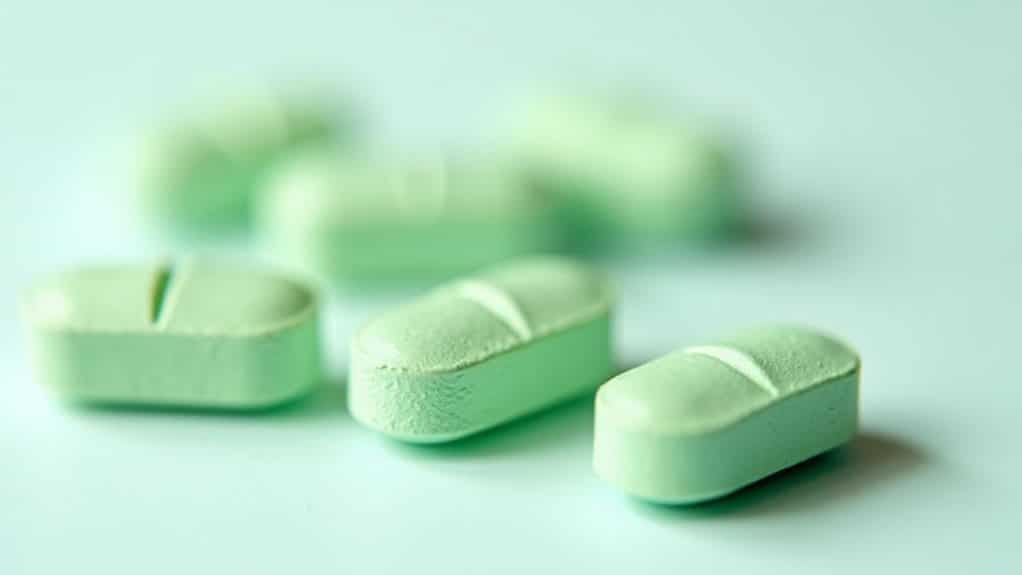

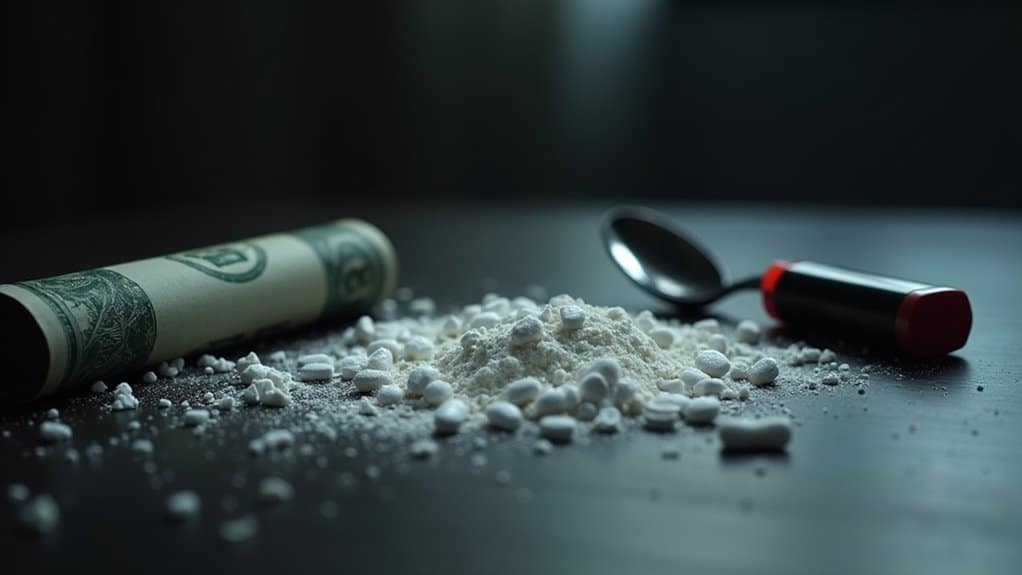
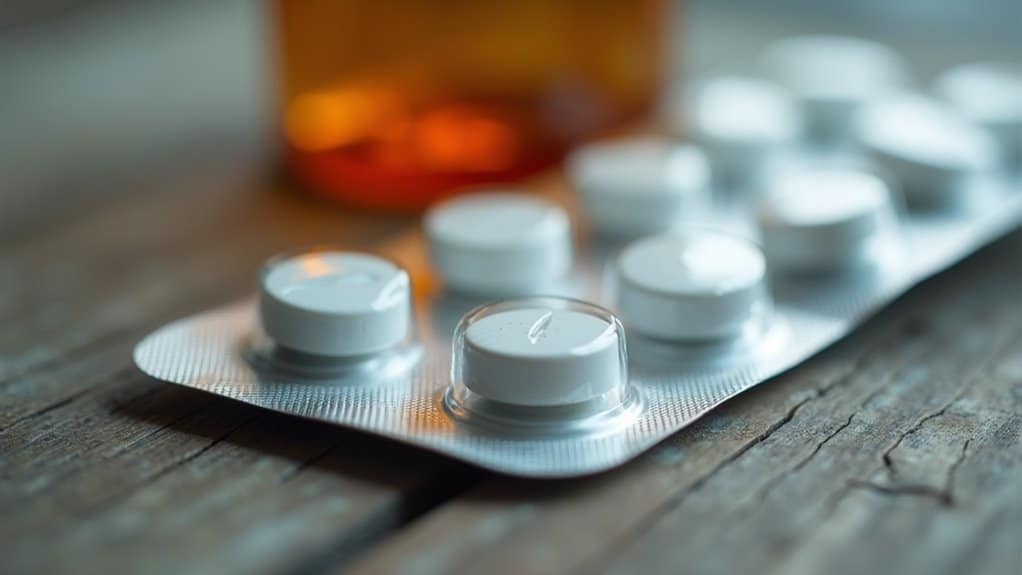
Meth usually shows up as clear, glass-like crystals or a fine white powder. Crystal meth (often called “ice” or “glass”) looks like shiny, bluish-white rocks or shards resembling broken glass or rock salt. Powdered meth appears chalky and white, though impurities can add beige, yellow, pink, or brown tints. Less commonly, you’ll see pills, base, or liquid forms. But appearance alone won’t tell you what’s really inside or how dangerous it may be.
Key Takeaways
- Crystal meth appears as translucent, colorless to bluish-white shards resembling broken glass, rock salt, or crushed ice.
- Powdered meth looks like fine white or off-white powder resembling chalky flour or salt.
- Impurities can give meth beige, yellow, pink, or light brown tints, and laced powder may clump.
- Less commonly, meth appears as small white pills, sometimes stamped with logos, or as a base or liquid.
- Appearance alone can’t confirm purity or safety, since deadly additives like fentanyl are invisible without lab testing.
What does meth look like in its different forms
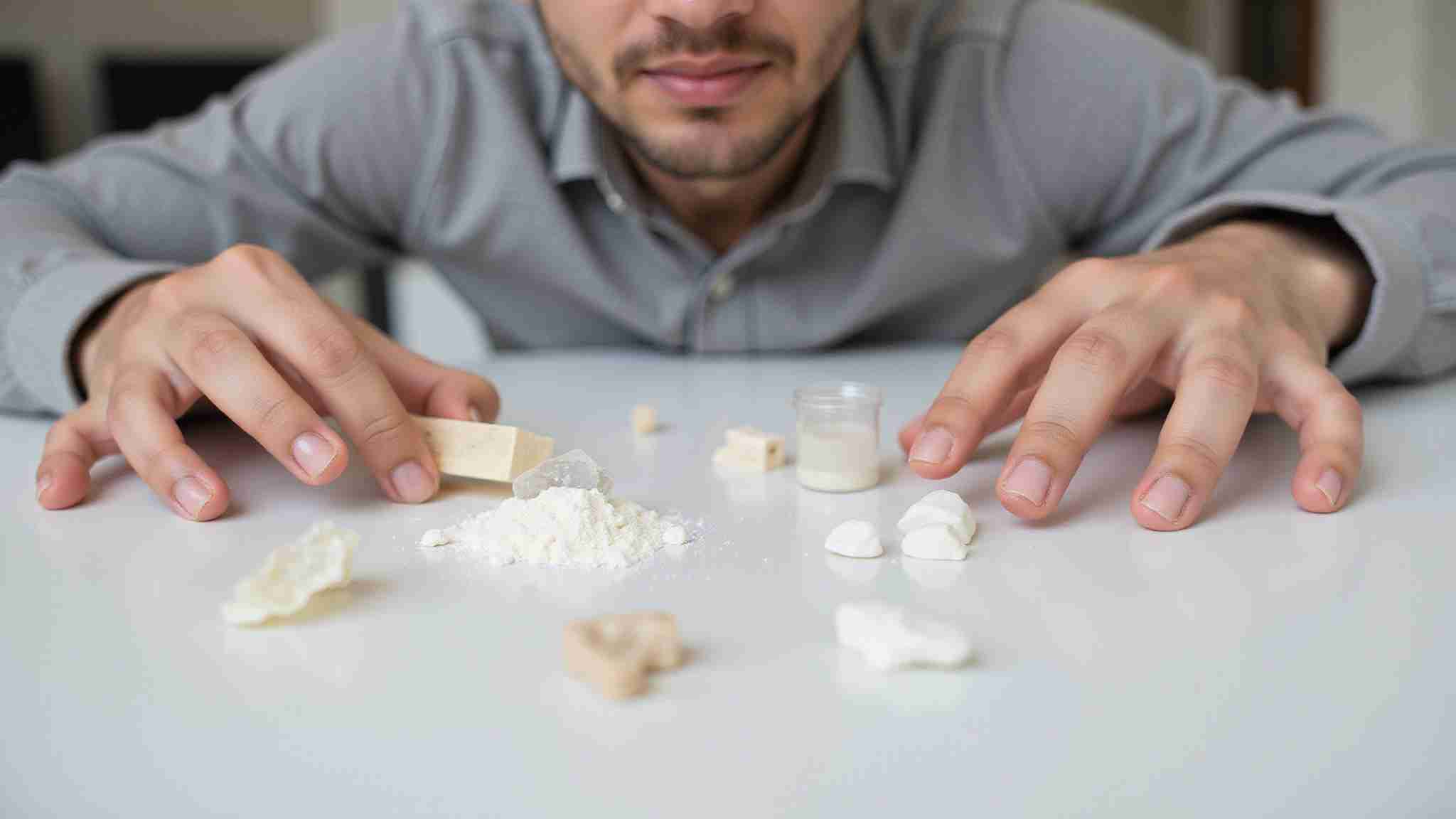 Meth appears in several distinct forms, each with its own appearance, texture, and telltale signs.
You’ll most often recognize crystal meth as shiny, bluish-white rocks or glass-like fragments that resemble crushed ice. Its rigid, reflective shards look like broken glass or rock salt, and appearance alone cannot reliably determine purity.
Powdered meth appears as a fine, white or off-white powder resembling chalky flour or salt. You might notice beige, yellow, pink, or brown tints from impurities.
Less commonly, you’ll encounter pills, small tablets, often white, sometimes stamped with logos. Base and liquid forms look waxy, oily, or pasty, ranging from white to brown, or as a clear, faintly tinged liquid that’s hard to identify visually.
What crystal meth (ice) looks like
Crystal meth looks like shiny, bluish-white rocks or glass fragments that resemble crushed ice. You’ll notice its translucent, colorless to pale-blue shards, which can look like broken glass or rock salt. Unlike matte powder forms, these fragments have rigid, glassy, sharp, and reflective surfaces that set them apart.
Because of this appearance, you might hear crystal meth referred to as “ice,” “glass,” “shards,” or “super ice.” These street names directly reflect what you’re seeing.
Color offers a clue when you’re trying to gauge purity. Clear or colorless variants typically indicate higher purity levels, while a bluish tinge or other colorations can suggest additives or processing differences. Recognizing these characteristics helps you identify the substance and understand its potential risks.
What powder and pill forms look like
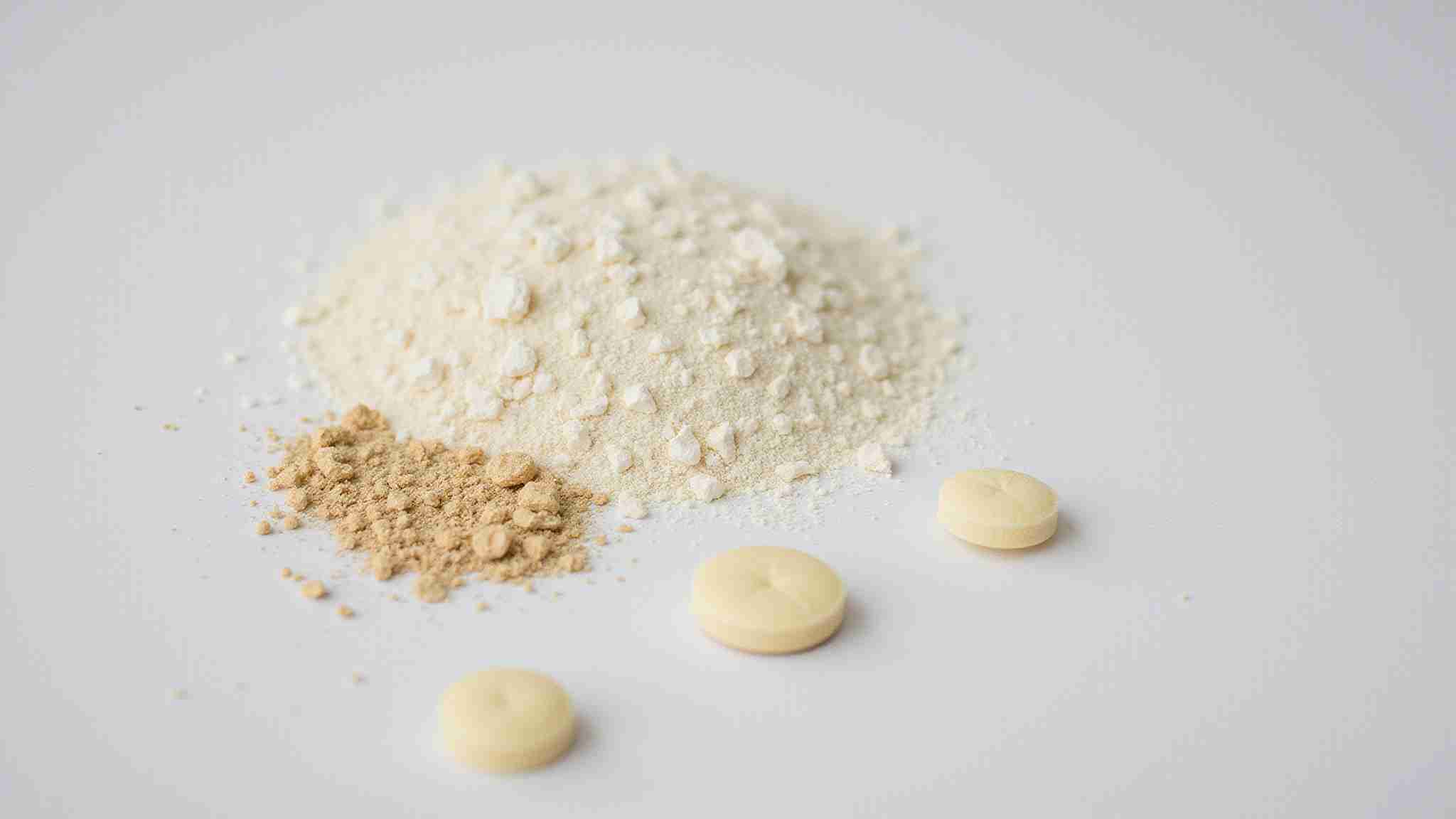
Meth in powder form appears as a fine, white, or off-white powder that resembles chalky flour or salt. You might mistake it for powdered sugar, baking soda, or cocaine. Its texture ranges from fine and dry to slightly coarse if it hasn’t been fully milled. Watch for color variations, such as beige, yellow, pink, or light brown, which usually signal impurities or added chemicals. When laced, the powder may clump or show uneven coloring.
Meth in pill or tablet form is less common but still appears. These small tablets vary in shape, size, and color, sometimes bearing stamped logos. Illicit versions often appear white with clean edges or crumbly sides from poor pressing. In some regions, you’ll hear these pills called “yaba.”
How color and appearance can vary
Meth’s color and appearance vary depending on its purity, production method, and any added chemicals. Crystal meth appears as clear or colorless shards, which typically signal higher purity, while bluish-white rocks point to specific manufacturing methods. Powdered meth ranges from white to off-white, but impurities can turn it beige, yellow, pink, or light brown.
| Appearance | What It Often Indicates |
|---|---|
| Clear or colorless | Higher purity |
| Bluish-white | Specific production method |
| Beige, yellow, or brown | Impurities present |
| Pink or clumped | Chemical additives or lacing |
Understanding these variations helps you recognize meth more accurately. If you’re worried about someone, these visual cues offer a starting point, though only testing confirms what’s truly present.
Why appearance gives no guarantee of purity or safety

Appearance gives no guarantee of purity or safety because visual cues can’t tell you what’s actually inside meth. Clear, bluish crystals often suggest higher purity, but appearance alone can’t confirm what a batch really contains. Illicit production varies widely, and dangerous additives don’t always change how a substance looks.
Keep these realities in mind:
- Colorless shards may still contain cutting agents or toxic manufacturing byproducts
- Fentanyl and other lethal contaminants can’t be seen, smelled, or tasted
- Purity levels shift between batches, even from the same source
- Off-colors sometimes signal impurities, but “clean-looking” meth isn’t safe
- Only laboratory testing accurately reveals composition and concentration
You can’t judge safety by sight. If you or someone you love is using, understanding this risk matters.
Why meth is increasingly mixed with fentanyl
Meth is increasingly mixed with fentanyl through intentional mixing or accidental contamination during illicit drug production and distribution. Sometimes contamination happens accidentally, when the same equipment or workspace handles both drugs. Either way, you can’t see, smell, or taste fentanyl in your meth. A few milligrams can prove fatal, and no amount of visual inspection will warn you.
This matters because you might expect meth’s stimulant effects and instead encounter a deadly opioid. The dangers of unknowingly mixing stimulants and opioids compound quickly. If you or someone you love uses meth, carrying naloxone and testing supplies with fentanyl strips can save a life. You deserve that protection.
How Tampa Outpatient Detox connects people to treatment
Tampa Outpatient Detox connects people to treatment through confidential assessments, help with finding appropriate outpatient detox programs and treatment providers, trusted referrals, and ongoing coordination with providers. Our team meets you where you are, offering compassionate care without judgment.
We connect you to treatment through:
- Confidential assessments that evaluate your specific needs and substance use history
- Medically supervised detox to manage withdrawal symptoms safely and comfortably
- Personalized treatment plans addressing both physical dependence and underlying triggers
- Referrals to trusted counseling, therapy, and long-term support programs
- Ongoing coordination with providers to ensure you don’t fall through the cracks
You don’t have to navigate this alone, we’ll help you take the first step.
Recognize Meth by Appearance, but Do Not Rely on Looks Alone
Meth can appear as crystal-like shards, white or off-white powder, pills, or less common liquid and base forms, but appearance cannot confirm purity or safety. Tampa Outpatient Detox helps people concerned about crystal meth use and methamphetamine addiction treatment find structured support when drug use, contamination risks, or worsening health effects become a concern. Call 740-562-7398 to discuss treatment options.
Frequently Asked Questions
How Long Can Meth Be Detected in Your System?
Meth typically stays in your system for one to four days, though detection windows vary by test. Urine tests can detect it for up to three or four days after use, while blood tests show it for one to three days. Saliva tests detect meth for one to four days, and hair follicle tests can reveal use for up to 90 days. Your metabolism, dosage, and frequency all affect these timeframes.
What Are the Short-Term and Long-Term Effects of Methamphetamine Use?
Meth affects you quickly and severely. Short-term, you’ll experience increased energy, rapid heart rate, elevated blood pressure, decreased appetite, and heightened alertness, often followed by anxiety and insomnia. Long-term, you’re facing serious harm: severe dental decay (“meth mouth”), significant weight loss, skin sores, memory loss, paranoia, and heart damage. You may develop addiction, cognitive impairment, and mental health disorders. If you’re struggling, please know effective treatment and support are available.
Can Meth Addiction Be Treated Without Medication?
Yes, you can treat meth addiction without medication, since no FDA-approved medications currently exist specifically for it. You’ll rely on behavioral therapies, which research strongly supports. Contingency management, cognitive behavioral therapy, and the Matrix Model help you change patterns and stay motivated. You’ll also benefit from support groups, counseling, and a strong recovery network. Recovery’s challenging, but with commitment and evidence-based support, you can rebuild your life.
What Are the Common Signs of Meth Use?
You’ll notice several warning signs if someone’s using meth. Look for drug paraphernalia like glass pipes with burn marks, syringes, foil showing dark streaks, or small plastic bags containing crystals or powder. You might spot burn marks on their lips or fingers, or track marks on their skin from injection. Watch for a chemical odor resembling ammonia or nail polish remover. These indicators warrant compassionate concern and professional support.
Yes, you can overdose on methamphetamine, and it can be life-threatening. When you take too much, you might experience chest pain, a racing or irregular heartbeat, dangerously high body temperature, seizures, or stroke. You may also feel extreme agitation, confusion, or paranoia. If you suspect an overdose in yourself or someone else, call emergency services immediately. Prompt medical care saves lives, and you won’t face judgment for seeking help.