


If you experience symptoms after drinking alcohol, you may have an allergy. Key warning signs include rapid breathing difficulties, severe swelling, hives, facial flushing, and intense stomach pain. You might also develop nasal congestion, excessive sneezing, or dangerous cardiovascular changes like rapid heartbeat and blood pressure drops. While some reactions are mild, others can progress to life-threatening anaphylaxis. Understanding the full range of symptoms will help you identify your risk level.
If you experience symptoms after drinking alcohol, you may have an allergy. Key warning signs include rapid breathing difficulties, severe swelling, hives, facial flushing, and intense stomach pain, features that help clarify allergy to alcohol vs intolerance. You might also develop nasal congestion, excessive sneezing, or dangerous cardiovascular changes like rapid heartbeat and blood pressure drops. While some reactions are mild, others can progress to life-threatening anaphylaxis. Understanding the full range of symptoms will help you identify your risk level.
Common Signs of Alcohol-Related Allergic Reactions
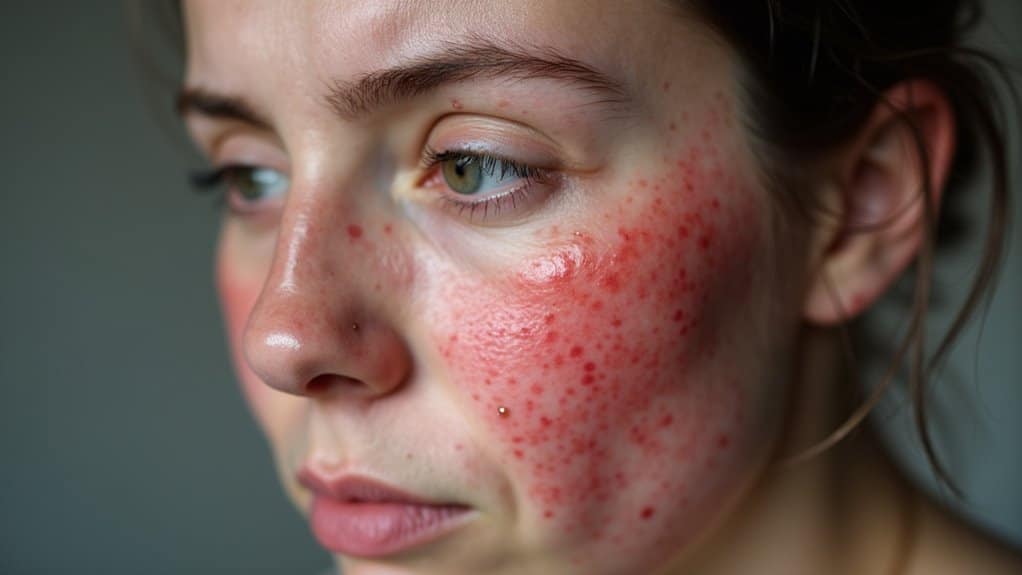
While many people experience mild alcohol intolerance, true alcohol allergies can trigger severe and potentially life-threatening reactions that require immediate medical attention. If you’re among those with genetic predispositions to alcohol allergies or experience cross reactivity with foods, you’ll need to recognize the warning signs quickly. Alcohol dehydrogenase deficiency is often hereditary and can worsen reactions to even small amounts of alcohol. Even consuming two teaspoons of wine can trigger a severe allergic response in sensitive individuals.
The most immediate symptoms include rapid onset breathing difficulties, severe swelling, and sudden cardiovascular changes like weak pulse or dropping blood pressure. You may experience intense gastrointestinal distress, including projectile vomiting and severe stomach cramps. Proper medical evaluation is crucial to distinguish between alcohol intolerance and a true allergy. Watch for multi-organ involvement, where respiratory, cardiovascular, and digestive symptoms occur simultaneously. These reactions can escalate to anaphylaxis within minutes of alcohol consumption, causing throat constriction, unconsciousness, or complete systemic shock.
Skin Manifestations and Topical Responses
When you experience an alcohol allergy, your skin may develop raised, itchy hives or red rashes within minutes to hours after consumption. You’ll likely notice distinctive facial flushing patterns, particularly across your cheeks and neck, accompanied by a warming sensation. Among northeastern Asian populations, genetic enzyme deficiency commonly triggers these flushing reactions. These symptoms often worsen with chronic alcohol exposure. Your face, lips, and tongue might also exhibit noticeable swelling, which can indicate a more serious allergic response requiring immediate medical attention. While these reactions can be uncomfortable, they are typically not life threatening and will resolve as your body metabolizes the alcohol.
Hives and Rash Development
Common skin manifestations of alcohol allergy typically present as hives and rashes within seconds of consuming alcoholic beverages. You’ll notice raised, itchy bumps or red patches appearing on your skin, often accompanied by burning sensations and stinging irritation. These reactions usually affect specific body regions and can include facial swelling. Medical experts emphasize that avoiding alcohol completely is the only reliable prevention method. Beer, wine, and other alcoholic beverages contain sodium metabisulfite which can trigger these skin reactions.
If you’re experiencing these symptoms, you may have either an alcohol allergy or intolerance, with the latter being more common, especially among East Asian populations. Your reaction could be triggered by the alcohol itself or other beverage ingredients like grains and preservatives. Approximately 1 in 10 people experience some form of alcohol hypersensitivity, with red wine being a particularly common trigger. While most reactions resolve within 24 hours, chronic cases can persist beyond six weeks. If you develop severe symptoms, seek medical attention, as anaphylaxis is a rare but possible risk.
Facial Flushing Patterns
Facial flushing represents one of the most distinctive symptoms of alcohol intolerance, particularly among East Asian populations where 36-50% of individuals experience this reaction. Your genetic makeup, specifically ALDH2 enzyme deficiency, determines how your body processes alcohol and whether you’ll develop this response. The symptoms typically subside and are generally reversible once alcohol consumption stops. The buildup of toxic acetaldehyde in the body triggers these physiological reactions.
You’ll notice different manifestations depending on your skin tone. If you have lighter skin, you’ll typically experience pronounced redness, while darker skin tones may show subtle skin discoloration. When experiencing an alcohol flush reaction, the face, neck, and chest will typically show warmth and redness. The reaction stems from vascular hyperactivity, where blood vessels dilate excessively in response to alcohol. This response intensifies if you have underlying conditions like rosacea or consume specific triggers like red wine, which contains higher levels of histamines and sulfites. The severity of your reaction may vary based on the type and concentration of alcohol consumed.
Swelling Around Face
Among the most concerning manifestations of alcohol intolerance, swelling around the face presents as localized or widespread edema affecting multiple tissue layers. You’ll notice symptoms ranging from lip swelling and facial puffiness to more severe forms of angioedema involving deeper skin structures. These reactions occur when your immune system overreacts to alcohol consumption. When drinking alcohol triggers these reactions, you may experience concurrent nasal congestion and throat constriction that can impair your breathing. Taking over-the-counter antihistamines may help relieve mild facial swelling reactions. Unlike alcohol intolerance, symptoms of true alcohol allergies develop within minutes of exposure.
Watch for signs like swollen eyelids, puffy cheeks, or tongue inflammation, as these could indicate a serious allergic response requiring immediate medical attention. If you develop facial swelling alongside symptoms like wheezing or difficulty speaking, you’re likely experiencing a severe reaction. The swelling may occur rapidly and can be particularly dangerous when it affects your airways, potentially leading to life-threatening complications.
Respiratory System Warning Signs
The respiratory system often serves as an early warning system for alcohol allergies, manifesting through a range of distinctive symptoms. You’ll notice immediate sinus irritation patterns, including nasal congestion, persistent runny nose, and excessive sneezing. Throat discomfort during consumption typically accompanies these reactions, which develop within an hour of drinking even small amounts. In addition to these early signs, individuals may also experience flushing of the skin, particularly on the face and neck. Other common alcohol allergies symptoms can include headaches and stomach discomfort, which can significantly impact social experiences involving alcohol. Understanding these reactions is crucial for managing consumption and avoiding potential health risks.
If you have asthma or other respiratory conditions, you’re particularly vulnerable to alcohol-induced reactions. Watch for signs of bronchoconstriction, including wheezing, labored breathing, and chest tightness. These symptoms occur frequently, affecting more than 60% of cases, and they’re twice as common in women. While red wine is often cited as a trigger, any type of alcohol can provoke these respiratory responses. Cold-like symptoms may persist after drinking, especially if you have underlying conditions like COPD or chronic bronchitis.
Digestive System Reactions to Alcohol

When you experience nausea immediately after consuming alcohol, it’s often a sign of your body’s intolerance or allergic response to certain components in alcoholic beverages. You may notice intense stomach pain between your navel and ribs, which can worsen or improve with food intake, indicating possible alcohol-induced gastritis. Your digestive system might react through multiple symptoms including bloating, diarrhea, and persistent abdominal discomfort, particularly if you have sensitivities to ingredients like gluten, sulfites, or histamines found in different alcoholic drinks.
Nausea After Drinking
Severe digestive reactions to alcohol can manifest through intense nausea and vomiting, typically occurring within minutes of consumption. While delayed nausea onset can emerge hours later, immediate reactions more commonly indicate gastrointestinal hypersensitivity. You’ll experience varying intensities of digestive distress, from mild queasiness to severe retching, often accompanied by abdominal cramping and bloating.
Key indicators that you’re experiencing an alcohol-related digestive reaction include:
- Rapid onset nausea within minutes of your initial drink
- Projectile vomiting that persists beyond initial consumption
- Abdominal cramping with hyperacidity
- Concurrent symptoms like diarrhea and severe bloating
If you’re experiencing these symptoms, enzyme deficiencies or genetic predisposition may be responsible. Consider medical evaluation, as chronic reactions can lead to more serious complications.
Stomach Pain Causes
Beyond nausea and vomiting, alcohol’s corrosive effects on your digestive system can trigger intense stomach pain through multiple mechanisms. The ethanol directly erodes your stomach’s protective lining while stimulating excess acid production, leading to increased heartburn and inflammation. You’ll often experience delayed stomach emptying, which causes bloating and discomfort.
| Mechanism | Effect | Warning Sign |
|---|---|---|
| Mucosal Damage | Barrier Erosion | Burning Pain |
| Acid Production | Gastric Irritation | Sharp Discomfort |
| Bile Reflux | Tissue Inflammation | Upper Abdominal Pain |
| Free Radicals | Cellular Damage | Persistent Aching |
| Gastritis | Chronic Inflammation | Blood in Stool |
If you’re taking NSAIDs or have existing digestive conditions, you’re at higher risk for severe complications. Watch for sudden intense pain or blood in vomit, as these may indicate serious ulceration requiring immediate medical attention.
Alcohol-Related Digestive Issues
The digestive system’s reaction to alcohol consumption manifests through several distinct symptoms that typically emerge within minutes to hours after drinking. These reactions can vary based on alcohol absorption rates and individual sensitivity, ranging from mild discomfort to indicators of severe alcohol poisoning.
Common digestive responses include:
- Immediate gastrointestinal distress, characterized by nausea and sudden vomiting shortly after consumption
- Sharp abdominal pain and persistent cramping that may require medical intervention
- Rapid onset diarrhea with frequent bowel movements and abnormal stool consistency
- Intense stomach discomfort accompanied by pressure-like sensations and tenderness
If you experience these symptoms consistently after drinking alcohol, it’s essential to seek medical evaluation, as they may indicate an underlying allergy or intolerance rather than typical hangover effects.
Cardiovascular and Blood Pressure Changes

Alcohol allergies commonly trigger significant cardiovascular changes that can pose serious health risks. You’ll notice rapid heartbeat, palpitations, and dangerous drops in blood pressure after consuming alcoholic beverages. These reactions can lead to reduced blood oxygenation and cerebrovascular circulation issues, often causing dizziness, fainting, or disorientation.
Your cardiovascular symptoms may become severe during anaphylactic episodes, where you’ll experience a weak, accelerated pulse and potential vascular collapse requiring immediate medical intervention. Several factors contribute to these reactions, including histamine release from alcohol metabolism and common beverage ingredients like sulfites, grains, and yeast. If you experience these symptoms, particularly lightheadedness or loss of consciousness after drinking, seek immediate medical attention as these could indicate a life-threatening allergic response requiring epinephrine administration.
When to Seek Emergency Medical Care
Recognizing severe allergic reactions to alcohol requires immediate emergency care when specific symptoms emerge. You should seek immediate medical attention if you experience respiratory distress symptoms including labored breathing, wheezing, or severe coughing that could indicate oxygen deprivation concerns.
Call emergency services (911) if you develop:
- Severe swelling of face, tongue, or throat that compromises your airway
- Significant breathing difficulties accompanied by wheezing or gasping
- Persistent vomiting combined with disorientation or confusion
- Multiple symptoms occurring simultaneously, such as coughing with swelling and nausea
Don’t wait to see if symptoms improve on their own, as alcohol allergies can rapidly progress to life-threatening conditions. Time is critical when these severe reactions occur, and prompt medical intervention could be lifesaving.
Noticing your body react strangely after a drink can be scary, especially when you are not sure if it is an allergy, an intolerance, or something deeper going on. At Outpatient Detox Tampa, we understand how unsettling it can be to search for answers while your body is trying to tell you something is wrong. We connect you with trusted alcohol treatment centers and recovery resources, so you never have to figure this out on your own. Whether you are identifying the symptoms of an alcohol allergy for the first time or ready to take steps toward lasting sobriety, the right help is closer than you think. Call today and let us help you take that first step toward healing.
Frequently Asked Questions
Can Alcohol Allergies Develop Suddenly in Adults Who Never Had Them Before?
While sudden adult onset alcohol allergies are possible, they’re extremely rare. You’re more likely experiencing alcohol intolerance or reactions from new medications, liver problems, or underlying health conditions. True unpredictable allergy development requires prior exposure to create antibodies. If you’ve recently developed adverse reactions to alcohol, you should consult your healthcare provider to determine the actual cause, as it’s likely not a true allergy.
Is Alcohol Allergy Testing Available Through Standard Medical Allergy Panels?
You won’t find alcohol allergy testing in standard medical allergy panels. While blood tests and skin prick testing are available for many common allergens, specific alcohol allergy testing requires special requests from your clinician. These tests aren’t routinely included in conventional screening panels and have limited availability. If you suspect an alcohol allergy, you’ll need to consult an allergist who can order specialized testing and provide proper medical supervision.
Does Alcohol Allergy Run in Families or Is It Randomly Acquired?
True alcohol allergies rarely run in families. However, what you might experience is alcohol intolerance, which does have a strong genetic predisposition. This inherited condition is particularly common among people of East Asian descent due to specific gene variants affecting alcohol metabolism. While environmental factors can influence your body’s response to alcohol, the primary cause of alcohol intolerance is genetic. Random acquisition of alcohol sensitivity is relatively uncommon.
Can Certain Medications Increase the Risk of Developing Alcohol Allergies?
While medications don’t directly cause alcohol allergies, certain prescription medications can create reactions that mimic allergy symptoms when combined with alcohol. You’ll face increased risks if you’re taking antihistamines like Benadryl or cardiovascular medications like verapamil. These drugs can intensify alcohol’s effects or cause new symptoms due to altered metabolism. If you have underlying health conditions, you’re particularly vulnerable to these medication-alcohol interactions, making it essential to consult your healthcare provider.
Are Some Types of Alcohol Less Likely to Trigger Allergic Reactions?
While all alcoholic beverages can potentially trigger allergic reactions, you’ll generally find that certain distilled spirits may have reduced allergen content due to their composition and production process. However, it is crucial to understand that even these aren’t guaranteed safe. Your best approach is to work with an allergist to identify your specific triggers and avoid beverages containing those ingredients. Always check labels carefully, as allergens like sulfites, grains, or egg proteins can be present in multiple forms.