




Natural remedies can help ease alcohol withdrawal symptoms when used alongside proper medical supervision. You’ll want to focus on B-vitamin supplementation, especially B1, B6, and B12, while staying hydrated with electrolyte-rich fluids. Mindfulness practices, yoga, and deep breathing techniques can reduce anxiety and cravings. Herbs like milk thistle and kudzu may support liver function and decrease alcohol cravings. While these approaches show promise, you’ll uncover the most effective strategies require an all-encompassing, professionally-guided treatment plan.
Understanding the Science Behind Alcohol Withdrawal
Why does alcohol withdrawal cause such intense physical and psychological symptoms? Your brain adapts to chronic alcohol use by altering its neurochemical balance. When you stop drinking, these adaptations trigger a cascade of disruptions in your nervous system.
During withdrawal, you’ll experience reduced GABA sensitivity and excess glutamate release, leading to CNS hyperexcitability. These changes cause anxiety, tremors, and potentially life-threatening seizures. Your genetic predisposition factors, including variations in genes like SORCS2, can profoundly influence your withdrawal severity. Research shows ethnic-specific withdrawal mechanisms, with certain genetic variants present in Europeans but absent in African Americans. Medical problems can significantly worsen withdrawal symptoms and increase health risks. The autonomic nervous system becomes highly activated, causing elevated vital signs and intense physical discomfort.
The timeline is predictable: symptoms begin 6-8 hours after your last drink, with seizure risk peaking at 24-72 hours and delirium tremens potentially developing between 48-72 hours post-cessation. Each subsequent withdrawal episode typically becomes more severe due to the kindling effect in the brain.
Essential Mindfulness Practices for Recovery
While understanding the biological mechanisms of withdrawal provides a foundation, mindfulness practices offer powerful tools to manage these neurological disruptions. You’ll find that structured interventions like Mindfulness-Based Relapse Prevention (MBRP) can markedly improve your recovery journey through evidence-based techniques. A groundbreaking study at the NewStart Alcohol & Drug Treatment Program demonstrated the feasibility of mindfulness interventions for preventing relapse. Traditional behavioral substance use intervention programs show relapse rates of 60% within the first year. Studies demonstrate that mindfulness techniques are not a panacea but can be highly effective when practiced seriously.
Key practices include body scan meditation to identify early withdrawal symptoms and mindful breathing to reduce impulsivity. These relapse prevention strategies have shown remarkable success, with studies reporting 94.5% abstinence rates during treatment. When managing cravings and impulses, you’ll learn “urge surfing” techniques that help you observe and accept urges without acting on them. The practice reduces amygdala activity during stress exposure and improves heart rate variability, giving you greater control over your physiological responses to withdrawal-related challenges. In addition to these mindfulness techniques, relieving withdrawal symptoms with medical approaches can further enhance your overall recovery experience. Medication-assisted treatment may be utilized to address specific withdrawal symptoms, ensuring a more manageable transition during this critical period.
Therapeutic Benefits of Yoga During Detox

When integrated into alcohol withdrawal treatment, yoga offers extensive neurobiological and physiological benefits that greatly improve the detoxification process. Through trauma-informed yoga practices, you’ll experience reduced cortisol levels and balanced neurotransmitters, which help minimize withdrawal symptoms and cravings. The ancient practice provides a complete wellness system that supports recovery on multiple levels. Studies show that regular yoga practice consistently lowers relapse rates among recovering individuals.
Breath-focused meditation and gentle asanas support your nervous system regulation while enhancing cognitive flexibility for better decision-making. Starting with beginner yoga classes allows you to build a strong foundation for your recovery journey. You’ll develop healthy coping mechanisms as you learn to process emotional triggers without turning to alcohol. The practice helps release physical tension through forward bends and stabilizes your body during acute withdrawal phases.
Regular yoga sessions improve your sleep quality and elevate self-esteem, critical factors for long-term recovery. The combination of mindful movement and breathwork strengthens your mind-body connection, empowering you to maintain sobriety while addressing co-occurring mental health conditions.
Key Nutritional Strategies for Healing
During alcohol withdrawal, you’ll need to restore depleted B vitamins through both dietary sources and potential supplementation to support proper nerve function and energy metabolism. Your body requires consistent hydration paired with electrolyte-rich foods to help flush toxins and maintain mineral balance during the recovery process. Strategic nutrition planning should include B-complex foods like whole grains, leafy greens, and lean proteins, along with adequate water intake to replenish essential nutrients that alcohol has stripped from your system. Complex carbohydrates from fiber-rich sources help provide stable blood sugar, which is vital during detox. Physical exercise can help speed up the detoxification process by improving circulation throughout the body. Eating a balanced diet that includes fresh fruits and vegetables helps satisfy sugar cravings while providing essential nutrients needed for recovery.
Essential Vitamin B Recovery
Because chronic alcohol use severely disrupts vitamin B absorption and metabolism, proper B vitamin supplementation becomes indispensable for successful recovery from alcohol withdrawal. Advanced B1 supplementation strategies, particularly through IV thiamine administration, can prevent severe neurological complications while supporting B complex nutrient synergy for optimal healing. Long-term alcohol abuse can lead to dangerous vitamin A depletion in the liver and impaired night vision. Regular monitoring helps detect pernicious anemia early, allowing for timely intervention with B12 injections. Proper nutrition, along with complete alcohol cessation, offers the best chance for preventing further brain damage.
Your healthcare provider will likely recommend:
- Immediate IV thiamine treatment to prevent Wernicke’s encephalopathy and potential brain damage
- Broad-spectrum B complex supplementation to address multiple deficiencies affecting energy and red blood cell production
- Carefully timed B12 and folate supplementation to avoid masking underlying deficiencies
- Regular blood testing to monitor B vitamin levels and adjust treatment protocols
You’ll need ongoing medical supervision to guarantee proper absorption and dosing, especially since oral supplements alone may not sufficiently address severe deficiencies during early recovery.
Hydration and Mineral Balance
Alongside B vitamin restoration, proper hydration and mineral balance form the cornerstone of alcohol withdrawal recovery. You’ll need to prioritize steady fluid intake, aiming for 8-10 glasses of room-temperature water daily, while incorporating electrolyte replenishment through specialized solutions or natural alternatives like coconut water.
Your body’s mineral balance requires careful attention during withdrawal, as alcohol’s diuretic effects deplete essential electrolytes. Focus on mineral supplementation to restore sodium and potassium levels, which directly impact nerve function and cardiac health. Sip fluids gradually at 8-12 oz per hour, paired with nutrient-dense meals to support your recovery process.
Don’t overlerate caffeine or alcohol, as they’ll further compromise your hydration status. If you experience severe symptoms like persistent vomiting or extreme fatigue, seek immediate medical supervision for safe rehydration.
Natural Herbs and Supplements for Support

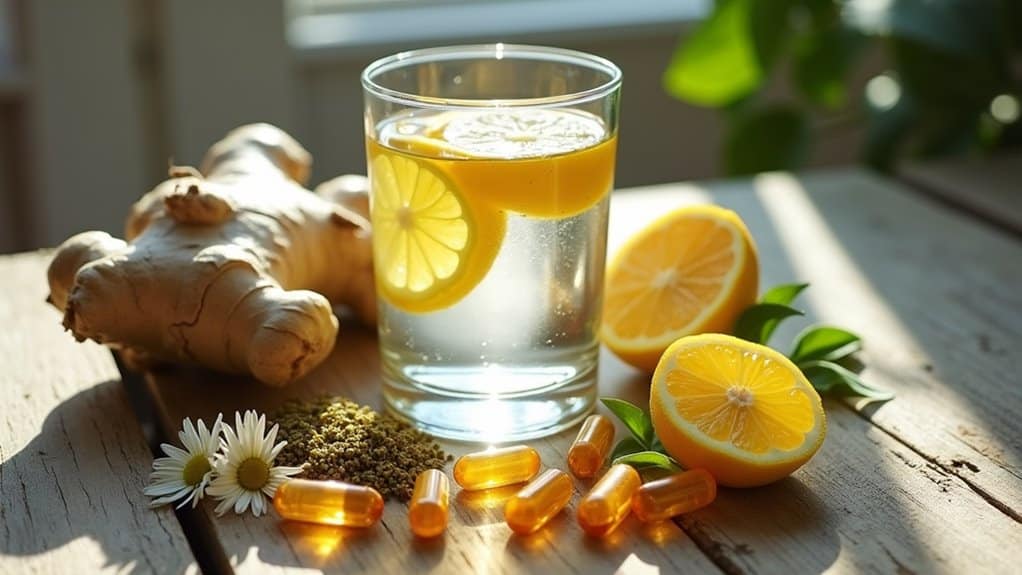
Several evidence-based herbs and supplements can support your recovery during alcohol withdrawal, with kudzu extract showing particular promise in reducing alcohol consumption through its active compound puerarin. You’ll benefit from incorporating liver-supporting herbs like milk thistle and dandelion root, while carefully selecting supplements that restore depleted nutrients such as B-vitamins, magnesium, and zinc. When choosing natural remedies, it is critical to work with a healthcare provider who can monitor your progress and verify safe interactions with any prescribed medications. In addition to these herbs and supplements, incorporating stress-reduction techniques such as meditation or yoga can provide additional ways to ease alcohol withdrawal. Staying hydrated and eating a balanced diet rich in whole foods will also support your overall well-being during this challenging time.
Key Liver-Supporting Herbs
When managing alcohol withdrawal symptoms, specific herbs can provide essential support for liver health and detoxification processes. Before starting any herbal protocol, consult your healthcare provider about dosage guidelines and potential interactions with medications.
Key liver-supporting herbs include:
- Milk Thistle: Contains silymarin, which actively protects and regenerates liver cells during detoxification, with recommended standardized extracts containing 70-80% silymarin
- Burdock Root: Functions as a natural diuretic to assist in toxin elimination through enhanced kidney and liver function
- Sarsaparilla: Promotes liver cleansing while reducing inflammation through its antioxidant properties
- Kudzu Root: Supports liver health while potentially reducing alcohol cravings through its impact on neurotransmitter pathways
These herbs work synergistically to support your body’s natural detoxification processes during withdrawal.
Essential Nutrient Restoration Plans
During alcohol withdrawal, restoring essential nutrients becomes critical for supporting recovery and minimizing withdrawal symptoms. A whole food nutrition approach should focus on B-complex vitamins from whole grains and lean proteins, vitamin C from citrus and berries, and magnesium from nuts and dark leafy greens.
Targeted supplementation, under medical supervision, can address severe deficiencies, particularly in B1, B6, and B12. You’ll need to prioritize protein-rich foods like eggs and fish to repair tissue damage and support neurotransmitter production. Include zinc-rich foods such as oysters and seeds to restore immune function, while maintaining electrolyte balance through mineral-rich broths and coconut water. This extensive nutrient restoration plan helps stabilize your nervous system, reduce inflammation, and support your body’s natural detoxification processes during withdrawal.
Medical Supervision and Safety Considerations
Medical supervision plays a critical role in alcohol withdrawal safety, as proper oversight reduces severe complications by 68% and increases successful completion rates by 40%. Following evidence-based safety guidelines and maintaining close medical monitoring are essential when attempting to manage withdrawal symptoms naturally.
You’ll need professional monitoring if you have any of these risk factors:
- History of severe withdrawals or seizures requiring immediate pharmacotherapy
- Blood pressure readings above 150/90 mmHg or pulse exceeding 100 beats per minute
- Presence of acute medical conditions that could complicate withdrawal
- Development of delirium tremens symptoms, including hallucinations or extreme confusion
Don’t attempt withdrawal without medical supervision if you have these risk factors, as they require immediate hospitalization and specialized care to safeguard your safety during the detoxification process.
Complementary Alternative Therapies
Several evidence-based complementary therapies can help manage alcohol withdrawal symptoms while supporting your recovery process. Sensory acupuncture therapies, particularly combined body and ear point stimulation, have shown promise in reducing cravings and improving withdrawal tolerance. Studies indicate these treatments can help regulate neurotransmitter imbalances caused by alcohol use.
Integrative herbal formulas, when properly administered under professional guidance, may address nutritional deficiencies and support liver health. You’ll find mindfulness practices and meditation particularly helpful for managing anxiety and emotional regulation during withdrawal. These can be further enhanced with qi gong breathing techniques to ease physical symptoms. Moreover, targeted nutritional therapy helps restore essential vitamins and minerals, while probiotics support gut health compromised by alcohol use. Importantly, these approaches work best as part of a supervised treatment plan.
Building a Daily Wellness Routine
These complementary therapies work most effectively when integrated into a structured daily wellness routine. Creating consistent habits helps reinforce healthy behaviors while supporting your recovery [passage] through alcohol withdrawal. A well-designed routine incorporates multiple elements of physical and mental wellness activities throughout your day.
- Begin each morning with 30 minutes of moderate exercise like walking or yoga, followed by a nutrient-rich breakfast featuring whole grains and protein
- Practice stress management through 10-20 minutes of meditation or mindfulness exercises during mid-day breaks
- Maintain proper sleep hygiene by establishing consistent bedtime rituals and avoiding screens before sleep
- Schedule regular meal times focusing on balanced nutrition, staying hydrated with water and herbal teas throughout the day
This structured approach helps optimize the benefits of natural remedies while supporting your body’s healing process during withdrawal.
Long-term Strategies for Sustainable Recovery
Successful long-term recovery from alcohol withdrawal requires implementing five key strategic areas: goal-setting, stress management, post-acute withdrawal syndrome (PAWS) management, social network development, and ongoing support program participation.
To maintain your recovery trajectory, you’ll need to establish measurable objectives while developing effective stress management techniques. Understanding and addressing PAWS symptoms is pivotal, as these can persist for months after initial withdrawal. You’ll also benefit from building healthy social connections and eliminating toxic relationships that might trigger relapse. Engaging in ongoing counseling and support systems, such as AA/NA meetings or therapy sessions, provides vital accountability and guidance. These strategic elements work together to create an extensive framework for sustainable sobriety and improved overall wellness throughout your recovery path.
When your body is crying out for relief during alcohol withdrawal and you are desperately searching for anything that might ease the pain even a little, that kind of suffering deserves more than just being told to push through it alone. At outpatient drug rehab tampa, we understand how deeply personal the search for natural remedies can feel when you are trying to take back control of your body during one of the most vulnerable seasons of your life. We connect you with caring alcohol treatment centers and recovery resources, because finding gentler ways to ease withdrawal symptoms is a conversation best had with the right people who truly understand what your body is going through. The right help is already out there waiting for you. Call 740-562-7398 today and let us help you take that first step toward healing.
Frequently Asked Questions
How Long Should I Continue Natural Remedies After Completing Alcohol Withdrawal?
You’ll need to carefully taper off natural remedies according to your withdrawal progress. Continue herbal supplements for the initial 72 hours, then gradually reduce them under medical supervision after 2-3 weeks. By month 6, you should discontinue most supplements unless blood tests show persistent deficiencies. You’ll want to shift to long-term lifestyle practices like mindfulness and exercise, while maintaining regular check-ups with your healthcare provider to monitor withdrawal progress.
Can I Combine Multiple Herbal Supplements During Withdrawal?
You shouldn’t combine multiple herbal supplements without professional guidance due to potentially dangerous herbal dosage interactions. Each herb can affect your body differently, and combining them may increase your risk of adverse reactions or interfere with withdrawal medications. For your safety, consult a healthcare provider before mixing any supplements, as they’ll need to monitor potential interactions and establish proper safety precautions based on your specific situation.
Are There Specific Yoga Poses to Avoid During Detox?
During detox, you’ll want to avoid certain yoga postures that could strain your body or trigger unwanted responses. Skip inversions, intense backbends, and fast-paced sequences as they may cause dizziness or increase blood pressure. Focus instead on gentle standing poses and proper breathing techniques. Avoid hot yoga environments and deep twists that could overwhelm your system. Always listen to your body and work with an instructor who understands your recovery process. Incorporating mindfulness and relaxation techniques can also be beneficial during this time. Techniques for easing detox discomfort can include gentle stretches and restorative poses that promote relaxation and enhance your sense of well-being.
Which Natural Remedies Help With Alcohol-Related Sleep Problems?
To improve alcohol-related sleep issues, you’ll benefit from natural sleep aids like chamomile tea, which contains compounds that promote relaxation and reduce anxiety. Melatonin supplements can help reset your disrupted sleep-wake cycle, but consult your healthcare provider about proper dosing. Combine these with calming bedtime rituals like deep breathing exercises, gentle stretching, and meditation. Keep your bedroom dark, cool, and quiet to optimize sleep quality.
How Do Seasonal Changes Affect the Effectiveness of Herbal Withdrawal Remedies?
While seasonal variation in herbal bioavailability exists, there’s limited scientific evidence showing how it directly affects remedy effectiveness. Environmental factors influencing herbal efficacy, such as growing conditions and harvest timing, are typically controlled through standardized manufacturing processes. You’ll find that modern supplement production methods generally maintain consistent potency year-round. When you’re using herbal remedies, it’s more critical to focus on proper dosing and professional guidance than seasonal timing.