





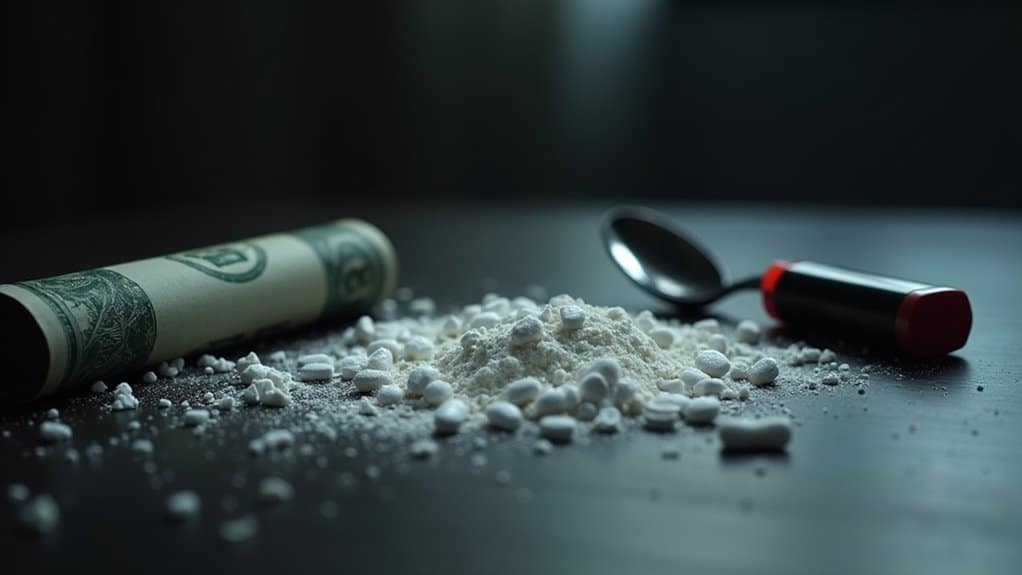

“Meth bugs” describe the unsettling feeling of insects crawling on or under your skin. The clinical term is formication, a tactile hallucination with no physical cause. Meth triggers it by altering your dopamine and norepinephrine levels, which distorts how your brain processes sensory signals. Minor skin sensations start feeling urgent and impossible to ignore. Sleep loss and excessive sweating make it worse. Understanding what’s really happening is the first step toward finding relief.
Key Takeaways
- Meth alters dopamine and norepinephrine levels, disrupting how the brain processes sensory information and creating false crawling sensations.
- Formication is a tactile hallucination where bugs feel like they’re on or under the skin, though none are present.
- Dopamine-related changes make minor skin sensations feel urgent, while raised body temperature and sweating cause skin dryness and crawling feelings.
- Sleep deprivation from long binges worsens hallucinations, intensifying formication and further distorting sensory processing accuracy.
- Chronic use can progress formication into delusional parasitosis, driving compulsive picking that creates sores, lesions, and infection risk.
What are meth bugs
“Meth bugs” describe the unsettling feeling that insects are crawling on or beneath the skin, experienced by people who use methamphetamine. Clinically, this experience is called formication, a tactile hallucination with no physical cause. When you use meth, the drug alters your brain’s dopamine and norepinephrine levels, disrupting how you process sensory information. As a result, tiny sensations or minor skin marks can feel urgent and impossible to ignore.
You’re not imagining the intensity of what you feel, even though no bugs are actually present. In chronic use, this can progress into a delusion of parasitosis, where you genuinely believe you’re infested. Understanding that meth bugs stem from altered brain function, not real insects, can help you approach the sensation with clarity rather than fear.
What is formication (the feeling of bugs crawling on the skin)
Formication is the medical term for the sensation that bugs are crawling on or under your skin when nothing’s actually there. It’s classified as a tactile hallucination, meaning your brain perceives touch without any physical cause. You might feel itching, tingling, or the distinct impression of insects moving beneath your skin’s surface.
This sensation isn’t imaginary to you. It feels genuinely real, which makes it so distressing. Your nervous system generates these false signals, and your brain interprets them as legitimate physical sensations.
Formication isn’t exclusive to methamphetamine use. It can accompany psychosis, vitamin deficiencies, certain medications, or withdrawal from various substances. When it stems from drug use, though, it often intensifies into a persistent, consuming experience that drives compulsive scratching and lasting skin damage.
Why meth causes this sensation
Methamphetamine causes this sensation by directly disrupting your brain chemistry. Methamphetamine alters your dopamine and norepinephrine levels, disrupting how your brain processes sensory information. This creates tactile hallucinations, false sensations without any physical cause. Your altered dopamine signaling also makes tiny skin marks or minor sensations feel urgent and disproportionately important, driving your focus toward them.
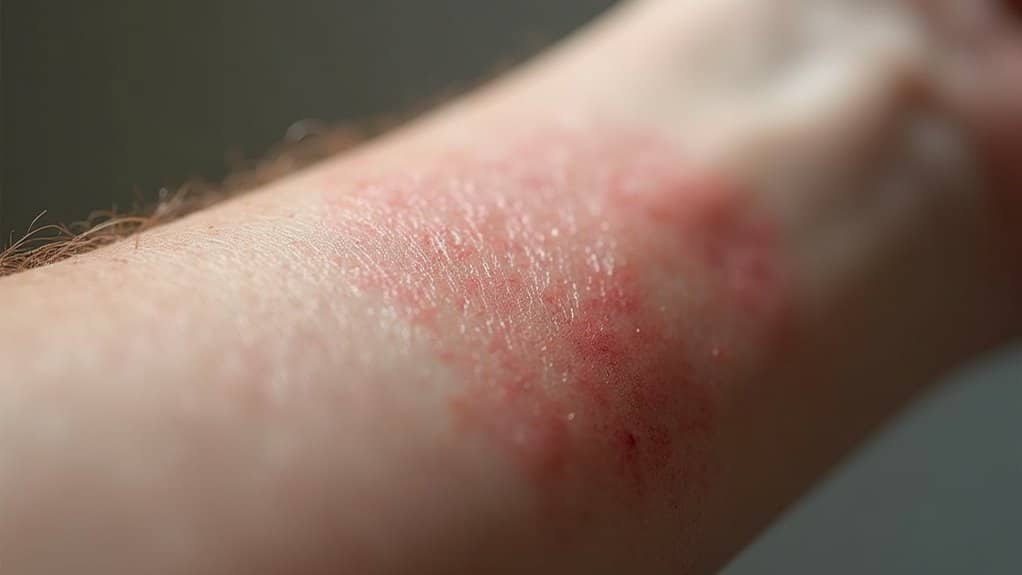
Physical factors compound this experience. Meth raises your body temperature and triggers excessive sweating, which strips protective oils from your skin. The resulting dryness and dehydration can genuinely feel like something’s crawling beneath the surface.
With chronic use, these effects can progress into methamphetamine psychosis, including the delusion of parasitosis, a firm belief that bugs have infested your skin, even when none exist.
How compulsive picking leads to meth sores
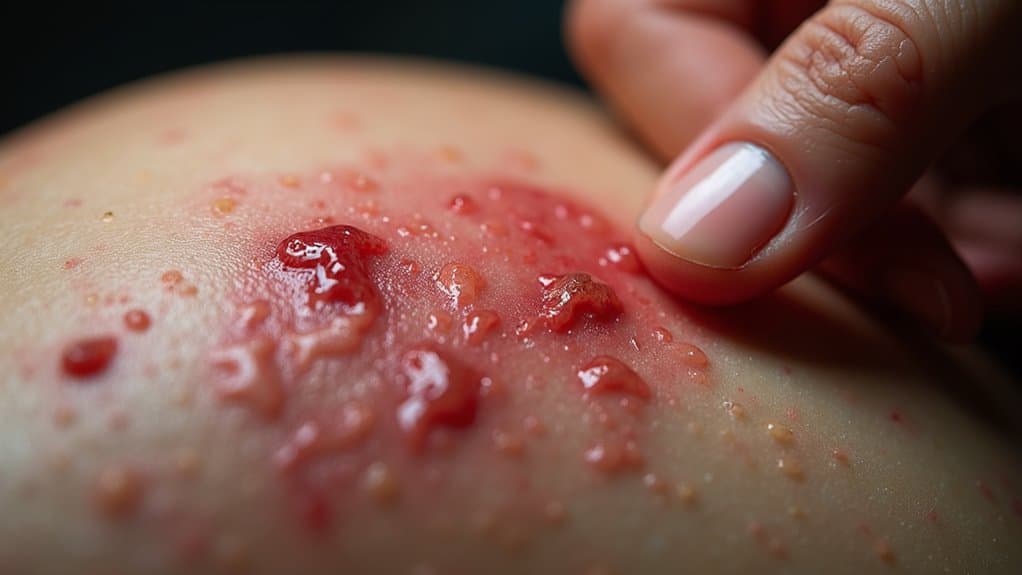
Compulsive picking leads to meth sores because formication, that relentless sensation of bugs crawling beneath your skin, drives you to scratch and pick until the skin breaks open. Your altered dopamine signaling makes these sensations feel urgent, so you keep picking through long binges. Meanwhile, meth narrows your blood vessels, restricting circulation and weakening your skin’s immune defenses. Combined with dry skin, poor nutrition, and neglected hygiene, these open wounds become infected easily and heal slowly.
| Contributing Factor | Effect on Your Skin |
|---|---|
| Compulsive picking | Breaks skin open |
| Restricted blood flow | Slows wound healing |
| Weakened immune system | Increases infection risk |
| Excessive sweating | Strips protective oils |
| Poor nutrition | Delays tissue repair |
These overlapping mechanisms show that meth sores aren’t imaginary, they’re real, treatable consequences.
Why sleep deprivation and stimulant effects worsen it

Sleep deprivation and stimulant effects worsen formication because both push your brain into a state where hallucinations become more likely. Meth’s stimulant effects alone can trigger formication, but sleep deprivation intensifies the experience. During long binges, you often go days without sleep, and this exhaustion disrupts your brain’s ability to process sensory information accurately. Meth already alters your dopamine and norepinephrine levels, distorting tactile perception, but adding sleep loss compounds that dysfunction. Your central nervous system becomes overwhelmed, making false sensations feel increasingly real and urgent.
You may notice the crawling sensations grow more intense the longer you stay awake. This combination also heightens paranoia and psychosis, reinforcing the delusion that bugs are truly present. Understanding this connection matters, because restoring sleep and stopping use are essential steps toward relief.
What skin damage and infection risks result
Formication drives you to pick and scratch at your skin to relieve the crawling sensation, and this is where real physical damage begins. Your scratching breaks the skin open, creating sores and lesions that struggle to heal. Meth narrows your blood vessels, restricting circulation and weakening your skin’s immune defenses. That combination of restricted blood flow and a compromised immune system means wounds become infected easily and heal slowly. Add dry, dehydrated skin from excessive sweating, poor hygiene during binges, and inadequate nutrition, and the damage compounds quickly. These open wounds, often called meth sores, aren’t a direct effect of the drug itself. Instead, they result from formication, chemical irritation, and self-neglect working together to break down and infect your skin.
How Tampa Outpatient Detox connects people to meth treatment
Tampa Outpatient Detox connects you to meth treatment by addressing the underlying methamphetamine use driving the sensation of bugs crawling beneath your skin. Because meth sores and formication signal a deeper problem that won’t resolve on its own, professional treatment becomes essential to your recovery. Since formication often stems from drug-induced psychosis and withdrawal, you’ll need medical supervision to manage symptoms safely and prevent worsening lesions.
When you reach out, you’re connected to care that treats both the physical damage and the psychological experience of meth mites. Because withdrawal can temporarily sustain your symptoms, medical support helps you through this stage without relapse. From there, you’re guided toward comprehensive meth treatment that resolves the root cause. Seeking professional help is the most effective step toward lasting recovery and healing.
Get Help for Meth Bugs and Formication
Meth bugs and formication can feel intensely real, and repeated scratching or picking can lead to sores, infection, and lasting skin damage. Tampa Outpatient Detox helps people explore meth withdrawal treatment and methamphetamine addiction treatment when tactile hallucinations, compulsive picking, or meth-related psychosis are affecting daily life. Call 740-562-7398 to discuss treatment options.
Frequently Asked Questions
Can Formication Occur During Meth Withdrawal as Well as During Meth Use?
Yes, formication can definitely happen during meth withdrawal, not just while you’re high. When you stop using psychostimulants like meth, that crawling, biting sensation on or under your skin can persist as a withdrawal symptom. It’s a real neurological experience, even though there aren’t actual bugs. The good news is these sensations usually fade as withdrawal passes. If you’re struggling, please reach out for professional support. You don’t have to manage this alone.
What Drugs Other Than Meth Can Cause Formication?
You’re not alone if you’ve felt this on other substances. Cocaine’s a common culprit. It’s earned the nickname “cocaine bugs,” along with LSD, PCP, heroin, and certain prescription painkillers. You can also experience formication while withdrawing from alcohol or opioids. Beyond drugs, low vitamin B12 or B9 (folate) levels can trigger it, as can some antidepressants, anti-seizure medications, and antifungal antibiotics. Addressing the underlying cause typically resolves the sensation.
Can Vitamin Deficiencies Cause a Crawling Sensation on the Skin?
Yes, vitamin deficiencies can cause that crawling sensation. If you’re low in vitamin B12 or vitamin B9 (folate), you might experience formication even without any drug use. It’s a real neurological symptom, not something you’re imagining. The good news is that it’s treatable. Addressing the underlying deficiency typically resolves the sensation. If you’re feeling this, talk with a healthcare provider who can test your levels and recommend appropriate supplementation.
How Long Does Drug-Induced Formication Usually Last?
Drug-induced formication usually stops once the drug wears off, so you’ll often find the sensation fades within hours as the high subsides. However, if you’re going through withdrawal, these symptoms can temporarily persist while your brain readjusts. The exact duration varies based on the substance and your usage patterns. If you’re struggling, don’t stop use abruptly on your own. Consult a medical professional first to manage symptoms safely and comfortably.
Yes, medications can help relieve your formication symptoms when the underlying cause can’t be resolved right away. The most effective approach, though, is treating what’s driving the sensation in the first place. If you’re experiencing this from meth use, seeking professional treatment for methamphetamine misuse is essential. Talk with a medical provider before stopping any drug use. They’ll help manage your symptoms and prevent your lesions from worsening.