


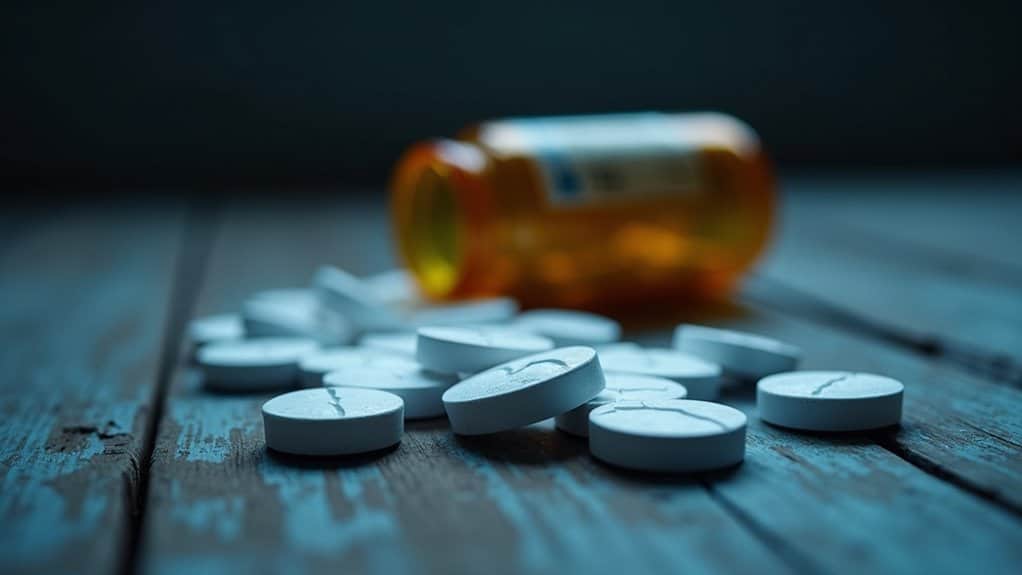


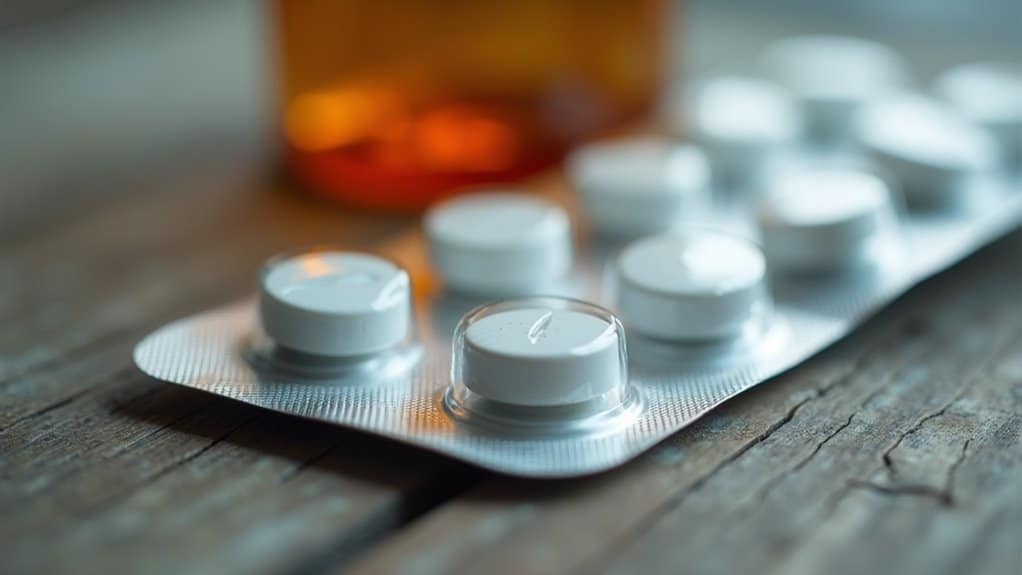
If you’ve found a white, oblong tablet imprinted “L484” on one side and blank on the other, you’re looking at acetaminophen 500 mg. It’s a non-opioid, over-the-counter analgesic and antipyretic, the generic equivalent of Tylenol Extra Strength. It isn’t a stimulant, narcotic, or scheduled drug. You’ll use it for mild to moderate pain and fever. But the real risk is liver damage, and that’s where things get serious.
Key Takeaways
- The L484 pill is acetaminophen 500 mg, a generic equivalent of Tylenol Extra Strength.
- It is a white, oblong, capsule-shaped tablet measuring 16mm, with “L484” debossed on one side and blank reverse.
- Classified as a non-opioid, over-the-counter analgesic and antipyretic in the miscellaneous analgesics drug class.
- It is not a stimulant, narcotic, opioid, or scheduled controlled substance, requiring no prescription.
- The primary safety concern is liver toxicity from excessive dosing, alcohol use, or combining acetaminophen products.
What is the L484 pill
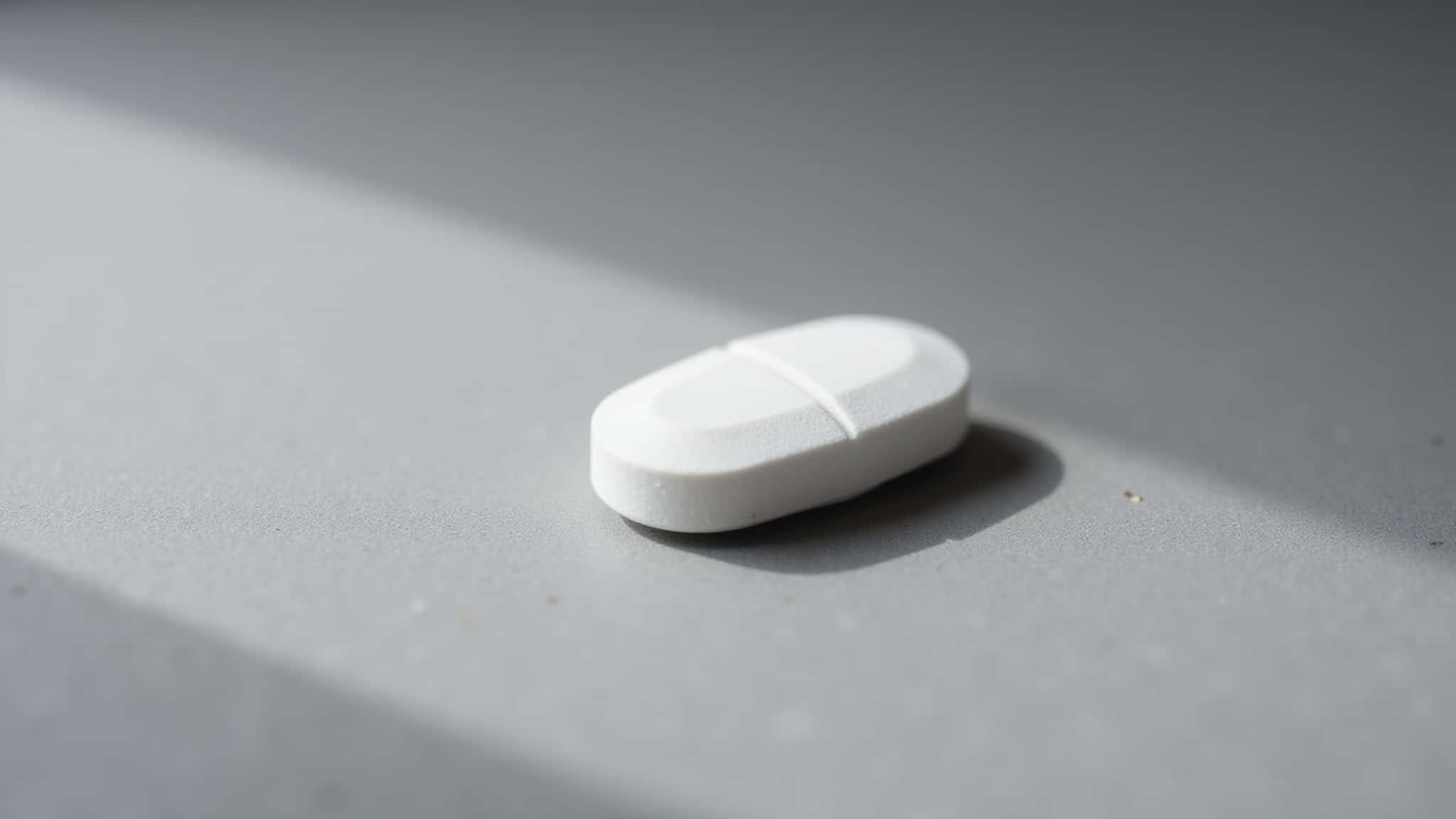
The L484 pill is acetaminophen 500mg, a non-opioid, over-the-counter analgesic. You’ll recognize it by its white, oblong, capsule-shaped design measuring 16mm, with “L484” debossed on one side and a blank reverse. This tablet belongs to the miscellaneous analgesics drug class and delivers a precise 500-milligram dose of acetaminophen, also known as paracetamol.
You’re looking at an extra-strength formulation identical to Tylenol Extra Strength, distributed as a generic by manufacturers like the Kroger Company under NDC 301420484. It functions as both an analgesic and antipyretic, relieving pain and reducing fever. Don’t confuse it with opioids like oxycodone or hydrocodone. L484 contains no narcotics and poses no controlled-substance risk, making it accessible for general consumer use.
Why L484 is acetaminophen 500 mg (a common OTC pain reliever)
L484 is acetaminophen 500 mg because the “L484” imprint functions as a manufacturer-specific identifier that definitively marks the tablet as acetaminophen 500 mg rather than any other compound. When you enter “L484” into a verified pill identifier, you’ll confirm a white, oblong, 16mm tablet debossed on one side and blank on the reverse. This imprint corresponds to the extra-strength formulation, delivering a precise 500 milligram dose of acetaminophen, also known as paracetamol, without any NSAIDs or opioids. You’re handling a generic equivalent of Tylenol Extra Strength, classified as a non-opioid, miscellaneous analgesic and antipyretic. The distributor, Kroger Company, assigns NDC 301420484 for traceability. Because manufacturers standardize these codes, you can trust that L484 contains only acetaminophen, ruling out hydrocodone, oxycodone, or any controlled substance entirely.
Why L484 is NOT a stimulant or controlled substance
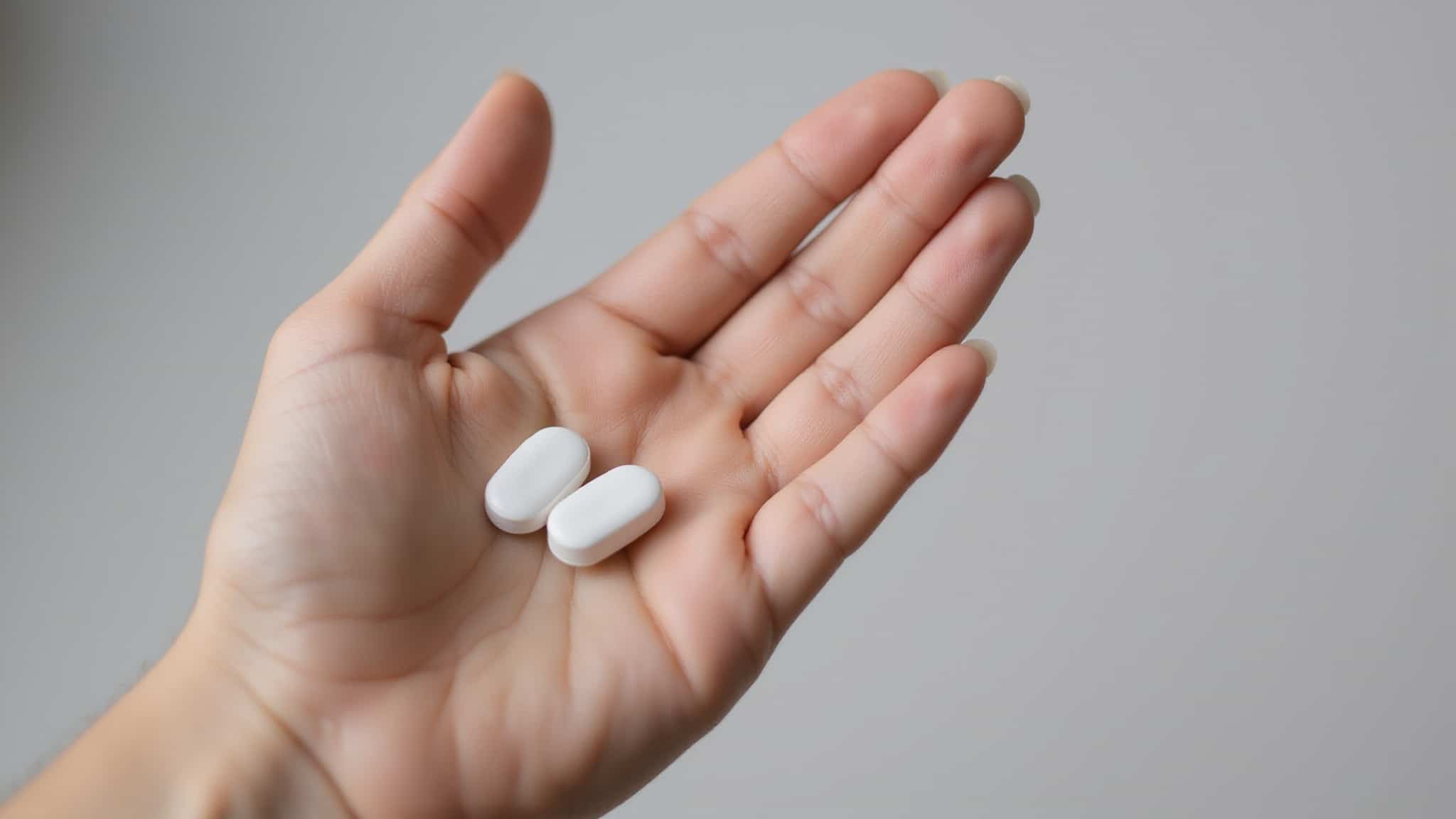
L484 isn’t a stimulant or a controlled substance, it’s acetaminophen 500 mg, a non-opioid analgesic and antipyretic. You won’t find any narcotic, opioid, or stimulant compound in this tablet. Unlike controlled medications such as Norco, Percocet, hydrocodone, or oxycodone, L484 carries no potential for dependence or abuse. It’s available over-the-counter, requires no prescription, and isn’t regulated as a scheduled drug. You can purchase it freely for home use without physician supervision. When misinformation labels it a narcotic, understand that no scientific or regulatory basis supports that claim. The only genuine safety concern is liver toxicity from excessive doses or alcohol use, not addiction. Verify its identity through Drugs.com’s Pill Identifier by entering the “L484” imprint code.
What acetaminophen is used for
Acetaminophen is used to treat two distinct problems: pain and fever. As an analgesic, it relieves mild to moderate discomfort across a broad range of conditions. As an antipyretic, it lowers fever tied to common illnesses. You’ll find it effective for everyday and chronic pain complaints alike.
Consider these primary applications:
- Pain relief: headaches, muscle aches, back pain, toothaches, menstrual cramps, and general mild-to-moderate pain.
- Fever reduction: fever from colds, flu, and other common infections.
- It relieves the pain or fever associated with many conditions, but it treats the symptom, not the underlying disease.
You shouldn’t rely on L484 for severe acute pain requiring opioids. It’s designed for mild to moderate cases, where 500mg delivers reliable, measured relief without narcotic intervention.
Why the real danger is liver damage from taking too much

The real danger is liver damage from taking too much acetaminophen. When you take too much acetaminophen, your liver can’t metabolize the excess, leading to hepatic damage or failure. This risk increases notably if you drink alcohol or already have liver problems. L484 carries no narcotic risk, but it isn’t without consequence.
Each L484 tablet delivers 500mg, so tracking your daily intake matters.
| Risk Factor | Consequence |
|---|---|
| Excessive dosing | Liver toxicity |
| Alcohol consumption | Amplified hepatic damage |
| Existing liver disease | Increased failure risk |
| Combining products | Accidental overdose |
Many products contain acetaminophen, so you can accumulate a dangerous dose unknowingly. Read every label carefully. If you have liver conditions, consult a physician before use. Respect the dosage limits, and you’ll avoid this serious harm.
When acetaminophen overdose is a medical emergency
Acetaminophen overdose becomes a medical emergency when you’ve exceeded the maximum daily dose or ingested a large amount at once, because it can progress silently before symptoms appear. Early signs are often nonspecific, so don’t wait for obvious deterioration. Seek immediate care when you notice:
Acetaminophen overdose can progress silently before symptoms appear, so don’t wait for obvious deterioration. Seek immediate medical care.
- Persistent nausea, vomiting, or right upper abdominal pain, which may signal early hepatic injury.
- Confusion, jaundice, or unusual drowsiness, indicating potential liver failure requiring intervention.
- Known ingestion above the maximum daily dose on the product label (up to 4,000 mg in 24 hours for healthy adults, less if you drink alcohol or have liver disease).
Call poison control or go to an emergency department right away. Timely administration of N-acetylcysteine can prevent irreversible liver damage.
How Tampa Outpatient Detox helps people worried about substance use
Tampa Outpatient Detox helps people worried about substance use by providing answers without judgment. If you’re worried about what you’re taking or how much, you can get clarity about your situation. Their clinical team helps you verify medications, assess your use patterns, and identify whether you’re developing dependence on any substance. You don’t need to stop your daily life to get support; outpatient care lets you continue working while addressing concerns. If you’ve misidentified L484 or worry you’ve mixed it with alcohol or other drugs, they’ll evaluate your risk and guide next steps. When you’re uncertain whether occasional use has become problematic, professional assessment gives you clarity and a structured, medically supervised path forward.
Know the Risks Behind the L484 Pill
The L484 pill contains acetaminophen 500 mg and is not an opioid or controlled substance, but taking too much can cause serious liver damage. Tampa Outpatient Detox helps people concerned about acetaminophen misuse and prescription medication misuse understand substance-related risks and explore appropriate support. Call 740-562-7398 to discuss available options.
Frequently Asked Questions
Is It Safe to Take L484 During Pregnancy or Breastfeeding?
You can typically take L484 (acetaminophen 500mg) during pregnancy and breastfeeding, as it’s generally considered the preferred pain reliever and fever reducer for these situations. However, you should consult your physician before use to confirm it’s appropriate for you. Take only the recommended dose, since excessive amounts risk liver toxicity. Don’t combine it with alcohol. If you’re managing chronic conditions or taking other medications, seek professional guidance first.
How Long Should You Wait Between L484 Doses?
You should wait at least 4 to 6 hours between L484 doses. Follow the specific product’s label: many acetaminophen labels cap daily use at 3,000 mg (6 tablets), while the general adult maximum is 4,000 mg in 24 hours. Because L484 is a generic, check its packaging and don’t exceed the stated limit. Never take two doses too close together, as excessive acetaminophen risks liver toxicity. If you’re still in pain after your last dose, wait the full interval before taking more. Consult your physician for prolonged use.
Can L484 Interact With Blood Thinners or Other Medications?
Yes, L484 can interact with certain medications. If you’re taking blood thinners like warfarin, regular acetaminophen use may enhance their anticoagulant effect, increasing your bleeding risk. You’ll also want to avoid combining it with other acetaminophen-containing products, as this raises your risk of liver toxicity. Don’t mix it with alcohol for the same reason. Consult your physician or pharmacist before using L484 alongside any prescription drugs or supplements.
Can You Take L484 and Ibuprofen at the Same Time?
Yes, you can take L484 (acetaminophen 500mg) with ibuprofen at the same time. These medications work differently. Acetaminophen is a non-NSAID analgesic, while ibuprofen is an NSAID, so they don’t share the same toxicity risks and can be combined safely for enhanced pain relief. However, you’ll want to follow recommended doses for each, avoid exceeding daily limits, and consult your pharmacist if you’re managing chronic conditions or taking other medications.
How Should L484 Pills Be Safely Stored at Home?
Store your L484 pills at room temperature, ideally between 68°F and 77°F, away from direct heat, moisture, and light. Keep them in their original container with the lid tightly closed. Don’t store them in bathrooms, where humidity can degrade the tablets. Always keep them out of reach of children and pets. Check the expiration date regularly, and discard any expired or damaged tablets properly. Avoid freezing or exposing them to extreme temperatures.