



Rohypnol’s effects typically hit you within 15-30 minutes of ingestion, with peak incapacitation occurring between 45 minutes and 2 hours. You’ll experience profound sedation, impaired motor coordination, and anterograde amnesia during this window. The drug’s 16-35 hour elimination half-life means aftereffects, including cognitive impairments, memory deficits, and persistent confusion, can last 5-6 days. Understanding the complete pharmacological timeline helps you recognize symptoms and seek appropriate testing.
How Fast Do Roofies Kick In?

Rohypnol (flunitrazepam) demonstrates rapid absorption following oral ingestion, with effects typically manifesting within 15 to 30 minutes of consumption. You’ll reach peak blood concentrations within one to two hours post-administration. The question of how long does a roofie take to kick in depends on several factors, including dosage and whether you’ve consumed alcohol.
At doses as low as 1 mg, you’ll experience noticeable sedation within 30 minutes. When combined with alcohol, onset accelerates dramatically, you may appear severely intoxicated within 15 minutes despite minimal alcohol consumption. Higher doses produce abrupt, disorienting effects without warning. As a CNS depressant, Rohypnol works by reducing central nervous system activity, which explains its powerful sedating properties. Because the drug is odorless and tasteless, it can be slipped into beverages without detection, making vigilance in social settings critical.
Clinical indicators include sudden lethargy, impaired motor function, confusion, and disproportionate intoxication relative to alcohol intake. These symptoms escalate rapidly, potentially causing blackouts shortly after ingestion. The drug can remain detectable in the body for up to 72 hours, which is important for forensic testing purposes.
What Roofies Do to Your Body and Mind
Because flunitrazepam acts as a potent benzodiazepine, it rapidly crosses the blood-brain barrier and binds to GABA-A receptors throughout your central nervous system. This binding enhances GABAergic inhibition, producing pronounced sedation, anxiolysis, and muscle relaxation within 15-30 minutes of ingestion.
Your CNS experiences significant depression, resulting in impaired cognition, anterograde amnesia, and compromised motor coordination. You may exhibit slurred speech, visual disturbances, and drooping eyelids. Peak plasma concentrations occur between 45 minutes and 2 hours post-ingestion, when incapacitation reaches maximum intensity.
CNS recovery requires substantial time as your body metabolizes the compound. You’ll likely experience residual effects including confusion, headache, nausea, and cognitive fog persisting 12-24 hours post-exposure. Blood pressure drops, respiratory function may decrease, and blackout periods prevent memory consolidation of events during intoxication. With repeated use, physical addiction can develop, leading to withdrawal symptoms when the drug is discontinued.
Why Roofies and Alcohol Are a Deadly Combination
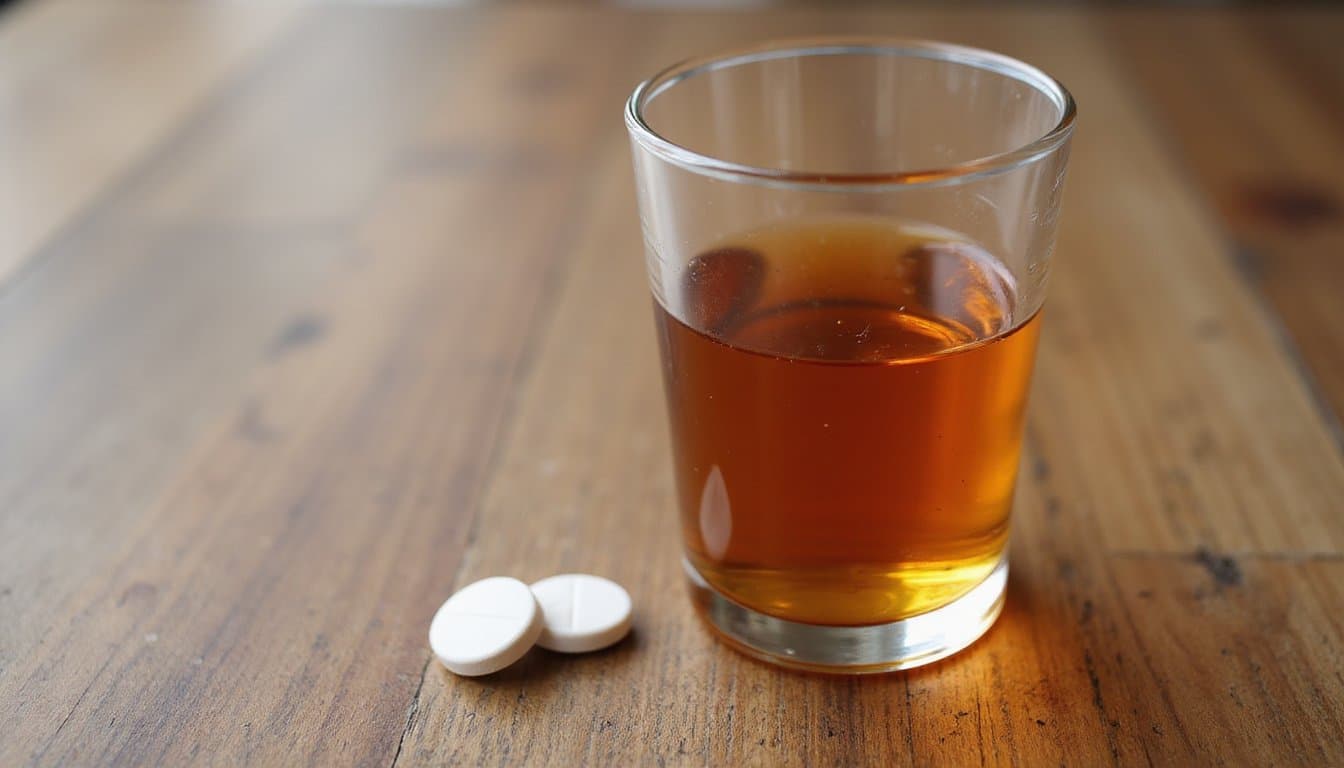
When you combine roofies with alcohol, both substances target your central nervous system’s GABA receptors, creating additive effects that dramatically slow your breathing rate to potentially fatal levels. This enhanced respiratory depression occurs because flunitrazepam is approximately 10 times more potent than diazepam, and alcohol amplifies all its depressant actions on your brain and body. The amplified sedation effects don’t just make you drowsy, they can suppress your heart rate and respiratory function to the point of unconsciousness or death. This dangerous combination is why roofies became known as the “date rape drug”, as perpetrators exploit its powerful sedative effects combined with alcohol to incapacitate victims. If you suspect someone has overdosed on this combination, call 911 immediately and stay with them while monitoring their breathing until help arrives. Research also shows this combination may impair neural circuits in the prefrontal cortex, leading to inhibitory dysregulation and potentially dangerous impulsive or aggressive behavior.
Enhanced Respiratory Depression
Combining Rohypnol with alcohol creates a synergistic effect that dramatically amplifies central nervous system depression beyond what either substance produces alone. Your body’s drug metabolism becomes overwhelmed when processing both substances simultaneously, as Rohypnol’s extended half-life prolongs dangerous interactions.
| Effect | Rohypnol Alone | With Alcohol |
|---|---|---|
| Potency | Baseline | 3x increased |
| Respiratory rate | Decreased | Severely suppressed |
| Overdose risk | Moderate | Critical |
This combination suppresses your brainstem’s respiratory center, reducing breathing rate and depth to potentially fatal levels. You’ll experience dangerous hypoventilation as both substances compete for metabolic pathways. Blood pressure drops precipitously while heart rate slows, creating conditions for respiratory arrest. Clinical evidence confirms this synergy transforms survivable doses into lethal combinations. Because Rohypnol is much stronger than Valium or Xanax, adding alcohol intensifies these already powerful sedative effects exponentially. The drug remains detectable for only about 60 hours after ingestion, making timely testing critical for victims.
Amplified Sedation Effects
The sedative properties of Rohypnol don’t simply add to alcohol’s effects, they multiply exponentially, creating a synergistic depression of your central nervous system that far exceeds either substance alone. This dangerous combination slows CNS activity to dangerous levels, causing severe incapacitation, unconsciousness, or potentially fatal outcomes.
When examining how long roofies last with alcohol present, you’ll experience exaggerated intoxication and profound sedation. How long does being roofied last depends on dosage, but the multiplied effects intensify impairment greatly. You may encounter slurred speech, extreme drowsiness, and complete loss of motor coordination. Understanding that craft beers and mixed drinks often contain more than one standard drink makes it even more critical to recognize that what appears to be minimal alcohol consumption can still create dangerous interactions with Rohypnol.
Roofied symptoms the next day often include severe fatigue and cognitive dysfunction. The day after being roofied, you’ll likely experience roofie hangover effects, persistent confusion and weakness. The next day, symptoms of being roofied reflect your body’s prolonged recovery from this dangerous pharmacological synergy. Awareness of signs of drink spiking incidents is essential in social settings. Recognizing these signs can help protect yourself and others from potential harm. Seek immediate assistance if you or someone else shows any symptoms that may indicate that something is wrong.
Aftereffects That Can Last for Days
Aftereffects from roofie exposure can persist for several days beyond the initial intoxication period, affecting multiple body systems simultaneously. You may experience cognitive impairments, including memory deficits lasting 5-6 days and persistent confusion. Physical symptoms such as gastrointestinal distress, tremors, and fatigue commonly continue for 12+ hours post-exposure. what does being roofied feel like can vary from person to person, but often includes a disorienting sense of detachment and heightened anxiety. Many individuals report sudden changes in mood and a troubling inability to recall events surrounding the exposure. The emotional toll can linger long after the physical symptoms have subsided, leading to feelings of vulnerability and distrust.
| Symptom Category | Duration |
|---|---|
| Memory impairment | 5-6 days |
| Gastrointestinal distress | 12+ hours |
| Rebound anxiety | 3-4 days onset |
| Protracted withdrawal | 10-14 days |
You’ll likely notice psychological sequelae emerging around day three, including anxiety, sleep disturbances, and dissociation. It’s important to understand that all direct pharmacological effects have resolved by 72 hours post-ingestion, meaning symptoms persisting beyond this point are typically psychological sequelae or related to other factors rather than the drug itself. Your body may exhibit withdrawal-like responses with heightened blood pressure, irritability, and insomnia. These protracted symptoms typically resolve within two weeks but require monitoring.
How Long Do Roofies Stay in Your System?
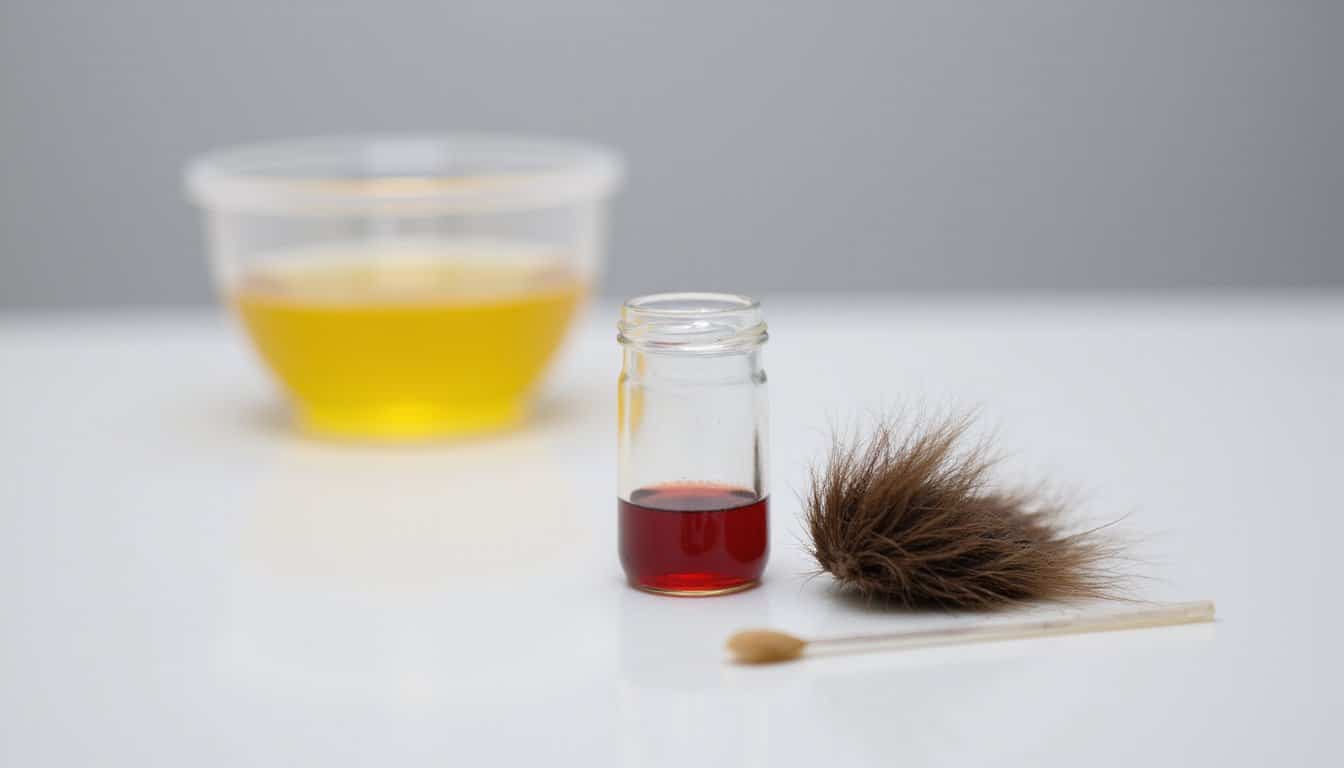
Understanding how long roofies remain detectable in your system becomes particularly important when aftereffects persist for days. Flunitrazepam has an elimination half-life of 16-35 hours, meaning your body metabolizes it gradually over this period. The drug has a 64-77% oral absorption rate, with peak concentrations occurring 30-90 minutes after ingestion.
Blood tests detect the substance for up to 24 hours, identifying concentrations as low as 4 ng/ml. Urine testing extends this window considerably, standard screens detect roofies for up to 5 days, while the metabolite 7-aminoflunitrazepam remains identifiable for 14-28 days depending on dosage. Hair analysis provides the longest detection window at 90 days post-ingestion. In cases where individuals suspect they have been drugged, can you test for roofied substances quickly becomes a critical question. Immediate medical attention is advised, as timely intervention can lead to better outcomes. Additionally, many forensic labs offer comprehensive testing for a variety of drugs, ensuring that victims receive the necessary support and resources.
Several factors influence detection times: dosage amount, your age, BMI, concurrent substance use, and frequency of exposure. Your liver and kidney health also play a significant role in how quickly your body processes and eliminates the drug. If you’re seeking testing after suspected exposure, you’ll want to act within these detection windows to obtain accurate results. Many survivors of suspected drugging never receive confirmation because these substances are fast-clearing from the body, making early testing crucial.
Will Roofies Show Up on a Drug Test?
If you suspect you’ve been drugged, understanding detection windows across different testing methods is critical for obtaining evidence. Urine testing remains the most reliable option, detecting Rohypnol metabolites within 12, 72 hours post-exposure, while blood and saliva screenings offer narrower windows of approximately 24 hours. Hair testing provides the longest detection capability, up to 90 days, though you’ll need to wait at least two weeks after exposure for accurate results. Because GHB metabolizes rapidly and may clear from urine in under 12 hours, seeking testing as quickly as possible, ideally within the first 12 hours, is vital for preserving evidence.
Urine Detection Time Frames
Because Rohypnol metabolizes rapidly, timing matters critically when pursuing urine detection. Standard panels detect the drug for approximately 72 hours post-exposure, while the primary metabolite 7-aminoflunitrazepam remains identifiable for up to four days. Specialized testing extends this window to five days under normal dosing conditions.
Your detection window varies based on several factors. Higher doses prolong detectability to 10 days, and individual metabolism creates variation ranging from four to 21 days. Research using enzyme immunoassay has confirmed positive results up to 21 days in some subjects.
For ideal results, you should provide urine samples within 12-72 hours of suspected exposure. Urine testing outperforms blood analysis beyond the 60-hour mark. Note that specialized panels are required, as standard screenings don’t always include Rohypnol.
Hair Testing Capabilities
Hair follicle testing offers the longest detection window for Rohypnol, extending up to 90 days under standard laboratory protocols. Drug metabolites incorporate into hair strands 7-10 days post-exposure through the bloodstream, binding to protein and melanin structures. The primary metabolite detected is 7-aminoflunitrazepam.
| Detection Parameter | Standard Protocol | Extended Capability |
|---|---|---|
| Hair Length | 1.5 inches | Varies by growth |
| Detection Window | 90 days | Up to 12 months |
| Ideal Testing Time | After 21 days | 24 hours-28 days |
You should note that significant limitations exist. Studies indicate accuracy ranges from 2.9% to 65%, with false negatives occurring frequently. Research on single 2 mg doses found metabolite concentrations between 0.5-8.0 pg/mg across volunteers, with flunitrazepam itself often falling below quantitation limits.
Blood and Saliva Screening
While hair testing provides the longest detection window, blood and saliva screening offer more immediate confirmation of recent Rohypnol exposure.
Blood tests detect Rohypnol for up to 24 hours post-ingestion, with ideal detection occurring within the first 12 hours. These tests identify concentrations as low as 4 ng/ml, providing quantitative measurements essential for medical management and legal proceedings. However, the invasive collection method and narrow detection window limit their practical application beyond acute hospital settings.
Saliva testing offers a non-invasive alternative but presents significant limitations. Detection windows span only a few hours as drug concentrations rapidly decrease through metabolism. While useful for immediate roadside screenings, saliva testing lacks the reliability of blood analysis. You should seek testing within 12 hours of suspected exposure to maximize detection accuracy.
Help Is Here When You Need It
Roofies and other spiking substances can leave lasting effects, and getting the right support is just as important as prevention. At Tampa Outpatient Detox, we connect you with licensed detox centers in Tampa offering Outpatient Detox Programs to help you reclaim your health and move forward. Call (740) 562-7398 today and start your journey toward a healthier life.
Frequently Asked Questions
Can Roofies Affect People Differently Based on Their Body Weight?
Yes, your body weight directly influences how roofies affect you. If you have a lower body mass, you’ll likely experience faster onset and more intense sedation because the drug distributes through a smaller volume. You’ll notice quicker coordination loss and stronger disorientation compared to someone heavier. Higher body weight generally correlates with slower drug distribution and potentially milder effects, though individual metabolism, alcohol consumption, and prior substance exposure also considerably modify your response.
Do Roofies Have a Taste or Smell in Drinks?
Most roofies don’t have a detectable taste or smell in drinks. Rohypnol, GHB, and ketamine are typically colorless and odorless, making them difficult to identify through sensory means. You might notice a slightly salty or bitter taste with some formulations, but this is easily masked by sweet or strong-flavored beverages. Brand-name Rohypnol contains a blue dye that can tint light-colored drinks, though generic versions lack this safety feature.
What Should I Do if I Suspect I Was Drugged?
Seek immediate medical attention at an emergency department and request toxicological testing, detection windows are narrow (GHB: 8-12 hours; Rohypnol: 24 hours in blood). Don’t shower or change clothes to preserve evidence. Document your symptoms and timeline, then file a police report.
Can Roofies Cause Long-Term Memory Problems After a Single Exposure?
A single exposure to flunitrazepam typically doesn’t cause long-term memory problems. You’ll experience acute anterograde amnesia lasting up to 12-24 hours, but current evidence doesn’t confirm permanent cognitive damage from isolated doses. Your memory impairment remains temporary, resolving as the drug metabolizes. However, repeated exposure dramatically increases your risk for persistent deficits. If you’re experiencing prolonged memory issues after suspected drugging, consult a healthcare provider to rule out other contributing factors.
Are There Any Medications That Can Reverse Roofie Effects Quickly?
Flumazenil can reverse roofie effects quickly in medical settings. This benzodiazepine antagonist works within 1-2 minutes when administered intravenously, blocking Rohypnol’s sedative action at GABA receptors. However, you shouldn’t attempt self-treatment, flumazenil requires clinical supervision due to seizure risks and potential resedation. Since its effects last only 1-2 hours while Rohypnol persists 8-12 hours, you’ll need repeat doses and continuous monitoring. Seek emergency care immediately for proper evaluation.