





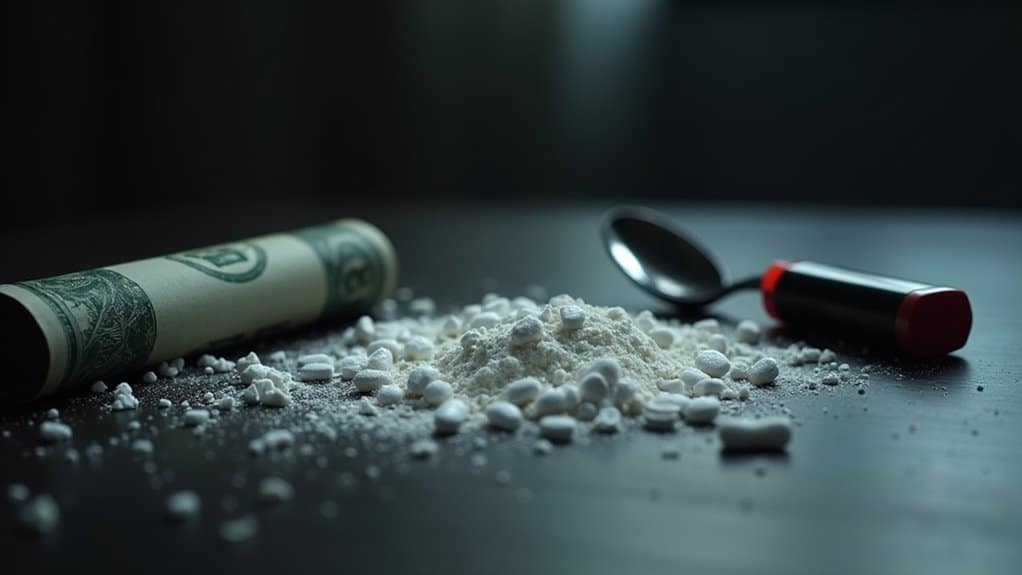

Yes, meth causes hair loss. It constricts your blood vessels, choking off the oxygen and nutrients your follicles need to grow. It also suppresses your appetite, starving your hair of protein and vitamins. On top of that, meth can trigger skin-picking, compulsive pulling, and sleep deprivation that all damage follicles further. As a result, some people who use meth may experience hair thinning or excessive shedding over time. The good news? There’s more you should know about recovery.
Key Takeaways
- Yes, meth causes hair loss by disrupting natural growth cycles and damaging the follicles responsible for producing hair.
- Meth constricts blood vessels, reducing the oxygen and nutrients follicles need, which weakens strands and stops healthy growth.
- Appetite suppression causes malnutrition and protein deficiency, pushing hair into the resting phase and triggering excessive shedding.
- Compulsive behaviors like skin-picking and hair-pulling, often driven by anxiety or hallucinations, damage follicles and risk permanent loss.
- Hair often recovers after stopping meth, as blood flow improves and normal growth cycles gradually resume.
Does meth cause hair loss
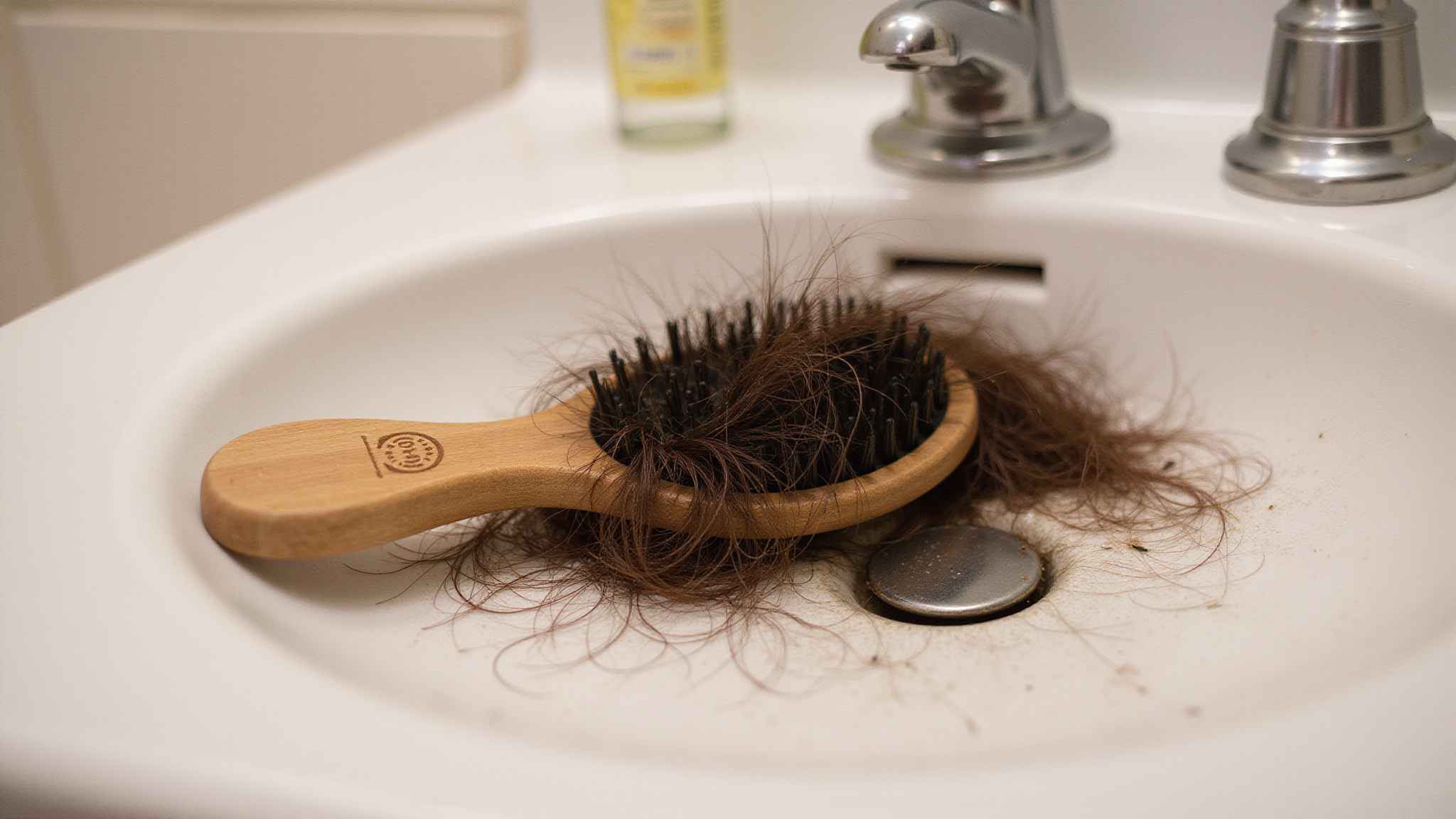
Yes, meth causes hair loss by disrupting your hair’s natural growth cycles and damaging the follicles that produce it. Meth constricts your blood vessels, cutting off the blood flow your follicles need to stay healthy. This reduced circulation, combined with lower keratin levels, weakens each strand from the root.
Meth also interferes with the anagen (growth) phase, slowing cell division and pushing hair prematurely into the telogen (resting) phase. The result is excessive shedding, often described as a “shower drain effect.”
Hair thinning or excessive shedding may develop over time, especially when meth use contributes to poor nutrition, stress, or other health problems. If you’re experiencing this, know that it’s a recognized effect and, in many cases, recoverable.
How meth’s effects on circulation can affect hair
Meth’s effects on circulation damage hair by constricting your blood vessels, and this narrowing directly reduces the blood flow your hair follicles depend on. Your follicles need a steady supply of oxygen and nutrients to sustain healthy growth, and when circulation drops, they can’t function properly. This reduced blood flow contributes directly to follicle damage and hair loss.
Without adequate nourishment, your follicles weaken, and hair growth slows or stops. Over time, this deprivation pushes strands into shedding phases prematurely, leaving you with noticeable thinning. The follicles themselves can sustain damage that compromises future growth.
This connection explains why your hair suffers when you use meth. The good news is that restoring circulation, after you stop, often supports meaningful recovery.
How poor nutrition and appetite loss contribute to thinning hair
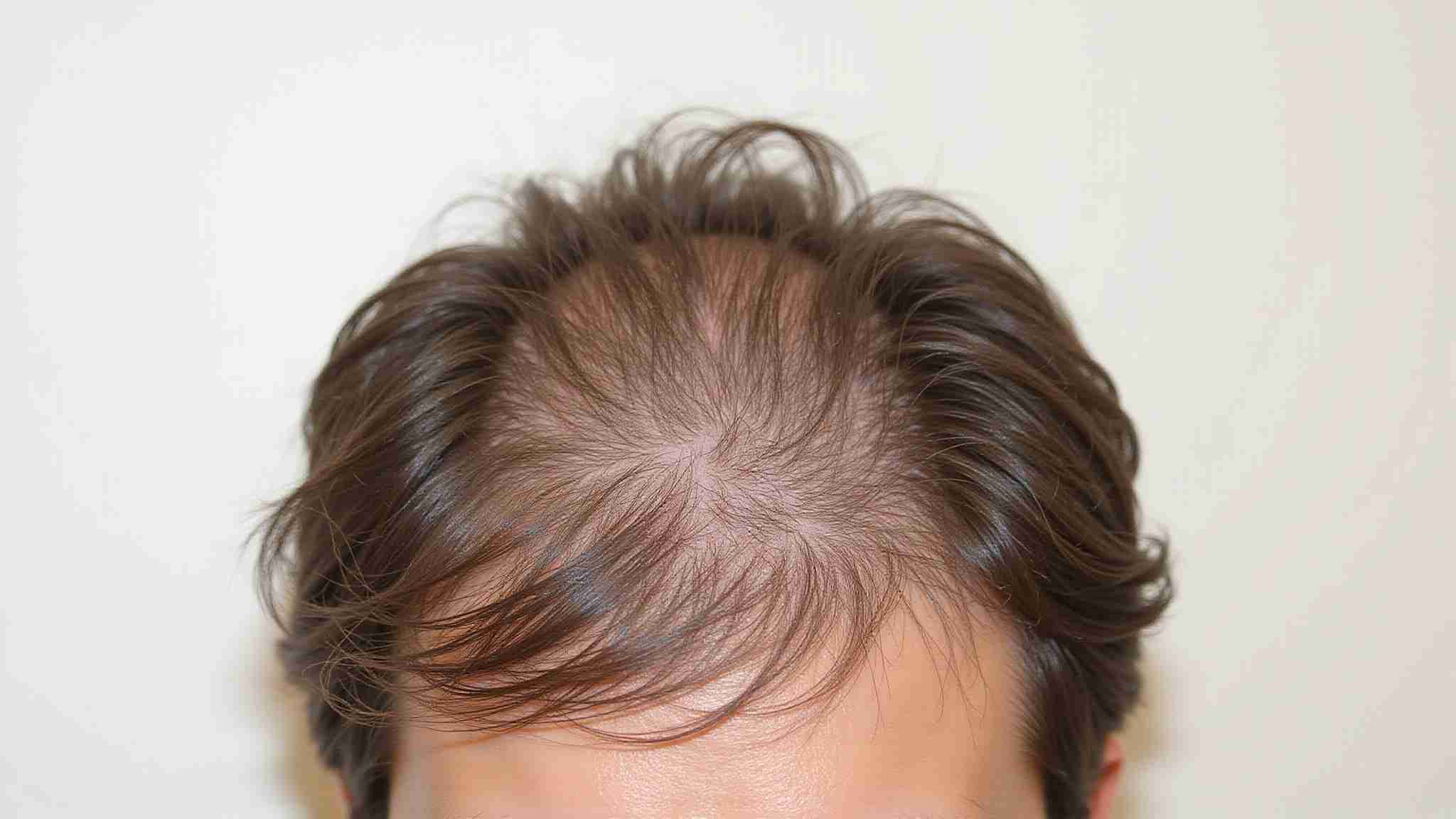
Poor nutrition and appetite loss thin your hair by depriving follicles of the protein, vitamins, and minerals they need to grow. Meth suppresses your appetite so aggressively that you may go days without eating, starving your body of the nutrients hair depends on. Because your follicles rely on a steady supply of keratin-building nutrients, malnutrition pushes strands prematurely into the resting phase, triggering telogen effluvium.
You might notice:
- Hair that feels brittle, dry, and lifeless from protein deficiency
- Excessive shedding filling your brush or shower drain
- Thinning that spreads diffusely across your entire scalp
When your body lacks fuel, it prioritizes critical organs over hair. Restoring balanced nutrition and hydration during recovery gives your follicles the resources they need to rebuild.
How skin-picking and stress add to hair loss
Skin-picking and stress add to hair loss through meth’s grip on your nervous system, which creates a second pathway to follicle damage. The drug catalyzes anxiety, driving nervous habits like skin picking and hair pulling. When you tug at your hair repeatedly, you damage the follicle’s anchor, increasing your risk of permanent loss. Tactile hallucinations, sometimes described as bugs crawling on your skin, can trigger unconscious pulling, worsening the damage.
| Behavior | Effect on Hair |
|---|---|
| Skin picking | Follicle irritation and scarring |
| Hair pulling | Damaged anchor, permanent loss |
| Chronic anxiety | Accelerated shedding |
| Tactile hallucinations | Unconscious pulling |
| Compulsive fidgeting | Repeated follicle trauma |
Understanding these patterns matters. If you recognize them in yourself, know that recovery can interrupt this cycle and protect your remaining follicles.
How sleep deprivation and overall decline play a role

Sleep deprivation and overall decline accelerate meth’s damage to your hair by depriving your body of the repair window it needs to sustain healthy follicle function. When you stay awake for days during binges, you disrupt the cellular regeneration that normally happens during rest. Your follicles depend on this recovery period to complete their growth cycles and maintain keratin production.
- Follicles starved of overnight repair, their growth cycles stalling in the darkness you never let arrive
- A body running on empty, diverting scarce resources away from hair toward basic survival
- Nutritional depletion and dehydration stacking silently, leaving strands brittle and thinning
As your overall health declines, hair loss becomes one visible sign of deeper strain. Restoring sleep and nutrition supports your body’s ability to heal.
Whether hair can recover after stopping meth
Your hair often recovers after you stop using meth. When you quit, blood flow to your follicles improves, and disrupted growth cycles gradually normalize. Most meth-induced hair loss reverses with proper treatment and recovery, so you can expect regrowth over time as your body heals.
Your recovery depends on individual factors and how severely you used the drug. Supporting your body with good nutrition and hydration helps your follicles rebuild keratin and produce stronger, healthier hair. Give the process time, since regrowth doesn’t happen overnight.
Keep in mind that severe or prolonged use may cause long-term follicle damage that’s harder to reverse. Still, quitting gives your hair its best chance to recover, and every step toward recovery supports your overall health.
How Tampa Outpatient Detox connects people to meth treatment
Tampa Outpatient Detox connects you to meth treatment by assessing your needs, connecting you with appropriate detox and addiction treatment providers, linking you to evidence-based programs that address both the physical and psychological effects of meth use. This helps you stop using and gives your hair, and your health, a chance to recover. Because meth-induced hair loss is often reversible once use stops, getting you into care quickly matters.
- A supportive intake team that listens without judgment and maps out your next steps
- Medically monitored detox that eases withdrawal while stabilizing your body
- Connections to counseling, nutrition support, and ongoing recovery resources
You don’t have to navigate this alone. Reach out, and we’ll help you rebuild your health, your confidence, and your hair.
Address Meth Use Before Hair and Health Problems Get Worse
Hair thinning from meth use can be a visible sign of deeper problems involving circulation, nutrition, sleep, and overall health. Tampa Outpatient Detox helps people explore meth detox and meth addiction treatment options that address the underlying drug use while the body begins recovering. Call 740-562-7398 to discuss available treatment options.
Frequently Asked Questions
Yes, meth can affect facial and body hair too. The same mechanisms that damage your scalp, constricted blood flow, disrupted growth cycles, and reduced keratin, impact follicles throughout your body. You might notice thinning in your eyebrows, beard, or body hair from nutritional deficiencies and dehydration that often accompany meth use. If you’re pulling or picking at hair, that adds to the loss. The good news? Much of this often reverses with recovery.
Can Meth Use Affect Hair Color or Lead to Premature Graying?
There is limited evidence that meth directly causes premature graying. What’s clear is that meth damages your hair’s structure, keratin, and follicles, which affects texture and strength. If you’re noticing graying, it may stem from other factors like stress, nutrition, or genetics. If you’re concerned about changes in your hair, talking with a healthcare provider can help.
Are Some People More Genetically Susceptible to Meth-Related Hair Loss?
Yes, your genetics can make you more vulnerable to meth-related hair loss. If you carry a family history of androgenetic alopecia, meth’s effects on blood flow and keratin can accelerate thinning you’re already predisposed to. Your individual sensitivity to stress-induced telogen effluvium also plays a role. While the knowledge doesn’t detail specific genes, inherited follicle sensitivity likely worsens your outcome. Recovery’s still possible once you stop using.
Can Hair Treatments or Transplants Help With Meth-Related Hair Loss?
Hair products and transplants can help, but they’re not your first step. Since meth-related hair loss is often reversible, stopping use lets your follicles recover naturally with proper nutrition and hydration. Gentle, keratin-supporting products may improve remaining hair’s strength and appearance while you heal. Transplants are typically reserved for severe, permanent follicle damage that won’t recover on its own. You’ll get the best results by addressing the root cause first.
How Does Meth-Related Hair Loss Differ From Hair Loss Caused by Other Drugs?
Meth causes more severe hair loss than many other drugs because it combines multiple mechanisms: it constricts blood vessels to your follicles, disrupts growth cycles, reduces keratin, and triggers nervous hair-pulling habits. Unlike some substances that cause temporary shedding, meth’s dehydration and behavioral effects amplify the damage. The good news is that your hair loss is often reversible once you stop using, though prolonged use may cause lasting follicle damage.