







“Coke jaw” is the involuntary clenching, grinding, and repetitive jaw movement you experience during and after cocaine use. It’s a form of drug-induced bruxism, driven by cocaine’s effect on your brain. The drug spikes dopamine and overstimulates your nervous system, keeping your jaw muscles contracted when they’d normally relax. Vasoconstriction reduces blood flow, adding tension you can’t consciously control. Over time, this can wear enamel and damage your teeth and gums. Here’s what you should know.
Key Takeaways
- “Coke jaw” is an informal term for involuntary jaw clenching, grinding, and repetitive muscle movements linked to cocaine use.
- It aligns clinically with drug-induced bruxism and occurs during active intoxication and throughout the comedown period.
- Cocaine drives up dopamine levels, overstimulating the nervous system and causing hyperactivity in the muscles controlling the jaw.
- Vasoconstriction reduces blood flow to jaw muscles, adding tension and sustaining contractions that cannot be consciously controlled.
- Consequences include enamel wear, gum disease, chronic jaw pain, and palate perforation from direct drug contact.
What is coke jaw
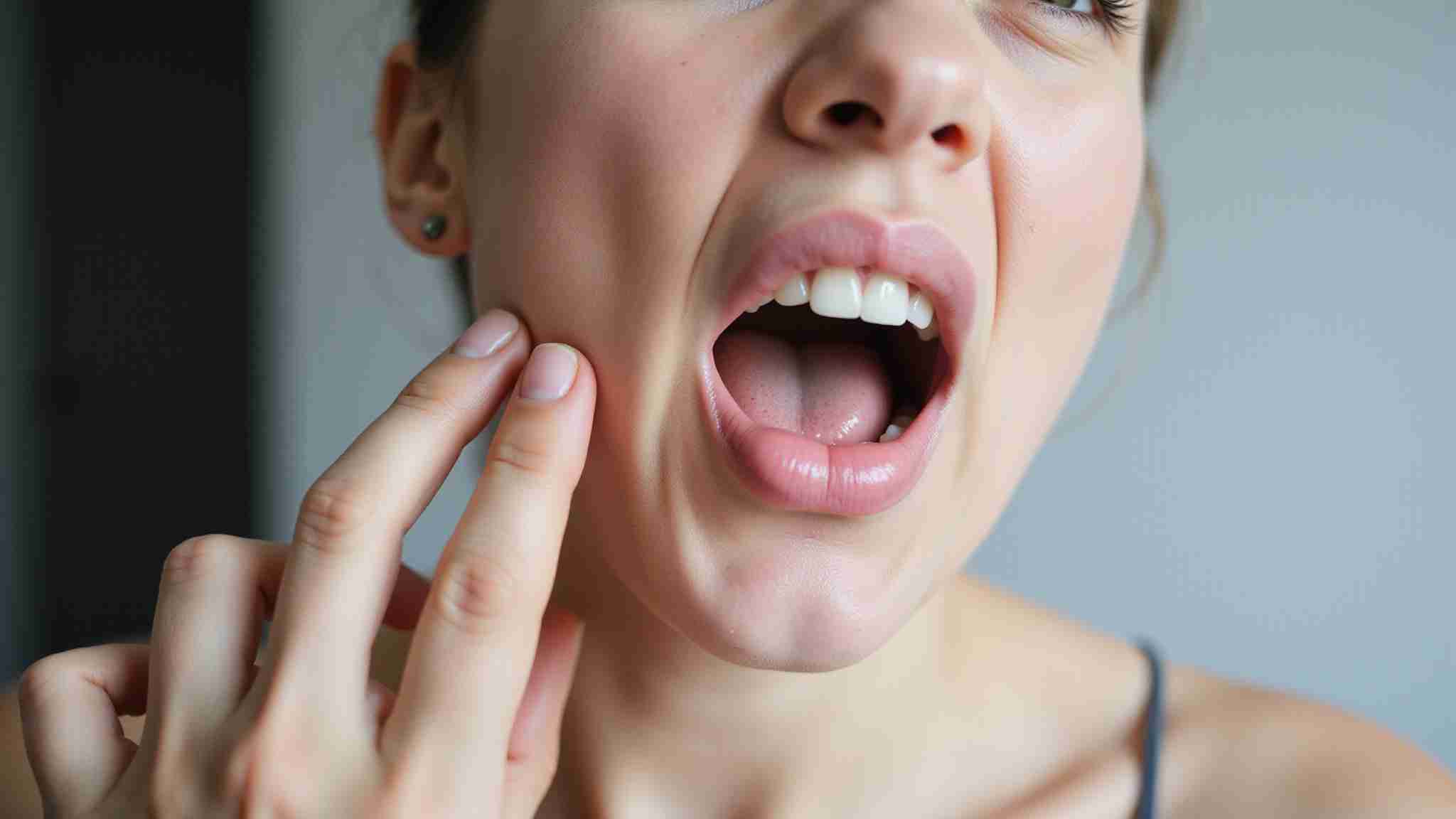
Coke jaw is an informal term for the involuntary jaw clenching, grinding, and repetitive muscle movements caused by cocaine use. In clinical settings, you’ll find this condition classified as bruxism or drug-induced bruxism. It’s not a formal diagnosis but rather a descriptive term for a collection of oral and dental symptoms you might experience.
If you use cocaine, you may notice erratic, uncontrolled facial movements that persist during active intoxication and throughout the comedown period. These aren’t movements you can easily control, since they stem from a neurological response to the drug.
Essentially, coke jaw represents compulsive jaw muscle activity triggered by cocaine consumption. Understanding what’s happening helps you recognize the symptoms and their connection to your use, which is the first step toward addressing them.
Why cocaine causes jaw clenching and teeth grinding (bruxism)
Cocaine causes jaw clenching and teeth grinding because the drug stimulates neurotransmitters in your brain, driving up dopamine levels that directly affect the muscles controlling your jaw. This surge creates excessive neural excitation in the muscles responsible for jaw operation, leading to chronic muscle rigidity. The stimulant effects on your central nervous system induce hyperactivity in these muscles, which triggers the involuntary clenching and grinding you experience.
Cocaine’s vasoconstrictive properties also play a role. The drug narrows your blood vessels, reducing blood flow to your jaw muscles and causing added tension. Over time, this reduced circulation to your gums, teeth, and jaw tissues contributes to significant dental and jaw-related problems.
Together, these mechanisms explain why you clench, grind, and experience the repetitive, uncontrolled muscle movements associated with cocaine use.
How stimulant effects on the nervous system drive it
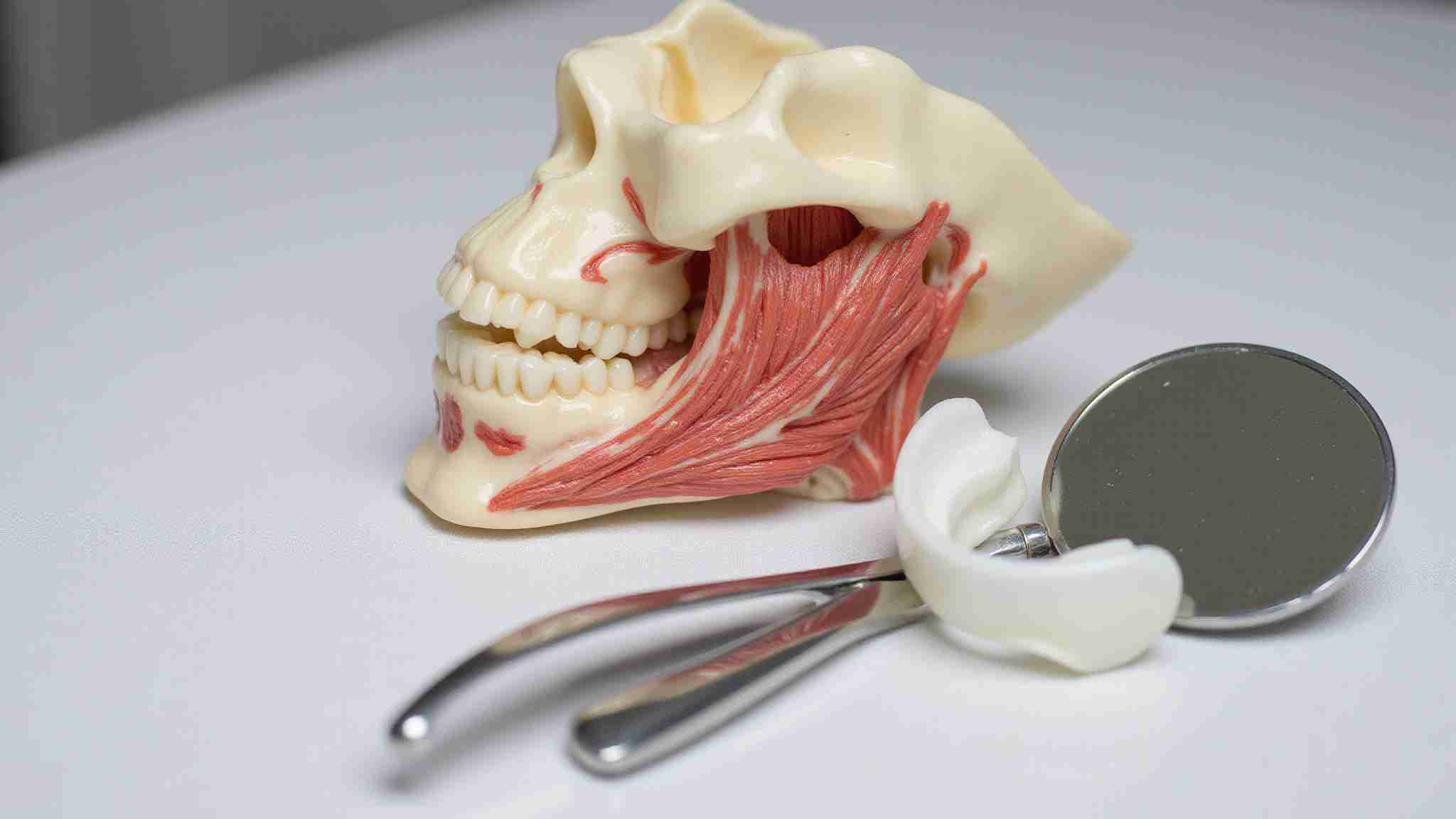
Cocaine drives jaw clenching by disrupting the normal nervous system signaling that keeps your jaw muscles at rest. As a central nervous system stimulant, it floods your brain with dopamine, elevating neural excitation in the muscles that control your jaw. This overstimulation triggers hyperactivity, keeping those muscles contracted when they’d normally relax. The result is chronic muscle rigidity that drives the involuntary clenching and grinding you experience.
At the same time, cocaine’s vasoconstrictive properties narrow your blood vessels, reducing blood flow to your jaw muscles. This diminished circulation adds tension and worsens the strain. Together, the excessive neural excitation and restricted blood flow create a cycle of sustained muscle activity that you can’t consciously control during use or comedown.
What dental and jaw damage can result
Cocaine use causes progressive damage to your teeth, gums, and jaw, including enamel wear, loose teeth, chronic jaw pain, gum disease, and palate perforation. Repetitive clenching and grinding wear down your enamel, loosen teeth, and trigger chronic jaw pain. Cocaine’s vasoconstrictive effects reduce blood flow to your gums and jaw tissues, accelerating deterioration. Direct contact with the drug erodes enamel and gum tissue, and regular use can even perforate the roof of your mouth.
| Damage Type | Cause | Consequence |
|---|---|---|
| Enamel wear | Grinding | Loose, sensitive teeth |
| Gum disease | Reduced blood flow | Tissue recession |
| Jaw pain | Muscle rigidity | Chronic soreness |
| Palate perforation | Direct contact | Oral tissue damage |
Over time, these effects compound, producing significant tooth decay, gum deterioration, and lasting structural harm to your mouth.
Why it’s a visible sign of cocaine use

Coke jaw is a visible sign of cocaine use because it produces erratic, uncontrolled facial movements that observers can see. When you use cocaine, the drug stimulates dopamine and overexcites the muscles controlling your jaw, causing compulsive clenching and grinding that others can see. These involuntary movements persist during active intoxication and throughout the comedown period, sometimes lasting hours. Because you can’t easily suppress them, they become an outward indicator of stimulant use.
Over time, the physical consequences, worn enamel, damaged gums, and chronic jaw tension, add visible evidence beyond the immediate movements. You might notice repetitive facial motions in yourself or others that don’t correspond to normal activity. Recognizing these signs matters because they reflect an underlying pattern of use that warrants attention and, ultimately, cessation.
How to relieve the immediate effect (and why that’s not the fix)
Ease jaw tension by staying hydrated to reduce dry mouth and encourage saliva production, and cut back on coffee, soda, and alcohol to prevent further reduction. Gentle jaw relaxation and warm compresses can loosen rigid muscles, and avoiding gum keeps you from aggravating already overworked jaw muscles. Regular brushing and conscious dental maintenance protect your teeth from ongoing damage.
These measures manage symptoms, but they don’t address the cause. Coke jaw stems from cocaine’s effect on your neurotransmitters and blood vessels, so soreness returns with each use. The only way to resolve it permanently is stopping cocaine consumption altogether. Until then, you’re treating the effect while the underlying trigger keeps generating new damage.
How Tampa Outpatient Detox connects people to cocaine treatment
Tampa Outpatient Detox connects people to cocaine treatment by starting with an assessment that evaluates your usage patterns, physical symptoms, and overall health, then matching you to appropriate treatment options, whether that’s medically supervised detox, counseling, or ongoing outpatient support. Since stopping cocaine is the only way to resolve coke jaw permanently, the real work happens in treatment, not symptom management. This care addresses the underlying cocaine use driving your jaw clenching, grinding, and muscle rigidity.
This approach recognizes that managing dry mouth or sore muscles doesn’t stop the progressive dental and neurological damage. By treating the cause, you reduce the involuntary movements and protect your teeth, gums, and jaw over time. You’ll get structured support without judgment, focused on lasting recovery.
Get Help for Coke Jaw and Cocaine-Related Dental Damage
Coke jaw can be more than temporary soreness. Repeated clenching and grinding can wear down enamel, damage gums, and cause chronic jaw pain. Tampa Outpatient Detox helps people concerned about cocaine-induced bruxism and coke jaw treatment explore supervised detox and ongoing recovery support that addresses the cocaine use behind these symptoms. Call 740-562-7398 to discuss treatment options.
Frequently Asked Questions
Can Coke Jaw Lead to Permanent Changes in Facial Muscles?
Yes, coke jaw can lead to lasting changes if you keep using cocaine long-term. Chronic muscle rigidity and repetitive clenching cause ongoing tension in your jaw muscles, and reduced blood flow from cocaine’s vasoconstrictive effects damages tissues over time. You’ll also risk permanent dental damage, including worn enamel, loose teeth, and chronic jaw pain. Stopping cocaine use altogether is the only way you’ll truly prevent further deterioration.
Can Any Form of Cocaine Cause Coke Jaw?
Yes, coke jaw can happen regardless of how you use cocaine. Whether you snort, inject, smoke it, or rub it on your gums, you’re at risk. The condition stems from cocaine’s stimulant effects on your central nervous system, not the administration route itself. That said, smoking cocaine or applying it to your gums are common methods linked to its development. Frequent use or larger doses raise your likelihood of experiencing it.
How Long Can Coke Jaw Symptoms Last After Stopping Cocaine?
After quitting cocaine, you’ll typically notice acute jaw clenching and soreness easing within a day or more, depending on how intensely and frequently you’ve used. However, if you’ve developed damage from long-term use, such as worn enamel, gum deterioration, or chronic jaw pain, those effects can persist and won’t resolve on their own. You’ll want regular dental care to manage lasting damage. Hydration, warm compresses, and gentle jaw relaxation help you ease residual soreness.
Can Other Stimulants Cause Jaw Clenching Similar to Coke Jaw?
Yes, other stimulants can cause similar jaw clenching. Like cocaine, stimulants overstimulate your central nervous system and boost dopamine levels, which trigger the same involuntary muscle activity in your jaw. You’ll notice this bruxism pattern with drugs that share these stimulant properties, since they create excessive neural excitation in the muscles controlling jaw movement. Frequent use or larger doses increase your likelihood of experiencing this uncontrolled clenching and grinding.
Is Coke Jaw Harmful or Mainly a Temporary Discomfort?
Coke jaw’s more than uncomfortable. It can cause real damage. While the clenching itself feels sore, the repetitive grinding wears down your enamel, loosens teeth, and triggers gum disease and chronic jaw pain. Cocaine’s vasoconstriction also reduces blood flow to your gums and jaw tissues, worsening deterioration over time. You might even develop perforations in the roof of your mouth. So it’s not just discomfort. There can be lasting oral health consequences.