




Cocaine and crack are the same drug in different forms, powdered hydrochloride salt versus rock-like crystals that are smoked. Watch for dilated pupils, frequent sniffing or nosebleeds, restlessness, sleeplessness, and mood swings or paranoia. Short-term, you’ll see euphoria, elevated heart rate, and rapid breathing. But the risks are grave: heart attack, stroke, and overdose can kill within minutes, especially with fentanyl-laced supplies. Understanding how addiction takes hold could change everything you thought you knew.
Key Takeaways
- Cocaine and crack share the same active compound, but crack is smoked for a faster, shorter, and more rapid, and intense high that may encourage repeated use.
- Common signs of use include dilated pupils, frequent sniffing or nosebleeds, restlessness, sleeplessness, reduced appetite, and mood swings or paranoia.
- Short-term effects include intense euphoria, heightened alertness, elevated heart rate and blood pressure, dry mouth, and rapid breathing.
- Serious health risks include heart attack, stroke, crack lung, irregular heartbeat, and overdose that can cause death within minutes.
- Addiction stems from blocked dopamine reuptake, driving repeated redosing, tolerance, and withdrawal marked by depression, fatigue, and intense cravings.
What are cocaine and crack, and how do they differ
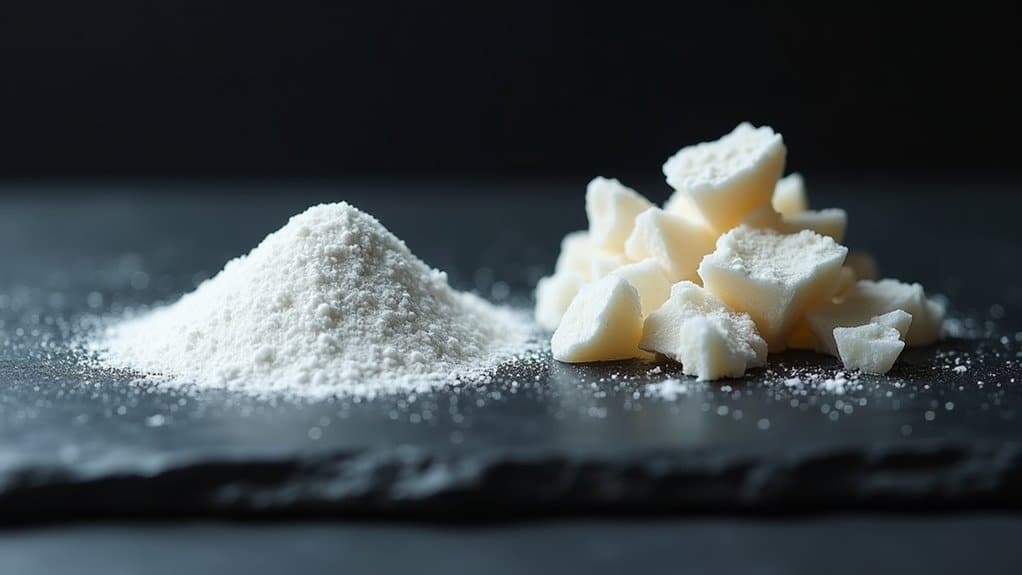
Cocaine and crack share the same active compound, yet they differ in form, potency, and how the body absorbs them. Cocaine is a powdered hydrochloride salt you typically snort or dissolve and inject. Crack is cocaine processed with baking soda into hard, rock-like crystals you smoke.
The route of administration changes everything. When you smoke crack, the drug reaches your brain within seconds, producing an intense but brief high. Snorting cocaine delivers a slower onset and longer-lasting effect. Because crack hits faster and fades quicker, it carries a higher addiction risk.
You’ll also notice cost and purity differences. Crack is cheaper and more accessible, though both drugs constrict blood vessels, spike your heart rate, and threaten your cardiovascular health equally.
What are the signs someone is using cocaine or crack
The signs of cocaine or crack use fall into physical and behavioral categories. Physically, you’ll notice dilated pupils that persist even in well-lit environments, a runny nose, frequent sniffing, or unexplained nosebleeds. If someone smokes crack, you might see burn marks on their lips or fingers and dry, cracked lips. Watch for increased energy, restlessness, and an inability to sleep for days, often paired with reduced appetite.
Behaviorally, you’ll observe mood swings, paranoia, irritability, and agitation. Secretive behavior, avoiding family, or sudden shifts in friend groups are common warning signs. In more severe cases, you may notice paranoid psychosis, hallucinations, or delusional confidence. Intense cravings and an inability to stop using despite mounting consequences signal deepening dependence.
What are the short-term effects

Cocaine’s short-term effects begin within seconds to minutes, elevating your blood pressure and heart rate almost immediately. You’ll feel intense euphoria, heightened alertness, and increased talkativeness as the drug floods your brain’s reward system. Your appetite drops, and physical fatigue gets postponed, letting you push past normal limits. Your senses sharpen too. Sight, sound, and touch all feel more intense.
Physically, you’ll notice rapid breathing, dilated pupils, and a dry mouth. These changes reflect the drug’s powerful stimulant action on your central nervous system and cardiovascular system.
These effects might feel pleasurable, but they’re short-lived, often lasting only minutes to an hour. That brief window drives repeated use, and the strain on your heart begins with the very first dose.
What are the serious health risks (heart, stroke, overdose)
Cocaine’s serious health risks include heart attack, stroke, and overdose. Because cocaine constricts your blood vessels and forces your heart to work harder, it triggers chest pain, reduces oxygen to the heart, and raises your risk of a heart attack nearly 24 times within one hour of use. Smoking crack can cause “crack lung,” bringing chest pain, breathing problems, and fever. Overdose remains the gravest threat. No antidote exists, and a cocaine overdose can become life-threatening quickly and requires immediate medical attention.
| Risk | Mechanism | Warning Signs |
|---|---|---|
| Heart attack | Constricted vessels, low oxygen | Chest pain, sweating |
| Stroke | Elevated blood pressure | Weakness, confusion |
| Overdose | CNS overload | Seizures, coma |
| Crack lung | Lung inflammation | Fever, breathlessness |
| Sudden death | Cocaethylene from alcohol | Irregular heartbeat |
Mixing with alcohol or fentanyl-laced cocaine dramatically increases your death risk.
Why cocaine is so addictive

Cocaine is so addictive because it hijacks your brain’s reward system, driving addiction through rapid onset and short-lived effects. When you use cocaine, it floods your brain with dopamine, the neurotransmitter responsible for pleasure and reward. Normally, dopamine recycles after signaling; cocaine blocks this reuptake, causing an intense, artificial euphoria.
Because the high hits within seconds and fades quickly, you’re driven to redose repeatedly to maintain the effect. This pattern reinforces compulsive use.
Over time, your brain adapts by altering its reward circuitry. You need more cocaine to feel the same effect, and natural rewards lose their appeal. This is tolerance.
When you stop, withdrawal sets in. Depression, fatigue, and intense cravings take hold. These changes explain why you can’t simply quit despite mounting consequences to your health and life.
Why cocaine is increasingly contaminated with fentanyl
Cocaine is increasingly contaminated with fentanyl because dealers add it to stretch supply and boost profits, since fentanyl is cheap, potent, and easy to produce. Contamination often happens when the same equipment or surfaces handle both drugs, leaving trace amounts in your cocaine without anyone’s intent. Because fentanyl is active in microgram doses, even a small amount can kill you, especially since you’ve built no opioid tolerance. You can’t see, smell, or taste it, and it distributes unevenly, so one batch may prove lethal while another doesn’t. This is why fentanyl-laced cocaine is driving more overdose deaths. If you use cocaine, assume contamination is possible and treat every dose as potentially fatal.
How Tampa Outpatient Detox connects people to cocaine treatment
Tampa Outpatient Detox connects people to cocaine treatment by assessing their needs and matching them to structured, evidence-based care. When you reach out, Tampa Outpatient Detox helps you explore cocaine detox options and connects you with licensed treatment providers based on your needs.” Because cocaine has no approved antidote or detox medication, treatment focuses on managing withdrawal symptoms like depression, fatigue, and intense cravings while stabilizing your health.
You’ll access behavioral therapies that address the brain-reward changes driving addiction, along with support for co-occurring mental health conditions. If fentanyl contamination is a concern, staff can coordinate overdose prevention resources and testing. From the first contact, you’re guided toward a personalized path to recovery.
Get Support for Cocaine or Crack Use Before the Risks Escalate
Cocaine and crack may differ in form and how quickly they take effect, but both can drive compulsive use, cardiovascular strain, and overdose risk. Tampa Outpatient Detox helps people concerned about cocaine and crack addiction and stimulant addiction treatment explore supervised withdrawal support, behavioral care, and continued recovery planning. Call 740-562-7398 to discuss treatment options.
Frequently Asked Questions
How Long Can Cocaine Be Detected in Your System?
Cocaine typically stays in your system for varying lengths depending on the test used. You’ll test positive in urine for 1, 4 days after use, though heavy use extends this to a week or more. Blood and saliva detect it for up to 2 days, while hair follicle tests reveal use for up to 90 days. Your metabolism, hydration, frequency of use, and dosage all influence these detection windows substantially.
Is Full Recovery Possible After Long-Term Cocaine Use?
Yes, you can recover notably from long-term cocaine use, though the timeline varies. Your brain’s reward systems, altered by chronic use, can gradually heal as you maintain abstinence. You’ll likely face withdrawal symptoms like depression, fatigue, and intense cravings early on. Some damage, such as sinus or lung injury, may persist. With professional treatment, support, and sustained sobriety, you’ll improve your physical health and rebuild cognitive function over time.
Is It Safe to Detox From Cocaine at Home?
Detoxing from cocaine at home isn’t always safe. While cocaine withdrawal isn’t typically life-threatening like alcohol or opioid withdrawal, you’ll face serious risks including severe depression, intense cravings, and suicidal thoughts. Without medical supervision, you’re more likely to relapse or experience dangerous psychological complications. You should consult a healthcare provider first. They’ll assess your situation and recommend appropriate support, whether that’s medically supervised detox or a structured outpatient program.
What Is the Typical Cost of Cocaine Addiction Treatment?
Treatment costs vary widely depending on the level of care you need. Outpatient programs typically range from $1,000 to $10,000, while inpatient or residential treatment can cost $5,000 to $30,000 or more for a 30-day stay. Luxury facilities charge substantially higher. Your insurance may cover part or all of these expenses. Many centers offer sliding-scale fees, payment plans, or financing. You’ll want to verify coverage and options before committing.
Does Health Insurance Cover Cocaine or Crack Addiction Treatment?
Yes, most insurance plans cover cocaine and crack rehab, though your coverage depends on your specific policy. Under the Affordable Care Act, insurers must treat substance use disorders as essential health benefits. You’ll likely find coverage for detox, inpatient care, outpatient programs, and counseling. However, you should verify your plan’s details, including copays, deductibles, and in-network facilities. Contact your provider directly to confirm what’s covered before committing to a treatment program.