


You’ll notice key differences in timing and severity between alcohol allergy and intolerance. Allergic reactions occur within minutes of exposure, causing severe symptoms like dangerous breathing difficulties and potential anaphylaxis. Intolerance reactions emerge 20-30 minutes after drinking, producing milder effects like facial flushing and headaches. While both conditions stem from different biological mechanisms, allergies trigger immune responses with antibodies, whereas intolerance involves enzyme deficiencies. Understanding these distinctions can help you identify which condition you’re experiencing.
Key Signs That Distinguish Alcohol Allergy From Intolerance

How can you tell if you’re experiencing an alcohol allergy versus an intolerance? The key distinction lies in the timing and severity of your symptoms. With allergies, you’ll notice rapid reactions even from minimal exposure, often within minutes of consumption. These include severe rashes, dangerous breathing difficulties, and potential anaphylaxis, requiring immediate medical attention for managing symptoms. Even just two teaspoons of wine can trigger a severe allergic reaction. what does an alcohol allergy look like can vary from individual to individual. Some may experience gastrointestinal distress alongside skin reactions, while others might have swelling of the lips and face. It’s crucial to recognize these symptoms and seek an evaluation from a healthcare professional for accurate diagnosis and management.
In contrast, alcohol intolerance typically produces delayed reactions, emerging 20-30 minutes after drinking. You’ll experience milder symptoms like facial flushing, nasal congestion, and headaches. The long term impacts differ considerably: allergies can be life-threatening and require complete alcohol avoidance, while intolerance symptoms, though uncomfortable, aren’t fatal. Your body’s response also varies; allergies trigger immune system reactions with antibody production, whereas intolerance stems from enzyme deficiencies affecting alcohol metabolism. People of Asian descent are particularly susceptible to alcohol intolerance due to a common genetic predisposition that affects alcohol processing. Taking antacids or antihistamines to mask the symptoms is not recommended and can be dangerous.
Understanding the Body’s Response to Alcohol
Two distinct biochemical pathways explain how your body responds to alcohol exposure: enzymatic metabolism and immune system reactions. Your biochemical adaptation patterns determine whether you’ll experience intolerance symptoms from enzyme deficiencies or allergic responses through immune system activation. When you can’t properly metabolize alcohol, acetaldehyde accumulates, triggering immediate distress. In contrast, allergic reactions involve IgE antibodies attacking specific components in alcoholic beverages. East Asian populations are genetically predisposed to experiencing alcohol intolerance due to inherited enzyme variations. Since alcohol intolerance is a digestive system disorder, symptoms manifest differently than true allergic reactions. The accumulation of toxins in the body can lead to rapid heartbeat and other cardiovascular symptoms.
- Your genetic makeup influences enzyme efficiency, particularly ADH and ALDH2, affecting how quickly toxins build up
- Your immune system’s response can range from mild inflammation to severe anaphylaxis
- Long term alcohol consumption effects vary drastically between intolerance and allergies, with the latter requiring complete avoidance to prevent dangerous health complications
These distinct mechanisms require different management approaches and medical interventions.
Genetic and Environmental Risk Factors
Complex interactions between genetic predispositions and environmental triggers fundamentally shape your risk for developing alcohol intolerance or sensitivity. Your genetic makeup, particularly variants in ALDH2 and ADH1B genes, directly affects how efficiently your body metabolizes alcohol. If you’re of East Asian descent, you’re more likely to carry the ALDH2 deficiency, which impairs acetaldehyde breakdown. Studies show that having the ADH1B2 allele variant reduces your likelihood of alcohol dependence by approximately half.
These genetic-environment interactions become more pronounced when combined with external factors. Early alcohol exposure, chronic stress, and childhood trauma can amplify your inherited predispositions. Research indicates that repeated alcohol use leads to increased tolerance over time. Individuals exposed to dimethyl fumarate compounds frequently report heightened alcohol sensitivity. Your metabolic efficiency dynamics aren’t solely determined by genes; epigenetic modifications, triggered by environmental stressors, can alter gene expression and enzyme production. Understanding your family history and ethnic background, coupled with awareness of environmental risk factors, helps predict your susceptibility to alcohol intolerance.
When to Seek Emergency Medical Care
The decision to seek emergency medical care for alcohol-related reactions requires careful evaluation of potentially life-threatening symptoms. Understanding warning symptoms severity helps distinguish between mild intolerance and dangerous allergic responses, particularly if you have underlying medical conditions. People of Asian descent are at higher risk for severe reactions to alcohol and should be especially vigilant about monitoring symptoms. True alcohol allergies can trigger severe anaphylaxis within seconds of exposure.
The decision to seek emergency medical care for alcohol-related reactions requires careful evaluation of potentially life-threatening symptoms, particularly when alcohol intolerance symptoms in adults escalate beyond mild flushing or nausea. Understanding warning symptom severity helps distinguish between mild intolerance and dangerous allergic responses, especially if you have underlying medical conditions. People of Asian descent are at higher risk for severe reactions to alcohol and should be especially vigilant about monitoring symptoms. True alcohol allergies can trigger severe anaphylaxis within seconds of exposure.
Evaluating alcohol-related reactions demands vigilance, as seemingly mild symptoms can mask severe allergic responses requiring immediate medical intervention.
- Call emergency services immediately if you experience difficulty breathing, throat tightness, facial swelling, or a racing heart within minutes of alcohol consumption
- Don’t wait to seek help if symptoms spread to multiple body systems, including severe gastrointestinal distress combined with respiratory problems or cardiovascular issues
- Get urgent medical attention if you develop wheezing, stridor, cyanosis, or confusion, even with minimal alcohol intake, as these indicate potential anaphylaxis requiring immediate intervention
Monitor your symptoms closely, as delayed reactions occurring 20-30 minutes after consumption can rapidly escalate to life-threatening situations.
Testing and Diagnosis Options
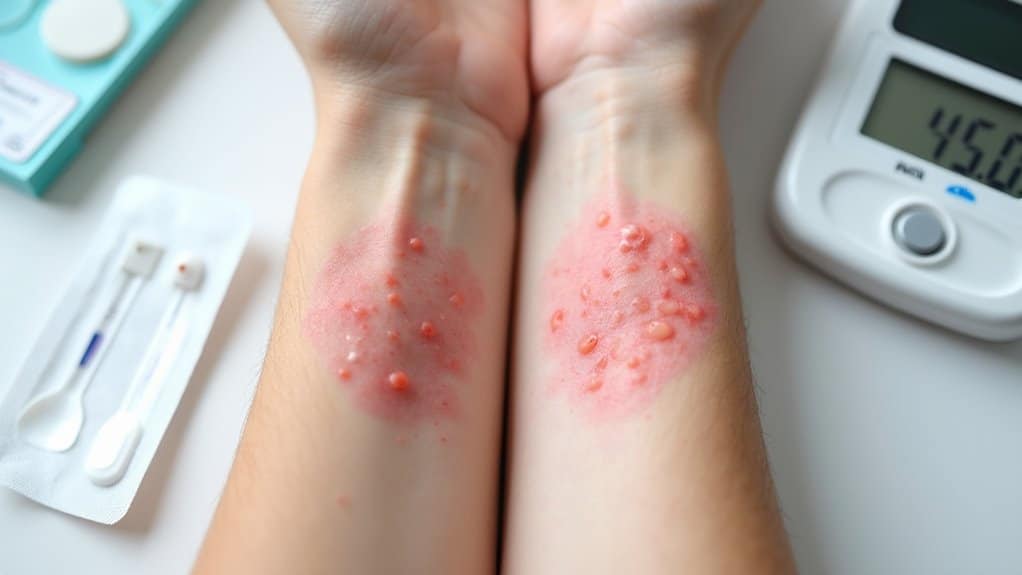
Multiple diagnostic approaches help medical professionals distinguish between alcohol allergies and intolerances. Your doctor will start with a thorough medical history, examining your drinking patterns, symptom timing, and family background. They’ll perform physical exams to rule out other conditions that might mimic alcohol reactions. Acetaldehyde dehydrogenase deficiency is the primary genetic cause that medical professionals look for during testing. Since intolerance symptoms are generally less severe than allergic reactions, doctors can often make initial assessments based on symptom intensity.
For suspected allergies, you’ll undergo skin prick tests or blood IgE measurements to identify specific triggers like yeast or sulfites. If intolerance is suspected, genetic testing can detect ALDH2 enzyme deficiencies. While allergy symptoms can be severe, intolerance reactions are typically triggered by a toxic byproduct buildup. Controlled alcohol challenges under medical supervision may be conducted to observe direct reactions. In addition, elimination diets lasting 2-4 weeks can help track symptom improvements when alcohol is removed from your diet. Your doctor might also order liver function tests or breath tests to exclude other metabolic conditions.
Trying to understand why your body reacts the way it does after drinking can feel confusing and even a little frightening, especially when you are not sure whether it is an allergy or intolerance making you feel this way. At Outpatient Detox Tampa, we understand how overwhelming it can be to search for clarity while your body keeps sending warning signs you cannot ignore. We connect you with trusted alcohol treatment centers and recovery resources, so you never have to sort through this alone. Whether you are trying to tell the difference between an allergy and intolerance or finally ready to seek help for alcohol dependency, the right support is closer than you think. Call today and let us help you take that first step toward healing.
Frequently Asked Questions
Can Alcohol Allergies or Intolerance Develop Suddenly in Adulthood?
Yes, you can develop alcohol sensitivities suddenly in maturity due to multiple factors. Genetic factors may become more pronounced with time, while lifestyle changes can trigger new reactions. Your enzyme production might decline naturally, or you could develop sensitivities to preservatives and supplements in alcoholic beverages. In addition, underlying health conditions, hormonal changes, or new medications can unmask previously dormant intolerances or allergic responses to alcohol components.
Do Antihistamines Help Prevent Alcohol Intolerance Symptoms Before Drinking?
Antihistamines can help prevent some alcohol intolerance symptoms, but they’re only effective for histamine-related reactions, not metabolic intolerances. For ideal results, you’ll want to take your antihistamine dosage 30-60 minutes before drinking. Choose non-drowsy options like loratadine or cetirizine over sedating varieties. It’s important to note that timing antihistamine intake is essential, but these medications won’t address underlying enzyme deficiencies and shouldn’t be used to enable excessive drinking.
Which Types of Alcohol Are Safest for People With Allergies?
If you have allergies, you’ll find distilled liquor options like vodka and gin are typically safest since the distillation process removes most allergens. Look for pure, single-ingredient spirits without added flavors or preservatives. For fermented wine alternatives, opt for organic, sulfite-free wines or natural wines that don’t use egg or fish-based fining agents. Always check labels carefully and consider gluten-free certified products if you’re sensitive to wheat or barley.
Does Alcohol Intolerance Worsen With Age or Frequent Drinking?
Your alcohol intolerance primarily stems from genetic predispositions and typically remains stable throughout lifespan. While senescence itself doesn’t directly worsen intolerance, you may experience amplified symptoms due to maturity-related changes in liver function or underlying medical conditions that develop over time. Frequent drinking can strain your liver and metabolic processes, potentially intensifying intolerance reactions, but it won’t fundamentally alter your genetic enzyme deficiencies that cause the intolerance.
Can You Build Tolerance to Alcohol if You Have Genetic Intolerance?
You can’t build tolerance to alcohol if you have genetic intolerance because it’s controlled by fixed genetic factors that affect your alcohol metabolism. Your ALDH2 enzyme deficiency is permanent and won’t improve with repeated exposure. In fact, continued drinking will likely worsen your symptoms and increase health risks over time. Any perception of “building tolerance” is merely psychological habituation to discomfort, not a true biological adaptation.