




Based on scientific evidence, you’ll find strong support for adding cancer warning labels to alcohol products. Research shows alcohol causes up to 100,000 cancer cases annually in the U.S., yet less than half of Americans understand this connection. Studies demonstrate that warning labels effectively reduce consumption and increase risk awareness by up to 10% within two months of implementation. The intersection of public health impact and consumer awareness presents compelling arguments for mandated cancer warnings.
The Scientific Link Between Alcohol and Cancer
The scientific evidence points to a strong and well-established link between alcohol consumption and cancer development. Research has identified multiple biological mechanisms of carcinogenesis, including the production of acetaldehyde (a known carcinogen), increased oxidative stress, and impaired absorption of essential nutrients that protect against cancer. In fact, 5.4 percent of all cancer diagnoses in the United States are attributed to alcohol consumption. Red or white wine shows no difference in overall cancer risk.
Among the factors influencing cancer risk, your alcohol intake level plays a pivotal role. There’s no safe threshold; even light drinking increases your risk for several cancers, with risk rising proportionally to consumption. A comprehensive analysis of 229 scientific studies demonstrates the consistency of these findings across different populations. You’ll face the highest risks for cancers of the oral cavity, pharynx, esophagus, and larynx, where heavy drinking can increase risk up to 5.7 times. Breast, liver, and colorectal cancers also show significant risk increases. When combined with tobacco use, these risks multiply substantially.
Current Public Health Impact and Statistics
Building on the established biological mechanisms of alcohol-related carcinogenesis, current public health statistics reveal a sobering reality: alcohol ranks as America’s third leading preventable cause of cancer. Each year, it’s responsible for up to 100,000 cancer cases and 20,000 cancer deaths nationwide. Despite this significant burden, fewer than half of Americans understand alcohol’s carcinogenic properties. Medical experts now question past beliefs about red wine’s heart benefits. Building on the established biological mechanisms of alcohol-related carcinogenesis, current public health statistics reveal a sobering reality: alcohol ranks as America’s third leading preventable cause of cancer. Each year, it is responsible for up to 100,000 cancer cases and 20,000 cancer deaths nationwide, reinforcing why alcohol considered cancer risk is now a central focus in oncology and public health discourse. Despite this substantial burden, fewer than half of Americans understand alcohol’s carcinogenic properties, and medical experts are increasingly questioning past beliefs about red wine’s supposed heart health benefits in light of mounting cancer risk evidence. Building on the established biological mechanisms of alcohol-related carcinogenesis, current public health statistics reveal a sobering reality: alcohol ranks as America’s third leading preventable cause of cancer. Each year, it is responsible for up to 100,000 cancer cases and 20,000 cancer deaths nationwide, underscoring the growing recognition of the relationship between alcohol and cancer within oncology and public health research. Despite this significant burden, fewer than half of Americans understand alcohol’s carcinogenic properties, and medical experts are increasingly questioning long-standing beliefs about red wine’s supposed heart health benefits in light of mounting evidence linking alcohol consumption to elevated cancer risk.
The impact isn’t uniform across populations. Socioeconomic disparities and varying consumption patterns create disproportionate risks among vulnerable populations, with minority and low-income groups showing lower awareness of alcohol’s cancer links. Even light drinking has been shown to increase cancer risk, particularly for breast cancer. The Surgeon General’s recent advisory emphasizes that alcohol is directly responsible for 75,000 new cancers annually in the United States. While 47 countries now mandate health warning labels on alcohol products, the U.S. label hasn’t been updated since 1988 and omits cancer risks entirely. This gap between scientific evidence and public awareness continues to hamper prevention efforts.
Global Warning Label Policies and Regulations
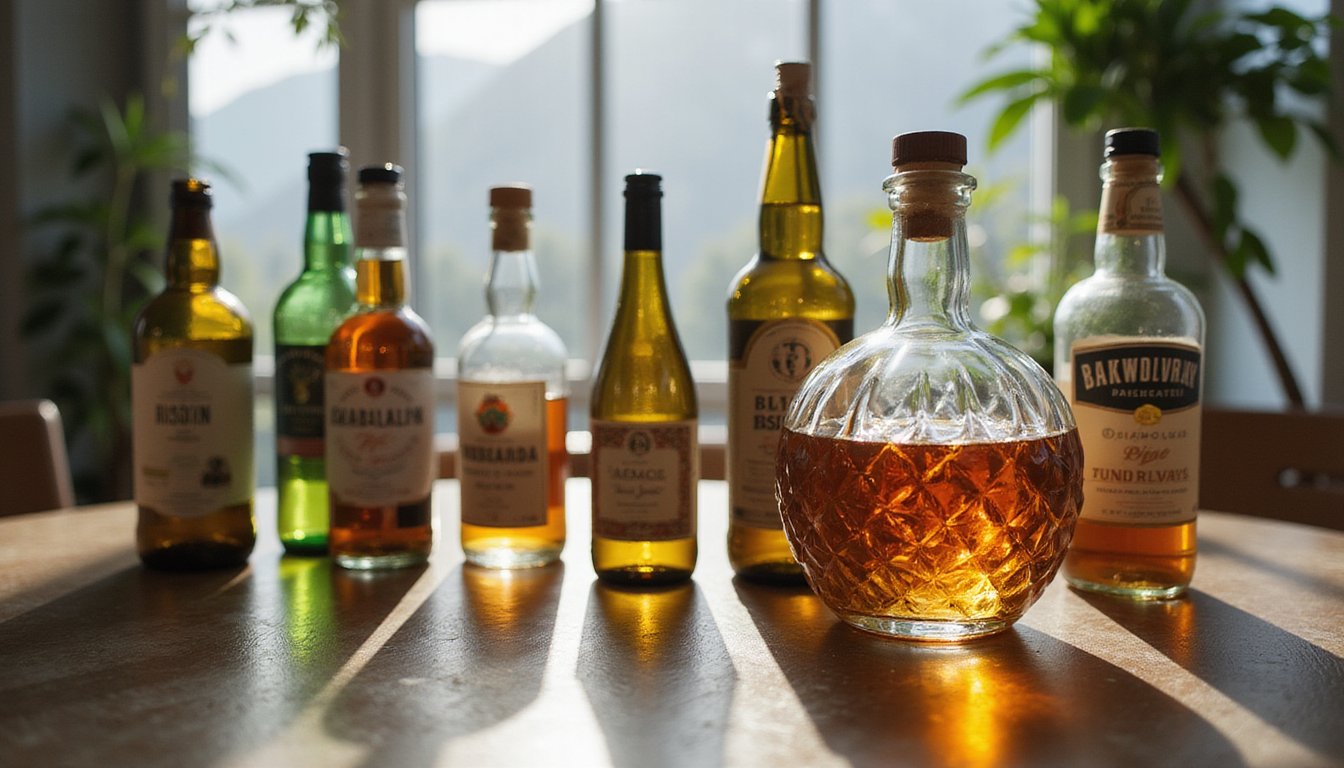
Globally, health warning labels on alcohol products reveal stark regulatory disparities, with only one-quarter of nations mandating any form of warning message. Ireland recently announced that all alcohol products must carry cancer warnings by 2026. You’ll find the most extensive regulations in Australia and New Zealand, where strict label formatting requirements specify font color, spacing, and pregnancy warnings for products above 1.15% ABV. Current guidelines require warnings to be displayed in prominent writing on all alcoholic beverages of 0.5% ABV or higher.
The EAEU, led by Russia and Kazakhstan, has implemented binding provisions through Technical Regulation 047/2018, though label placement requirements remain flexible. While the U.S. maintains federal warning requirements, they’re based on outdated science and lack cancer risk information. The WHO recommends health warning labels as an intervention, yet only one-fifth of governments have acted on this guidance. Most existing warnings focus on general health risks, with northeastern European countries adopting stricter policies than their western counterparts. Notably, countries in the WHO European Region have stricter labeling requirements for bottled water, food, and medications than for alcoholic beverages.
Consumer Awareness and Knowledge Gaps
While regulatory frameworks establish warning label requirements, public understanding of alcohol’s carcinogenic properties remains concerningly low. You’ll find significant alcohol misconceptions persist, with only 56% of Americans recognizing the cancer connection in early 2025. Demographic awareness differences show women maintaining slightly higher knowledge levels than men. According to a recent survey, 48% of respondents had encountered health-related alcohol reports. Evidence demonstrates that seven cancer types are directly linked to alcohol consumption. The study revealed that 39% of adults remain unaware of alcohol’s cancer-causing potential. You’re likely unaware that moderate consumption can increase cancer risk, as current warning labels omit this pivotal information. The Surgeon General’s 2025 advisory has improved awareness, but significant knowledge gaps remain about specific cancer types and risk levels across different alcoholic beverages. While regulatory frameworks establish warning label requirements, public understanding of alcohol’s carcinogenic properties remains concerningly low. You’ll find significant alcohol misconceptions persist, with only 56% of Americans recognizing the cancer connection in early 2025. Demographic awareness differences show women maintaining slightly higher knowledge levels than men, and according to a recent survey, just 48% of respondents had encountered health-related alcohol reports. This lack of awareness contributes to cancer treatment obstacles linked to alcohol, as patients may continue consumption without understanding its impact on disease progression and therapy effectiveness. Evidence demonstrates that seven cancer types are directly linked to alcohol consumption, yet the study revealed that 39% of adults remain unaware of alcohol’s cancer-causing potential. You’re likely unaware that even moderate consumption can increase cancer risk, as current warning labels omit this pivotal information. Although the Surgeon General’s 2025 advisory has improved awareness, significant knowledge gaps remain regarding specific cancer types and risk levels across different alcoholic beverages.
| Knowledge Area | 2024 (%) | 2025 (%) | Change |
|---|---|---|---|
| Cancer Risk | 40 | 56 | +16 |
| No Effect | 20 | 16 | -4 |
| Unsure | 40 | 26 | -14 |
| Heavy Use Only | 65 | 55 | -10 |
| All Types Risk | 35 | 45 | +10 |
Benefits and Effectiveness of Warning Labels
Research demonstrates that alcohol warning labels greatly reduce consumption and increase risk awareness across multiple studies. When products display cancer warnings, selection of alcoholic beverages drops substantially, from 77% with no label to 49% with image-only warnings, showing clear dose-response effects. Studies show that general cancer risk warnings reduce alcohol purchase intentions by 10.4 percentage points compared to no warnings. A comprehensive study of 6024 participants demonstrated the effectiveness of warning labels in changing consumer behavior.
You’ll find the highest message salience with pictorial labels that rotate different warnings to prevent wear-out. These visual warnings outperform text-only messages in capturing attention and changing behavior. Risk perception markedly increases when labels specifically mention cancer, leading more consumers to choose non-alcoholic alternatives. Evidence from natural experiments shows a 10% increase in cancer-risk awareness within two months of implementation. The most effective labels combine striking visuals with explicit cancer linkage, particularly impacting vulnerable groups like pregnant women and young adults.
Industry Response and Implementation Challenges
The alcohol industry has mounted significant opposition to cancer warning labels through coordinated regulatory, economic, and communication strategies. Industry engagement strategies include challenging scientific findings linking alcohol to cancer, emphasizing conflicting studies, and lobbying policymakers to maintain current label requirements dating from 1988.
Through policy advocacy efforts, industry stakeholders highlight potential economic consequences, warning of sales declines, market instability, and disproportionate impacts on small producers. Only Congress can mandate changes to the existing federal warning label requirements in the United States. They’ve successfully limited cancer-specific warnings to just a few countries worldwide, while maintaining that current U.S. federal guidelines adequately inform consumers. Trade associations actively submit their own scientific data to regulatory agencies, promoting moderation-focused messaging over cancer warnings. Stock values of major manufacturers have already shown sensitivity to proposed labeling changes, reinforcing industry concerns about market stability.
It is a question that hits differently when you or someone you love has already felt the consequences of alcohol in ways that no label ever warned you about, and that silence from the industry can feel like a deep and personal betrayal. At outpatient drug rehab tampa, we understand how frustrated and heartbroken people feel when they realize how long the link between alcohol and serious health risks has been known while bottles continued to sit on shelves without a single word of warning. We connect you with reputable alcohol treatment centers and recovery resources, because whether or not those labels ever appear the information you need to protect yourself and the people you love is available right now. The right help is already out there waiting for you. Call 740-562-7398 today and let us help you take that first step toward healing.
Frequently Asked Questions
How Long After Quitting Drinking Does Cancer Risk Begin to Decrease?
Your cancer risk begins decreasing within 3 years after you quit drinking, with studies showing a 4% reduction in alcohol-related cancer risk for light drinkers over 3-7 years. Reduced alcohol intake leads to more significant benefits for heavy drinkers, with up to 9% risk reduction when switching to moderate drinking. The shortened cancer latency period varies by cancer type, with breast, liver, and colorectal cancers showing the most measurable improvements after sustained abstinence.
Do Different Drinking Patterns Affect Cancer Risk Differently?
Yes, your drinking pattern greatly affects your cancer risk. Research shows that concentrated alcohol intake (binge drinking) poses higher risks than spreading the same amount over more days. While occasional drinking patterns may seem less harmful, even moderate alcohol consumption increases cancer risk. For example, you’ll face a higher breast cancer risk from consuming multiple drinks in one sitting versus spreading them across the week, even with identical total amounts.
Can Cancer Risk From Alcohol Be Offset by Healthy Lifestyle Choices?
While you can partially offset alcohol-related cancer mortality risk through healthy lifestyle choices, you can’t completely eliminate it. Regular moderate exercise (150+ minutes/week) considerably reduces your cancer death risk from alcohol consumption, particularly if you’re a moderate drinker. A balanced diet and other healthy behaviors help, but they don’t fully neutralize alcohol’s carcinogenic effects. Even with these positive habits, excessive drinking still carries substantial cancer risks.
At What Age Does Alcohol Consumption Pose the Highest Cancer Risk?
You’ll face the highest cancer risk from alcohol consumption when you start drinking before youth, particularly during adolescence. Underage alcohol consumption causes significant DNA damage to developing cells and creates a longer lifetime exposure window. Your genetic predisposition to cancer can further amplify these early risks. While alcohol remains carcinogenic at any stage, early exposure compounds your cumulative risk due to extended duration and developmental vulnerability.
Does Mixing Alcohol With Other Substances Increase the Likelihood of Cancer?
Yes, mixing alcohol with other substances greatly increases your cancer risk, particularly through alcohol drug interactions. When you combine alcohol with tobacco, you’re creating a synergistic effect that can increase your risk of upper digestive and respiratory tract cancers by up to 80 times. Your genetic predispositions may further amplify these risks. The combination impairs your body’s absorption of cancer-fighting nutrients and boosts the penetration of carcinogens into your cells.