Addiction Treatment
How Long Does DayQuil Stay in Your System? (Wear-Off Time + Active Ingredients)
Get the facts on DayQuil’s three active ingredients and why one surprisingly lingers in your body far longer than others.


Get the facts on DayQuil’s three active ingredients and why one surprisingly lingers in your body far longer than others.
Find out why DayQuil might leave you feeling strangely lightheaded, and whether alcohol is actually hiding in your medicine cabinet.
Popping DayQuil before bed won’t harm you, but its stimulant effects might leave you wondering why sleep feels impossible.
Alcohol and Mucinex create a dangerous competition in your liver, but one common formulation poses risks most people never consider.
Uncover why mixing Mucinex DM and alcohol creates unexpectedly intense effects, and what your liver isn’t telling you.
Alcohol and Mucinex don’t mix well, but the exact waiting time depends on which formula you took, and getting it wrong matters.
Prolonged drug release means your liver works overtime for 12 hours, but exactly how long should you wait before drinking?
Unsure whether mixing guaifenesin and alcohol is risky? The answer might change how you treat your next cold.
Interested in whether Mucinex contains alcohol? The answer might surprise you, especially when it comes to mixing it with drinks.
Curious about psilocybin’s onset time and why your last meal matters more than you’d expect?
Hoping to understand your shroom journey from first bite to final fade, discover exactly when each phase hits and why.
On average, shroom trips last 4-6 hours, but several surprising factors could dramatically extend or shorten your experience.
Onset times for shroom edibles vary wildly depending on format and digestion, discover which method hits fastest and why.
Shocking truth: ketamine earned FDA approval for humans three years before veterinarians ever used it on horses.
This powerful anesthetic works differently than any other drug in its class, and the reason it creates such strange experiences might surprise you.
Not just a party drug, ketamine’s FDA-approved medical uses might surprise you, especially its breakthrough role in treating depression.
Find out why ketamine’s “horse tranquilizer” nickname completely misrepresents this FDA-approved human anesthetic’s surprising origins.
Street ketamine might seem harmless at parties, but the damage it causes to your brain and bladder could be permanent.
Understanding why the popular 4-hour waiting rule may not protect your liver could change how you approach this risky combination.
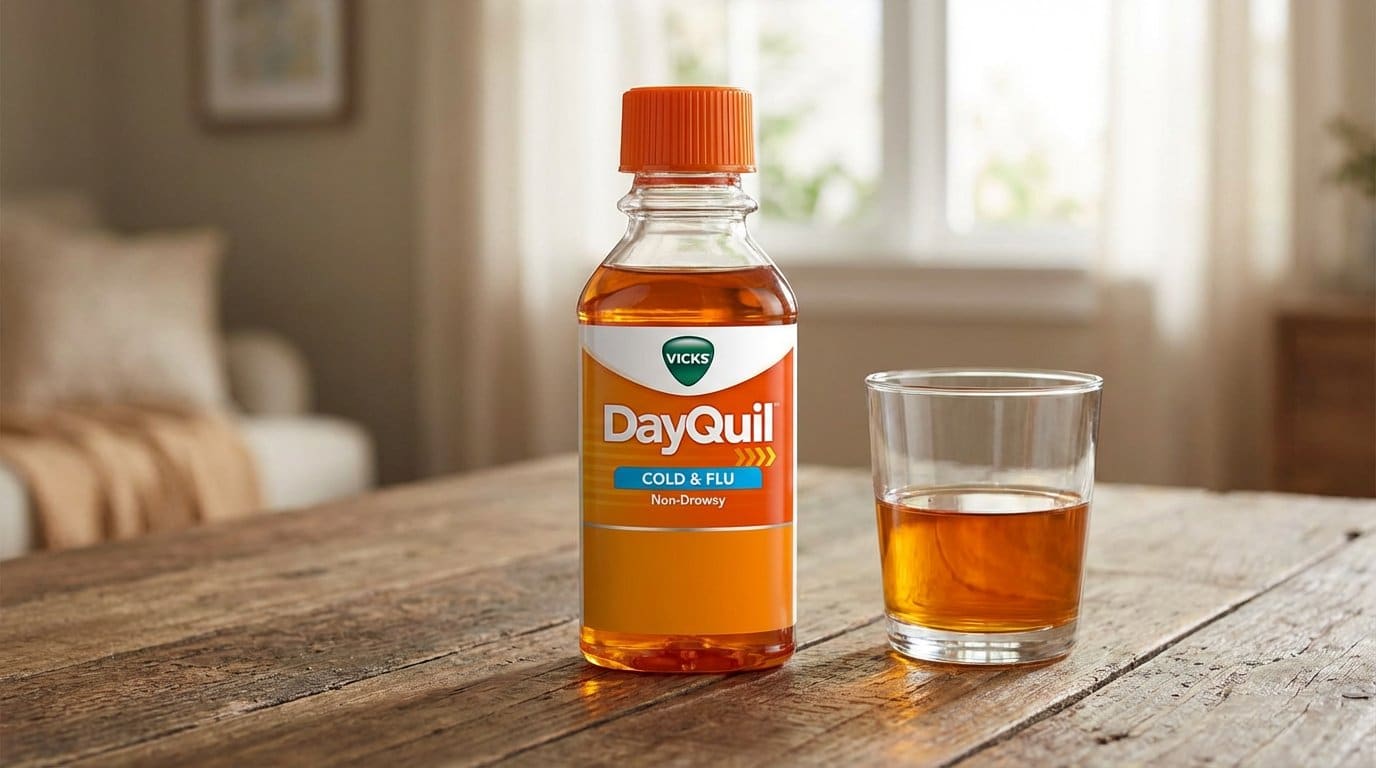
Mixing DayQuil and alcohol forces your liver into a toxic battle it may not win, and the warning signs aren’t always obvious.
Curious about mixing magnesium with alcohol? The timing of your supplement could make all the difference for absorption.
After drinking alcohol, magnesium glycinate can help recovery, but the timing of your dose determines whether it helps or harms.
Drinking alcohol depletes your body’s magnesium levels, but is it actually safe to supplement afterward, and when’s the best time?
Knowing when to take magnesium citrate after alcohol could prevent dangerous side effects, but the timing window might surprise you.
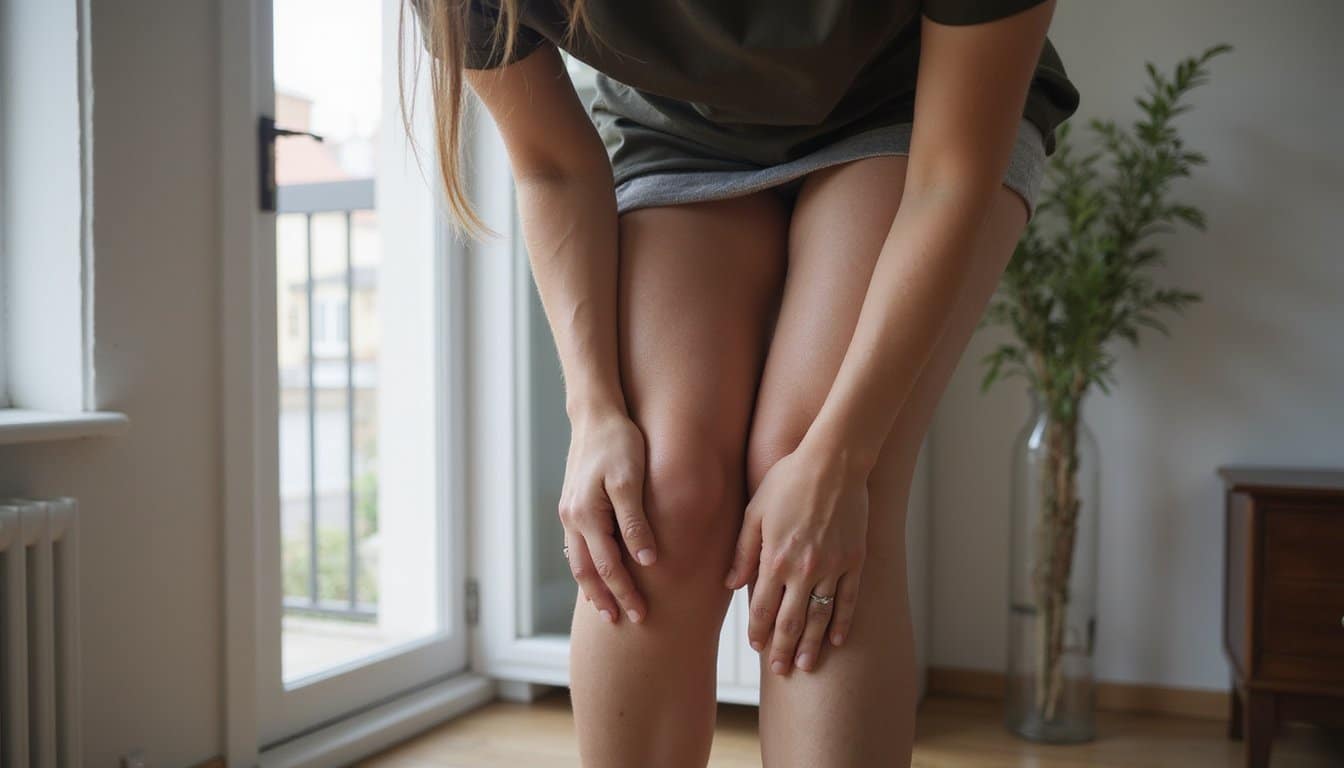
Opioid-induced muscle rigidity creates a dangerous “fold” response, but do you know what triggers it?

Overlooking subtle kratom addiction signs could delay critical treatment, discover the behavioral and physical warning signals you might be missing.
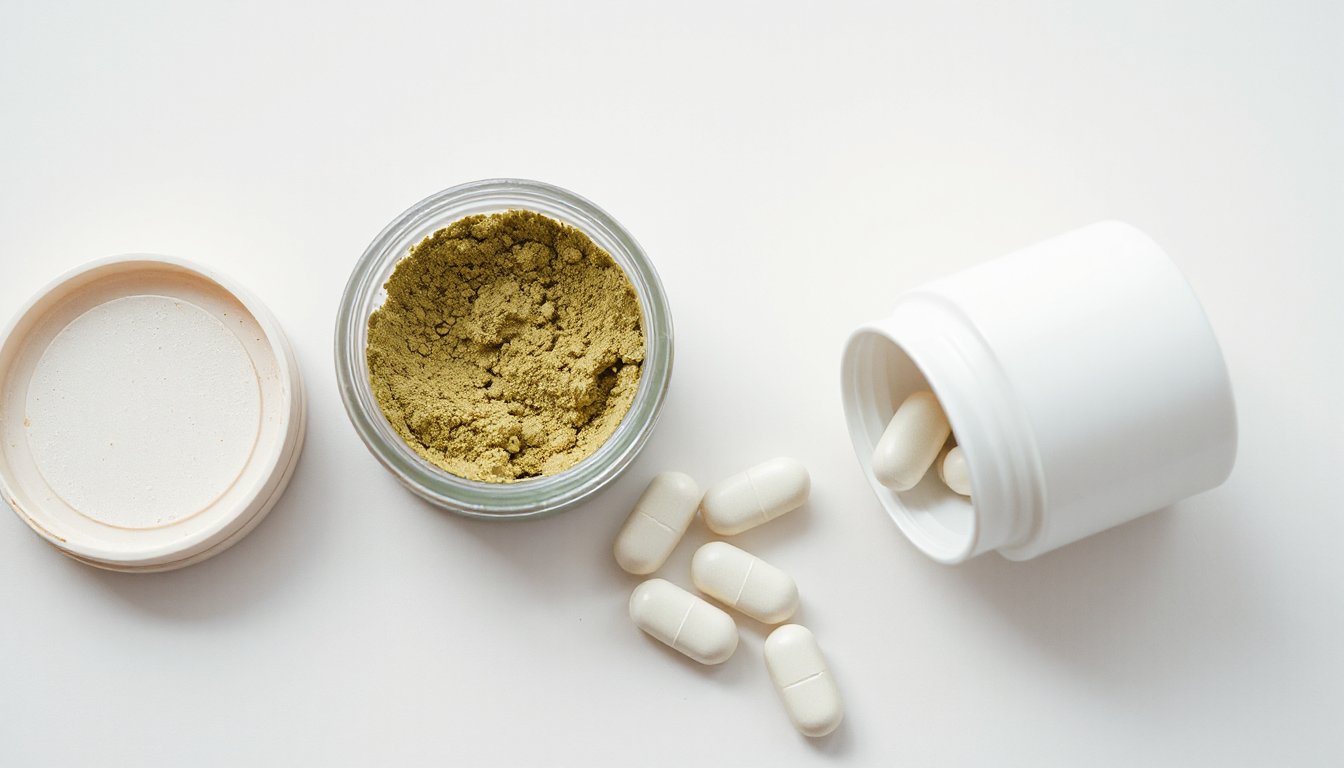
Curious how kratom mimics opioids yet carries a different risk profile, the answer lies in how its alkaloids interact with your brain’s receptors.

Treatment professionals recognize these daily warning signs of kratom addiction, discover if your symptoms signal it’s time to seek help.

The partial opioid activity of kratom’s alkaloids can trigger life-threatening respiratory depression, discover the critical warning signs clinicians monitor.
Providers treating kratom users encounter a complex mix of physical and psychological symptoms that reveal hidden patterns of dependency.