



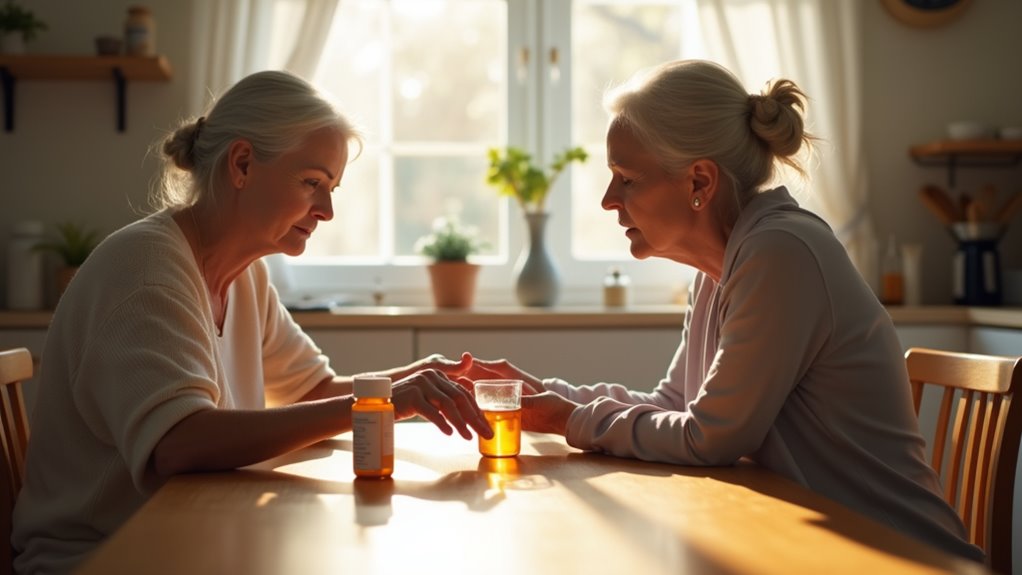

If you’re an older adult struggling with substance use, you’ll benefit most from age-specific programs that combine medication-assisted treatment (like buprenorphine or naltrexone) with nonconfrontational behavioral therapies such as cognitive behavioral therapy and motivational interviewing. These specialized programs address your unique needs, chronic pain, isolation, bereavement, while integrating physical and mental health care. You’ll find peer support groups, holistic interventions like gentle exercise and nutrition therapy, and coordinated care that respects your life experience. Understanding what makes these pathways effective can help you take that indispensable initial stride toward rehabilitation. Additionally, it’s important to explore caregiver resources for older adults, as they can provide vital support systems for both you and your loved ones. These resources can help caregivers understand the challenges of substance use and offer strategies to create a more supportive environment at home.
Understanding the Growing Crisis of Substance Use Disorders in Older Adults

Substance use disorders among older adults have escalated into a public health crisis that demands immediate attention and compassionate intervention. One in eleven adults over 60 received SUD diagnoses in 2022, with treatment admissions for those 55+ surging 53% between 2009 and 2020. Alcohol-related deaths among seniors 65+ jumped 18.2% from 2019 to 2020, while drug-related deaths increased 11.4% between 2022 and 2023. Nearly 13% of adults 60+ engage in binge drinking, and 2.9 million seniors met criteria for alcohol use disorder. Treatment for substance use in older adults and specialized senior rehab programs are essential, as traditional addiction treatment for the elderly approaches often overlook age-specific needs. Recovery options for older adults must address unique risk factors like chronic pain, isolation, and bereavement. 40.9% of all alcohol-attributable deaths in 2022-2023 occurred among people ages 65+, underscoring the devastating impact of alcohol use in this population. Older adults consume up to a quarter of all prescription drugs in the United States, creating heightened vulnerability to medication misuse and addiction. Users who try an illegal drug before age 15 are 6.5 times more likely to develop a substance use disorder, demonstrating how early intervention across all age groups remains critical for prevention. Effective substance use disorder treatment for seniors requires age-appropriate screening, compassionate care, and customized interventions.
Barriers Preventing Older Adults From Accessing Treatment
Understanding treatment options means initially acknowledging what stands in your way. As an older adult considering help for substance use, you’re likely facing overlapping barriers, from stigma and shame rooted in generational values about self-reliance, to healthcare providers who may misinterpret your symptoms or fail to refer you to appropriate care. Social isolation, transportation challenges, and financial limitations create additional obstacles that can feel insurmountable, yet recognizing these barriers is the critical first step in navigating through them. Limited Medicare coverage for substance use treatment facilities further restricts your options when seeking professional help. Many older adults feel reluctant to enter treatment due to concerns about being grouped with younger members in traditional recovery settings. Research has identified that structural barriers far outnumber individual or social obstacles, suggesting that systemic changes in how treatment services are designed and delivered may be necessary to improve access for older adults.
Stigma and Misdiagnosis Issues
Despite growing rates of substance use disorders among seniors, fewer than 10% of older adults with alcohol use disorder ever receive a diagnosis or treatment offer. Social stigma and shame prevent you from seeking help, while ageist beliefs among clinicians lead to missed screenings, only 15% of primary care physicians regularly screen older adults for alcohol misuse. Symptoms often mimic dementia, depression, or diabetes, resulting in frequent misdiagnosis. Understanding the causes of substance use in seniors is essential for providing appropriate care and interventions. Factors such as loneliness, loss of loved ones, and chronic pain can contribute to increased alcohol consumption among the elderly.
These barriers affect you profoundly:
- You’re labeled a “problem drinker”, discouraging you from accessing care across all stages of substance misuse
- Your symptoms are dismissed as “normal aging”, not flagged for proper substance use assessment
- You don’t perceive needing treatment because nearly 97% of older adults requiring care misattribute their symptoms to seniority alone
The retirement years and social isolation can mask traditional warning signs, making you less likely to meet typical criteria for work-related or social impairment that trigger concern in younger adults. Retirement and isolation often hide the functional problems usually associated with alcohol use disorder. Healthcare providers may also confuse substance use symptoms with other age-related medical changes, further complicating accurate identification. Using mindful, person-first language when discussing substance use with older adults can help reduce the negative bias and shame that creates barriers to seeking treatment.
Behavioral therapy for seniors addresses these diagnostic intricacies with age-appropriate, stigma-free support.
Limited Healthcare Provider Referrals
When you visit your primary care doctor, there’s only a slim chance, between 11% and 13%, that you’ll receive a referral to substance use treatment, even if you need one. Healthcare providers often lack training in recognizing SUDs among older patients, mistaking symptoms for dementia, depression, or normal maturity. Short appointments and overburdened systems limit opportunities for thorough screening. Moreover, many providers hold misconceptions that you’re less likely to benefit from treatment at your life stage. When referrals do occur, they typically follow acute incidents like falls rather than preventive assessment. Patient discomfort and challenges integrating screening into clinic workflow further prevent doctors from identifying substance use issues during routine visits. Provider discomfort and bias can also hinder proper assessment, as clinicians may feel uncertain about addressing substance use with older adults or hold stereotypes about aging and addiction. For decades, substance use among older adults has been underidentified, contributing to systemic gaps in detection and intervention that persist across healthcare settings today. This gap leaves you without access to age-appropriate care, whether inpatient vs outpatient treatment seniors require, delaying recovery and worsening health outcomes that specialized intervention could effectively address.
Social and Structural Obstacles
Social stigma, financial strain, and transportation challenges form a powerful web of obstacles that keep older adults from accessing substance use treatment, even when they recognize the need for help. Stigma surrounding both aging and substance use breeds shame, while social isolation removes the support networks that encourage recovery. Limited insurance coverage and high out-of-pocket costs create financial barriers on fixed incomes. Decreased ability to drive and reluctance to leave home intensify accessibility problems, particularly when regulations requiring in-person evaluations and frequent dosing visits add logistical burdens.
These interconnected barriers leave you facing:
- Judgment that silences your pain and prevents you from reaching out
- Financial choices between medications and basic necessities
- Physical isolation that makes every appointment an overwhelming challenge
Overcoming these obstacles requires systemic change and compassionate, flexible treatment models designed specifically for your generation’s unique circumstances.
Medication-Assisted Treatment and Pharmacotherapy Options
When you’re managing opioid use disorder in later life, medication-assisted treatment (MAT) offers evidence-based options that can substantially reduce overdose risk and support your recovery. The FDA-approved medications, buprenorphine, methadone, and naltrexone, work differently in your body than in younger adults, so your healthcare provider will need to evaluate your existing health conditions, other medications, and age-related changes when selecting and dosing these treatments. Buprenorphine and naltrexone are often preferred for older adults because they present fewer risks for drug interactions and serious side effects compared to methadone, which can cause heart rhythm problems in aging patients. Office-based buprenorphine treatment can improve access and outcomes by eliminating the need for daily clinic visits that may be challenging due to physical limitations or transportation barriers. Your treatment plan should also consider that opioid use patterns vary significantly by region, with older adults in the Midwest and South showing higher rates of prescription opioid fills compared to those in the Northeast and West.
Medications for Opioid Dependence
Medication-assisted treatment (MAT) represents the gold standard for opioid use disorder in older adults, combining FDA-approved medications with behavioral therapies to address both the physical dependence and psychological aspects of addiction. You’ll find three primary options available: methadone, buprenorphine, and naltrexone. Buprenorphine-naloxone is recommended as ideal therapy for medication-assisted treatment older adults due to its safety profile and office-based prescribing capabilities.
These medications aren’t just about stopping cravings, they’re about reclaiming your life:
- Improved survival: MAT greatly increases your chances of long-term recovery and reduces overdose risk
- Restored dignity: Treatment helps you reconnect with family and rediscover purpose
- Better health outcomes: You’ll experience reduced opioid use and increased treatment retention
Sustained treatment beyond 90 days yields prime results, especially when combined with supportive counseling. Clinicians should remain vigilant in screening for opioid use disorder, as symptoms may overlap with medical conditions or dementia commonly seen in elderly patients.
Age-Specific Dosing Considerations
As you mature, your body processes medications differently, and this reality shapes every dosing decision in substance use treatment. Therapy for elderly addiction requires a “start low, go slow” approach because your liver and kidneys metabolize drugs more slowly, increasing your risk of side effects like falls, confusion, and organ damage. Furthermore, the presence of multiple health conditions and medications can complicate treatment, requiring close monitoring by healthcare providers. These factors contribute to unique addiction challenges for seniors, making tailored, safety-focused interventions essential.
If you’re tapering benzodiazepines, expect gradual reductions, typically a quarter-dose weekly, to prevent dangerous withdrawal. Medications like clonidine and lofexidine need careful initial dosing and blood pressure monitoring. Your provider must review all your medications, since interactions with heart, blood pressure, and sleep drugs are common.
Frequent reassessments safeguard you from harm while supporting recovery. Though dosing data specific to older adults remains limited, clinical judgment tailored to your unique physiology guarantees safer, more effective treatment.
Behavioral Therapies and Counseling Approaches for Seniors

Because substance use in later life often stems from grief, isolation, and chronic pain rather than purely addictive patterns, behavioral therapies for older adults must address the emotional and psychological foundations unique to aging. Senior addiction counseling emphasizes nonconfrontational, strength-based approaches that respect your autonomy and life experience. Customized treatment plans for aging adults combine evidence-based methods like Cognitive Behavioral Therapy with motivational interviewing to build internal commitment without pressure.
Senior rehab facilities specializing in long-term recovery for older adults offer:
- Peer group sessions where you connect with others facing similar life changes and challenges
- Relapse prevention elderly strategies addressing cognitive changes and medical comorbidities
- Reward-based therapies that reinforce healthy behaviors and rebuild meaningful daily routines
Extended care duration improves outcomes, helping you develop sustainable coping skills and restore self-worth.
Integrated and Specialized Care Models
When substance use intertwines with chronic illness, cognitive changes, and complex medication regimens, older adults benefit most from integrated care models that address physical and mental health needs simultaneously rather than in isolation. These holistic treatment approaches for older people unite primary care providers, mental health professionals, social workers, and pharmacists within collaborative teams. Age-specific programs consider functional limitations, cognitive impairment, and social isolation, challenges prevalent among seniors. Specialized services like opioid treatment programs now prioritize what matters most to you, alongside medication safety, cognitive wellness, and mobility. Integrated Illness Management and Recovery (I-IMR) combines psychoeducation with behavioral strategies, improving medication adherence and reducing relapses. Care coordination guarantees your team communicates effectively, creating a unified plan that respects your whole-person needs throughout recovery.
Community Support Systems and Peer Recovery Programs

While integrated clinical teams provide coordinated medical and mental health care, community support systems and peer recovery programs extend the foundation of healing beyond clinic walls and into the places where older adults live their daily lives. Older adult addiction support services rooted in your neighborhood, featuring housing assistance, transportation, and food security resources, improve treatment initiation and completion rates. Peer recovery models foster connection through shared lived experience, reducing isolation and stigma while encouraging sustained participation.
Consider what community support can offer:
- A safe home and reliable transportation remove barriers that prevent you from attending treatment
- Peer mentors who understand aging challenges provide judgment-free encouragement and inspirational support
- Strong social networks reduce loneliness, lower relapse risk, and strengthen your motivation to recover
Addressing structural needs alongside clinical care creates pathways leading to lasting wellness and rediscovery.
Building Sustainable Recovery Through Holistic Care
True and lasting recovery requires more than addressing substance use alone, it demands attention to every dimension of your well-being. Holistic care models integrate mental health treatment with medical management of conditions like chronic pain, diabetes, and hypertension. You’ll benefit from individualized plans that address depression, anxiety, and grief while coordinating with your healthcare providers.
Physical wellness becomes foundational through nutrition therapy, gentle exercise like yoga or Tai Chi, and sleep hygiene education. These elements repair your body and support cognitive function during recovery.
Emotional resilience develops through trauma-informed care, coping strategy training, and creative therapies. Family therapy reduces isolation while skills training helps you uncover new interests. This inclusive approach, addressing mind, body, and spirit, creates sustainable recovery that improves your quality of life and reduces relapse risk.
Frequently Asked Questions
Can Older Adults Fully Recover From Long-Term Substance Use Disorders?
Yes, you can fully recover from long-term substance use disorders, even in advanced years. Research shows that nearly 75% of older adults with lifetime substance problems report being in recovery or recovered. With age-appropriate treatment, combining therapy, peer support, and when needed, medication, you’ll find sustainable pathways to wellness. Recovery isn’t just possible; it’s documented and achievable. Your years don’t limit healing; instead, customized care respects your unique experiences, helping you reclaim health, purpose, and meaningful connection.
How Do Family Members Support an Older Adult’s Recovery Journey?
You can support your older loved one’s recovery by staying emotionally present through regular visits and meaningful conversations that reduce isolation. Help them navigate treatment by providing transportation, managing appointments, and advocating for their needs. Participate in family counseling or support groups like Al-Anon to understand addiction as a health condition, not a moral failing. Your practical assistance, medication reminders, health record tracking, and monitoring for behavioral changes, combined with compassionate encouragement, strengthens their commitment to sustained recovery and well-being.
Are Online Therapy Options Effective for Older Adults With Substance Use?
Yes, online therapy can be effective for older adults with substance use. Research shows therapist-guided digital interventions markedly reduce alcohol and cannabis use, with some studies finding over 50% increases in abstinence days. You’ll benefit from the convenience, privacy, and flexibility that virtual care offers, especially if transportation or mobility challenges you. However, if you’re dealing with severe addiction or complex mental health needs, you’ll likely need in-person or hybrid treatment for best results.
What Happens if an Older Adult Relapses During Recovery?
If you relapse during recovery, don’t lose hope, it’s a common part of the process, not a failure. Your body may be more sensitive to substances after abstinence, increasing risks like falls, confusion, or dangerous interactions with medications. Reach out to your care team immediately; they’ll adjust your treatment, provide supportive counseling, and help you re-engage safely. With proper support and compassionate guidance, you can get back on track and continue your recovery path.
How Long Does Substance Use Treatment Typically Last for Seniors?
Treatment duration for you as a senior typically ranges from 30 to 90 days in residential programs, though longer stays often improve outcomes. You’ll likely need at least three months of extensive care for lasting recovery. Your specific timeline depends on your addiction severity, health conditions, and mental health needs. Many older adults move from inpatient care (2–6 weeks) to outpatient programs, extending total treatment time while allowing you to gradually rebuild independence and sustainable recovery habits.