


After you consume psilocybin mushrooms, you’ll wait 20, 60 minutes before effects begin, your liver must first convert psilocybin to psilocin through dephosphorylation. Peak intensity hits between 1, 3 hours as psilocin levels maximize in your bloodstream, producing visual distortions, emotional amplification, and altered time perception. The come-down spans 3, 6 hours while your liver metabolizes psilocin into inactive compounds. Factors like dosage, metabolism, and consumption method dramatically, profoundly, or substantially alter this shroom timeline, each influencing your experience differently.
A Shrooms Trip From Start to Finish

When psilocybin enters your system, it converts to psilocin, the compound responsible for psychoactive effects. Understanding the psilocybin timeline helps you anticipate what’s ahead.
Effects begin 20-40 minutes post-ingestion. You’ll notice enhanced colors, light sensitivity, and a fluttery stomach sensation. Between 40 minutes and two hours, intensity builds, body tingles develop, colors sharpen, and emotional sensitivity increases.
The peak occurs 1.5-3 hours in. Expect vivid hallucinations, time distortion, and possible ego dissolution. Deep introspection dominates this phase, often accompanied by a profound sense of unity with the universe. During this time, psilocybin temporarily disrupts normal communication between brain regions, contributing to these altered states of consciousness.
Around hour three, the come-down begins. Visual changes persist but fade gradually. Fatigue or mild euphoria may linger as your perception normalizes. Some individuals report lasting personal growth or enlightenment following their experience.
The full experience spans 4-6 hours, though an afterglow state can extend well beyond, lasting days or weeks.
The First 20 Minutes: Why Shrooms Haven’t Kicked In
When you consume psilocybin mushrooms, your body must first convert psilocybin into its active form, psilocin, through hepatic metabolism before any effects reach your brain. This conversion occurs because psilocybin is a prodrug that requires enzymatic processes to become psychoactive. Whether you’ve eaten recently considerably impacts this timeline, an empty stomach allows absorption within 20-30 minutes, while food can delay onset by 30-90 minutes as your digestive system processes competing substances. Research confirms that oral onset typically occurs within 0.5-0.8 hours, aligning with this expected waiting period. Consuming shrooms as tea rather than whole dried mushrooms can shift timing slightly due to faster absorption. You should expect this waiting period as standard rather than assuming your dose has failed, since premature redosing during this window creates the risk of an unexpectedly intense experience once both doses fully activate.
Psilocybin Conversion Process
Why don’t you feel anything immediately after consuming psilocybin mushrooms? The answer lies in enzymatic metabolism. Psilocybin itself lacks psychoactive properties, it’s a prodrug requiring conversion to its active form, psilocin.
After ingestion, your liver’s alkaline phosphatase initiates dephosphorylation, cleaving the phosphate ester bond from the psilocybin molecule. This enzymatic process transforms the compound into 4-hydroxy-N, N-dimethyltryptamine (psilocin), which then binds to serotonin receptors. Psilocybin is primarily absorbed in the small intestine before reaching the liver for this critical conversion.
This conversion takes time. Your individual metabolism, liver function, and dose size all influence how quickly dephosphorylation occurs. Effects won’t manifest until sufficient psilocin crosses your blood-brain barrier, typically 20-40 minutes post-ingestion. Once psilocin reaches the brain, it interacts with serotonin receptors and alters mood, perception, and thinking. Psilocybin has a half-life of approximately 50 minutes, meaning half of the compound is metabolized relatively quickly once the conversion process begins.
Understanding this biochemical delay prevents premature redosing. You’re not experiencing a weak batch; you’re simply waiting for your body to complete the necessary metabolic conversion.
Empty vs Full Stomach
Beyond the liver’s enzymatic conversion, another variable determines how quickly psilocin reaches your bloodstream: stomach contents.
An empty stomach accelerates the shrooms timeline considerably. Without food competing for digestive resources, psilocybin absorbs within 20-30 minutes. A full stomach delays this process to 30-90 minutes, sometimes extending to two hours. This difference directly impacts your shroom trip timeline’s predictability. An empty stomach accelerates the shrooms timeline considerably, allowing psilocybin to absorb within approximately 20, 30 minutes due to reduced digestive competition. In contrast, a full stomach can delay onset to 30, 90 minutes, and in some cases up to two hours, which directly affects the predictability of your overall trip progression and even perceptions around how long do shrooms last. Faster onset often leads to a more defined peak window, while delayed absorption can stretch and slightly shift the entire experience curve.
Clinical protocols recommend fasting 2-4 hours before consumption to standardize pharmacokinetics. However, empty stomach conditions intensify nausea and gastrointestinal discomfort during onset. Low blood sugar adds risks of dizziness and weakness. Certain methods like lemon tek can potentially accelerate the effects beyond what an empty stomach alone achieves.
The mushroom trip timeline shifts based on this single factor. Faster absorption creates concentrated blood psilocin levels, affecting when do shrooms peak and overall shrooms peak time. Food consumption produces a gradual ascent; empty stomach conditions produce rapid, potentially overwhelming mushroom peak time intensity. It’s worth noting that psilocybin concentrations vary significantly across different mushroom species, which also influences the intensity and timing of effects. Understanding these variables empowers informed decisions, and respecting the substance along with preparing your set and setting ensures a more responsible approach to the experience.
Normal Onset Expectations
Although you’ve consumed psilocybin mushrooms, the first 20 minutes typically produce no discernible psychoactive effects. Your body requires time to convert psilocybin into its active metabolite, psilocin, before the stages of a mushroom trip begin.
During this initial window, expect:
- No visual or perceptual alterations
- Absence of cognitive shifts or mood changes
- Minimal physical sensations beyond possible mild stomach awareness
The delay stems from pharmacokinetic factors. Psilocybin must pass through your gastrointestinal tract and undergo hepatic conversion before crossing the blood-brain barrier. This process explains why onset ranges from 20 to 50 minutes for most users.
Don’t mistake this quiet period for ineffectiveness. Redosing during the first 20 minutes risks overconsumption once absorption completes. Effects build gradually, with noticeable changes emerging after the 30-minute threshold.
The Onset Phase: 20, 60 Minutes In
Most users notice the first signs of psilocybin’s effects between 20 and 40 minutes after ingestion, though this window can extend to 60 minutes or longer depending on individual variables. Onset timing depends on metabolism, stomach contents, and dosage. An empty stomach accelerates absorption, while food delays it.
During this phase, you’ll experience distinct changes across three domains:
| Domain | Early Physical Sensations | Manifestation |
|---|---|---|
| Somatic | Tingling, warmth, nausea | Body awareness increases |
| Perceptual | Sensory changes | Colors brighten, sounds sharpen |
| Psychological | Emotional mental shifts | Anticipation, euphoria, or nervousness |
You may feel a fluttery stomach sensation alongside heightened environmental awareness. These early markers signal psilocybin’s conversion to psilocin and initial receptor binding. Physical signs during onset commonly include drowsiness, dilated pupils, and elevated body temperature as the compound takes effect. Understanding these onset indicators is important for recognizing potential dangers and knowing when support may be needed.
Peak Shrooms Effects: The 1, 3 Hour Window

Once psilocin concentrations reach their maximum in the bloodstream, typically 60 to 120 minutes after ingestion, you’ll enter the peak phase, where the compound’s effects on serotonin 5-HT2A receptors produce their most pronounced alterations.
Peak effects begin when psilocin levels hit their maximum in your bloodstream, typically 60, 120 minutes after consumption.
During this 1, 3 hour window, neurotransmitter activity drives significant altered perception across multiple sensory domains:
- Visual distortions: Colors appear richer and sharper, geometric patterns emerge, and hallucinations reach maximum intensity
- Emotional amplification: You’ll experience heightened feelings, potential ego dissolution, and a sense of unity with surroundings
- Cognitive shifts: Time perception warps, introspective thoughts deepen, and normal thought patterns temporarily restructure
Peak effects duration depends on dose magnitude, individual metabolism, body weight, and tolerance levels. Higher doses typically extend this window toward the 3-hour mark, while standard doses produce peak effects lasting 1, 2 hours. Physical effects during the peak may include nausea, dizziness, and changes in heart rate and blood pressure.
The Come-Down: How Shrooms Fade at 3, 6 Hours
After the peak’s intensity subsides around the 3-hour mark, psilocin levels in your bloodstream begin their steady decline as your liver metabolizes the compound into inactive metabolites. During this come-down phase, your dilated pupils gradually constrict, and heightened heart rate normalizes. Visual distortions diminish progressively, though mild perceptual effects may persist.
You’ll likely notice fatigue replacing the earlier stimulation. Headaches occasionally occur, potentially linked to nitric oxide release during metabolism. Nausea typically resolves if it was present earlier. Sleep disturbances may also emerge during this phase, as the disruption of serotonin receptors can temporarily affect your ability to fall or stay asleep.
Psychologically, the come-down phase shifts your mental state toward introspection. Emotional intensity decreases, and anxiety often subsides as psychoactive effects wane. Many users report lingering mild euphoria and reflective thinking. By hour six, primary effects conclude, though an afterglow period may extend residual sensations for several additional hours.
After the Trip: How Long Shrooms Stay in Your System
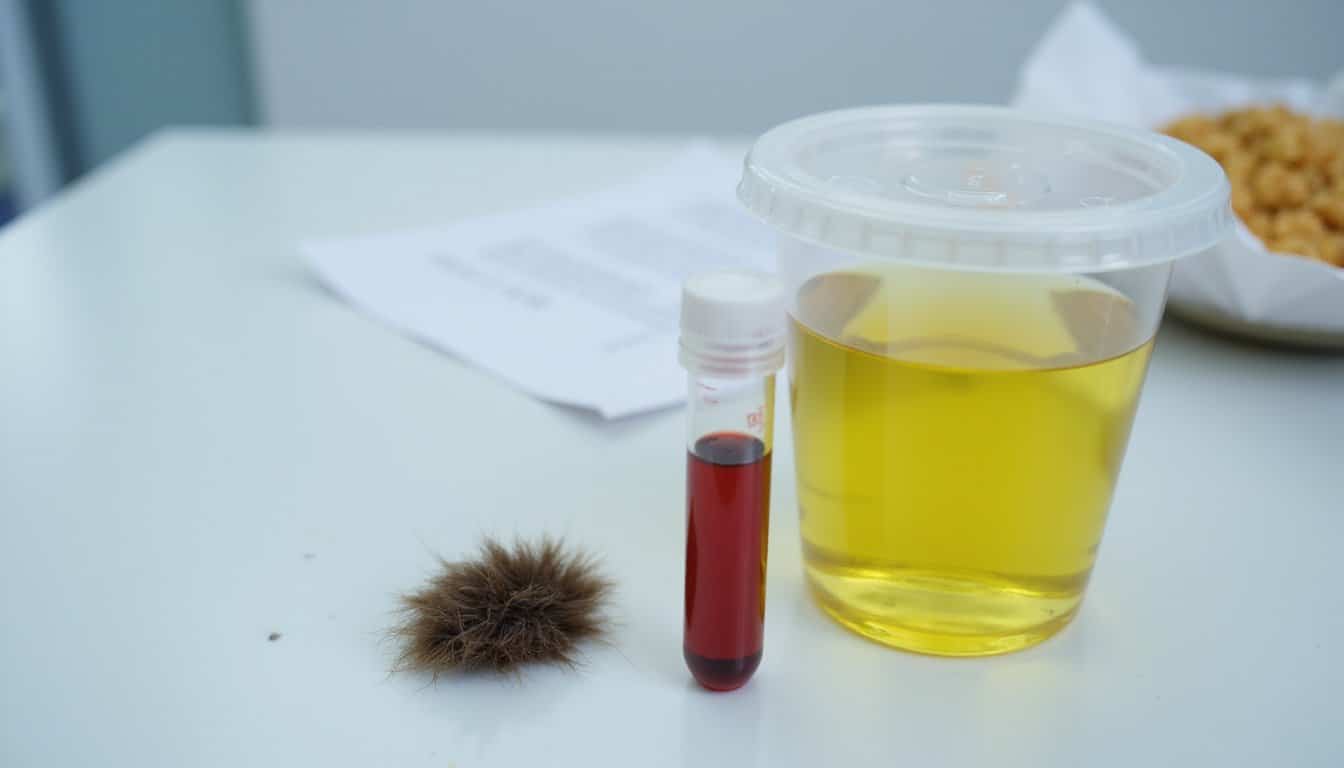
Your body begins eliminating psilocybin almost immediately after ingestion, but detection windows vary noticeably by testing method. Understanding these timelines helps contextualize what happens after shroom trip stages conclude.
Detection Windows by Test Type:
- Urine: Detectable up to 24 hours, though heavy use or slow metabolism may extend this to 48-72 hours
- Blood: Typically cleared within 15-24 hours due to rapid metabolization
- Hair: Reveals use patterns up to 90 days, with each centimeter representing one month of history
Standard drug panels don’t screen for psilocybin, specialized tests are required. Several factors influence clearance rates: dosage amount, metabolic speed, hydration levels, and frequency of use. Your overall health and physical activity also affect how quickly your system processes and eliminates these compounds.
Why Your Shrooms Trip Might Last Longer or Shorter
While detection timelines matter after ingestion ends, the duration of the experience itself varies considerably based on several measurable factors.
Dosage exerts the strongest influence. Microdoses under 250 mg dried mushrooms produce brief, sub-perceptual effects, while 2 to 3.5 grams extend your trip to 4-8 hours.
Species potency matters profoundly. Psilocybe cubensis typically yields 3-6 hour experiences, whereas Psilocybe semilanceata produces 4-8 hour trips at higher intensity.
Your metabolism directly affects duration. Faster metabolic rates shorten trips; age and health conditions can prolong effects beyond six hours.
Consumption method alters onset and length. Mushroom tea accelerates absorption, producing quicker onset than whole dried mushrooms or capsules, which require longer digestion.
Set and setting shape your perceived duration, with controlled environments typically limiting experiences to 1-8 hours.
Empty Stomach vs. Full: How Food Changes Your Timeline
Whether you’ve eaten recently determines how quickly psilocybin enters your bloodstream. On an empty stomach, effects begin within 20 to 30 minutes as rapid absorption occurs without digestive competition. A full stomach delays onset to 30 to 90 minutes while reducing initial intensity.
Key timeline differences based on food consumption:
- Empty stomach: onset at 20, 30 minutes, peak at 1, 3 hours post-onset, often with increased nausea
- Full stomach: onset delayed by 30, 90 minutes, peak shifts proportionally, generally milder effects
- Total duration: remains consistent at 4, 8 hours regardless of stomach contents
Food doesn’t extend your trip’s overall length, it simply shifts when absorption begins. The delay caused by eating pushes your peak later without adding hours to the experience’s conclusion.
Tea, Capsules, or Raw: Fastest Way to Feel Shrooms
The method you choose for consuming psilocybin mushrooms directly impacts how quickly effects begin. Tea preparation extracts psilocybin into hot water, allowing faster absorption through your digestive tract, while capsules must first dissolve before the conversion process starts in your stomach. Raw consumption falls between these options, with onset speed depending largely on how thoroughly you chew the material.
Tea Speeds Up Absorption
When psilocybin enters the body, absorption rate determines how quickly effects manifest, and preparation method plays a decisive role.
Brewing mushrooms into tea extracts psilocybin into liquid form, bypassing the digestive breakdown required for raw consumption. This pre-extraction allows faster bloodstream entry and accelerates onset below the standard 20-40 minute window.
Absorption efficiency ranks as follows:
- Tea: Highest absorption rate due to pre-digestion extraction
- Powder: Variable rates dependent on stomach contents
- Raw: Slowest onset requiring full digestive processing
An empty stomach amplifies tea’s absorption advantage tremendously. Your metabolism, hydration levels, and gastrointestinal conditions further influence uptake variability.
Note that faster absorption may slightly shorten overall duration. Lemon tek produces comparable acceleration by initiating psilocybin-to-psilocin conversion before ingestion.
Capsules Delay Onset Time
Capsules slow down absorption by adding an extra step before psilocybin reaches your bloodstream. The gelatin or cellulose shell must dissolve in your stomach before releasing the powdered contents. This adds 10-30 minutes compared to raw mushrooms or tea. Expect onset within 30-60 minutes under standard conditions, though a recent meal can push this to 90 minutes or beyond.
Food in your stomach competes with the capsule for absorption, further extending the delay. This waiting period creates a specific risk: you might assume the dose failed and take more. Premature redosing leads to unexpectedly intense experiences once both doses activate simultaneously.
For predictable timing, take capsules on an empty stomach. Plasma psilocin levels typically peak 2-3 hours after ingestion, with effects lasting proportionally longer at higher doses.
Raw Shrooms Middle Ground
Raw mushrooms occupy the middle position in onset speed, typically producing effects within 20-40 minutes of ingestion. Your digestive system breaks down the fungal material before absorbing psilocybin, creating a moderate absorption rate compared to pre-processed methods.
Several factors influence your specific onset window:
- Stomach contents: Empty stomachs accelerate absorption; full stomachs delay effects up to 90 minutes
- Metabolism: Individual metabolic rates shift onset timing by 15-25 minutes in either direction
- Dosage: Higher doses produce faster, more intense peak experiences
Raw consumption avoids the extended delay of capsules while bypassing tea preparation requirements. You’ll experience standard bioavailability without conversion enhancement. This method provides predictable timing for most users, making it a reliable baseline when comparing other ingestion routes. Body weight also modulates both onset speed and effect intensity.
Side Effects at Each Phase: Nausea, Anxiety, and Euphoria
How does your body respond as psilocybin moves through its metabolic pathway? During onset (20-40 minutes), nausea emerges as your digestive system processes the compound. Anxiety frequently accompanies this phase due to effect unpredictability, while subtle euphoria begins with initial mood shifts.
At peak (1-3 hours), these responses intensify. Nausea may persist alongside visual hallucinations. Anxiety can escalate into paranoia or panic during challenging experiences. Conversely, euphoria maximizes, producing deep introspection and feelings of unity. Increased heart rate accompanies this psychedelic immersion.
During come-down (3-6 hours), nausea typically subsides as psilocin levels drop. Anxiety diminishes, though residual emotional changes may linger. Euphoria transitions into a reflective afterglow state. Fatigue commonly emerges during this descent. Understanding these phase-specific responses helps you anticipate physiological shifts rather than react to them unprepared.
psilocybin mushroom can feel overwhelming, but help is just a phone call away. Tampa Outpatient Detox is here to connect you with experienced treatment providers who genuinely care about your recovery and will stand by you every step of the way. Get in touch with us today at (740) 562-7398.
Frequently Asked Questions
Can You Sleep While on Shrooms or Will the Effects Keep You Awake?
You’ll find sleeping nearly impossible during the peak phase. Psilocybin elevates serotonin levels, increasing your heart rate and high-frequency brainwaves associated with alertness. The hallucinogenic effects actively prevent sleep onset. Post-trip, you’ll experience prolonged REM latency and suppressed slow-wave activity in your first sleep cycle. Microdoses, approximately one-tenth the effective dose, may paradoxically promote sleep by reducing anxiety without triggering stimulant properties. Individual responses vary considerably based on dosage and ingestion timing.
Is It Safe to Mix Shrooms With Alcohol or Cannabis?
Mixing shrooms with alcohol isn’t safe. You’re combining two substances that both affect your brain, creating unpredictable interactions. Alcohol can dull psychedelic effects or amplify anxiety and paranoia. You’ll face increased dehydration, nausea, impaired coordination, and heightened “bad trip” risk. Your judgment becomes compromised, making overconsumption more likely. Cannabis combinations carry their own risks, though research remains limited. You’re better off experiencing psilocybin without other substances to maintain predictable effects.
How Long Should You Wait Before Taking Shrooms Again?
You should wait at least 1-2 weeks between full doses to allow tolerance to reset. Psilocybin tolerance builds rapidly because psilocin’s half-life averages just 108 minutes, causing receptor downregulation within hours. Clinical protocols typically use 3-4 week washout periods between sessions. If you’re microdosing, follow structured protocols like Fadiman’s (dose every third day) with 2-4 week reset breaks after each cycle to maintain effectiveness.
Can Shrooms Trigger Lasting Mental Health Issues After a Single Use?
You can experience prolonged adverse effects after a single use, though it’s uncommon. High doses (420 mcg/kg) increase your risk of substantial fear and transient paranoia. Controlled studies show no evidence of prolonged psychosis or lasting functional deficits in healthy volunteers followed for 8-16 months. However, case reports document severe depression and anxiety requiring intervention when sessions lack proper support. Your pre-existing mental state and dosage greatly influence outcomes.
Will Shrooms Show up on a Standard Employment Drug Test?
Standard 5 or 10-panel employment drug tests won’t detect psilocybin or its metabolite psilocin. These panels screen for marijuana, cocaine, opiates, amphetamines, and PCP, substances with higher addiction profiles. You’d only face detection through specialized testing, which employers rarely use due to cost and limited practical application. Psilocybin’s short half-life of 2-5 hours means it clears your system quickly, typically within 24 hours in blood and 1-3 days in urine.