





You can identify kratom use and addiction by recognizing dose-dependent effects: stimulant-like energy at low doses (1, 5 g), sedation and cognitive impairment at higher doses. Watch for behavioral changes like social withdrawal, secrecy about kratom strains and vendors, mood swings, and declining work performance. Physical signs include weight loss, skin darkening, and withdrawal symptoms like muscle aches and insomnia when access is restricted. Understanding the full spectrum of warning signs helps determine when professional intervention becomes necessary.
What Kratom Does to the Brain and Body at Different Doses
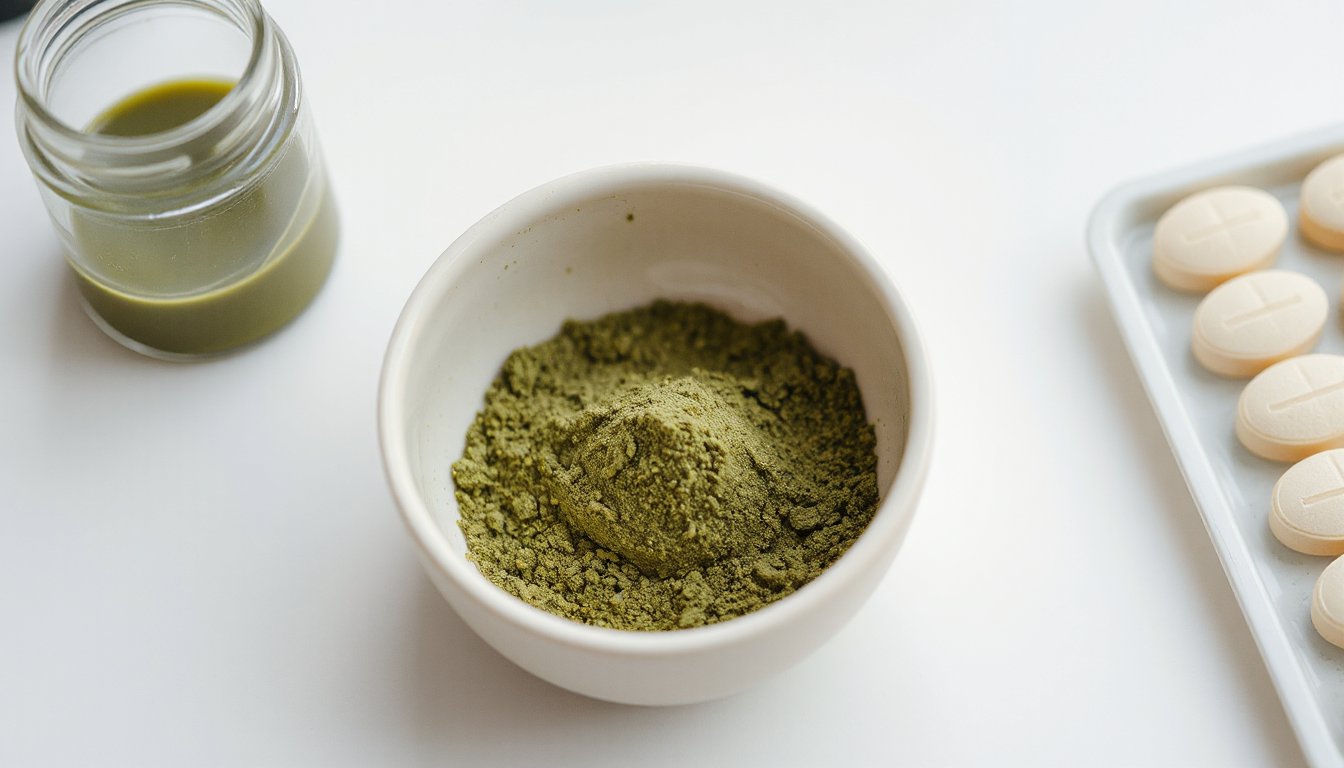
Kratom’s effects on the brain and body depend heavily on dose, shifting from stimulant-like at low amounts to opioid-like at higher ones. At low doses (1, 5 g), you experience increased alertness, energy, and mild euphoria through adrenergic and dopaminergic stimulation. Moderate doses (5, 8 g) produce analgesia, relaxation, and gastrointestinal slowing. Kratom potency varies greatly between products, making it difficult to predict the effects of any given dose.
High doses (8, 15 g or more) cause sedation, cognitive impairment, and risk respiratory depression. You may also experience psychosis-spectrum symptoms, including hallucinations and confusion. The two most prevalent compounds responsible for these effects are mitragynine and 7-hydroxy mitragynine, which display agonist morphine-like effects on human μ-opioid receptors.
Chronic use alters neurotransmitter regulation across opioid, serotonergic, and dopaminergic systems. These neuroadaptations reduce receptor sensitivity and modify baseline neurotransmitter production. The brain’s reward circuitry becomes increasingly engaged, reinforcing compulsive use patterns and elevating your risk for physical dependence and withdrawal symptoms upon cessation. Upon abrupt discontinuation, you may experience muscle aches, irritability, anxiety, insomnia, nausea, and depression as the body struggles to restore normal function without the substance.
Behavioral Warning Signs That Kratom Use Has Become Problematic
When substance use shifts from recreational experimentation to problematic patterns, several observable behavioral changes typically emerge. You may notice escalating doses, increased frequency, and an inability to reduce consumption despite genuine attempts. Daily routines become organized around obtaining and using kratom, while responsibilities deteriorate.
When recreational use becomes routine dependency, the warning signs emerge through escalating doses and deteriorating daily responsibilities.
Key behavioral indicators include:
- Persistent preoccupation with kratom strains, vendors, and dosing schedules, combined with secrecy about purchases and consumption amounts
- Social isolation from friends and family, relationship breakdown marked by conflicts over use, and withdrawal from previously enjoyed activities
- Marked irritability, agitation, or emotional dysregulation when access is restricted, with rapid mood improvement following dosing
You’ll observe declining work performance, financial strain from prioritizing purchases, and neglected self-care. These patterns indicate kratom use has progressed beyond recreational boundaries into clinically significant dysfunction. Because kratom binds to opioid receptors in the central nervous system, regular use can disrupt normal brain functionality and perpetuate the cycle of addiction. The unregulated nature of kratom means products may be cut or mixed with other potentially toxic substances, making it impossible for users to know the true purity or potency of what they’re consuming.
Psychological and Cognitive Changes Linked to Kratom Addiction

If you’re using kratom regularly, you may notice significant shifts in your emotional stability and mental sharpness. Research links chronic kratom use to mood swings, increased irritability, and externalizing behaviors like impulsivity and aggression. You might also experience impaired concentration, slowed thinking, and compromised judgment, cognitive changes that can affect your daily functioning and decision-making.
Mood Swings and Irritability
Many people who develop kratom addiction experience pronounced mood swings and irritability as their brain chemistry adapts to chronic exposure. Mitragynine and 7-hydroxymitragynine act as partial mu-opioid receptor agonists, disrupting reward and stress circuits while altering dopamine and serotonin regulation. These neurobiological changes create triggers for mood instability, causing oscillations between euphoria and sudden dysphoria within hours.
Common manifestations include:
- Sudden anger outbursts and heightened anxiety between doses
- Emotional crashes following initial calm or euphoria
- Persistent irritability that worsens when doses are delayed or reduced
Irritability serves as a behavioral marker of progressing dependence. You may notice impaired interpersonal functioning as erratic moods fuel conflicts and emotional volatility. During withdrawal, abrupt removal of opioid-like stimulation intensifies restlessness, hostility, and agitation, reinforcing compulsive use patterns. Managing these withdrawal symptoms often proves challenging without professional support, as the body struggles to recalibrate its neurochemical balance after prolonged kratom exposure. These psychological symptoms can persist for weeks to months after the last dose as part of post-acute withdrawal syndrome, making ongoing therapeutic intervention essential for sustained recovery.
Impaired Focus and Judgment
Chronic kratom use produces measurable cognitive impairments that extend beyond mood disturbances to affect core mental functions. You may experience diminished concentration, making it difficult to focus on work, studies, or routine tasks. Research demonstrates that mitragynine disrupts hippocampal synaptic transmission and suppresses cortical rhythms essential for attention and memory consolidation.
Self control deficits emerge as chronic exposure alters decision-making processes. Animal studies show increased resistance to punishment, indicating impaired risk assessment. You might notice risk taking behaviors, poor financial choices, or neglecting responsibilities despite negative consequences. These executive function deficits reflect neuroplastic changes in the brain’s reward system that bias decisions toward continued drug use.
Mental fog, slowed thinking, and reduced clarity compound these issues, substantially decreasing productivity and daily functioning over time.
Physical Symptoms and Health Complications From Chronic Kratom Use
Chronic kratom use can produce visible physical changes you may notice, including skin darkening, significant weight loss, and persistent sweating or dry mouth. If you’ve developed dependence, stopping kratom triggers a withdrawal syndrome characterized by nausea, vomiting, diarrhea, muscle aches, tremors, and insomnia, symptoms that mirror opioid withdrawal. Recognizing overdose warning signs is critical: slowed or depressed breathing, unresponsiveness, seizures, and altered mental status require immediate medical attention.
Visible Body Changes
When kratom use becomes chronic, your body begins displaying observable physical changes that signal underlying health complications. Skin pigmentation changes, including darkening and discoloration, indicate alkaloid accumulation within your system. These visible alterations serve as external markers of internal damage occurring at the cellular level.
Musculoskeletal deterioration manifests through persistent muscle pain and body aches that intensify over time. Your physical appearance shifts noticeably as anorexia drives significant weight loss, compounding nutritional deficiencies.
Observable physical indicators include:
- Progressive skin darkening and color changes across affected areas
- Marked weight loss resulting from chronic appetite suppression
- Visible tremors and shakiness reflecting nervous system dysfunction
These changes warrant immediate medical evaluation, as they often correlate with hepatotoxicity and kidney injury requiring clinical intervention before residential treatment begins.
Withdrawal Symptom Profile
After your last kratom dose, withdrawal symptoms typically emerge within 6 to 12 hours as your body recognizes the absence of the alkaloids it’s grown dependent upon. The detoxification process follows a predictable progression, with peak intensity occurring between days 2-4.
| Timeline | Physical Symptoms | Psychological Symptoms |
|---|---|---|
| 6-24 hours | Muscle aches, sweating, nausea | Anxiety, irritability, cravings |
| 24-72 hours | Severe pain, tremors, insomnia | Depression, mood swings, agitation |
| 4-7 days | Fatigue, GI disturbances | Persistent anxiety, reduced cravings |
| 1-2 weeks | Resolving physical symptoms | Sleep disruption, concentration difficulties |
| 2+ weeks | Minimal | PAWS, anhedonia, relapse vulnerability |
Understanding this timeline supports effective harm reduction strategies and helps you anticipate challenges during recovery. The severity of your withdrawal experience depends on individual factors including dosage, frequency of use, and your overall health status prior to cessation. Many individuals seeking kratom detox have previously abused opioids and turned to kratom as an alternative substance, which can complicate the withdrawal process.
Overdose Warning Signs
Beyond the predictable discomfort of withdrawal, kratom poses more immediate dangers when taken in excessive amounts or used heavily over time. Acute intoxication recognition requires understanding key warning signs that signal medical emergencies.
You should monitor for these critical indicators:
- Cardiovascular instability: tachycardia, hypertension, palpitations, and chest discomfort that may progress to cardiac arrest
- Neurological deterioration: seizures, respiratory depression, altered consciousness, hallucinations, and coma
- Systemic organ damage: rhabdomyolysis presenting with muscle pain and dark urine, acute kidney injury, and liver dysfunction with jaundice
Overdose symptom management demands immediate medical intervention when you observe respiratory compromise, unresponsiveness, or signs of multiorgan dysfunction. Chronic heavy use compounds risks, contributing to documented fatalities where kratom toxicity, often combined with other substances, proved fatal. Managing kratom toxicity requires a multidisciplinary approach involving emergency physicians, intensivists, cardiologists, and nephrologists working together for optimal patient outcomes.
Understanding Kratom Withdrawal and Overdose Risks
The body adapts to kratom’s presence with regular use, and discontinuing the substance can trigger a recognizable withdrawal syndrome. Symptoms typically emerge within 12, 24 hours after your last dose and peak between 24, 72 hours. You’ll likely experience flu-like symptoms, muscle aches, gastrointestinal distress, and insomnia during the acute phase.
Managing acute symptoms requires medical supervision, particularly when anxiety, agitation, and intense cravings dominate the first few days. Most physical symptoms resolve within one to two weeks, though protracted withdrawal symptoms, including depression, anxiety, and sleep disturbances, can persist for weeks.
Overdose risk escalates drastically when you combine kratom with opioids, benzodiazepines, or alcohol. Warning signs include severe sedation, respiratory depression, seizures, and cardiac complications. Concentrated extracts and unknown product potency further increase toxicity potential.
Risk Factors That Accelerate the Progression to Kratom Addiction
- Prior addiction history: If you’ve experienced opioid use disorder or other substance use disorders, you’re considerably more vulnerable. Lifetime kratom users show 31% prevalence of at least one SUD, with opioid use disorder rates 18 times higher than never-users. CDC data confirms this pattern, showing approximately 80% of kratom-positive overdose deaths involved individuals with a history of substance misuse.
- Genetic predisposition: Inherited vulnerabilities to addiction influence how your brain responds to kratom’s opioid-like effects, affecting reward pathways and dependence development.
- Co-occurring psychiatric conditions: Past-year major depressive episodes affect 26.7% of kratom users versus 7.6% of nonusers, indicating depression strongly correlates with problematic use patterns.
High-dose consumption, concentrated extract use, and self-medication without clinical oversight compound these vulnerabilities, hastening addiction progression. The risks become particularly concerning given that kratom has been found in association with overdoses, typically when combined with other substances.
When Kratom Use Requires Residential Treatment Level of Care
Although many individuals manage kratom dependence through outpatient interventions, certain clinical presentations necessitate the structured intensity of residential treatment. You should consider this level of care when moderate-to-severe kratom use disorder criteria are met, particularly when you’ve experienced repeated failed attempts to reduce use despite genuine motivation.
Residential treatment becomes clinically indicated when you demonstrate severe withdrawal symptoms requiring 24/7 monitoring, high-dose consumption patterns exceeding 20-40 grams daily, or complex co occurring disorders involving other CNS depressants. Mental health conditions that destabilize during withdrawal further support this recommendation.
Environmental factors also guide placement decisions. If your living situation provides easy kratom access, drug-using peers, or you’ve failed previous outpatient treatment, residential care offers the controlled setting necessary for stabilization. Marked functional impairment affecting work, relationships, or safety concerns strengthens this clinical determination.
What often starts as a search for natural relief or a way to manage pain quietly becomes something far harder to walk away from than anyone who reaches for kratom ever imagined it would be. At outpatient drug rehab tampa fl, we understand how confusing and isolating kratom addiction can feel, especially when so many people still do not take it seriously enough to understand the very real grip it can have on your life and your body. We connect you with reputable Kratom Detox Programs and treatment centers, because the effects and risks of kratom use deserve the same level of serious and compassionate care that any addiction does and you deserve a real path forward. Call 740-562-7398 today and let us help you take that first step toward healing.
Frequently Asked Questions
Is Kratom Legal in All States, or Are There Local Restrictions?
Kratom isn’t legal everywhere. Seven states, Alabama, Arkansas, Indiana, Louisiana, Rhode Island, Vermont, and Wisconsin, ban it completely. You’ll find state specific kratom regulations vary drastically, with 24 states plus D.C. enforcing consumer protection laws that mandate age restrictions, testing standards, and labeling requirements. Beyond state laws, local kratom policies can impose additional restrictions or bans within otherwise legal states. You should verify your jurisdiction’s current laws before purchasing or possessing kratom.
Can Kratom Use Cause a Positive Result on Standard Drug Tests?
Standard 5-panel drug tests don’t specifically screen for kratom alkaloids, so you’ll typically test negative. However, high kratom concentrations can trigger false positive drug test results for methadone or other opioids on immunoassay screens. If you’re experiencing kratom withdrawal symptoms and facing testing, confirmatory LC-MS/MS analysis can distinguish kratom from controlled substances. Specialized panels must be ordered to detect mitragynine directly, as routine workplace screenings won’t identify kratom use.
How Long Does Kratom Stay Detectable in the Body After Use?
Your kratom detection window length depends on the test type and individual factors. Urine tests detect kratom for 1, 7 days, blood tests for 24, 48 hours, and saliva tests for 24, 36 hours. Hair tests can identify use up to 90 days. The kratom half life duration averages approximately 24 hours for mitragynine, meaning complete elimination typically requires 1, 6 days. Heavy, chronic use extends detectability toward the upper ranges.
Are There Any Fda-Approved Medications Specifically for Treating Kratom Addiction?
No FDA-approved medications exist specifically for treating kratom addiction. However, clinicians commonly use medication assisted treatment options developed for opioid use disorder on an off-label basis. You’ll find buprenorphine-naloxone and naltrexone frequently prescribed to manage cravings and support recovery. Withdrawal management protocols typically mirror those used for opioid dependence, with dosing adjusted based on your kratom consumption levels. These medications work best when combined with counseling and behavioral therapies.
Can Someone Safely Taper off Kratom at Home Without Medical Supervision?
You may be able to taper at home if you’re using low doses for a short duration, but it’s not safe for everyone. To reduce withdrawal symptoms and minimize health risks, you’ll need precise dosing, a gradual schedule, and careful self-monitoring. However, if you’re experiencing severe symptoms, have co-occurring mental health conditions, or use high doses multiple times daily, you should seek medical supervision rather than attempting an unsupervised taper.