



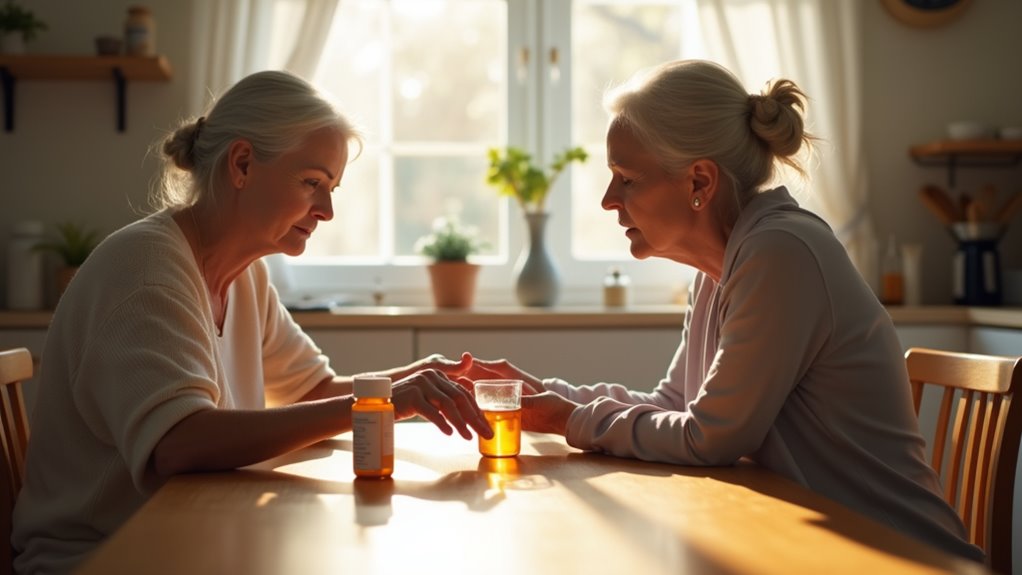

Substance use disorders among mature individuals represent a rapidly growing crisis, with treatment admissions for those 55+ increasing 53% from 2009 to 2020. You’re facing unique challenges: alcohol remains the primary concern, affecting 57% of seniors, while prescription drug misuse has doubled since 2001. These disorders often go undetected because symptoms mimic normal maturity, and physiological changes make substances more dangerous. The situation’s compounded by chronic pain, loneliness, and polypharmacy risks. Understanding these patterns and available interventions can help you recognize warning signs and access maturity-appropriate treatment approaches.
The Growing Crisis: Rising Rates of Substance Use Disorders Among Seniors
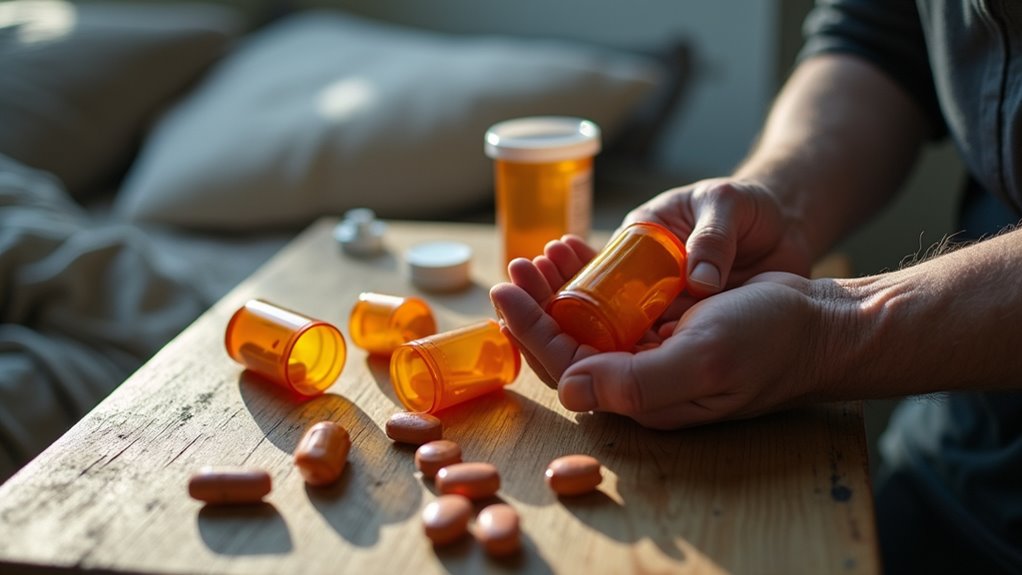
Substance use disorders among senior citizens have surged into a public health emergency that can no longer be ignored. Between 2009 and 2020, treatment admissions for adults aged 55 and older increased 53%, with their share of all admissions more than doubling from 5% to 12%. You’re witnessing a crisis projected to intensify, substance abuse among those 65 and above is expected to double by 2025.
This escalation stems from factors including chronic pain, loneliness, and mental health issues in older adults. Drug-related deaths among the elderly aged 65 and above rose 11.4% in 2023 alone, while older adults now account for nearly 24% of opioid overdose fatalities. Social isolation, greater access to prescriptions, and diagnostic challenges have created perfect conditions for undetected, untreated addiction to flourish. Alcohol remains the most common substance for which older adults seek treatment, though heroin follows as a concerning second. Among those 65 and older, 26.6 million people reported consuming alcohol in the past month. The scale of the broader crisis is staggering, with over 1 million drug overdoses having claimed lives in the U.S. since 1999.
Alcohol Remains the Primary Concern for Older Adults
Among all substances misused by older adults, alcohol stands out as the most prevalent and problematic. Nearly 57% of people in their senior years consumed alcohol in the past year, with 12% engaging in binge drinking. This poses serious risks: alcohol interacts dangerously with medications commonly prescribed to the elderly, amplifying concerns around polypharmacy. Physiological changes with advancing age increase alcohol’s potency, making even moderate consumption harmful. Alarmingly, 38% of all alcohol-related deaths in 2020–2021 occurred among adults in their golden years. Recognizing addiction in older adults requires vigilance, as symptoms often mimic normal aging. Early screening and family support for seniors are essential. Excessive drinking contributes to 178,000 deaths per year, making it one of the leading preventable causes of mortality across all age groups. Nationally, 1-in-10 Americans over age 12 have Alcohol Use Disorder, underscoring the widespread nature of this public health challenge. Recent data shows that 53% of Americans now believe drinking in moderation is bad for one’s health, a significant shift in public perception that may influence treatment approaches. When families engage compassionately and clinicians assess holistically, older adults receive the integrated care needed to reduce harm and maintain dignity.
Beyond Alcohol: Prescription Drugs, Opioids, and Other Substances
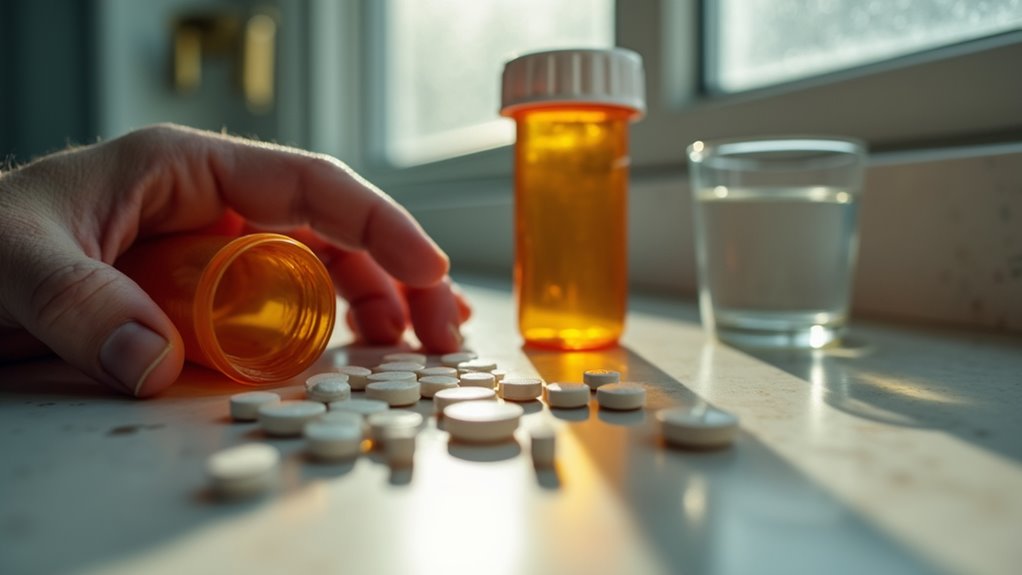
While alcohol remains a significant concern, you’re just as much at risk for prescription drug misuse, particularly as nearly 90% of adults over 65 use at least one daily medication. The numbers are striking: prescription drug misuse among older adults doubled from 1.2% to 2.4% between 2001 and 2020, with opioids and stimulants presenting the greatest danger. Understanding these risks is essential, as 95% of older adults using opioids meet criteria for substance use disorder, and the consequences of misuse often go unrecognized until serious harm occurs. Among adults aged 60-79, over one-third use five or more prescription drugs simultaneously, increasing the complexity of medication management and potential for harmful interactions. Unintentional misuse of medications is common in older adults, often stemming from confusion about dosing instructions or difficulty managing multiple prescriptions. While some psychotherapeutic drugs like tranquilizers have been diminishing in both use and abuse in recent years, opioid misuse continues to demand urgent attention across all age groups.
Prescription Drug Abuse Prevalence
How common is prescription drug misuse among elderly individuals? The numbers reveal a significant concern: up to 17% of adults over 60 struggle with alcohol and/or prescription drug abuse. Nearly 89% of adults 65+ take at least one prescription medication, and more than half use four or more regularly, increasing misuse risk through polypharmacy.
| Substance Category | Annual Abusers |
|---|---|
| Painkillers | 8.0 million |
| Benzodiazepines | 3.4 million |
| Sedatives | 0.9 million |
Recognizing signs of substance abuse in older persons is critical, as symptoms often mimic normal aging. Red flags of addiction in seniors include confusion, falls, and medication discrepancies. Cost concerns further complicate the picture, as 21% of older adults did not take medications as prescribed due to affordability issues, potentially leading to dangerous self-medication patterns. Elderly addiction treatment must address these patterns through age-appropriate, compassionate care that acknowledges polypharmacy’s role in unintentional misuse.
Opioid and Stimulant Risks
Beyond the well-documented risks of benzodiazepines and pain medications, opioids pose an escalating threat to elderly adults that demands immediate attention. Opioid-related deaths in adults 55+ surged nearly 19-fold between 1999 and 2019, while emergency department visits for misuse increased 16% from 2021 to 2022. Physiological changes with advancing years, slower metabolism, reduced organ function, amplify toxicity risks and complicate treatment. Prescription stimulants, increasingly used for cognitive concerns, introduce additional cardiovascular dangers including arrhythmias and stroke. Recognizing behavioral changes in geriatric individuals, such as confusion, agitation, or unexplained falls, is critical for early intervention. Risk factors for opioid misuse include smoking cigarettes, having anxiety or depression, and a personal or family history of substance abuse. Among adults aged 65 and over, non-Hispanic Black men experience significantly higher drug overdose death rates compared to Hispanic and non-Hispanic White men in the same age group. Effective response requires geriatric rehab programs addressing polypharmacy and co-existing conditions, alongside counseling for older adults that honors their unique emotional and physical needs while reducing stigma-driven underdiagnosis. Despite the growing crisis, older adults with OUD are less likely to receive proper diagnosis and treatment compared to younger populations.
Health Consequences and Mortality Risks in the Aging Population
Substance use in older adults carries grave and often undervalued health consequences, with alcohol-related deaths and drug overdose fatality rates rising precipitously over the past two decades. The fatal drug overdose rate among adults 65 and above quadrupled from 2002 to 2021, while alcohol poisoning deaths increased nearly tenfold during the same period. These substances expedite physical and cognitive decline, compounding vulnerabilities related to seniority and profoundly increasing mortality risk across multiple organ systems. By 2021, 1 in 370 senior deaths stemmed from overdoses, underscoring the severity of this emerging public health crisis. The nature of these fatal overdoses varies significantly by intent, with intentional overdoses more frequently involving prescription opioids and sedative-hypnotics, while unintentional deaths predominantly result from illicitly manufactured drugs. Notably, 74% of unintentional overdoses involved illicitly manufactured substances including synthetic opioids, heroin, cocaine, and methamphetamines, reflecting the dangerous intersection of aging populations with increasingly potent street drugs.
Alcohol-Related Deaths Rising Sharply
Over the past decade, alcohol-related deaths in the United States have surged by 70%, claiming 51,191 lives in 2022 compared to 27,762 in 2012. You’ll find the steepest rise among adults of the matured years 55–64, who face the highest absolute mortality rates at 32.5 deaths per 100,000 people. Eighty percent of these deaths involve adults 35 and older, with alcoholic liver disease alone accounting for 18,164 annual fatalities. Chronic conditions including hypertension, heart disease, and stroke contribute over 12,000 additional deaths yearly. Males represent 69.1% of alcohol-related mortality, though women’s death rates have increased proportionally more, rising from 4.8 to 12 per 100,000 between 1999 and 2020. These statistics underscore an urgent public health crisis requiring immediate attention and age-appropriate intervention strategies.
Drug Overdose Fatality Rates
While alcohol-related deaths have surged across generations, illicit drug overdoses now represent a comparable pressing threat to older Americans’ longevity and well-being. Fentanyl-related fatalities among adults 65+ increased 1,470% from 2015 to 2023, outpacing younger populations. Most deaths involve illicit fentanyl combined with stimulants like cocaine and methamphetamine, not prescription medications alone.
Critical trends affecting older adults include:
- Polysubstance overdoses now account for nearly half of fentanyl deaths in seniors, rising from 8.7% to 49.9% between 2015 and 2023
- Slower drug metabolism increases vulnerability to overdose even at lower doses
- Underdiagnosis persists as screening for substance use remains uncommon in primary care visits
Your aging body processes substances differently, making early recognition and intervention essential for preventing fatal outcomes.
Physical and Cognitive Decline
The aging body’s vulnerability to substances creates a cascade of health consequences that extend far beyond immediate intoxication. When you’re managing multiple medications, as over 36% of older adults do, substance misuse dramatically increases risks of dangerous drug interactions, falls, and organ damage. Your liver’s reduced capacity to metabolize substances means even moderate alcohol use can accelerate disease progression and worsen chronic conditions like diabetes and heart disease. Moreover, factors such as loneliness, depression, and the loss of loved ones significantly contribute to the causes of substance use in seniors. These emotional challenges can lead older adults to seek comfort in substances, exacerbating their health issues and further complicating their treatment.
Cognitively, substance misuse accelerates memory loss, impairs judgment, and increases dementia risk, making it difficult to distinguish between substance effects and neurodegenerative diseases. These compounding factors contribute to doubled mortality rates compared to younger populations, frequent hospitalizations, and heightened suicide risk, particularly when mental health conditions remain untreated alongside addiction.
Why Substance Use Disorders Go Undetected in Seniors
Substance use disorders in mature individuals remain among the most overlooked health concerns in modern medicine, often hidden beneath layers of misconception, clinical oversight, and societal blind spots. Persistent stigma and ageist attitudes create a powerful barrier to detection, generational beliefs still frame addiction as a “youthful person’s problem,” causing both healthcare providers and families to underestimate its prevalence in elders (NIDA, 2023).
Ageism and stigma render substance use disorders in older adults invisible to the very systems meant to help them.
Detection becomes further complicated when symptoms overlap with normal maturation:
- Cognitive changes and mood disturbances may be dismissed as dementia or depression rather than substance-related
- Only 13% of physicians routinely screen elderly patients for substance misuse
- Social isolation and private use patterns keep consumption hidden from family and clinicians
You’ll find that polypharmacy, brief medical visits, and lack of age-specific screening protocols allow disorders to progress unnoticed, compromising health and independence.
The Treatment Gap: Access and Utilization Challenges

Despite the rising number of mature individuals who need substance use treatment, fewer than 1 in 3 actually receive it, creating a critical gap in care. This disparity stems from multiple barriers: many seniors don’t recognize they need help, others face financial constraints or don’t know where to turn, and stigma continues to prevent countless elderly adults from seeking support. Understanding why senior citizens avoid treatment and how to improve access is essential for closing this gap and ensuring older adults receive the age-appropriate care they deserve.
Why Seniors Avoid Treatment
When older adults recognize they need help for substance use, many face formidable obstacles that prevent them from accessing treatment. Stigma remains a powerful deterrent, you may fear judgment from family or healthcare providers, or believe addiction is shameful rather than a treatable medical condition. Moreover, providers often don’t ask about substance use; studies show only 11% of seniors were screened during annual exams.
Practical barriers compound these challenges:
- Financial constraints: Medicare coverage is limited, and out-of-pocket expenses can be prohibitive on fixed incomes.
- Transportation difficulties: Lack of reliable transit, especially in rural areas, prevents appointment attendance.
- Physical limitations: Chronic illness, mobility issues, or being homebound make accessing community-based services nearly impossible.
These converging factors create a significant treatment gap.
Improving Access for Older Adults
Recognizing barriers to treatment is only half the equation, structural reforms are needed to close the widening gap between need and access. Only 43% of Connecticut SUD treatment facilities offer customized older adult services, and just 11% of seniors entering treatment are referred by healthcare providers. Transportation difficulties, financial constraints, and social isolation compound these access barriers. In 2022, merely 44.9% of adults aged 50+ needing opioid treatment received it, compared to 67.8% of younger adults. Racial disparities persist: 60.3% of White older adults receive medication for OUD versus 43.8% of Black and 45.7% of Hispanic counterparts.
| Barrier Type | Impact on Older Adults | System Gap |
|---|---|---|
| Transportation | Cannot drive; mobility limits | Inadequate public transit options |
| Healthcare Referrals | Only 11% referred by providers | Missed screening opportunities |
| Financial Access | Treatment unaffordable | Limited insurance coverage |
| Program Design | 43% facilities lack specialized services | Insufficient geriatric training |
| Racial Equity | Lower MOUD rates for minorities | Systemic discrimination persists |
The Complex Link Between Mental Health and Substance Use
Mental health and substance use disorders frequently coexist in older adults, creating a challenging cycle where each condition intensifies the other. Depression and anxiety increase your risk for substance misuse, while substance use can trigger or worsen psychiatric symptoms. This bidirectional relationship complicates accurate diagnosis, as overlapping symptoms often mask the full clinical picture.
Mental health disorders and substance misuse create a vicious cycle in older adults, with each condition amplifying the other’s severity.
Consider these critical intersections:
- 1 in 8 older adults experience mental illness annually, yet only 46% receive adequate treatment
- Depression affects 3.5% of older adults yearly, greatly elevating substance use risk
- Polypharmacy involving 5+ medications affects 37% of older adults, amplifying interaction risks and psychological symptoms
Cognitive decline and multiple prescribers further increase unintentional misuse. Recognizing this complex interplay enables thorough, integrated care that addresses both conditions simultaneously.
Ageism and Stigma as Barriers to Recovery
Although healthcare providers play a critical role in identifying and treating substance use disorders, generational assumptions routinely prevent senior citizens from receiving adequate screening, diagnosis, and intervention. Clinicians often skip substance use assessments, believing addiction is a “young person’s problem” or that treatment won’t work for elderly individuals. Less than 10% of mature adults meeting criteria for alcohol use disorder receive diagnosis or care. This ageism compounds with stigma, fear of being labeled “weak” or an “addict” silences many from seeking help. Older women face triple stigma: gender, seniority, and addiction, rendering them especially invisible. Social isolation intensifies these barriers, increasing loneliness-related health risks and perpetuating substance use as a coping mechanism. Without systemic change, recovery remains out of reach for countless senior citizens.
Demographic Shifts: The Baby Boomer Effect on Substance Use Trends
As the baby boomer generation, those born between 1946 and 1964, crosses into retirement phase, the scenery of substance use among older adults is shifting dramatically. This cohort experienced greater exposure to substances during their formative years, resulting in patterns that differ markedly from previous generations. You’ll notice three key trends:
- Marijuana use nearly doubled among adults customized 60–64, rising from 2.8 million to 4 million between 2021 and 2022.
- Methamphetamine use more than doubled in the same generational group, jumping from 171,000 to 400,000 users.
- Alcohol use increased over 18% in the 65+ population, reflecting persistent unhealthy drinking behaviors.
These shifts demand healthcare systems to adapt screening, intervention, and treatment approaches suited to this generation’s unique substance use history.
Adapting Prevention and Treatment Strategies for Older Adults
Effective prevention and treatment for older adults begins with routine screening, yet substance use in this population often goes undetected during standard medical visits. You’ll find that tools like AUDIT-C and SBIRT, when implemented in primary care and community settings, substantially improve early detection. During pilot programs, over 1,050 older adults were screened in one year, with 77% reporting lifestyle improvements.
| Treatment Approach | Adaptation Needed | Outcome |
|---|---|---|
| Cognitive Behavioral Therapy | Slower pace, visual aids | Reduced relapse risk |
| Family Involvement | Caregiver education sessions | Improved engagement |
| Mutual Support Groups | Age-appropriate scheduling | Sustained recovery |
Age-specific education addressing physiological changes, medication interactions, and fall prevention boosts treatment efficacy. Including caregivers in your recovery plan addresses barriers like transportation, stigma, and physical limitations while promoting lasting behavioral change.
Frequently Asked Questions
How Can Family Members Start a Conversation About Substance Use With Older Relatives?
Choose a private, calm moment when you’re both relaxed. Express concern from a place of love, not judgment, use “I” statements like “I’ve noticed changes that worry me.” Ask open-ended questions and listen without interrupting. Avoid accusatory language; instead, focus on specific observations about health, mood, or behavior. Emphasize that you’re there to support them, not criticize. If they’re resistant, suggest speaking with their doctor together, framing it as a routine health conversation.
What Are Safe Alcohol Limits Specifically Recommended for Adults Over 65?
For adults over the span, evidence-based guidelines recommend no more than 1 standard drink per day and 7 drinks per week maximum. A standard drink equals 12 oz beer, 5 oz wine, or 1.5 oz spirits. You should avoid binge drinking (4+ drinks per occasion) and consider alcohol-free days weekly. Due to maturity-related metabolism changes and medication interactions, some older adults should avoid alcohol entirely, it’s essential to consult your healthcare provider about what’s safest for your specific situation.
Can Older Adults Fully Recover From Addiction at Their Age?
Yes, you can fully recover from addiction at any stage. Research shows that 73-75% of people with substance use problems achieve recovery, and older adults often respond equally well or even better than, younger individuals when treatment is age-specific. About 20.5 million U.S. adults are in recovery, many without formal treatment. Your motivation, combined with personalized support addressing physical and cognitive needs, makes meaningful, sustained recovery entirely possible regardless of life stage.
Which Medications Commonly Prescribed to Seniors Have the Highest Addiction Potential?
Opioids like oxycodone and hydrocodone carry the highest addiction risk, with 95% of older users meeting criteria for substance use disorder. Benzodiazepines, including Xanax, Ativan, and Valium, are the second most problematic, used by 15-32% of seniors and highly addictive with prolonged use. Sedatives and sleep medications also pose significant dependency risks. If you’re taking these medications, it’s essential to monitor use closely with your healthcare provider and investigate non-addictive alternatives when possible.
Are There Specialized Support Groups Designed Specifically for Older Adults in Recovery?
Yes, specialized support groups for older adults exist and can considerably improve recovery outcomes. Programs like Recovery@50Plus offer age-appropriate treatment addressing late-life challenges such as chronic illness, grief, and isolation. You’ll find customized 12-step meetings, SMART Recovery groups, and integrated programs that combine mental health support with addiction care. These groups show higher engagement and reduced relapse rates compared to general programs. Access varies by location, but online options are expanding to reach seniors with mobility limitations.